

مصدر الكتاب
تم نشر هذا الكتاب بهدف النفع العام، وذلك بموجب رخصة المشاع الإبداعي، أو بناءً على موافقة من المؤلف أو دار النشر. في حال وجود أي اعتراض على النشر، يُرجى التواصل معنا لنتخذ الإجراء المناسب.
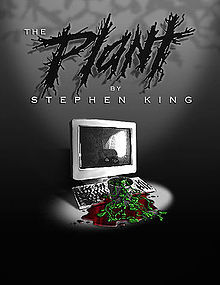
The Plant PDF - ستيفن كينغ
ستيفن كينغ • روايات رعب • ٢٥٩ الصفحات
(0)
اقتباس
مراجعة
حفظ
مشاركة
وصف الكتاب
Stephen King’s The Plant is an unfinished horror serial by American author Stephen King. It was first privately published by Philtrum Press in three installments in 1982, 1983, and 1985, then revived in 2000 as an e-book serial distributed through King’s official website. The official Stephen King website describes The Plant as a six-installment e-book project released on an honor-system payment model, and notes that the novel has not yet been completed.
The Plant occupies a distinctive place in Stephen King’s bibliography because it is both a work of fiction and a publishing experiment. Before online serial fiction became common, King used the internet to release the story directly to readers, asking them to pay for each installment. The project attracted attention not only because of King’s fame, but also because it tested whether readers would financially support a digital book without the usual bookstore or publisher framework. Earlier versions had circulated privately as limited chapbooks, while the 2000 release made the story available to a much wider audience.
The plot of The Plant is told in an epistolary style, using letters, memos, office notes, and correspondence rather than a conventional narrative voice. This format gives the book a documentary feeling, as though the reader is piecing together a strange case file. The story begins in the world of commercial publishing, a setting King uses with dark humor and sharp familiarity. At the center is a paperback publishing house whose staff must deal with difficult manuscripts, odd writers, and the everyday pressures of the book business.
The trouble begins when an editor receives a manuscript from a disturbed and persistent writer. The submission appears bizarre, but it includes unsettling material that makes the editor uneasy. Instead of simply rejecting the manuscript and forgetting about it, the editor responds in a way that angers the writer. Soon afterward, a mysterious plant arrives at the office. At first, the plant seems like an odd gift or a threatening joke. Gradually, however, it becomes clear that it is something far more dangerous.
As the plant grows, its influence spreads through the publishing house. The office environment becomes increasingly strange, and ordinary professional rivalries and ambitions begin to take on a sinister edge. The plant appears to reward some people, punish others, and manipulate events around it. What begins as an unusual workplace disturbance develops into a supernatural crisis. King blends horror with satire, turning the publishing industry itself into a setting where greed, fear, vanity, and desperation can be fed by something monstrous.
One of the most memorable qualities of The Plant is its tone. It is frightening, but it is also playful and self-aware. King uses the structure of memos and letters to build suspense while also mocking corporate language and office politics. The result is a story that feels both supernatural and bureaucratic: terror arrives not in a haunted house or isolated town, but through paperwork, editorial decisions, and professional correspondence.
Because The Plant remains unfinished, its plot does not reach a final resolution. The six released installments develop the premise, characters, and central menace, but they leave the larger story incomplete. King’s official website states that the project may be completed in the future if inspiration returns, though the publication format could differ. (Stephen King)
For readers interested in Stephen King’s career, The Plant is valuable for more than its story. It shows King experimenting with form, distribution, and reader participation at an early stage of mainstream digital publishing. As a horror serial, it offers a strange and entertaining tale about a publishing office invaded by a growing evil. As a literary artifact, it captures a moment when one of the world’s best-known authors tested the possibilities and limits of internet-based fiction.
ستيفن كينغ
ستيفن كينغ هو واحد من أكثر الكتّاب تأثيراً وانتشاراً في الأدب المعاصر، ويُعرف على نطاق واسع بوصفه رائداً بارزاً في أدب الرعب والتشويق والخيال المظلم، مع حضور قوي أيضاً في الرواية النفسية، والجريمة، والخيال العلمي، والفانتازيا، والدراما الإنسانية. وُلد في بورتلاند بولاية مين في الولايات المتحدة، وقد ارتبط اسمه منذ بداياته بعالم المدن الصغيرة، والبيوت المعزولة، والأسرار المدفونة، والخوف الذي ينمو من تفاصيل الحياة اليومية لا من الوحوش وحدها. ما يميّز تجربة ستيفن كينغ أن الرعب في أعماله لا يظهر بوصفه مؤثراً سطحياً، بل بوصفه وسيلة لفهم الإنسان حين يواجه الفقد، والذنب، والإدمان، والعنف، والوحدة، والسلطة، والذاكرة. لذلك استطاعت رواياته أن تتجاوز حدود النوع الأدبي، وأن تصل إلى جمهور واسع من القرّاء الذين يجدون في كتبه متعة السرد، وعمق الشخصية، وقوة التشويق، والأسئلة الأخلاقية القلقة.
بدأت شهرته العالمية مع رواية Carrie، وهي العمل الذي فتح له باب الاحتراف الأدبي وقدم للقارئ نموذجاً مبكراً عن قدرته على تحويل المراهقة، والقسوة الاجتماعية، والخوف من الاختلاف إلى حكاية مشحونة بالتوتر والرمزية. بعد ذلك توالت أعماله الكبرى مثل The Shining، وSalem’s Lot، وThe Stand، وIt، وMisery، وPet Sematary، وThe Green Mile، و11/22/63، إضافة إلى مشروعه الملحمي The Dark Tower الذي يجمع بين الفانتازيا الغربية، والرعب، والأسطورة، والتأمل في معنى الحكاية نفسها. وقد كتب أيضاً تحت الاسم المستعار Richard Bachman، مما أتاح له اختبار علاقة القارئ بالنص بعيداً عن شهرة الاسم، وقدم من خلال ذلك أعمالاً تكشف جانبه الأكثر قسوة وتجريباً.
أسلوب ستيفن كينغ يقوم على السرد الواضح المتدفق، وبناء الشخصيات بتفاصيل دقيقة، والقدرة على جعل المكان جزءاً حياً من القصة. كثير من أعماله تدور في ولاية مين أو في أماكن مستوحاة منها، حيث تتحول البلدة الصغيرة إلى مسرح لصراع بين المألوف والمرعب. كما أن اهتمامه بالحوار الشعبي، وثقافة الطبقة الوسطى، والطفولة، والصداقة، والخوف الجماعي، جعل رواياته قريبة من القارئ وراسخة في الذاكرة. ولا يقتصر تأثيره على الكتب، فقد تحولت أعمال كثيرة له إلى أفلام ومسلسلات ناجحة، منها اقتباسات شهيرة مثل The Shawshank Redemption، وStand by Me، وThe Green Mile، وMisery، وIt. هذه الاقتباسات ساهمت في ترسيخ حضوره في الثقافة الشعبية العالمية، حتى لدى من لم يقرأوا أعماله كاملة.
نال ستيفن كينغ جوائز وتكريمات مرموقة تقديراً لإسهامه الأدبي، ومنها ميدالية الإسهام المتميز في الأدب الأميركي، والميدالية الوطنية للفنون، إلى جانب جوائز عديدة في مجالات الرعب والفانتازيا والجريمة. كما يُعد كتابه On Writing من أهم الكتب الحديثة عن حرفة الكتابة، لأنه يجمع بين السيرة الذاتية والنصيحة العملية، ويكشف عن رؤيته الصارمة للانضباط، والقراءة المستمرة، والصدق الفني. وبفضل إنتاجه الغزير، وقدرته على الجمع بين الشعبية والجودة السردية، أصبح ستيفن كينغ اسماً مركزياً في تاريخ الرواية الحديثة، وكاتباً يصعب اختزاله في لقب واحد، لأنه لم يكتب عن الخوف فقط، بل كتب عن الإنسان حين يكتشف أن الخوف الحقيقي قد يكون كامناً في البيت، أو العائلة، أو الذاكرة، أو داخل النفس نفسها.
اكسب مكافآت أثناء القراءة!
كل 10 صفحات تقرؤها وتقضى فيها 30 ثانية تمنحك 5 نقاط مكافأة! واصل القراءة لفتح الإنجازات والمزايا الحصرية.
اقرأ
قيم الآن
5 نجوم
4 نجوم
3 نجوم
2 نجوم
1 نجوم
اقتباسات The Plant
الأعلى تقييماً
الأحدث
اقتباس
كن أول من يترك اقتباسًا واكسب 10 نقاط
بدلاً من 3
'%20/%3e%3c/svg%3e "Carrie")
التعليقات
كن أول من يترك تعليقًا واكسب 5 نقاط
بدلاً من 3