

مصدر الكتاب
تم نشر هذا الكتاب بهدف النفع العام، وذلك بموجب رخصة المشاع الإبداعي، أو بناءً على موافقة من المؤلف أو دار النشر. في حال وجود أي اعتراض على النشر، يُرجى التواصل معنا لنتخذ الإجراء المناسب.
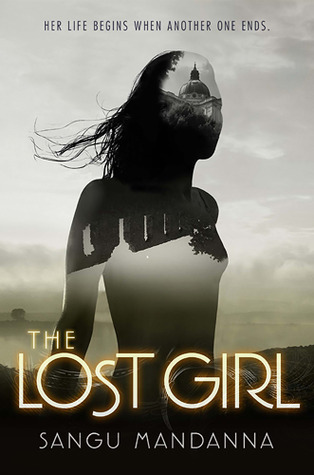
The Lost Girl PDF - سانغو ماندانّا
سانغو ماندانّا • روايات رومانسية • ٣٤١ الصفحات
(0)
اقتباس
مراجعة
حفظ
مشاركة
وصف الكتاب
The Lost Girl by Sangu Mandanna is a haunting and emotionally layered young adult speculative fiction novel about identity, grief, love, and the right to live as more than someone else’s replacement. At the heart of the story is Eva, an “echo” created by mysterious figures known as the Weavers to serve as a living copy of another girl, Amarra. Eva has been raised with one purpose: if Amarra dies, Eva must step into her life and become her in every visible way. She studies Amarra’s habits, memories, family, tastes, relationships, and daily routines, preparing for a future that may never come but still defines every moment of her existence. When Amarra is killed in a car crash, Eva is suddenly forced to leave behind the life she has known and become the girl she was made to replace.
This powerful premise gives The Lost Girl the shape of a thriller, the emotional depth of a coming-of-age novel, and the moral tension of a science fiction story about cloning, creation, and humanity. Sangu Mandanna builds a world where grief has been turned into a system, where loss can be resisted through technology, and where a copied life can be treated as property rather than personhood. Yet the novel is not simply about a futuristic idea; it is about a girl who has been told from birth that she belongs to someone else’s story, and who must decide whether she can claim a story of her own.
A Young Adult Science Fiction Novel About Identity and Belonging
Eva’s life is shaped by absence before she fully understands freedom. She exists because another family could not bear the possibility of losing their daughter, and because the Weavers have the power to create echoes who are trained to replace the dead. This makes her both protected and imprisoned. She is watched, taught, corrected, and prepared, but she is not truly allowed to belong to herself. Her name, her desires, her friendships, and even her private thoughts become acts of quiet resistance in a world that insists she is only a substitute.
As a young adult science fiction book, The Lost Girl explores questions that are especially powerful for teen and adult readers alike: What makes a person real? Is identity something copied from another life, or something built through memory, choice, love, and pain? Can someone created for a purpose reject that purpose without losing the people who depend on her? These questions give the novel its lasting emotional force. The speculative premise may involve echoes and the Loom, but the emotional conflict is deeply human: Eva wants to be seen not as an imitation, but as a person with a heart, a history, and a future.
Mandanna’s story also speaks to readers who enjoy books about outsiders, hidden lives, and characters caught between duty and selfhood. Eva is not a traditional heroine seeking adventure for its own sake. She is a girl under pressure from systems larger than herself: the expectations of the family who commissioned her, the secrecy of the Weavers, the legal and social danger surrounding echoes, and the intimate grief of people who want Amarra back. This tension makes the novel both thoughtful and suspenseful, allowing the emotional stakes to grow naturally from the premise.
A Moving Story of Grief, Love, and Replacement
One of the most memorable aspects of The Lost Girl by Sangu Mandanna is the way it treats grief. Amarra’s family does not receive Eva as a simple miracle. Eva may look and act like the girl they lost, but she cannot erase the reality of death, and she cannot fully become someone whose life was never hers. This creates a painful and fascinating emotional landscape: a grieving family wants comfort, Eva wants survival and recognition, and everyone is forced to confront the difference between love and possession.
The novel’s power comes from this emotional complexity. Eva is not only afraid of being discovered; she is also afraid of disappearing inside Amarra’s identity. Every relationship she enters carries a question beneath the surface: Is she being loved for herself, or for the girl she resembles? The romance, family drama, and suspense all grow out of this central uncertainty. For readers looking for a YA novel about grief and identity, the book offers a deeply felt exploration of what it means to mourn someone while standing beside a person who was created to replace them.
The story’s connection to themes often associated with Frankenstein-inspired fiction is also important. Like many works that examine artificial creation, The Lost Girl asks whether the act of making life gives the creator ownership over that life. Eva’s existence challenges the boundaries between science and ethics, duty and cruelty, protection and control. The result is a novel that feels intimate rather than distant: its biggest questions are philosophical, but they are always anchored in Eva’s fear, longing, courage, and desire to be more than an echo.
The Reading Experience: Atmospheric, Emotional, and Thought-Provoking
Readers who come to The Lost Girl expecting only a fast-paced dystopian plot may be surprised by how personal and lyrical the novel feels. There is danger, secrecy, and tension, especially as Eva moves into a life where echoes are not accepted and where her true nature must remain hidden. Kirkus Reviews described the novel as a “thriller/romance” concerned with what it means to be human, while Publishers Weekly highlighted its focus on identity and the human reaction to death.
At the same time, the book is not built only around external conflict. Its most gripping moments often come from Eva’s inner struggle: the ache of leaving behind the people who raised her, the discomfort of living among strangers who are supposed to be her family, and the quiet rebellion of wanting ordinary things she has never been promised. Sangu Mandanna balances speculative world-building with emotional realism, creating a story that is accessible for readers of young adult fiction, but rich enough for anyone interested in literary science fiction, ethical dilemmas, and character-driven storytelling.
The novel also has an international emotional and physical scope. Eva’s movement from England into Amarra’s world in India gives the story a feeling of displacement that mirrors her inner conflict. She is not only entering a new household; she is crossing into a life already filled with memories, relationships, customs, expectations, and grief. That sense of being surrounded by a world that recognizes her face but not her soul is one of the book’s most compelling elements.
Who Should Read The Lost Girl?
The Lost Girl is an excellent choice for readers who enjoy young adult science fiction with emotional depth, especially stories that combine a strong speculative concept with questions about identity, family, and belonging. It will appeal to readers who like dystopian fiction but want something more intimate than a large-scale rebellion, as well as readers drawn to books about clones, doubles, artificial life, and the ethics of scientific creation. The novel’s focus on Eva’s emotional journey makes it especially appealing to those who prefer character-driven YA fiction with moral complexity.
Fans of thoughtful romantic tension, grief-centered storytelling, and coming-of-age novels will also find much to appreciate. The romance in the story is not simply decorative; it is tied to the deeper question of whether Eva can be loved as herself. The family relationships are equally layered, shaped by sorrow, guilt, hope, and denial. This makes the book suitable for readers searching for a moving YA novel about self-discovery, as well as those interested in speculative fiction that asks difficult questions without losing its emotional warmth.
Because the story deals with death, replacement, identity, and the pain of being treated as less than fully human, it carries a reflective and sometimes heartbreaking tone. It is best suited to readers who appreciate emotionally intense fiction rather than light escapism. However, its suspenseful premise and clear emotional stakes make it readable and engaging, even for readers who do not usually choose science fiction.
Why The Lost Girl Stands Out
What makes The Lost Girl by Sangu Mandanna stand out is the way it turns a science fiction concept into a deeply personal story of selfhood. Eva is not interesting because she is an echo; she is unforgettable because she refuses to be only an echo. Her struggle is not just to survive in Amarra’s place, but to prove that her own existence matters. This gives the book a powerful emotional center and helps it remain memorable long after the central mystery and danger have unfolded.
Sangu Mandanna’s novel offers a rare blend of YA speculative fiction, ethical tension, family drama, romance, and literary emotion. It asks readers to think about how far people might go to avoid loss, what it means to create life for someone else’s comfort, and whether love can truly exist without recognizing the other person’s freedom. For anyone looking for a thoughtful and absorbing book about grief, identity, and the courage to become oneself, The Lost Girl is a compelling and beautifully imagined novel.
سانغو ماندانّا
سانغو ماندانّا كاتبة هندية النشأة مقيمة في المملكة المتحدة، تُعد من الأسماء اللافتة في أدب الفانتازيا المعاصرة والرومانسية السحرية وكتب اليافعين والقراء الصغار، وقد بنت حضورها الأدبي من خلال عالم سردي دافئ يجمع بين السحر، العائلة المختارة، الهوية، الانتماء، الأساطير، قوة الخيال، والشخصيات التي تكتشف في لحظة حاسمة أنها أقوى مما كانت تظن. وُلدت ونشأت في بنغالور في الهند، وتعيش اليوم في نورويتش بشرق إنجلترا مع عائلتها، وتصف نفسها بأنها تكتب عن دفاتر رسم سحرية، وساحرات رومانسيات، وشخصيات تتعلم كيف تواجه الخوف والشك والوحدة. بدأت علاقتها بالكتابة في سن مبكرة جداً؛ إذ تذكر سيرتها الرسمية أنها كتبت قصتها الأولى بعد موقف طفولي طريف ومخيف مع فيل في طريق غابي، ثم واصلت كتابة المخطوطات حتى حصلت على أول صفقة نشر لها بعد سنوات من المحاولة والمثابرة. من أبرز أعمالها رواية «الجمعية السرية جداً للساحرات غير المألوفات» The Very Secret Society of Irregular Witches، وهي رواية فانتازيا رومانسية دافئة عن الساحرة ميكا مون، التي تعيش في عزلة وتتعلم معنى الانتماء عندما تُدعى إلى منزل غامض لتعليم ثلاث ساحرات صغيرات التحكم في قواهن. حازت الرواية اهتماماً واسعاً بين قراء الفانتازيا المريحة، كما ورد في موقعها الرسمي أنها كانت من الأعمال النهائية لجائزة Goodreads Choice في فئة الفانتازيا. واصلت ماندانّا هذا المسار في رواية «دليل الساحرة إلى إدارة النُزُل السحري» A Witch’s Guide to Magical Innkeeping، المنشورة عام 2025، وهي رواية تصفها دار Penguin Random House بأنها من أكثر الكتب مبيعاً في قائمة نيويورك تايمز، وتدور حول الساحرة سيرا سوان، فقدان القوة، النُزُل المسحور، العائلة غير التقليدية، والفرصة الثانية لاستعادة الحياة والسحر. قبل نجاحها في فانتازيا الكبار، قدّمت ماندانّا أعمالاً مؤثرة للقراء اليافعين، منها The Lost Girl، وهي رواية تستكشف الهوية والإنسانية والفقدان من خلال شخصية إيفا، النسخة التي صُنعت لتحل محل فتاة أخرى، كما كتبت ثلاثية The Celestial Series التي تبدأ برواية A Spark of White Fire، وهي إعادة تخييل خيال علمي مستوحاة من الملحمة الهندية المهابهاراتا، تمزج بين الممالك الفضائية والآلهة والصراعات العائلية والحب والغيرة والولاء. وللقراء الأصغر سناً، كتبت سلسلة Kiki Kallira، التي تبدأ برواية Kiki Kallira Breaks a Kingdom، حيث تتحول رسومات فتاة قلقة إلى عالم حي مستلهم من الأساطير الهندية، فتغدو القصة رحلة عن الفن والقلق والشجاعة وإنقاذ العالمين الحقيقي والمتخيل. كما دخلت عالم الرواية المصورة بعمل Jupiter Nettle and the Seven Schools of Magic، المصور من بابلو باليستيروس، والذي يركز على الصداقة والشجاعة والانتماء وقبول نقاط القوة الفريدة لدى كل طفل. تمتاز كتابة سانغو ماندانّا بنبرة حانية تجمع بين الفكاهة والدفء العاطفي والخيال اللامع، وبقدرتها على جعل السحر وسيلة للحديث عن أسئلة إنسانية عميقة: من يستحق الحب؟ كيف نصنع عائلة عندما لا نجدها؟ وكيف يتحول القلق أو الاختلاف أو الشعور بالوحدة إلى مدخل لاكتشاف القوة الداخلية؟ لذلك تُعد ماندانّا مؤلفة مناسبة لمحبي الفانتازيا المريحة، والرومانسية الساحرة، وأدب الأسطورة المعاد تخيله، والقصص التي تحتفي بالهوية، الشفاء، الخيال، والقلب الإنساني.
اكسب مكافآت أثناء القراءة!
كل 10 صفحات تقرؤها وتقضى فيها 30 ثانية تمنحك 5 نقاط مكافأة! واصل القراءة لفتح الإنجازات والمزايا الحصرية.
اقرأ
قيم الآن
5 نجوم
4 نجوم
3 نجوم
2 نجوم
1 نجوم
اقتباسات The Lost Girl
الأعلى تقييماً
الأحدث
اقتباس
كن أول من يترك اقتباسًا واكسب 10 نقاط
بدلاً من 3
'%20/%3e%3c/svg%3e "The Very Secret Society of Irregular Witches")
التعليقات
كن أول من يترك تعليقًا واكسب 5 نقاط
بدلاً من 3