

مصدر الكتاب
تم نشر هذا الكتاب بهدف النفع العام، وذلك بموجب رخصة المشاع الإبداعي، أو بناءً على موافقة من المؤلف أو دار النشر. في حال وجود أي اعتراض على النشر، يُرجى التواصل معنا لنتخذ الإجراء المناسب.
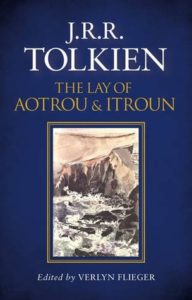
The Lay of Aotrou and Itroun PDF - جون رونالد تولكين
جون رونالد تولكين • روايات فانتازيا • ٨٧ الصفحات
(0)
اقتباس
مراجعة
حفظ
مشاركة
وصف الكتاب
The Lay of Aotrou and Itroun by J. R. R. Tolkien
An Introduction to The Lay of Aotrou and Itroun
The Lay of Aotrou and Itroun is a narrative poem by J. R. R. Tolkien that reveals a lesser-known but deeply atmospheric side of the author best known for The Hobbit and The Lord of the Rings. Written in the style of traditional medieval lays and inspired by Breton folklore, this work reflects Tolkien’s lifelong fascination with myth, legend, and the moral weight of human choices. Rather than focusing on epic quests or sprawling fantasy worlds, this poem centers on a compact but emotionally intense story of love, temptation, and consequence set in a mythic version of medieval Brittany.
For readers searching for Tolkien’s poetic works, early myth-inspired literature, or adaptations of Celtic and Breton legends, The Lay of Aotrou and Itroun offers a rich and contemplative reading experience. It stands as a powerful example of Tolkien’s ability to merge philological depth with narrative poetry, creating a work that feels both ancient and carefully crafted for modern literary appreciation.
Story Overview and Narrative Essence
At its core, The Lay of Aotrou and Itroun follows the story of Lord Aotrou and Lady Itroun, a noble couple who long for an heir. Their desire for children becomes the emotional foundation of the poem, shaping the choices they make and the consequences that follow. When Aotrou seeks a supernatural remedy for their childlessness, he encounters a mysterious and otherworldly female figure often interpreted as a fairy or spirit associated with ancient folklore traditions.
This encounter sets the central conflict of the poem in motion. The supernatural being offers a solution, but it comes at a cost that is not immediately understood. As with many of Tolkien’s morally complex narratives, the story unfolds not through action-heavy sequences but through gradual tension, symbolic encounters, and the unfolding consequences of human decisions.
Itroun, meanwhile, represents patience, devotion, and emotional depth, embodying the human longing for fulfillment while remaining grounded in moral integrity. The poem builds toward a tragic resolution shaped by choices made under pressure, desire, and misunderstanding of forces beyond mortal control.
Rather than presenting a simple moral lesson, Tolkien crafts a layered narrative where fate, free will, and supernatural influence intertwine. The result is a haunting reflection on the limits of human desire and the consequences of crossing boundaries between the natural and supernatural worlds.
Themes and Symbolism in the Poem
One of the most important aspects of The Lay of Aotrou and Itroun is its thematic depth. Like much of Tolkien’s work, it explores the tension between mortal life and the supernatural realm. The fairy-like figure in the poem represents not only temptation but also the unpredictable and often dangerous allure of forces beyond human understanding.
A central theme is desire and consequence. The longing for children drives the narrative forward, but Tolkien does not present this desire as purely negative or positive. Instead, it is portrayed as a deeply human impulse that can lead to both hope and suffering. The poem suggests that even noble intentions can lead to tragic outcomes when they involve bargaining with unknown or powerful forces.
Another significant theme is mortality. Unlike many modern fantasy works that emphasize triumph over adversity, this poem embraces the inevitability of loss and the fragility of human life. Tolkien’s depiction of Aotrou and Itroun reflects a medieval worldview in which fate is both mysterious and inescapable, and moral decisions carry lasting spiritual weight.
The supernatural elements in the story also highlight the boundary between the seen and unseen worlds. The fairy or spirit figure embodies the seductive and dangerous nature of crossing that boundary. In doing so, Tolkien draws on ancient folklore traditions where encounters with otherworldly beings often result in irreversible consequences.
Literary Style and Tolkien’s Poetic Craft
The Lay of Aotrou and Itroun is written in a deliberate, archaic style that reflects Tolkien’s academic background in philology and medieval literature. The rhythm, diction, and structure of the poem are inspired by traditional narrative lays, giving it an old-world quality that feels rooted in oral storytelling traditions.
Tolkien’s use of language is both formal and musical, emphasizing repetition, alliteration, and rhythmic flow. This creates a reading experience that is closer to listening to an ancient tale being recited than reading a modern narrative poem. The style also reinforces the timeless quality of the story, placing it outside a specific historical moment and into a mythic continuum.
Unlike his more widely known prose works, this poem relies heavily on atmosphere and tone rather than detailed world-building. The landscapes, emotions, and supernatural encounters are described in a way that evokes imagery rather than explicit visual detail. This allows readers to engage with the story on an imaginative and interpretive level.
Connection to Tolkien’s Broader Legendarium
While The Lay of Aotrou and Itroun is not directly part of Tolkien’s Middle-earth legendarium, it shares many thematic and stylistic connections with it. The emphasis on fate, the moral consequences of interacting with supernatural beings, and the blending of myth and history are all recurring elements in Tolkien’s broader body of work.
Readers familiar with Tolkien’s mythology will recognize similar philosophical concerns, particularly the idea that power outside the natural order often comes at a spiritual or emotional cost. The poem can therefore be seen as part of Tolkien’s wider exploration of mythic storytelling, even though it stands independently from the narratives of Elves, Hobbits, and the One Ring.
Its connection to Breton and Celtic folklore also highlights Tolkien’s academic interest in European mythological traditions. He often drew inspiration from these sources to construct his fictional worlds, and this poem serves as a more direct engagement with those original cultural materials.
Audience Appeal and Reading Experience
The Lay of Aotrou and Itroun appeals to readers who appreciate literary fantasy, mythological reinterpretation, and poetic storytelling. It is particularly suited for those interested in J. R. R. Tolkien’s lesser-known works and his scholarly engagement with medieval literature.
Unlike fast-paced fantasy novels, this poem demands a slower, more reflective reading approach. Its value lies in its atmosphere, symbolism, and emotional resonance rather than in plot complexity or action. Readers who enjoy literary classics, narrative poetry, or folklore-based stories will find it especially rewarding.
It also appeals to audiences interested in tragic love stories and moral dilemmas. The emotional weight of the narrative, combined with its mythic framework, creates a reading experience that lingers beyond the final lines.
A Timeless Work of Mythic Imagination
Ultimately, The Lay of Aotrou and Itroun stands as a testament to J. R. R. Tolkien’s versatility as a writer. While he is best known for creating expansive fantasy worlds, this poem reveals his mastery of condensed, symbolic storytelling rooted in ancient literary traditions.
It is a work that explores human desire, supernatural consequence, and the fragile boundaries between hope and tragedy. Through its carefully crafted language and myth-inspired narrative, it offers readers a glimpse into the deeper philosophical and literary foundations that shaped Tolkien’s imagination.
For anyone seeking a Tolkien work that goes beyond Middle-earth and into the realm of mythic poetry, The Lay of Aotrou and Itroun remains a compelling and emotionally resonant choice.
جون رونالد تولكين
جون رونالد رويل تولكين هو أحد أبرز الكتّاب في القرن العشرين وأكثرهم تأثيرًا في أدب الفانتازيا الحديث، وقد اشتهر عالميًا بكونه مؤلف ملحمتي “سيد الخواتم” و“الهوبيت”. يُعد تولكين أكاديميًا لغويًا بامتياز قبل أن يكون روائيًا، إذ عمل أستاذًا في جامعة أكسفورد، وتخصص في فقه اللغات واللغات القديمة، وهو ما انعكس بشكل عميق على أعماله الأدبية التي لم تكن مجرد قصص خيالية، بل عوالم متكاملة ذات لغات وتاريخ وأساطير خاصة بها. وُلد تولكين في جنوب أفريقيا عام 1892، ثم انتقل إلى إنجلترا في طفولته بعد وفاة والده، وهناك تشكّلت شخصيته الأدبية والعلمية.
تأثر تولكين منذ صغره بالأساطير الإسكندنافية والأنجلوسكسونية، وبدأ في بناء لغاته الخاصة مثل الكوينيا والسندارين، وهي لغات خيالية متكاملة أصبحت أساس بناء عالم “الأرض الوسطى”. خلال عمله الأكاديمي في أكسفورد، تخصص في دراسة النصوص القديمة مثل “بيوولف”، وكان له دور كبير في إعادة تفسيرها وتقديمها للأجيال الحديثة.
أثناء الحرب العالمية الأولى، خدم تولكين في الجيش البريطاني، وهي تجربة أثرت على رؤيته للعالم والصراع، وانعكست في أعماله التي تتناول موضوعات الخير والشر والصداقة والتضحية. بعد الحرب بدأ في كتابة “الهوبيت” التي نُشرت عام 1937 وحققت نجاحًا كبيرًا، مما شجعه على كتابة عمله الأكبر “سيد الخواتم” الذي نُشر في خمسينيات القرن العشرين وأصبح من أهم الأعمال الأدبية في التاريخ الحديث.
يمتاز أسلوب تولكين بالعمق اللغوي والسرد الملحمي وبناء العالم المتكامل، حيث لم يكتفِ بكتابة قصة، بل خلق حضارة كاملة بتاريخ وجغرافيا ولغات وأعراق متعددة. وقد أثّر بشكل كبير على أدب الفانتازيا المعاصر والسينما والألعاب الإلكترونية.
توفي تولكين عام 1973، لكن إرثه الأدبي ما زال حيًا، وتُعد أعماله مرجعًا أساسيًا لكل من يكتب في أدب الفانتازيا أو يهتم ببناء العوالم الخيالية.
اكسب مكافآت أثناء القراءة!
كل 10 صفحات تقرؤها وتقضى فيها 30 ثانية تمنحك 5 نقاط مكافأة! واصل القراءة لفتح الإنجازات والمزايا الحصرية.
اقرأ
قيم الآن
5 نجوم
4 نجوم
3 نجوم
2 نجوم
1 نجوم
اقتباسات The Lay of Aotrou and Itroun
الأعلى تقييماً
الأحدث
اقتباس
كن أول من يترك اقتباسًا واكسب 10 نقاط
بدلاً من 3
كتب أخرى لـ جون رونالد تولكين
كتب أخرى مشابهة The Lay of Aotrou and Itroun
'%20/%3e%3c/svg%3e "Fantastic Beasts: The Crimes of Grindelwald - the Original Screenplay")
ج. ك. رولينج.
روايات فانتازيا
(0)
7573
الإنجليزية
التعليقات
كن أول من يترك تعليقًا واكسب 5 نقاط
بدلاً من 3