

مصدر الكتاب
تم نشر هذا الكتاب بهدف النفع العام، وذلك بموجب رخصة المشاع الإبداعي، أو بناءً على موافقة من المؤلف أو دار النشر. في حال وجود أي اعتراض على النشر، يُرجى التواصل معنا لنتخذ الإجراء المناسب.
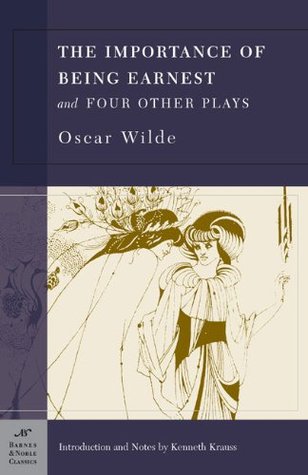
The Importance of Being Earnest and Four Other Plays PDF - أوسكار وايلد
أوسكار وايلد • الفيزياء الكلاسيكية • ٤١٣ الصفحات
(0)
اقتباس
مراجعة
حفظ
مشاركة
وصف الكتاب
The Importance of Being Earnest and Four Other Plays by Oscar Wilde is a celebrated collection that brings together some of the most brilliant examples of late-Victorian theatre. At its heart, this volume showcases Wilde’s unmatched ability to blend sparkling comedy, social criticism, and intellectual satire into plays that remain just as relevant today as when they were first performed. Known for his sharp dialogue, elegant irony, and fearless critique of societal norms, Wilde uses these works to expose the contradictions, pretensions, and hypocrisies of high society while keeping readers and audiences thoroughly entertained.
The collection is best known for its masterpiece, The Importance of Being Earnest, widely regarded as one of the greatest comedic plays ever written in the English language. Alongside it, the volume includes four additional plays that reveal the range of Wilde’s dramatic imagination and his command of theatrical form. Together, these works offer a complete introduction to Wilde’s dramatic world—one where wit becomes a weapon, identity becomes a performance, and social conventions are gently dismantled through humor and irony.
A Masterpiece of Wit and Social Satire
At the center of this collection lies The Importance of Being Earnest, a play that turns mistaken identities, romantic entanglements, and absurd social rituals into a perfectly constructed comedy of manners. The story follows characters who adopt false identities in order to escape social obligations and pursue love more freely. What unfolds is a chain of misunderstandings, witty exchanges, and increasingly ridiculous situations that reveal how fragile and performative social identity can be.
Wilde’s dialogue is famously sharp, filled with epigrams and paradoxes that have become some of the most quoted lines in theatre history. Beneath the humor, however, lies a deeper critique of Victorian values—especially the obsession with respectability, marriage conventions, and class expectations. The play suggests that society itself is built on carefully maintained illusions, and that honesty often takes a back seat to appearances.
The Other Plays in the Collection
While The Importance of Being Earnest is the highlight, the additional plays in this collection provide important insight into Wilde’s broader dramatic themes and artistic development.
One of these works is Lady Windermere’s Fan, a witty exploration of reputation, morality, and misunderstanding within aristocratic society. The play examines how quickly reputation can be shaped or destroyed by rumor, and how rigid moral codes often fail to reflect real human complexity. Through clever plotting and emotionally layered characters, Wilde challenges the audience to reconsider the difference between appearance and truth.
Another included work, A Woman of No Importance, deepens Wilde’s critique of gender roles and social judgment. It explores themes of hypocrisy, forgiveness, and the consequences of past secrets in a society that harshly judges women while excusing male behavior. The play’s emotional undertones are balanced with Wilde’s signature wit, creating a compelling blend of drama and satire.
An Ideal Husband shifts focus to politics, corruption, and personal integrity. It follows a respected politician whose past secret threatens to destroy his career and marriage. Through this narrative, Wilde examines the tension between public image and private morality, raising questions about whether perfection in public life is ever truly possible—or even desirable.
The collection is completed by Salomé (in some editions or related groupings depending on publication), a darker and more symbolic work that departs from Wilde’s comedic style. Written originally in French, it presents a poetic and intense retelling of the biblical story of Salome and John the Baptist. With its lush imagery and tragic tone, it reveals a different side of Wilde’s creativity, one more focused on desire, obsession, and fatal consequence.
Themes That Define Wilde’s Theatre
Across all five plays, certain themes consistently emerge, giving the collection its unity and lasting appeal. One of the most prominent is the idea of social performance—the notion that identity is something constructed rather than inherent. Characters frequently adopt masks, lies, or exaggerated personas in order to navigate society, suggesting that truth is often less influential than appearance.
Another central theme is satire of Victorian society, particularly its rigid class structure and moral hypocrisy. Wilde exposes how social respectability is often maintained through superficial behavior rather than genuine virtue. His characters frequently speak in contradictions that reveal uncomfortable truths beneath polished surfaces.
Love and marriage also play a major role, especially as institutions shaped by social expectation rather than emotional authenticity. Wilde treats romantic relationships not only as personal connections but also as social contracts influenced by wealth, reputation, and family pressure. Through humor, he reveals how love can be both sincere and constrained by external forces.
Why These Plays Remain Relevant Today
The continued popularity of The Importance of Being Earnest and Four Other Plays lies in Wilde’s extraordinary ability to speak to universal human behavior. Even though the settings are rooted in Victorian England, the themes of identity, reputation, and social performance remain deeply familiar in the modern world.
Audiences today still recognize the pressure to present idealized versions of themselves, whether in social settings or digital spaces. Wilde’s insight that people often prioritize appearance over authenticity feels especially contemporary. His plays encourage reflection on how society shapes behavior and how easily truth can be distorted by expectation.
Additionally, Wilde’s humor remains timeless. His wit is not only entertaining but intellectually engaging, offering layers of meaning that reward repeated reading or viewing. Each line often contains dual interpretations—one comedic, one critical—making the plays enjoyable for both casual audiences and literary analysis.
Reading Experience and Literary Value
This collection is particularly valuable for readers who appreciate classic English literature, theatrical comedy, and satirical writing. Wilde’s style is elegant yet accessible, making these plays suitable for both first-time readers of classic drama and experienced literary enthusiasts. The dialogue-driven structure ensures that the plays read almost like modern scripts, with a rhythm that feels alive and engaging even without stage performance.
For students of literature, the collection offers rich material for exploring themes such as irony, symbolism, dramatic structure, and character construction. For general readers, it provides entertainment that is both intelligent and emotionally resonant. Wilde’s ability to combine humor with philosophical depth makes these plays stand out in the canon of English theatre.
A Timeless Collection of Comedy and Critique
The Importance of Being Earnest and Four Other Plays remains one of the most significant collections in dramatic literature, offering a complete view of Oscar Wilde’s theatrical brilliance. From sparkling comedic misunderstandings to deeper reflections on morality and identity, these plays continue to captivate audiences more than a century after they were written.
Through unforgettable characters, sharp dialogue, and enduring themes, Wilde invites readers into a world where society is both celebrated and gently dismantled through laughter. This collection stands as a testament to the power of wit as a form of critique and to the enduring relevance of theatre that dares to question the world it reflects.
أوسكار وايلد
كان أوسكار وايلد (1854-1900) كاتبًا مسرحيًا وشاعرًا وروائيًا أيرلنديًا يُنظر إليه على نطاق واسع على أنه أحد أعظم كتاب العصر الفيكتوري. ولد في دبلن بأيرلندا وتلقى تعليمه في كلية ترينيتي في دبلن وكلية ماجدالين في أكسفورد. كان وايلد شخصية بارزة في المجتمع الفيكتوري ، ومعروفًا بالذكاء والروح والشذوذ الجنسي ، والتي كانت تعتبر فيما بعد جريمة.
بدأت مسيرة وايلد الأدبية في ثمانينيات القرن التاسع عشر ، عندما اكتسب شعبية من خلال مسرحياته الكوميدية ، بما في ذلك "مروحة السيدة ويندرمير" و "امرأة بلا أهمية" و "أهمية أن تكون جادًا". اشتهرت هذه المسرحيات بالتلاعب بالألفاظ والتعليق الاجتماعي والتصوير الساخر للمجتمع الفيكتوري.
بالإضافة إلى مسرحياته ، كتب وايلد أيضًا روايات ، بما في ذلك "صورة دوريان جراي" ، والتي تحكي قصة شاب جميل أبرم ميثاقًا فاوستيًا ليظل شابًا وجميلًا بينما تتقدم صورته في السن وتصبح قبيحة. أثارت الرواية جدلاً عندما نُشرت لأول مرة في عام 1890 بسبب موضوعاتها المنحطة ونغماتها المثلية.
على الرغم من نجاحه الأدبي ، كانت حياة وايلد الشخصية صاخبة. في عام 1895 ، أدين بتهمة العلاقات الجنسية المثلية وحكم عليه بالسجن لمدة عامين مع الأشغال الشاقة. دمرت المحاكمة والسجن اللاحق سمعته وصحته ، وتوفي في باريس عام 1900 ، عن عمر يناهز 46 عامًا.
يعيش إرث وايلد من خلال أعماله ، التي لا تزال تحتفل بذكائها وروح الدعابة والتعليق الاجتماعي. أثرت كتاباته على أجيال من الكتاب ، ومازالت مسرحياته تؤدّى وتتكيف مع السينما والتلفزيون. اليوم ، لا يُذكر وايلد باعتباره كاتبًا عظيمًا فحسب ، بل أيضًا كرمز للمقاومة ضد الأخلاق الفيكتورية والنفاق.
اكسب مكافآت أثناء القراءة!
كل 10 صفحات تقرؤها وتقضى فيها 30 ثانية تمنحك 5 نقاط مكافأة! واصل القراءة لفتح الإنجازات والمزايا الحصرية.
اقرأ
قيم الآن
5 نجوم
4 نجوم
3 نجوم
2 نجوم
1 نجوم
اقتباسات The Importance of Being Earnest and Four Other Plays
الأعلى تقييماً
الأحدث
اقتباس
كن أول من يترك اقتباسًا واكسب 10 نقاط
بدلاً من 3
كتب أخرى لـ أوسكار وايلد
كتب أخرى مشابهة The Importance of Being Earnest and Four Other Plays
'%20/%3e%3c/svg%3e "Student Solutions Manual and Study Guide for SERWAY")
4316
الإنجليزية
2275
الإنجليزية
2278
الإنجليزية
التعليقات
كن أول من يترك تعليقًا واكسب 5 نقاط
بدلاً من 3