

مصدر الكتاب
تم نشر هذا الكتاب بهدف النفع العام، وذلك بموجب رخصة المشاع الإبداعي، أو بناءً على موافقة من المؤلف أو دار النشر. في حال وجود أي اعتراض على النشر، يُرجى التواصل معنا لنتخذ الإجراء المناسب.
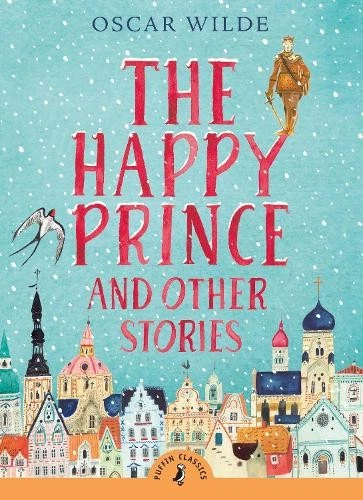
The Happy Prince and Other Tales PDF - أوسكار وايلد
أوسكار وايلد • أدب • ٥٣ الصفحات
(0)
اقتباس
مراجعة
حفظ
مشاركة
وصف الكتاب
The Happy Prince and Other Tales is one of the most cherished works in classic English literature, written by the celebrated Irish writer and poet Oscar Wilde. First published in 1888, this elegant collection brings together a series of fairy tales that blend emotional depth, symbolic storytelling, and moral reflection. Although often categorized as children’s literature, the stories carry a powerful dual appeal: they enchant younger readers with their simplicity and imagination while offering adults profound philosophical and emotional insight.
This collection includes some of Wilde’s most famous tales, such as The Happy Prince, The Nightingale and the Rose, The Selfish Giant, and The Devoted Friend. Each story is crafted with poetic language and layered meaning, exploring themes of love, sacrifice, beauty, selfishness, and redemption. Through these narratives, Wilde transforms simple fairy tale structures into deeply moving moral allegories that remain relevant across generations.
A Collection of Fairy Tales with a Deeper Purpose
At first glance, The Happy Prince and Other Tales appears to be a series of traditional fairy stories filled with talking animals, magical elements, and symbolic characters. However, beneath their surface simplicity lies a carefully constructed critique of society, human behavior, and emotional indifference.
In the title story, The Happy Prince, a gilded statue watches over a city and enlists a swallow to help him distribute his gold and jewels to the poor. This tale becomes a powerful meditation on compassion, sacrifice, and the hidden suffering behind outward beauty. It reflects Wilde’s belief that true value is found not in appearance or wealth, but in empathy and selflessness.
Similarly, The Nightingale and the Rose explores the tragic intensity of love and artistic sacrifice. A nightingale gives its life to create a red rose for a student who believes the flower will win him love, only to reveal the painful contrast between idealized emotion and human superficiality. This story is often interpreted as a critique of romantic idealism and the fragile nature of human desire.
Major Themes: Beauty, Sacrifice, and Social Critique
One of the defining strengths of this collection is its exploration of universal themes that continue to resonate with modern readers. Wilde uses simple narrative forms to address complex emotional and philosophical ideas.
Compassion and Sacrifice
Many stories in the collection highlight the idea that true goodness requires sacrifice. Characters such as the Happy Prince and the nightingale willingly give up their beauty, wealth, or even life itself to help others. This recurring motif emphasizes Wilde’s belief in selfless love as the highest form of human virtue.
Critique of Materialism and Social Inequality
Wilde subtly critiques Victorian society’s obsession with wealth, status, and superficial appearances. The suffering of the poor in The Happy Prince contrasts sharply with the indifference of the wealthy elite. Through fairy tale symbolism, Wilde exposes the moral emptiness of a society that values gold more than human life.
The Nature of Love and Beauty
Love in Wilde’s stories is often idealized yet tragic. Whether it is romantic love in The Nightingale and the Rose or friendship and loyalty in The Devoted Friend, Wilde explores how love can be both inspiring and destructive depending on how it is understood and practiced.
Innocence and Moral Awakening
Several stories, including The Selfish Giant, focus on transformation and redemption. The Giant’s journey from selfish isolation to compassionate awareness illustrates Wilde’s recurring belief that innocence and kindness are central to spiritual awakening.
Literary Style: Poetry in Prose
One of the most striking features of The Happy Prince and Other Tales is Wilde’s lyrical and highly stylized prose. His background as a poet is evident in every sentence, with carefully crafted rhythms, vivid imagery, and symbolic language. Even in translation, the elegance of his storytelling remains clear.
Wilde’s use of fairy tale structure allows him to communicate moral ideas without overt preaching. Instead of directly instructing the reader, he builds emotionally charged narratives that naturally lead to reflection. This subtlety is one reason the collection continues to be widely studied in literature courses and enjoyed by general readers alike.
The stories also demonstrate Wilde’s mastery of irony. Often, characters who appear wise or powerful are revealed to be blind to deeper truths, while humble or marginalized figures embody genuine wisdom. This inversion of expectations adds depth and complexity to the seemingly simple tales.
Why This Collection Remains Important Today
Despite being written in the late 19th century, The Happy Prince and Other Tales continues to feel remarkably modern. Its exploration of inequality, emotional alienation, and moral responsibility speaks directly to contemporary readers.
In a world still shaped by social division and material pursuit, Wilde’s stories serve as a reminder of the importance of empathy and human connection. The emotional weight of the narratives encourages readers to reflect on how they perceive beauty, value, and success in their own lives.
For readers seeking classic literature that is both accessible and meaningful, this collection offers an ideal entry point into Wilde’s work. It bridges the gap between children’s storytelling and philosophical literature, making it suitable for a wide audience, including students, educators, and lovers of timeless fiction.
Audience and Reading Experience
This collection is particularly appealing to readers who enjoy classic fairy tales, moral fiction, Victorian literature, and symbolic storytelling. It is often recommended in academic settings due to its rich thematic content and clear narrative structure, but it also works beautifully as personal reading for reflection and enjoyment.
Younger readers may be drawn to the magical and emotional storytelling, while older readers are likely to appreciate the deeper commentary on society and human nature. The dual-layered storytelling ensures that each reading can reveal new interpretations depending on the reader’s age and perspective.
The Enduring Legacy of Oscar Wilde’s Fairy Tales
Through this collection, Oscar Wilde established himself not only as a master of wit and social satire but also as a profound storyteller capable of expressing deep emotional truths through simplicity. The Happy Prince and Other Tales remains a cornerstone of his literary legacy, showcasing his ability to merge beauty with meaning and imagination with moral reflection.
The stories continue to be adapted, studied, and cherished worldwide, proving their lasting relevance in global literature. Their emotional depth, poetic language, and universal themes ensure that they remain as powerful today as they were over a century ago.
A Timeless Invitation to Reflect and Feel
The Happy Prince and Other Tales is more than a collection of fairy tales—it is an invitation to see the world through a lens of compassion, beauty, and moral awareness. Oscar Wilde’s storytelling encourages readers to look beyond appearances and recognize the unseen struggles and sacrifices that define human existence.
Whether read as a literary classic, a moral fable collection, or a poetic reflection on society, this book continues to inspire empathy and introspection. Its timeless messages ensure that every generation can find something meaningful within its pages, making it one of the most enduring works in English literature.
أوسكار وايلد
كان أوسكار وايلد (1854-1900) كاتبًا مسرحيًا وشاعرًا وروائيًا أيرلنديًا يُنظر إليه على نطاق واسع على أنه أحد أعظم كتاب العصر الفيكتوري. ولد في دبلن بأيرلندا وتلقى تعليمه في كلية ترينيتي في دبلن وكلية ماجدالين في أكسفورد. كان وايلد شخصية بارزة في المجتمع الفيكتوري ، ومعروفًا بالذكاء والروح والشذوذ الجنسي ، والتي كانت تعتبر فيما بعد جريمة.
بدأت مسيرة وايلد الأدبية في ثمانينيات القرن التاسع عشر ، عندما اكتسب شعبية من خلال مسرحياته الكوميدية ، بما في ذلك "مروحة السيدة ويندرمير" و "امرأة بلا أهمية" و "أهمية أن تكون جادًا". اشتهرت هذه المسرحيات بالتلاعب بالألفاظ والتعليق الاجتماعي والتصوير الساخر للمجتمع الفيكتوري.
بالإضافة إلى مسرحياته ، كتب وايلد أيضًا روايات ، بما في ذلك "صورة دوريان جراي" ، والتي تحكي قصة شاب جميل أبرم ميثاقًا فاوستيًا ليظل شابًا وجميلًا بينما تتقدم صورته في السن وتصبح قبيحة. أثارت الرواية جدلاً عندما نُشرت لأول مرة في عام 1890 بسبب موضوعاتها المنحطة ونغماتها المثلية.
على الرغم من نجاحه الأدبي ، كانت حياة وايلد الشخصية صاخبة. في عام 1895 ، أدين بتهمة العلاقات الجنسية المثلية وحكم عليه بالسجن لمدة عامين مع الأشغال الشاقة. دمرت المحاكمة والسجن اللاحق سمعته وصحته ، وتوفي في باريس عام 1900 ، عن عمر يناهز 46 عامًا.
يعيش إرث وايلد من خلال أعماله ، التي لا تزال تحتفل بذكائها وروح الدعابة والتعليق الاجتماعي. أثرت كتاباته على أجيال من الكتاب ، ومازالت مسرحياته تؤدّى وتتكيف مع السينما والتلفزيون. اليوم ، لا يُذكر وايلد باعتباره كاتبًا عظيمًا فحسب ، بل أيضًا كرمز للمقاومة ضد الأخلاق الفيكتورية والنفاق.
اكسب مكافآت أثناء القراءة!
كل 10 صفحات تقرؤها وتقضى فيها 30 ثانية تمنحك 5 نقاط مكافأة! واصل القراءة لفتح الإنجازات والمزايا الحصرية.
اقرأ
قيم الآن
5 نجوم
4 نجوم
3 نجوم
2 نجوم
1 نجوم
اقتباسات The Happy Prince and Other Tales
الأعلى تقييماً
الأحدث
اقتباس
كن أول من يترك اقتباسًا واكسب 10 نقاط
بدلاً من 3
'%20/%3e%3c/svg%3e "A Florentine Tragedy")
التعليقات
كن أول من يترك تعليقًا واكسب 5 نقاط
بدلاً من 3