

مصدر الكتاب
تم نشر هذا الكتاب بهدف النفع العام، وذلك بموجب رخصة المشاع الإبداعي، أو بناءً على موافقة من المؤلف أو دار النشر. في حال وجود أي اعتراض على النشر، يُرجى التواصل معنا لنتخذ الإجراء المناسب.
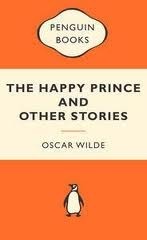
The Happy Prince and other stories Puffin Classics PDF - أوسكار وايلد
أوسكار وايلد • روايات فانتازيا • ١٧٨ الصفحات
(0)
اقتباس
مراجعة
حفظ
مشاركة
وصف الكتاب
The Happy Prince and Other Stories by The Happy Prince and Other Stories is one of the most beloved collections in classic English literature, written by the legendary Irish author Oscar Wilde. First published in 1888, this timeless anthology brings together a series of beautifully crafted moral fairy tales that blend elegance, emotion, and sharp social observation. Although often categorized as children’s literature, these stories carry profound philosophical depth, making them equally meaningful for adult readers who appreciate symbolic storytelling and literary richness.
This collection includes some of Wilde’s most famous short stories, such as The Happy Prince, The Selfish Giant, The Nightingale and the Rose, and The Devoted Friend. Each story is written with Wilde’s signature wit, lyrical prose, and deep sensitivity to human nature. At its core, the book explores themes of compassion, sacrifice, love, beauty, and social inequality, wrapped in allegorical narratives that remain relevant across generations.
A Collection of Timeless Moral Fairy Tales
The brilliance of The Happy Prince and Other Stories lies in its ability to transform simple fairy-tale structures into emotionally powerful moral reflections. The title story, The Happy Prince, follows a gilded statue who, despite his luxurious appearance, becomes deeply aware of human suffering only after his death. With the help of a small swallow, he begins to distribute his riches to the poor, revealing Wilde’s deep concern for social injustice and empathy.
In The Selfish Giant, Wilde presents a moving tale about redemption and the spiritual consequences of selfishness. A giant who refuses to share his beautiful garden with children eventually learns the value of love and generosity. The story’s emotional progression reflects Wilde’s belief in the transformative power of kindness.
The Nightingale and the Rose offers a tragic yet poetic exploration of romantic idealism and sacrifice. A nightingale gives its life to create a rose for a young student in love, only for the gift to be rejected. This story is often interpreted as a critique of superficial love and human insensitivity toward true emotional depth.
Meanwhile, The Devoted Friend uses satire to expose hypocrisy and exploitation disguised as friendship. Through a layered narrative, Wilde critiques selfish behavior and the misuse of emotional trust.
Themes of Compassion, Beauty, and Social Critique
One of the defining strengths of this collection is its rich thematic structure. Wilde explores compassion and sacrifice as central moral forces that elevate the human spirit. Many characters in the stories achieve moral clarity only through suffering or selfless action, reflecting Wilde’s belief that empathy is essential to true humanity.
Another dominant theme is the contrast between external beauty and internal virtue. The Happy Prince is physically beautiful but only truly understands suffering when he becomes emotionally awakened. Similarly, the Nightingale’s sacrifice highlights the difference between symbolic beauty and lived emotional truth.
Wilde also weaves a subtle yet powerful critique of social inequality and class division. The suffering of the poor, the indifference of the wealthy, and the moral blindness of society are recurring motifs throughout the collection. Even though the stories are framed as fairy tales, their emotional foundation is deeply rooted in real-world social observation.
Oscar Wilde’s Literary Style and Artistic Vision
The writing style of Oscar Wilde is one of the most distinctive aspects of this collection. His prose is lyrical, polished, and often poetic, creating a dreamlike reading experience that blends fantasy with moral realism. Wilde’s use of symbolism allows each story to function on multiple levels: as a simple narrative for younger readers and as a philosophical allegory for more mature audiences.
Wilde’s dialogue and narrative voice also reflect his mastery of contrast. He often juxtaposes innocence with cruelty, beauty with suffering, and generosity with selfishness. This technique enhances the emotional impact of each story and encourages readers to reflect deeply on human behavior.
Another hallmark of Wilde’s style is his subtle use of irony. Even in emotionally tragic moments, there is often a quiet undercurrent of critique directed at societal norms, materialism, or emotional superficiality. This balance of beauty and irony gives the collection its enduring literary appeal.
Why This Book Remains Relevant Today
Despite being written in the late 19th century, The Happy Prince and Other Stories continues to resonate strongly with modern readers. Its exploration of empathy, kindness, and moral responsibility aligns closely with contemporary discussions about social justice and emotional intelligence.
In an age where material success is often prioritized, Wilde’s stories serve as a reminder of the importance of compassion and human connection. The emotional sacrifices depicted in the tales encourage readers to reflect on their own values and relationships, making the collection both timeless and universally relatable.
For students of English literature, this book is also an essential introduction to allegory, symbolism, and Victorian storytelling traditions. Its accessible language combined with profound meaning makes it a frequent choice in academic curricula worldwide.
Reader Experience and Emotional Impact
Reading The Happy Prince and Other Stories is often an emotionally immersive experience. The stories are short but deeply impactful, leaving a lasting impression long after they are finished. Readers are frequently moved by the emotional depth of the characters and the moral weight of their decisions.
Children may enjoy the fairy-tale structure, animals, and magical elements, while adult readers are more likely to appreciate the philosophical undertones and social commentary. This dual-layered storytelling is one of the reasons the collection has remained popular for more than a century.
The emotional tone of the book shifts between sorrow, beauty, and hope. While many stories contain tragic elements, they ultimately emphasize moral awakening and the possibility of spiritual transformation. This balance makes the collection both thought-provoking and emotionally rewarding.
A Classic That Transcends Generations
The Happy Prince and Other Stories stands as one of the most important works in classic English literature due to its emotional depth, symbolic richness, and timeless moral insight. Through simple yet powerful narratives, Oscar Wilde captures the essence of human compassion and the complexity of moral choice.
The collection continues to be widely read, studied, and adapted across cultures, proving its enduring relevance in both literary and educational contexts. Whether approached as a work of children’s storytelling or as a philosophical reflection on human nature, it remains a masterpiece that speaks to readers of all ages.
Ultimately, this book is not just a collection of fairy tales—it is a meditation on kindness, sacrifice, and the quiet power of empathy in a world often driven by material values.
أوسكار وايلد
كان أوسكار وايلد (1854-1900) كاتبًا مسرحيًا وشاعرًا وروائيًا أيرلنديًا يُنظر إليه على نطاق واسع على أنه أحد أعظم كتاب العصر الفيكتوري. ولد في دبلن بأيرلندا وتلقى تعليمه في كلية ترينيتي في دبلن وكلية ماجدالين في أكسفورد. كان وايلد شخصية بارزة في المجتمع الفيكتوري ، ومعروفًا بالذكاء والروح والشذوذ الجنسي ، والتي كانت تعتبر فيما بعد جريمة.
بدأت مسيرة وايلد الأدبية في ثمانينيات القرن التاسع عشر ، عندما اكتسب شعبية من خلال مسرحياته الكوميدية ، بما في ذلك "مروحة السيدة ويندرمير" و "امرأة بلا أهمية" و "أهمية أن تكون جادًا". اشتهرت هذه المسرحيات بالتلاعب بالألفاظ والتعليق الاجتماعي والتصوير الساخر للمجتمع الفيكتوري.
بالإضافة إلى مسرحياته ، كتب وايلد أيضًا روايات ، بما في ذلك "صورة دوريان جراي" ، والتي تحكي قصة شاب جميل أبرم ميثاقًا فاوستيًا ليظل شابًا وجميلًا بينما تتقدم صورته في السن وتصبح قبيحة. أثارت الرواية جدلاً عندما نُشرت لأول مرة في عام 1890 بسبب موضوعاتها المنحطة ونغماتها المثلية.
على الرغم من نجاحه الأدبي ، كانت حياة وايلد الشخصية صاخبة. في عام 1895 ، أدين بتهمة العلاقات الجنسية المثلية وحكم عليه بالسجن لمدة عامين مع الأشغال الشاقة. دمرت المحاكمة والسجن اللاحق سمعته وصحته ، وتوفي في باريس عام 1900 ، عن عمر يناهز 46 عامًا.
يعيش إرث وايلد من خلال أعماله ، التي لا تزال تحتفل بذكائها وروح الدعابة والتعليق الاجتماعي. أثرت كتاباته على أجيال من الكتاب ، ومازالت مسرحياته تؤدّى وتتكيف مع السينما والتلفزيون. اليوم ، لا يُذكر وايلد باعتباره كاتبًا عظيمًا فحسب ، بل أيضًا كرمز للمقاومة ضد الأخلاق الفيكتورية والنفاق.
اكسب مكافآت أثناء القراءة!
كل 10 صفحات تقرؤها وتقضى فيها 30 ثانية تمنحك 5 نقاط مكافأة! واصل القراءة لفتح الإنجازات والمزايا الحصرية.
اقرأ
قيم الآن
5 نجوم
4 نجوم
3 نجوم
2 نجوم
1 نجوم
اقتباسات The Happy Prince and other stories Puffin Classics
الأعلى تقييماً
الأحدث
اقتباس
كن أول من يترك اقتباسًا واكسب 10 نقاط
بدلاً من 3
كتب أخرى لـ أوسكار وايلد
كتب أخرى مشابهة The Happy Prince and other stories Puffin Classics
'%20/%3e%3c/svg%3e "Fantastic Beasts: The Crimes of Grindelwald - the Original Screenplay")
ج. ك. رولينج.
روايات فانتازيا
(0)
7574
الإنجليزية
التعليقات
كن أول من يترك تعليقًا واكسب 5 نقاط
بدلاً من 3