

مصدر الكتاب
تم نشر هذا الكتاب بهدف النفع العام، وذلك بموجب رخصة المشاع الإبداعي، أو بناءً على موافقة من المؤلف أو دار النشر. في حال وجود أي اعتراض على النشر، يُرجى التواصل معنا لنتخذ الإجراء المناسب.
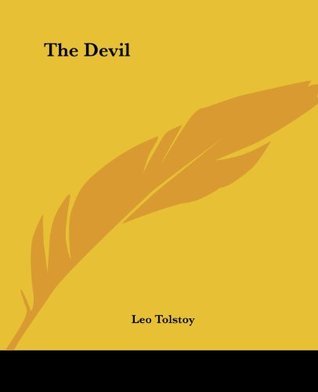
The Devil PDF - ليو تولستوي
ليو تولستوي • قصص قصيرة • ٥٦ الصفحات
(0)
اقتباس
مراجعة
حفظ
مشاركة
وصف الكتاب
The Devil by Leo Tolstoy: A Classic Novella of Desire, Guilt, and Moral Conflict
The Devil by Leo Tolstoy is a powerful work of classic Russian literature that explores the dangerous tension between outward respectability and hidden desire. Compact, intense, and psychologically sharp, this novella shows Tolstoy at his most morally searching, turning a private crisis into a profound examination of temptation, conscience, marriage, class, and the divided human soul. For readers who admire Leo Tolstoy’s psychological fiction, this book offers a concentrated and unsettling portrait of a man who appears to possess everything needed for a stable life, yet finds himself threatened by impulses he cannot fully understand or control.
At the center of The Devil is Eugene Irtenev, a young landowner whose life seems to be moving toward order, prosperity, and social acceptance. After inheriting an estate burdened by practical and financial responsibilities, he attempts to become a serious master of his property and a respectable member of society. Yet beneath the surface of duty and self-discipline lies a powerful inner conflict. Tolstoy presents Eugene not as a simple villain, but as a deeply flawed human being whose moral weakness grows more frightening because it is familiar, ordinary, and psychologically believable.
A Psychological Study of Temptation and Self-Deception
One of the most compelling aspects of The Devil by Leo Tolstoy is its exploration of temptation as an inner force rather than a purely external danger. The title does not point only to a person or event; it suggests the way desire can become a destructive presence within the mind. Tolstoy follows Eugene’s thoughts with remarkable precision, showing how rationalization, memory, pride, shame, and longing gradually create a crisis that becomes harder to escape.
This makes The Devil a striking example of psychological realism. Tolstoy does not rely on dramatic exaggeration to create tension. Instead, he reveals how a man can be destroyed by small compromises, private fantasies, and the refusal to confront the truth about himself. The novella’s power lies in its ability to make moral conflict feel immediate and personal. Readers are drawn into Eugene’s inner world, where every attempt at self-control is shadowed by self-deception, and every appearance of normal life conceals a deeper struggle.
Marriage, Respectability, and the Hidden Life of the Soul
Tolstoy’s treatment of marriage in The Devil is deeply connected to his broader interest in family, sexuality, and moral responsibility. Like several of his later works, the novella questions whether social respectability is enough to create a truly ethical life. Eugene may appear to fulfill the expected role of husband, landowner, and gentleman, but Tolstoy asks whether external order has any value when the inner life remains divided and unresolved.
The book is especially effective because it contrasts domestic peace with psychological unrest. The home, the estate, and the structure of marriage all seem to promise stability, yet Eugene’s unresolved desire threatens to turn these symbols of order into sources of pressure and guilt. Through this contrast, Tolstoy creates a story that feels both intimate and universal. The Devil is not only about one man’s temptation; it is about the human tendency to confuse public virtue with private honesty.
A Dark and Focused Work of Russian Realism
Readers searching for classic Russian fiction, Tolstoy short novels, or moral and philosophical literature will find The Devil especially rewarding. Unlike the vast social landscapes of War and Peace or Anna Karenina, this novella works through compression. Its world is smaller, but its emotional and ethical pressure is intense. Tolstoy focuses closely on a limited set of relationships and circumstances, allowing the reader to experience the full weight of Eugene’s internal conflict.
The rural Russian setting also gives the story an important social dimension. Questions of class, gender, power, and responsibility are woven into the narrative without turning it into a simple social argument. Eugene’s position as a landowner shapes the choices available to him, while the women around him are affected by social expectations that he often fails to examine honestly. In this way, The Devil becomes not only a story of desire, but also a critique of the privileges and blind spots that allow moral failure to hide behind convention.
Why The Devil Still Feels Disturbingly Modern
Although The Devil belongs to the world of nineteenth-century Russian literature, its emotional force remains strikingly modern. Tolstoy writes about obsession, guilt, repression, and the conflict between identity and impulse in a way that continues to speak to contemporary readers. Eugene’s struggle is rooted in his time and society, but the questions the novella raises are timeless: How well do people know themselves? Can a person build a good life while concealing the truth? What happens when desire becomes stronger than conscience?
This continuing relevance makes The Devil by Leo Tolstoy a valuable choice for readers interested in classic psychological fiction, literary studies, Russian realism, and stories about moral crisis. It is a short work, but it leaves a lasting impression because Tolstoy refuses to offer easy comfort. The novella examines the frightening gap between what people believe they are and what they may become when tested by temptation.
For Readers of Tolstoy, Dostoevsky, and Moral Fiction
The Devil will appeal to readers who appreciate literature that explores the darker corners of human consciousness. Those who enjoy Tolstoy’s ability to combine social observation with spiritual and moral inquiry will find this novella especially memorable. It may also interest readers of Fyodor Dostoevsky, Ivan Turgenev, and other major writers of Russian classic literature, particularly those drawn to fiction about guilt, desire, conscience, and psychological breakdown.
The novella is also a strong entry point for readers who want to experience Tolstoy beyond his longest and most famous novels. Its shorter length makes it accessible, while its themes are rich enough for discussion, reflection, and rereading. Whether approached as a work of classic literature, a study of temptation, or a disturbing portrait of moral collapse, The Devil shows Tolstoy’s extraordinary ability to turn inner conflict into unforgettable fiction.
A Concise Classic with Lasting Moral Power
The Devil by Leo Tolstoy is a tense, serious, and unforgettable novella about the struggle between desire and conscience. With its careful psychological detail, moral intensity, and elegant realism, it captures the tragedy of a man who cannot escape the consequences of his own divided nature. Tolstoy’s storytelling remains calm and controlled, yet the emotional pressure grows steadily, making the book both absorbing and deeply unsettling.
For readers looking for a short classic by Leo Tolstoy, a profound work of Russian psychological fiction, or a literary exploration of temptation, guilt, marriage, and self-deception, The Devil offers a compact but powerful reading experience. It is a book that asks difficult questions about human weakness and moral responsibility, and it continues to resonate because it understands that the most dangerous conflicts are often the ones hidden within the self.
ليو تولستوي
ليو تولستوي هو أحد أعظم الروائيين والمفكرين في تاريخ الأدب العالمي، وكاتب روسي ارتبط اسمه بالرواية الواقعية الكبرى وبالأسئلة الأخلاقية والروحية التي تتجاوز حدود الزمن واللغة. وُلِد في أسرة أرستقراطية روسية، ونشأ في بيئة ريفية كان لها أثر عميق في خياله الأدبي ونظرته إلى الإنسان والطبيعة والعمل والحياة البسيطة. لم يكن تولستوي مجرد مؤلف روايات طويلة، بل كان صاحب مشروع إنساني واسع حاول من خلاله فهم معنى الوجود، ومصدر الخير، وحدود السلطة، وعلاقة الفرد بالمجتمع، وقيمة الضمير في مواجهة العنف والحرب والزيف الاجتماعي. اشتهر عالميا بروايتيه الكبيرتين «الحرب والسلام» و«آنا كارنينا»، وهما عملان يعدان من قمم الأدب العالمي، لأنهما يجمعان بين السرد الواسع، والتحليل النفسي العميق، وتصوير الحياة العائلية والاجتماعية، والتأمل في التاريخ والمصير الإنساني. في «الحرب والسلام» قدّم تولستوي صورة بانورامية للمجتمع الروسي في زمن الحروب النابليونية، ولم يكتف بوصف المعارك والسياسة، بل ركز على الإنسان العادي داخل الأحداث الكبرى، وعلى الطريقة التي تتشكل بها القرارات التاريخية من تداخل آلاف الإرادات والمصادفات. أما في «آنا كارنينا» فقد بلغ ذروة نادرة في تصوير العاطفة، والزواج، والخيانة، والغيرة، والضغط الاجتماعي، وصراع المرأة والرجل مع القيم السائدة والرغبة في حياة صادقة. يتميز أسلوب تولستوي بالوضوح والقوة والاتساع، فهو يكتب عن التفاصيل اليومية كما لو كانت مفاتيح لفهم الروح البشرية، ويمنح شخصياته حياة داخلية معقدة تجعل القارئ يشعر بأنها كائنات حقيقية لا مجرد أدوات في حبكة روائية. تظهر في أعماله موضوعات متكررة مثل البحث عن الحقيقة، ونقد الامتياز الطبقي، والتعاطف مع الفلاحين، والقلق من العنف، والإيمان بالبساطة، ورفض النفاق، والسعي إلى إصلاح الذات قبل إصلاح العالم. وفي مراحل لاحقة من حياته اتجه تولستوي بقوة إلى التفكير الديني والأخلاقي، فكتب نصوصا مؤثرة عن اللاعنف، والمقاومة السلمية، والزهد، ومعنى المسيحية العملية، وأثر ذلك في مفكرين وحركات اجتماعية حول العالم. إن مكانة تولستوي لا تقوم فقط على ضخامة أعماله أو شهرتها، بل على قدرته النادرة على الجمع بين الرواية والفلسفة، وبين العاطفة والتحليل، وبين جمال السرد وقسوة السؤال الأخلاقي. لذلك بقي اسمه حاضرا في قوائم أعظم الكتّاب، وتُقرأ أعماله في الجامعات والمكتبات ودور النشر بوصفها نصوصا مؤسسة في فهم الرواية الحديثة. ومن يقرأ تولستوي يجد أمامه كاتبا يرى أن الأدب ليس تسلية عابرة، بل وسيلة لكشف الإنسان أمام نفسه، وإعادة طرح الأسئلة الكبرى عن الحب، والموت، والأسرة، والإيمان، والحرب، والحرية، والعدالة. لقد ترك ليو تولستوي إرثا أدبيا وفكريا لا يزال مؤثرا في القراء والروائيين والباحثين، لأن كتابته تمنح العالم صورة واسعة ومؤلمة وجميلة عن الإنسان في ضعفه وقوته، وفي تناقضه ورغبته الدائمة في الخلاص والمعنى.
اكسب مكافآت أثناء القراءة!
كل 10 صفحات تقرؤها وتقضى فيها 30 ثانية تمنحك 5 نقاط مكافأة! واصل القراءة لفتح الإنجازات والمزايا الحصرية.
اقرأ
قيم الآن
5 نجوم
4 نجوم
3 نجوم
2 نجوم
1 نجوم
اقتباسات The Devil
الأعلى تقييماً
الأحدث
اقتباس
كن أول من يترك اقتباسًا واكسب 10 نقاط
بدلاً من 3
'%20/%3e%3c/svg%3e "War and Peace")
التعليقات
كن أول من يترك تعليقًا واكسب 5 نقاط
بدلاً من 3