

مصدر الكتاب
تم نشر هذا الكتاب بهدف النفع العام، وذلك بموجب رخصة المشاع الإبداعي، أو بناءً على موافقة من المؤلف أو دار النشر. في حال وجود أي اعتراض على النشر، يُرجى التواصل معنا لنتخذ الإجراء المناسب.
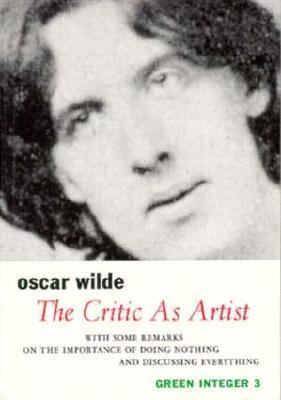
The Critic as Artist PDF - أوسكار وايلد
أوسكار وايلد • أدب • ٥١٨ الصفحات
(0)
اقتباس
مراجعة
حفظ
مشاركة
وصف الكتاب
The Critic as Artist is one of the most intellectually rich and provocative essays in the celebrated collection Intentions by the Irish writer and playwright Oscar Wilde. Written in the late Victorian period, this work takes the form of a philosophical dialogue between two characters, Gilbert and Ernest, as they explore the nature of criticism, creativity, and the role of the artist in society. Rather than offering a conventional essay, Wilde transforms literary criticism itself into an art form, blending wit, paradox, and aesthetic theory into a seamless and engaging conversation.
At its core, the text challenges traditional assumptions about art and interpretation. Instead of treating criticism as a secondary or inferior activity, Wilde elevates it to the level of creative expression. In doing so, he reshapes the boundaries between the creator and the interpreter, suggesting that the critic is not merely a passive observer but an active participant in the creation of meaning.
Oscar Wilde and the Aesthetic Philosophy Behind the Work
Oscar Wilde was one of the most influential voices of the Aesthetic Movement, a late 19th-century cultural current that promoted the idea of “art for art’s sake.” His writing consistently challenges moralistic readings of art and instead emphasizes beauty, style, and intellectual pleasure as the highest artistic values.
In The Critic as Artist, Wilde expands this philosophy into the realm of criticism. He argues that the most profound form of criticism does not judge art by external moral or social standards, but instead engages with it creatively, transforming it through interpretation. This idea was radical in its time, as Victorian criticism often focused on moral instruction, realism, and didactic value.
Wilde’s dialogue form allows him to dramatize competing perspectives, but ultimately it becomes a vehicle for asserting that criticism itself is a form of artistic creation—sometimes even superior to original production in its intellectual depth.
The Central Dialogue: Gilbert and Ernest
The structure of the essay is built around a conversation between Gilbert and Ernest, two voices representing different stages of understanding. Ernest initially holds a more conventional view of criticism, seeing it as secondary to artistic creation. Gilbert, however, gradually persuades him otherwise, unfolding Wilde’s philosophy through eloquent paradoxes and layered reasoning.
This dialogue format is essential to the work’s impact. Rather than presenting rigid arguments, Wilde allows ideas to evolve organically through conversation. The result is a fluid exploration of aesthetics that mirrors the very creativity it describes. The reader is invited not only to follow the argument but to participate in the intellectual play of ideas.
Criticism as a Creative Act
One of the most important ideas in The Critic as Artist is that criticism is not merely interpretive but generative. Wilde suggests that when a critic engages deeply with a work of art, they inevitably reshape it in their mind, producing new meanings, associations, and emotional responses. In this sense, criticism becomes an act of creation.
Rather than diminishing the original artwork, this process enriches it. A single painting, poem, or novel can give rise to countless interpretations, each reflecting the sensibility of the critic. Wilde’s argument anticipates later developments in literary theory, including reader-response criticism and interpretive philosophy, where meaning is seen as dynamic rather than fixed.
He also suggests that the greatest critics are those who bring their own artistic sensibility to their readings, transforming analysis into a form of imaginative expression.
Beauty, Individualism, and Intellectual Freedom
A recurring theme in Wilde’s essay is the celebration of individual perception. For Wilde, there is no single correct interpretation of a work of art. Instead, meaning is plural, shifting, and deeply personal. This aligns with his broader aesthetic belief that individuality is the highest artistic value.
The essay also emphasizes beauty as an intellectual and emotional experience rather than a moral or utilitarian one. Wilde separates art from ethical judgment, arguing that the purpose of art is not to teach lessons or improve society, but to enrich human experience through beauty and thought.
In this framework, criticism becomes a way of extending beauty rather than evaluating it. The critic, therefore, is not a judge but a co-creator of aesthetic experience.
The Intellectual Style of Oscar Wilde
Wilde’s writing style in The Critic as Artist is as important as its philosophical content. His prose is characterized by paradox, epigrammatic wit, and rhythmic elegance. He often uses contradiction deliberately, not to confuse but to deepen understanding. Through paradox, Wilde reveals the complexity of artistic truth, suggesting that beauty and meaning cannot be reduced to simple statements.
This stylistic brilliance makes the essay both intellectually challenging and highly engaging. Readers encounter not only philosophical arguments but also a performance of language itself. Wilde’s sentences are crafted to delight as much as to inform, reinforcing his belief that style is inseparable from substance.
Relevance in Literary Theory and Modern Thought
Although written in the 19th century, The Critic as Artist continues to resonate strongly in modern discussions of literary theory, aesthetics, and cultural criticism. Its ideas anticipate many 20th-century intellectual movements, including structuralism, post-structuralism, and deconstruction, all of which question the stability of meaning and emphasize the role of interpretation.
The essay also remains relevant in contemporary debates about the role of critics in media, literature, film, and art. In a world where interpretation is often shaped by subjective experience and cultural context, Wilde’s claim that criticism is a creative act feels especially modern.
Readers interested in Victorian literature, aesthetic philosophy, and the history of literary criticism will find this work a foundational text that bridges artistic creativity and intellectual analysis.
Why Readers Still Engage with The Critic as Artist
Modern readers are drawn to The Critic as Artist not only for its ideas but also for its voice. Wilde’s unique ability to combine intellectual depth with playful elegance makes the essay accessible despite its philosophical density. It invites readers to rethink their assumptions about art, encouraging them to see interpretation as an active and imaginative process.
For students of literature, the essay provides a rich exploration of aesthetic theory and critical thought. For general readers, it offers a captivating conversation about the meaning of art and the role of the observer in shaping cultural value.
The enduring appeal of the work lies in its refusal to separate thinking from beauty. It suggests that to truly understand art, one must also participate in its creation through interpretation, imagination, and intellectual engagement.
Conclusion: A Celebration of Interpretation as Art
The Critic as Artist stands as one of Oscar Wilde’s most important contributions to aesthetic philosophy. It challenges rigid distinctions between creator and critic, proposing instead a fluid relationship in which both participate in the ongoing creation of meaning.
By transforming criticism into an art form, Wilde redefines how we engage with literature and visual culture. His ideas continue to influence modern critical thought, reminding readers that interpretation is not a passive act but a deeply creative one.
Ultimately, the essay is not only about art—it is itself a work of art, demonstrating through its style and structure the very principles it advocates.
أوسكار وايلد
كان أوسكار وايلد (1854-1900) كاتبًا مسرحيًا وشاعرًا وروائيًا أيرلنديًا يُنظر إليه على نطاق واسع على أنه أحد أعظم كتاب العصر الفيكتوري. ولد في دبلن بأيرلندا وتلقى تعليمه في كلية ترينيتي في دبلن وكلية ماجدالين في أكسفورد. كان وايلد شخصية بارزة في المجتمع الفيكتوري ، ومعروفًا بالذكاء والروح والشذوذ الجنسي ، والتي كانت تعتبر فيما بعد جريمة.
بدأت مسيرة وايلد الأدبية في ثمانينيات القرن التاسع عشر ، عندما اكتسب شعبية من خلال مسرحياته الكوميدية ، بما في ذلك "مروحة السيدة ويندرمير" و "امرأة بلا أهمية" و "أهمية أن تكون جادًا". اشتهرت هذه المسرحيات بالتلاعب بالألفاظ والتعليق الاجتماعي والتصوير الساخر للمجتمع الفيكتوري.
بالإضافة إلى مسرحياته ، كتب وايلد أيضًا روايات ، بما في ذلك "صورة دوريان جراي" ، والتي تحكي قصة شاب جميل أبرم ميثاقًا فاوستيًا ليظل شابًا وجميلًا بينما تتقدم صورته في السن وتصبح قبيحة. أثارت الرواية جدلاً عندما نُشرت لأول مرة في عام 1890 بسبب موضوعاتها المنحطة ونغماتها المثلية.
على الرغم من نجاحه الأدبي ، كانت حياة وايلد الشخصية صاخبة. في عام 1895 ، أدين بتهمة العلاقات الجنسية المثلية وحكم عليه بالسجن لمدة عامين مع الأشغال الشاقة. دمرت المحاكمة والسجن اللاحق سمعته وصحته ، وتوفي في باريس عام 1900 ، عن عمر يناهز 46 عامًا.
يعيش إرث وايلد من خلال أعماله ، التي لا تزال تحتفل بذكائها وروح الدعابة والتعليق الاجتماعي. أثرت كتاباته على أجيال من الكتاب ، ومازالت مسرحياته تؤدّى وتتكيف مع السينما والتلفزيون. اليوم ، لا يُذكر وايلد باعتباره كاتبًا عظيمًا فحسب ، بل أيضًا كرمز للمقاومة ضد الأخلاق الفيكتورية والنفاق.
اكسب مكافآت أثناء القراءة!
كل 10 صفحات تقرؤها وتقضى فيها 30 ثانية تمنحك 5 نقاط مكافأة! واصل القراءة لفتح الإنجازات والمزايا الحصرية.
اقرأ
قيم الآن
5 نجوم
4 نجوم
3 نجوم
2 نجوم
1 نجوم
اقتباسات The Critic as Artist
الأعلى تقييماً
الأحدث
اقتباس
كن أول من يترك اقتباسًا واكسب 10 نقاط
بدلاً من 3
'%20/%3e%3c/svg%3e "A Florentine Tragedy")
التعليقات
كن أول من يترك تعليقًا واكسب 5 نقاط
بدلاً من 3