

مصدر الكتاب
تم نشر هذا الكتاب بهدف النفع العام، وذلك بموجب رخصة المشاع الإبداعي، أو بناءً على موافقة من المؤلف أو دار النشر. في حال وجود أي اعتراض على النشر، يُرجى التواصل معنا لنتخذ الإجراء المناسب.
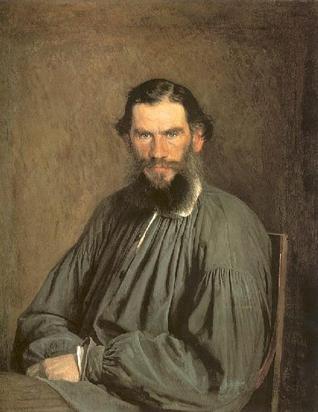
Little Girls Wiser Than Men PDF - ليو تولستوي
ليو تولستوي • قصص قصيرة • ٣٠ الصفحات
(0)
اقتباس
مراجعة
حفظ
مشاركة
وصف الكتاب
Little Girls Wiser Than Men by Leo Tolstoy
Little Girls Wiser Than Men by Leo Tolstoy is a brief yet memorable moral story that shows the great Russian writer at his simplest, clearest, and most humane. Far from the vast scale of War and Peace or Anna Karenina, this short work turns to an ordinary village scene: two young girls, a puddle, a moment of childish play, and a small disagreement that grows far beyond its original cause. Through this modest incident, Tolstoy creates a powerful reflection on forgiveness, humility, anger, innocence, and the wisdom of children.
The story begins with the freshness of early spring, when melting snow leaves water running through the village streets and children are naturally drawn to play. Two little girls, dressed in their new clothes after church, meet and begin enjoying the simple pleasure of the day. What starts as harmless fun soon leads to a splash, a stained dress, and an accusation. In the hands of another writer, this might remain only a small domestic quarrel. In Tolstoy’s hands, however, the scene becomes a sharp and tender parable about human pride and the way adults often turn minor offenses into serious conflict.
A Simple Story with a Lasting Moral
At the heart of Little Girls Wiser Than Men is Tolstoy’s gift for revealing deep truths through everyday life. The story does not rely on complicated plotting, dramatic twists, or grand speeches. Its strength comes from its clarity. A child makes a mistake, another child becomes upset, and the adults around them respond with anger. Soon, the quarrel spreads from the children to their mothers, then to the wider village, until the original issue is almost forgotten beneath the noise of pride, blame, and wounded dignity.
This movement from a tiny accident to a public quarrel gives the story its lasting relevance. Tolstoy shows how quickly people can lose sight of what actually matters. The children’s disagreement is brief, natural, and easy to forgive, but the adults attach their own egos to it. They turn a passing moment into a reason for judgment and hostility. In doing so, they reveal one of Tolstoy’s recurring moral concerns: the human tendency to complicate life by refusing simplicity, kindness, and self-restraint.
Yet the story is not harsh or bitter. Its tone remains gentle, almost playful, because Tolstoy allows the children to become the quiet moral center of the tale. While the adults are still arguing, the little girls move on. Their ability to forget the offense, return to play, and enjoy the world together becomes more powerful than any lecture. The title itself, Little Girls Wiser Than Men, captures this reversal beautifully: wisdom does not always belong to age, authority, or experience. Sometimes it appears most clearly in the innocent heart that does not cling to anger.
Themes of Forgiveness, Innocence, and Peace
One of the most important themes in Little Girls Wiser Than Men by Leo Tolstoy is forgiveness. Tolstoy presents forgiveness not as a formal rule but as a natural act of emotional freedom. The children do not hold on to resentment because they are not invested in being right for long. Their friendship and curiosity matter more than the quarrel. This gives the story a quiet spiritual depth, making it especially meaningful for readers interested in moral stories, classic short fiction, Christian ethics, and literature about reconciliation.
The theme of innocence is equally central. Tolstoy does not idealize children as perfect; the girls are capable of anger, fear, and mischief. But he suggests that children often return more quickly to what is essential. They are not yet trapped by the adult need to defend status, reputation, or pride. Their innocence lies not in never doing wrong, but in their ability to recover from conflict without turning it into lasting hostility.
The story also speaks strongly about peace. The adults in the village are not evil; they are ordinary people who become carried away by anger. This makes the lesson more effective, because readers can recognize the pattern in daily life. Families, neighbors, communities, and even nations can allow small disagreements to grow into larger divisions when no one is willing to pause, listen, or forgive. Tolstoy’s message remains direct and timely: peace often begins with the simple decision to let go.
Tolstoy’s Moral Vision in a Short Form
Leo Tolstoy is best known as one of the greatest figures in classic Russian literature, but his shorter moral tales are an essential part of his literary and spiritual legacy. In stories like Little Girls Wiser Than Men, Tolstoy writes with unusual directness, using plain situations to explore questions of conscience and human behavior. The result is a story that can be read by children, students, teachers, parents, and adult readers with equal benefit.
This accessibility is one of the story’s greatest strengths. Younger readers can understand the visible action: two girls play, a quarrel begins, adults become angry, and the children show a better way. Older readers can see the deeper irony and moral criticism beneath the surface. Tolstoy gently exposes the foolishness of adult pride while honoring the emotional intelligence of children. The story becomes both a children’s moral tale and a work of serious ethical insight.
Tolstoy’s style here is clean, direct, and memorable. He does not decorate the story with unnecessary detail, yet the setting feels vivid: the village street, the puddle, the new dresses, the voices of the neighbors, the movement from play to conflict and back again. This simplicity makes the story especially useful for classrooms, reading groups, and anyone studying short stories with moral lessons. It invites discussion about conflict resolution, empathy, emotional maturity, and the difference between childishness and childlike wisdom.
Why Readers Still Value Little Girls Wiser Than Men
Readers continue to value Little Girls Wiser Than Men because its message is easy to understand but difficult to practice. Most people know that anger can grow out of proportion, yet many still fall into the same pattern Tolstoy describes. A careless word, a small mistake, or a moment of embarrassment can become the beginning of unnecessary conflict. Tolstoy’s story reminds readers that wisdom often means stepping back before pride takes control.
The story is also valuable because it respects the moral intelligence of children. Instead of treating children only as learners, Tolstoy presents them as examples. Their behavior reveals something adults have forgotten: joy is more important than winning an argument, and reconciliation is more life-giving than blame. This makes the story especially meaningful for parents and educators who want literature that encourages kindness, patience, and reflection without sounding forced or overly didactic.
For students of literature, the story offers a compact example of Tolstoy’s ethical storytelling. It contains many features associated with his later moral works: a village setting, ordinary people, a Christian-inflected concern with humility, and a deep suspicion of pride and social vanity. Even in a very short space, Tolstoy creates a complete moral world. The reader sees not only what happens, but also why it matters.
A Classic Short Story About the Wisdom of Children
Little Girls Wiser Than Men by Leo Tolstoy is a small story with a large heart. Its beauty lies in the way it turns a simple childhood incident into a universal lesson about human nature. Without sentimentality, Tolstoy shows that children may sometimes understand forgiveness better than adults, not because they know more, but because they let go more easily. Their wisdom is practical, immediate, and full of life.
This classic tale is ideal for readers looking for a short story by Leo Tolstoy, a moral story about forgiveness, a parable about conflict and reconciliation, or a thoughtful piece of classic literature for children and adults. It can be read quickly, but its meaning lingers. Through the image of two little girls returning to play while adults remain trapped in anger, Tolstoy offers a gentle but unforgettable reminder: true wisdom is often found in simplicity, kindness, and the courage to forgive.
ليو تولستوي
ليو تولستوي هو أحد أعظم الروائيين والمفكرين في تاريخ الأدب العالمي، وكاتب روسي ارتبط اسمه بالرواية الواقعية الكبرى وبالأسئلة الأخلاقية والروحية التي تتجاوز حدود الزمن واللغة. وُلِد في أسرة أرستقراطية روسية، ونشأ في بيئة ريفية كان لها أثر عميق في خياله الأدبي ونظرته إلى الإنسان والطبيعة والعمل والحياة البسيطة. لم يكن تولستوي مجرد مؤلف روايات طويلة، بل كان صاحب مشروع إنساني واسع حاول من خلاله فهم معنى الوجود، ومصدر الخير، وحدود السلطة، وعلاقة الفرد بالمجتمع، وقيمة الضمير في مواجهة العنف والحرب والزيف الاجتماعي. اشتهر عالميا بروايتيه الكبيرتين «الحرب والسلام» و«آنا كارنينا»، وهما عملان يعدان من قمم الأدب العالمي، لأنهما يجمعان بين السرد الواسع، والتحليل النفسي العميق، وتصوير الحياة العائلية والاجتماعية، والتأمل في التاريخ والمصير الإنساني. في «الحرب والسلام» قدّم تولستوي صورة بانورامية للمجتمع الروسي في زمن الحروب النابليونية، ولم يكتف بوصف المعارك والسياسة، بل ركز على الإنسان العادي داخل الأحداث الكبرى، وعلى الطريقة التي تتشكل بها القرارات التاريخية من تداخل آلاف الإرادات والمصادفات. أما في «آنا كارنينا» فقد بلغ ذروة نادرة في تصوير العاطفة، والزواج، والخيانة، والغيرة، والضغط الاجتماعي، وصراع المرأة والرجل مع القيم السائدة والرغبة في حياة صادقة. يتميز أسلوب تولستوي بالوضوح والقوة والاتساع، فهو يكتب عن التفاصيل اليومية كما لو كانت مفاتيح لفهم الروح البشرية، ويمنح شخصياته حياة داخلية معقدة تجعل القارئ يشعر بأنها كائنات حقيقية لا مجرد أدوات في حبكة روائية. تظهر في أعماله موضوعات متكررة مثل البحث عن الحقيقة، ونقد الامتياز الطبقي، والتعاطف مع الفلاحين، والقلق من العنف، والإيمان بالبساطة، ورفض النفاق، والسعي إلى إصلاح الذات قبل إصلاح العالم. وفي مراحل لاحقة من حياته اتجه تولستوي بقوة إلى التفكير الديني والأخلاقي، فكتب نصوصا مؤثرة عن اللاعنف، والمقاومة السلمية، والزهد، ومعنى المسيحية العملية، وأثر ذلك في مفكرين وحركات اجتماعية حول العالم. إن مكانة تولستوي لا تقوم فقط على ضخامة أعماله أو شهرتها، بل على قدرته النادرة على الجمع بين الرواية والفلسفة، وبين العاطفة والتحليل، وبين جمال السرد وقسوة السؤال الأخلاقي. لذلك بقي اسمه حاضرا في قوائم أعظم الكتّاب، وتُقرأ أعماله في الجامعات والمكتبات ودور النشر بوصفها نصوصا مؤسسة في فهم الرواية الحديثة. ومن يقرأ تولستوي يجد أمامه كاتبا يرى أن الأدب ليس تسلية عابرة، بل وسيلة لكشف الإنسان أمام نفسه، وإعادة طرح الأسئلة الكبرى عن الحب، والموت، والأسرة، والإيمان، والحرب، والحرية، والعدالة. لقد ترك ليو تولستوي إرثا أدبيا وفكريا لا يزال مؤثرا في القراء والروائيين والباحثين، لأن كتابته تمنح العالم صورة واسعة ومؤلمة وجميلة عن الإنسان في ضعفه وقوته، وفي تناقضه ورغبته الدائمة في الخلاص والمعنى.
اكسب مكافآت أثناء القراءة!
كل 10 صفحات تقرؤها وتقضى فيها 30 ثانية تمنحك 5 نقاط مكافأة! واصل القراءة لفتح الإنجازات والمزايا الحصرية.
اقرأ
قيم الآن
5 نجوم
4 نجوم
3 نجوم
2 نجوم
1 نجوم
اقتباسات Little Girls Wiser Than Men
الأعلى تقييماً
الأحدث
اقتباس
كن أول من يترك اقتباسًا واكسب 10 نقاط
بدلاً من 3
'%20/%3e%3c/svg%3e "War and Peace")
التعليقات
كن أول من يترك تعليقًا واكسب 5 نقاط
بدلاً من 3