

مصدر الكتاب
تم نشر هذا الكتاب بهدف النفع العام، وذلك بموجب رخصة المشاع الإبداعي، أو بناءً على موافقة من المؤلف أو دار النشر. في حال وجود أي اعتراض على النشر، يُرجى التواصل معنا لنتخذ الإجراء المناسب.
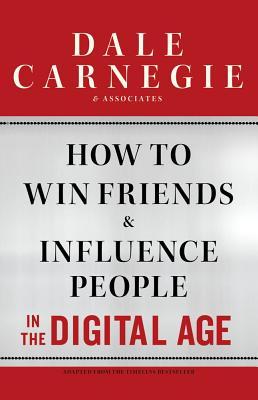
How to Win Friends and Influence People in the Digital Age PDF - ديل كارنيجي
ديل كارنيجي • التنمية البشرية • ١٩١ الصفحات
(0)
المؤلف
ديل كارنيجيالفئة
علوم اجتماعيةالقسم
عدد التنزيلات
١٥٩
عدد القراءات
٢٧٤
حجم الملف
1.85 MB
المشاهدات
٣٬٩٧٠
اقتباس
مراجعة
حفظ
مشاركة
وصف الكتاب
How to Win Friends and Influence People in the Digital Age brings Dale Carnegie’s enduring principles of human connection into a world shaped by email, social media, instant messaging, online networking, and constant digital communication. This modern adaptation presents Carnegie’s classic advice on communication, influence, leadership, and interpersonal relationships for readers who want to build trust, express ideas clearly, and create meaningful connections in both personal and professional life. The book was published by Simon & Schuster and is presented as a contemporary update of Carnegie’s famous work for the challenges and tools of the digital era.
A Modern Guide to Communication and Influence
At its heart, this book explores a simple but powerful idea: even in a fast-moving digital world, people still respond to respect, sincerity, empathy, and thoughtful communication. The tools may have changed, but the emotional needs behind every conversation remain deeply human. Whether a message is sent through an email, a business platform, a social network, or a face-to-face conversation, the way it makes another person feel can determine whether it builds connection or creates distance.
The book reframes Carnegie’s famous lessons for readers who must communicate across screens as often as they communicate in person. It considers how influence works when reputations are built online, messages travel quickly, and tone can easily be misunderstood. For anyone searching for a self-help book on communication skills, a practical guide to winning friends and influencing people, or a modern approach to relationship building in the digital age, this edition offers a useful bridge between timeless wisdom and contemporary life.
Timeless Principles for the Digital World
One of the strengths of How to Win Friends and Influence People in the Digital Age is that it does not treat digital communication as a separate world from real human interaction. Instead, it shows that online behavior is still personal behavior. A careless comment, an impatient reply, or a self-centered message can damage trust just as quickly as a harsh spoken word. Likewise, a thoughtful response, sincere appreciation, and genuine interest in another person can strengthen relationships across any medium.
The book encourages readers to communicate with diplomacy and tact, to understand the interests of others, to build a strong network, and to become more effective leaders by improving the way they connect with people. Simon & Schuster describes the book as covering communication, networking, leadership, productivity, and the use of digital tools. These themes make it especially relevant for professionals, students, entrepreneurs, managers, content creators, and anyone whose personal or business relationships depend on clear and considerate communication.
Building Relationships Through Empathy and Sincerity
Carnegie’s approach has always centered on the belief that influence begins with understanding people. This edition continues that focus by emphasizing empathy, sincere appreciation, listening, and respect. Rather than offering manipulative tactics, the book presents influence as the result of character, attention, and emotional intelligence. Readers are invited to think less about how to force agreement and more about how to create genuine goodwill.
That perspective is especially valuable in the digital age, where many conversations are brief, distracted, or public. The book helps readers become more aware of how their words may be received, how their online presence reflects their values, and how small habits of communication can either attract trust or push people away. For readers interested in emotional intelligence, social skills, personal development, and professional communication, this book offers practical guidance that remains easy to understand and apply.
Why This Book Still Matters
The continued relevance of Dale Carnegie’s work comes from its focus on everyday human behavior. People want to feel heard. They want to be treated with importance. They respond better to encouragement than criticism, and they are more open to ideas when those ideas are presented with respect. These principles are not limited to one generation, one profession, or one communication style. They apply in meetings, friendships, family conversations, customer service, leadership, sales, online communities, and professional networking.
This digital-age edition is particularly useful because modern communication often moves faster than reflection. A message can be sent before it is considered. A disagreement can become public before it is understood. A professional relationship can be shaped by a short email, a profile, a post, or a comment. By adapting Carnegie’s insights to this environment, the book gives readers a framework for communicating with more care, clarity, and influence.
Who Should Read How to Win Friends and Influence People in the Digital Age?
How to Win Friends and Influence People in the Digital Age is ideal for readers who want to improve the way they communicate in a connected world. It is especially helpful for anyone who works with teams, manages people, builds client relationships, studies leadership, uses social media professionally, or wants to become more confident in conversations. The book also appeals to readers who enjoyed the original How to Win Friends and Influence People and want a version that speaks more directly to online communication and modern professional life.
It is also a strong choice for readers looking for a business communication book, a leadership development guide, or a personal growth book that focuses on practical human skills rather than abstract theory. The lessons are accessible, direct, and rooted in situations readers can recognize from daily life. Instead of overwhelming the reader with complex models, the book returns to core habits: listen better, show respect, speak with tact, understand the other person’s point of view, and communicate in a way that builds rather than weakens relationships.
A Practical Reading Experience
The reading experience is clear, purposeful, and highly applicable. Readers can approach the book not only as a text to finish, but as a guide to practice. Each idea invites reflection on real habits: how we respond to criticism, how we write messages, how we participate in online discussions, how we acknowledge others, and how we present ourselves in professional and personal spaces. This makes the book useful for repeated reading, especially for those who want to improve gradually through daily action.
Because the book deals with communication in both personal and business contexts, it can be read by a wide audience. A young professional may use it to build confidence in networking. A manager may use it to strengthen leadership communication. A student may use it to understand social dynamics. An entrepreneur may use it to improve client relationships. A reader focused on personal development may use it to become more thoughtful, patient, and persuasive in everyday interactions.
A Lasting Message About Human Connection
How to Win Friends and Influence People in the Digital Age reminds readers that technology can expand communication, but it cannot replace character. The most effective communicators are not simply the loudest, fastest, or most visible. They are the people who make others feel respected, understood, and valued. In a world filled with constant messages and competing attention, that kind of communication stands out.
This book remains valuable because it brings a classic philosophy of influence into the habits and challenges of modern life. It is a thoughtful choice for anyone seeking to improve communication skills, develop stronger interpersonal relationships, lead with greater empathy, and use digital tools without losing the human qualities that make connection meaningful.
ديل كارنيجي
يل كارنيجي يُعد واحدًا من أكثر الكتّاب والمحاضرين تأثيرًا في تاريخ أدب التنمية الذاتية وفنون التواصل الإنساني، فقد ارتبط اسمه عالميًا بكتاب «كيف تكسب الأصدقاء وتؤثر في الناس»، وهو من أشهر الكتب التي غيّرت طريقة القراء في فهم العلاقات، والإقناع، والقيادة، وبناء الثقة في الحياة الشخصية والمهنية. وُلد كارنيجي عام 1888 في ولاية ميزوري الأمريكية باسم ديل كارنيجي، ونشأ في بيئة ريفية متواضعة، الأمر الذي منحه حسًا عمليًا قريبًا من الناس العاديين، وجعله يدرك مبكرًا أن النجاح لا يعتمد على المعرفة الفنية وحدها، بل يحتاج أيضًا إلى القدرة على التحدث، والإنصات، وفهم النفس البشرية، وكسب تعاون الآخرين من دون عدوانية أو تعالٍ. درس في كلية المعلمين بولاية ميزوري، ثم جرّب أعمالًا متعددة في البيع والتمثيل والتدريس قبل أن يجد مجاله الحقيقي في تدريب البالغين على الخطابة والثقة بالنفس. بدأ بإعطاء دروس في التحدث أمام الجمهور داخل جمعية الشبان المسيحية في نيويورك، وسرعان ما لاحظ أن المتدربين لم يكونوا يحتاجون فقط إلى مهارة الوقوف على المنصة، بل كانوا يحتاجون إلى طريقة أوسع للتعامل مع الخوف، والخجل، والقلق، والصراعات اليومية في العمل والعائلة والمجتمع. من هذا الاحتكاك المباشر بالمتعلمين وُلدت فلسفته العملية: لا تغيّر الناس بالأوامر، بل بالاحترام، والتقدير الصادق، وإثارة الرغبة الداخلية لديهم في التعاون. في عام 1936 نشر كتابه الأشهر «كيف تكسب الأصدقاء وتؤثر في الناس»، فحقق نجاحًا هائلًا لأنه لم يقدّم نظريات مجردة، بل قواعد سهلة التذكر مبنية على القصص والأمثلة، مثل تجنب النقد الجارح، وإظهار الاهتمام الحقيقي بالآخرين، وتذكر الأسماء، والابتسام، والإنصات الجيد، وجعل الشخص الآخر يشعر بأهميته. قوة الكتاب تكمن في أنه يتعامل مع الإنسان بوصفه كائنًا يبحث عن التقدير والاعتراف، ولذلك ظل صالحًا للمديرين، والموظفين، والبائعين، والمعلمين، والطلاب، والسياسيين، والكتّاب، وكل من يحتاج إلى بناء علاقة مؤثرة مع الآخرين. كما كتب كارنيجي «كيف تتوقف عن القلق وتبدأ الحياة»، وهو كتاب يركز على السيطرة على القلق من خلال تقسيم المشكلات، والعيش في حدود اليوم، وقبول الأسوأ ذهنيًا قبل محاولة تحسينه، والانشغال بالعمل المفيد بدل الدوران في دائرة المخاوف. ومن أعماله أيضًا «لينكولن المجهول» وكتب ومحاضرات في الخطابة والقيادة. لم يكن ديل كارنيجي فيلسوفًا أكاديميًا بالمعنى التقليدي، بل كان معلّمًا شعبيًا استخدم اللغة البسيطة والقصص الواقعية لصياغة مدرسة كاملة في تحسين الذات. وما زالت دورات Dale Carnegie Training تحمل إرثه في مجالات القيادة، والمبيعات، والتواصل، وبناء الثقة، مما يجعل اسمه حاضرًا في عالم الأعمال والتنمية البشرية حتى اليوم.
اكسب مكافآت أثناء القراءة!
كل 10 صفحات تقرؤها وتقضى فيها 30 ثانية تمنحك 5 نقاط مكافأة! واصل القراءة لفتح الإنجازات والمزايا الحصرية.
اقرأ
قيم الآن
5 نجوم
4 نجوم
3 نجوم
2 نجوم
1 نجوم
اقتباسات How to Win Friends and Influence People in the Digital Age
الأعلى تقييماً
الأحدث
اقتباس
كن أول من يترك اقتباسًا واكسب 10 نقاط
بدلاً من 3
كتب أخرى لـ ديل كارنيجي
'%20/%3e%3c/svg%3e "The Quick and Easy Way to Effective Speaking")
49164
الإنجليزية
ديل كارنيجي.
التنمية البشرية
(0)
4931
الإنجليزية
التعليقات
كن أول من يترك تعليقًا واكسب 5 نقاط
بدلاً من 3