

مصدر الكتاب
تم نشر هذا الكتاب بهدف النفع العام، وذلك بموجب رخصة المشاع الإبداعي، أو بناءً على موافقة من المؤلف أو دار النشر. في حال وجود أي اعتراض على النشر، يُرجى التواصل معنا لنتخذ الإجراء المناسب.
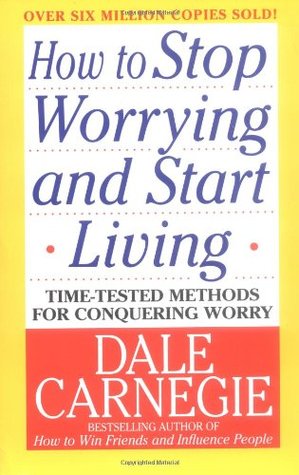
How to Stop Worrying and Start Living PDF - ديل كارنيجي
ديل كارنيجي • التنمية البشرية • ٦٧ الصفحات
(0)
المؤلف
ديل كارنيجيالفئة
علوم اجتماعيةالقسم
عدد التنزيلات
٣٣٦
عدد القراءات
٣٠٠
حجم الملف
0.74 MB
المشاهدات
٦٬٨٤٩
اقتباس
مراجعة
حفظ
مشاركة
وصف الكتاب
How to Stop Worrying and Start Living by Dale Carnegie is one of the most enduring books in the field of self-help, stress management, personal growth, and practical emotional resilience. Written in Carnegie’s direct, conversational style, the book focuses on a question that remains deeply relevant for modern readers: how can a person reduce worry, think more clearly, and live with greater calm in the middle of daily pressure? Rather than treating worry as an abstract idea, Carnegie approaches it as a habit that can be understood, challenged, and gradually replaced with healthier ways of thinking and acting.
Published in widely available modern editions under the subtitle Time-Tested Methods for Conquering Worry, the book is presented by Simon & Schuster as a practical guide to breaking free from worry and anxiety, with themes that include solving problems, reducing business and financial worry, improving sleep, practicing gratitude, and handling criticism more constructively.
A Practical Self-Help Classic for Everyday Worry
The strength of How to Stop Worrying and Start Living lies in its practical nature. Dale Carnegie does not write as a distant theorist; he writes as a teacher of everyday skills, using simple language, memorable examples, and direct advice that readers can apply to work, relationships, money concerns, fatigue, criticism, uncertainty, and personal disappointment. The book is built around the belief that worry often becomes overwhelming when people try to carry too much at once, imagine the worst without action, or allow past mistakes and future fears to dominate the present moment.
This makes the book especially valuable for readers looking for books about how to stop worrying, classic self-help books, anxiety and stress management books, or personal development books for peace of mind. Carnegie’s approach is not about denying difficulty or pretending that life is free from problems. Instead, he encourages readers to face problems clearly, separate facts from fear, take reasonable action, and build habits that reduce unnecessary mental strain.
The Central Message of the Book
At the heart of How to Stop Worrying and Start Living is a simple but powerful idea: worry becomes less controlling when it is brought into the open, examined honestly, and answered with action. Carnegie repeatedly guides the reader away from vague fear and toward practical thinking. What is the real problem? What are the facts? What can be done now? What must be accepted? What can be improved? These questions give the book its steady, useful rhythm and help explain why it continues to appeal to readers across generations.
The book also emphasizes the importance of living in the present rather than being trapped by regret over the past or anxiety about the future. Carnegie’s advice is grounded in the idea that a calmer life is built through repeated choices: choosing to focus on today’s responsibilities, choosing not to magnify small irritations, choosing gratitude over resentment when possible, and choosing useful work over endless mental replay. For readers searching for a Dale Carnegie book on worry, this is the central promise of the text: not instant perfection, but a clearer method for managing the thoughts and pressures that disturb everyday peace.
Themes of Calm, Action, Gratitude, and Perspective
One of the book’s major themes is action as an antidote to worry. Carnegie presents worry as something that often grows in stillness, confusion, and indecision. By encouraging readers to analyze problems, make decisions, and act on what can be controlled, he gives worry less room to expand. This practical mindset is one reason the book remains popular among students, professionals, entrepreneurs, parents, and anyone dealing with uncertainty or responsibility.
Another important theme is perspective. Carnegie urges readers to avoid letting small troubles become mentally larger than they deserve to be. He writes about criticism, fatigue, boredom, financial anxiety, and personal setbacks in a way that reminds readers to measure problems honestly rather than emotionally. This perspective does not remove hardship, but it can help readers respond with more balance and less panic.
The book also gives meaningful attention to gratitude, service, and interest in others. Carnegie often connects peace of mind with outward attention: noticing what is good, appreciating what remains, helping others, and reducing the self-focused cycle that worry can create. For readers who know Carnegie from How to Win Friends and Influence People, this emphasis will feel familiar. His wider philosophy often links personal happiness with human connection, practical kindness, and the ability to see life beyond one’s own immediate fears.
Dale Carnegie’s Clear and Accessible Style
Dale Carnegie’s writing style is one of the reasons How to Stop Worrying and Start Living remains easy to read. The chapters are structured around examples, principles, and memorable lessons rather than dense theory. Carnegie uses stories from business, history, ordinary life, and personal experience to show how worry affects people and how different habits of thought can change their responses. This makes the book accessible even for readers who do not usually read psychology or self-improvement books.
Modern listings describe the book as part of the Dale Carnegie Books line, with editions available in print, ebook, and audio formats; the Simon & Schuster page also identifies it with related categories such as Self-Help > Stress Management and Psychology > Interpersonal Relations. That classification reflects the book’s broad appeal: it is not only about worry as a private emotion, but also about how worry affects work, decision-making, relationships, confidence, sleep, and everyday energy.
Who Should Read How to Stop Worrying and Start Living?
How to Stop Worrying and Start Living is well suited for readers who feel mentally overloaded by daily responsibilities and want a structured, practical way to think through their concerns. It can be useful for people who worry about work, money, criticism, failure, health, family obligations, or the future. It is also a strong choice for readers who prefer classic self-help writing that is direct, encouraging, and based on examples rather than technical language.
The book may also appeal to readers interested in emotional resilience, positive thinking, peace of mind, stress reduction, and self-improvement habits. While it should not be treated as a replacement for professional support in cases of severe anxiety, depression, or mental health crisis, it can serve as a helpful companion for everyday worry and personal reflection. Its value lies in giving readers a set of mental tools they can return to whenever worry becomes repetitive, vague, or exhausting.
Why This Book Still Matters
The lasting appeal of How to Stop Worrying and Start Living comes from the timeless nature of its subject. People may live in different eras, use different technologies, and face different pressures, but worry still follows familiar patterns: fear of what might happen, regret over what has happened, tension over decisions, sensitivity to criticism, and fatigue from carrying too many concerns at once. Carnegie’s advice remains relevant because it addresses those patterns in plain language and offers practical steps rather than abstract reassurance.
For readers searching for the best books to stop worrying, Dale Carnegie self-help books, or classic personal development books, this title offers a thoughtful and action-oriented reading experience. It invites readers to slow down, examine their fears, organize their thinking, and recover a stronger sense of control over daily life. More than a book about avoiding worry, it is a book about learning how to live with more clarity, courage, gratitude, and steadiness.
A Lasting Guide to Worry, Peace of Mind, and Better Living
How to Stop Worrying and Start Living remains a powerful introduction to Dale Carnegie’s practical philosophy of life. Its lessons are simple without being shallow, encouraging without being unrealistic, and memorable without depending on complicated systems. The book speaks to readers who want to worry less, think better, and meet life’s difficulties with a calmer and more constructive attitude.
By combining practical problem-solving, emotional perspective, personal stories, and clear principles for daily living, Dale Carnegie created a self-help classic that continues to meet a real human need. For anyone looking to understand worry, reduce mental strain, and build a more peaceful approach to life, How to Stop Worrying and Start Living offers a clear, readable, and enduring guide.
ديل كارنيجي
يل كارنيجي يُعد واحدًا من أكثر الكتّاب والمحاضرين تأثيرًا في تاريخ أدب التنمية الذاتية وفنون التواصل الإنساني، فقد ارتبط اسمه عالميًا بكتاب «كيف تكسب الأصدقاء وتؤثر في الناس»، وهو من أشهر الكتب التي غيّرت طريقة القراء في فهم العلاقات، والإقناع، والقيادة، وبناء الثقة في الحياة الشخصية والمهنية. وُلد كارنيجي عام 1888 في ولاية ميزوري الأمريكية باسم ديل كارنيجي، ونشأ في بيئة ريفية متواضعة، الأمر الذي منحه حسًا عمليًا قريبًا من الناس العاديين، وجعله يدرك مبكرًا أن النجاح لا يعتمد على المعرفة الفنية وحدها، بل يحتاج أيضًا إلى القدرة على التحدث، والإنصات، وفهم النفس البشرية، وكسب تعاون الآخرين من دون عدوانية أو تعالٍ. درس في كلية المعلمين بولاية ميزوري، ثم جرّب أعمالًا متعددة في البيع والتمثيل والتدريس قبل أن يجد مجاله الحقيقي في تدريب البالغين على الخطابة والثقة بالنفس. بدأ بإعطاء دروس في التحدث أمام الجمهور داخل جمعية الشبان المسيحية في نيويورك، وسرعان ما لاحظ أن المتدربين لم يكونوا يحتاجون فقط إلى مهارة الوقوف على المنصة، بل كانوا يحتاجون إلى طريقة أوسع للتعامل مع الخوف، والخجل، والقلق، والصراعات اليومية في العمل والعائلة والمجتمع. من هذا الاحتكاك المباشر بالمتعلمين وُلدت فلسفته العملية: لا تغيّر الناس بالأوامر، بل بالاحترام، والتقدير الصادق، وإثارة الرغبة الداخلية لديهم في التعاون. في عام 1936 نشر كتابه الأشهر «كيف تكسب الأصدقاء وتؤثر في الناس»، فحقق نجاحًا هائلًا لأنه لم يقدّم نظريات مجردة، بل قواعد سهلة التذكر مبنية على القصص والأمثلة، مثل تجنب النقد الجارح، وإظهار الاهتمام الحقيقي بالآخرين، وتذكر الأسماء، والابتسام، والإنصات الجيد، وجعل الشخص الآخر يشعر بأهميته. قوة الكتاب تكمن في أنه يتعامل مع الإنسان بوصفه كائنًا يبحث عن التقدير والاعتراف، ولذلك ظل صالحًا للمديرين، والموظفين، والبائعين، والمعلمين، والطلاب، والسياسيين، والكتّاب، وكل من يحتاج إلى بناء علاقة مؤثرة مع الآخرين. كما كتب كارنيجي «كيف تتوقف عن القلق وتبدأ الحياة»، وهو كتاب يركز على السيطرة على القلق من خلال تقسيم المشكلات، والعيش في حدود اليوم، وقبول الأسوأ ذهنيًا قبل محاولة تحسينه، والانشغال بالعمل المفيد بدل الدوران في دائرة المخاوف. ومن أعماله أيضًا «لينكولن المجهول» وكتب ومحاضرات في الخطابة والقيادة. لم يكن ديل كارنيجي فيلسوفًا أكاديميًا بالمعنى التقليدي، بل كان معلّمًا شعبيًا استخدم اللغة البسيطة والقصص الواقعية لصياغة مدرسة كاملة في تحسين الذات. وما زالت دورات Dale Carnegie Training تحمل إرثه في مجالات القيادة، والمبيعات، والتواصل، وبناء الثقة، مما يجعل اسمه حاضرًا في عالم الأعمال والتنمية البشرية حتى اليوم.
اكسب مكافآت أثناء القراءة!
كل 10 صفحات تقرؤها وتقضى فيها 30 ثانية تمنحك 5 نقاط مكافأة! واصل القراءة لفتح الإنجازات والمزايا الحصرية.
اقرأ
قيم الآن
5 نجوم
4 نجوم
3 نجوم
2 نجوم
1 نجوم
اقتباسات How to Stop Worrying and Start Living
الأعلى تقييماً
الأحدث
اقتباس
كن أول من يترك اقتباسًا واكسب 10 نقاط
بدلاً من 3
كتب أخرى لـ ديل كارنيجي
'%20/%3e%3c/svg%3e "How to Win Friends and Influence People in the Digital Age")
3966
الإنجليزية
49159
الإنجليزية
ديل كارنيجي.
التنمية البشرية
(0)
4927
الإنجليزية
التعليقات
كن أول من يترك تعليقًا واكسب 5 نقاط
بدلاً من 3