

مصدر الكتاب
تم نشر هذا الكتاب بهدف النفع العام، وذلك بموجب رخصة المشاع الإبداعي، أو بناءً على موافقة من المؤلف أو دار النشر. في حال وجود أي اعتراض على النشر، يُرجى التواصل معنا لنتخذ الإجراء المناسب.
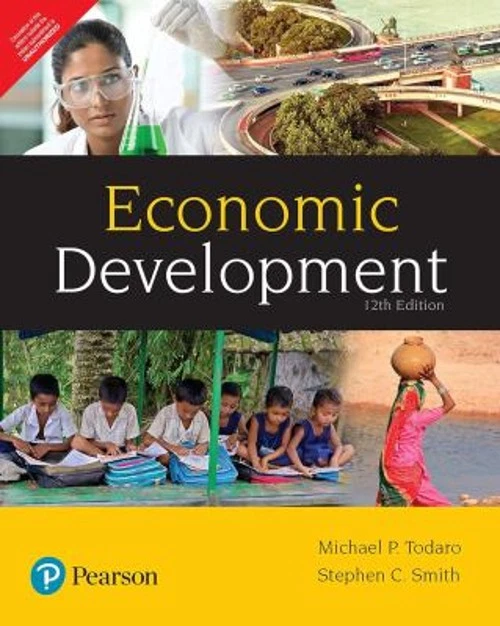
Economic Development, 12th edition PDF - مايكل بي. تودارو
مايكل بي. تودارو • الاقتصاد • ٨٩١ الصفحات
(0)
اقتباس
مراجعة
حفظ
مشاركة
وصف الكتاب
Economic Development, 12th Edition by Michael P. Todaro and Stephen C. Smith is a comprehensive and widely respected textbook for anyone seeking a clear, structured, and policy-focused introduction to development economics. Designed for students, instructors, researchers, and readers interested in the economic transformation of developing countries, the book explores how nations grow, why poverty persists, how inequality shapes opportunity, and what policies can support sustainable and inclusive progress. Rather than treating economic development as a narrow matter of income growth, Todaro and Smith present it as a multidimensional process involving human welfare, institutions, markets, governance, education, health, environment, technology, and global economic relations.
This edition offers a balanced approach to both theory and real-world application, making it especially valuable for readers who want to understand not only the models of economic growth but also the practical challenges faced by countries in Africa, Asia, Latin America, and other developing regions. The book explains major concepts in a clear academic style while connecting them to policy debates, country examples, and development problems that continue to shape the global economy. For anyone searching for a reliable economic development textbook, a reference on developing countries, or a foundation in international development, this work provides a detailed and accessible framework.
Understanding Economic Development Beyond Growth
One of the central strengths of Economic Development is its broad view of what development means. The book does not reduce development to GDP, industrial output, or rising national income alone. Instead, it examines how economic progress is connected to poverty reduction, improved living standards, expanded capabilities, better education, stronger health systems, employment opportunities, gender inclusion, rural transformation, and institutional quality. This makes the text particularly useful for readers who want to understand development as a human and social process as well as an economic one.
Todaro and Smith guide readers through the essential questions of the field: Why do some countries remain poor while others experience rapid transformation? What role do markets, governments, and civil society play in development? How do population growth, migration, inequality, agricultural productivity, environmental pressure, and international trade affect long-term progress? By addressing these questions together, the book helps readers see development economics as an interconnected discipline where policy choices often involve trade-offs, uncertainty, and complex local conditions.
Core Themes: Poverty, Inequality, Population, and Human Capital
The textbook gives careful attention to poverty and inequality, two of the most important topics in economic development. It explains how poverty is measured, why income distribution matters, and how inequality can influence social welfare, political stability, access to education, health outcomes, and economic opportunity. Readers are introduced to tools and concepts that help them analyze poverty not only as a lack of income but also as a wider condition shaped by vulnerability, exclusion, and limited access to basic services.
Another major area of focus is population growth and development. The book explores the causes and consequences of demographic change, including fertility, mortality, age structure, and the relationship between population pressure and quality of life. It also examines urbanization and rural-urban migration, helping readers understand why people move to cities, how informal sectors develop, and what policy challenges emerge when urban growth outpaces employment, housing, and infrastructure. These chapters are especially relevant for students studying modern development issues in rapidly changing economies.
The discussion of human capital is equally important. Todaro and Smith show how education and health are central to economic progress, productivity, social mobility, and long-term development. By connecting human development with economic performance, the book helps readers understand why investments in schools, public health, nutrition, and skills are not simply social goals but also essential components of sustainable economic transformation.
Agriculture, Environment, and Sustainable Development
A major feature of Economic Development, 12th Edition is its attention to the realities of rural economies and agricultural transformation. Many developing countries continue to rely heavily on agriculture for employment, food security, and household income, and the book explains why rural development remains a critical part of any serious development strategy. Topics such as land use, agricultural productivity, rural institutions, technology, incentives, and smallholder farming are treated as central to the broader development process.
The book also places strong emphasis on environment and development, making it relevant for readers interested in sustainable development and the long-term relationship between economic growth and natural resources. It examines how poverty, population growth, industrialization, and environmental degradation can interact, while also highlighting the importance of policies that balance growth with ecological responsibility. For students and researchers interested in climate pressure, resource use, environmental accounting, and sustainability, this section provides a useful bridge between development economics and contemporary global challenges.
Markets, Government, Institutions, and Development Policy
Todaro and Smith present development policy as a field shaped by the interaction of markets, states, and institutions. The book explains why markets can support efficiency, innovation, and growth, but also why market failures, inequality, weak institutions, corruption, missing infrastructure, and limited access to finance can prevent development from reaching broad populations. At the same time, it treats government policy with balance, recognizing both the importance of public action and the risks of poor planning, political capture, and ineffective implementation.
This policy-oriented approach makes the textbook especially helpful for readers who want to connect economic theory with real development decisions. It encourages students to think critically about strategies for poverty reduction, industrialization, trade, education, health, rural development, fiscal policy, foreign aid, and financial stability. Rather than offering simple formulas, the book shows that successful development depends on context, institutional capacity, historical conditions, and the ability to design policies that respond to local needs.
International Trade, Finance, Aid, and the Global Economy
The book also examines how developing countries interact with the wider global economy. It covers topics related to international trade and development strategy, balance of payments, debt, financial crises, foreign finance, investment, and aid. These discussions are valuable for understanding how global markets can create opportunities for growth while also exposing countries to external shocks, dependency, volatility, and policy constraints.
For readers studying international economics and development, this part of the book provides a strong foundation in the external dimensions of development. It helps explain why trade policy, exchange rates, capital flows, debt management, and development assistance are not isolated technical issues but part of the broader challenge of building stable, inclusive, and resilient economies. The text is particularly useful for students who need to understand how domestic development strategies are shaped by global institutions, international competition, and changing patterns of finance and investment.
A Valuable Textbook for Students and Policy-Minded Readers
Economic Development by Todaro and Smith is especially suitable for undergraduate and graduate courses in development economics, international development, comparative economic development, and global economic policy. Its structure allows readers to move from foundational theories and concepts to specific problems and policy areas, making it useful both as a course textbook and as a long-term reference. The writing is academic yet readable, with explanations that support students who are new to the field while still offering enough depth for advanced study.
Readers who benefit most from this book include economics students, public policy students, development studies majors, researchers, NGO professionals, and anyone interested in understanding the economic challenges of developing nations. It is also valuable for readers who want a serious introduction to questions of poverty, inequality, education, health, migration, agriculture, environment, and international finance from a development perspective.
Why This Book Remains Important
The lasting value of Economic Development, 12th Edition lies in its ability to combine theory, evidence, and policy in one coherent framework. Todaro and Smith help readers understand that development is not a single path followed by all countries in the same way. It is a complex process shaped by institutions, history, culture, resources, population dynamics, global relationships, political choices, and human capabilities. This makes the book more than a technical economics text; it is a guide to understanding some of the most urgent social and economic questions facing the modern world.
For anyone looking for a thorough and trusted resource on economic development, development economics, and the challenges facing developing countries, this book offers a rich introduction to the field. It provides the concepts, analytical tools, and policy perspective needed to think seriously about how societies move from poverty toward greater opportunity, stability, sustainability, and human well-being.
مايكل بي. تودارو
مايكل بي. تودارو هو اقتصادي أمريكي بارز ومؤلف أكاديمي مؤثر ارتبط اسمه على نطاق واسع بدراسات اقتصاد التنمية، ولا سيما تحليل الفقر، والهجرة الريفية الحضرية، والبطالة، وسياسات النمو في البلدان النامية. تميّزت مساهمته الفكرية بقدرته على تحويل القضايا الاقتصادية المعقدة إلى إطار تعليمي واضح يجمع بين النظرية والتطبيق والسياسة العامة، ولذلك أصبح اسمه حاضرًا في مكتبات الجامعات ومقررات الاقتصاد في أنحاء كثيرة من العالم. عُرف تودارو بعمله أستاذًا للاقتصاد في جامعة نيويورك لسنوات طويلة، وبعمله باحثًا ومرتبطًا مؤسسيًا بقضايا السكان والتنمية، كما أمضى سنوات في التعليم والمعايشة البحثية في إفريقيا، وهي تجربة منحت كتاباته حساسية خاصة تجاه واقع البلدان النامية لا بوصفه موضوعًا نظريًا فحسب، بل بوصفه ميدانًا إنسانيًا واقتصاديًا متداخلًا. ومن أهم أسباب انتشار اسمه كتابه الشهير «التنمية الاقتصادية» Economic Development، الذي شاركه في طبعات حديثة الاقتصادي ستيفن سي. سميث، وأصبح من المراجع التعليمية الأساسية في اقتصاد التنمية لأنه يعرض موضوعات مثل الفقر وعدم المساواة، النمو السكاني، التعليم والصحة، الزراعة والتحول الريفي، البيئة، التجارة الدولية، الديون، المساعدات، التمويل، ودور الدولة والسوق والمجتمع المدني. لا يقدّم تودارو التنمية باعتبارها ارتفاعًا رقميًا في الدخل فقط، بل ينظر إليها بوصفها عملية اجتماعية واسعة تشمل تحسين الفرص الإنسانية، وتوسيع القدرة على الاختيار، وتقليل الحرمان، وبناء مؤسسات أكثر قدرة على خدمة الناس. وقد كان لبحثه مع جون آر. هاريس حول «الهجرة والبطالة والتنمية: تحليل ثنائي القطاع» أثر كبير في تفسير لماذا قد تستمر الهجرة من الريف إلى المدن حتى عندما يكون معدل البطالة في المدن مرتفعًا؛ فالنموذج الذي ارتبط باسمي هاريس وتودارو يوضح أن قرار الهجرة قد يكون مبنيًا على الدخل المتوقع لا على الأجر الحالي وحده، وهو ما جعله أداة أساسية في فهم سياسات العمل والتحضر في الاقتصادات النامية. أسلوب تودارو في الكتابة الأكاديمية يجمع بين الدقة والوضوح، ويخاطب الطلاب والباحثين وصنّاع السياسات معًا، لأنه يربط المفاهيم الاقتصادية المجردة بحالات واقعية وأسئلة عملية: كيف يمكن تقليل الفقر؟ ما علاقة التعليم بالإنتاجية؟ لماذا تفشل بعض سياسات خلق الوظائف في المدن؟ وكيف يمكن للدول النامية أن تختار مسارًا أكثر توازنًا بين النمو والعدالة؟ وبصفته مؤلفًا لعدد من الكتب وعشرات المقالات المهنية، اكتسب تودارو مكانة خاصة لدى قراء الاقتصاد التنموي لأنه لم يحصر اهتمامه في المعادلات والنماذج، بل جعل تلك النماذج وسيلة لفهم حياة البشر في مجتمعات تواجه ندرة الموارد، وتفاوت الفرص، وضغط السكان، وتغيرات العولمة. ولهذا فإن السيرة العلمية لمايكل بي. تودارو تمثل نموذجًا للباحث الذي أثّر في التعليم الاقتصادي العالمي من خلال الجمع بين التجربة الميدانية، والتحليل النظري، والاهتمام العميق بسياسات التنمية القادرة على تحسين حياة الناس في العالم النامي.
اكسب مكافآت أثناء القراءة!
كل 10 صفحات تقرؤها وتقضى فيها 30 ثانية تمنحك 5 نقاط مكافأة! واصل القراءة لفتح الإنجازات والمزايا الحصرية.
اقرأ
قيم الآن
5 نجوم
4 نجوم
3 نجوم
2 نجوم
1 نجوم
اقتباسات Economic Development, 12th edition
الأعلى تقييماً
الأحدث
اقتباس
كن أول من يترك اقتباسًا واكسب 10 نقاط
بدلاً من 3
كتب أخرى لـ مايكل بي. تودارو
كتب أخرى مشابهة Economic Development, 12th edition
'%20/%3e%3c/svg%3e "Advances in Time Series Data Methods in Applied Economic Research")
1975
الإنجليزية
التعليقات
كن أول من يترك تعليقًا واكسب 5 نقاط
بدلاً من 3