

مصدر الكتاب
تم نشر هذا الكتاب بهدف النفع العام، وذلك بموجب رخصة المشاع الإبداعي، أو بناءً على موافقة من المؤلف أو دار النشر. في حال وجود أي اعتراض على النشر، يُرجى التواصل معنا لنتخذ الإجراء المناسب.
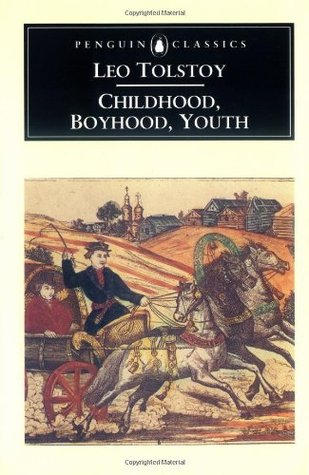
Childhood, Boyhood, Youth PDF - ليو تولستوي
ليو تولستوي • روايات أدبية • ٣٢٠ الصفحات
(0)
اقتباس
مراجعة
حفظ
مشاركة
وصف الكتاب
Childhood, Boyhood, Youth by Leo Tolstoy
Childhood, Boyhood, Youth by Leo Tolstoy is a profound and beautifully observed coming-of-age work that traces the emotional, moral, and intellectual growth of a young Russian aristocrat as he moves from the protected world of childhood into the uncertainty of adolescence and the self-conscious awakening of youth. Long before Tolstoy became internationally known for War and Peace and Anna Karenina, this early autobiographical trilogy revealed many of the qualities that would define his genius: psychological depth, moral honesty, sensitivity to family life, and an extraordinary ability to capture the smallest movements of thought and feeling.
At the center of the book is Nikolai “Nikolenka” Irtenev, a young boy whose memories, impressions, doubts, affections, embarrassments, and ambitions form the heart of the narrative. Rather than relying on dramatic twists or external adventure, Tolstoy creates a rich inner portrait of development. The result is a classic work of Russian literature that explores how a person begins to understand love, class, pride, guilt, faith, education, family, and the painful distance between how one sees oneself and how one appears to others.
A Classic Coming-of-Age Trilogy
The structure of Childhood, Boyhood, Youth follows three important stages in the formation of character. In Childhood, Tolstoy presents the tenderness, innocence, and emotional intensity of early life. The young narrator experiences the world through family relationships, household routines, servants, tutors, siblings, and the atmosphere of the estate. Ordinary moments become deeply meaningful because they are filtered through the fresh and vulnerable consciousness of a child discovering affection, fear, shame, admiration, and loss.
In Boyhood, that innocence begins to shift. The narrator becomes more aware of social differences, personal faults, awkwardness, vanity, loneliness, and the complicated rules of adult behavior. Tolstoy is especially powerful in portraying adolescence not as a simple passage toward maturity, but as a period filled with contradiction. Nikolenka can be sincere and self-absorbed, tender and proud, thoughtful and foolish, all within the same emotional movement. This honesty gives the book its lasting psychological realism.
In Youth, the perspective widens again as the narrator enters a stage of ambition, moral questioning, and self-examination. He begins to imagine the kind of person he might become, while also confronting the gap between ideal intentions and actual conduct. Tolstoy captures the restless energy of youth: the desire to be noble, intelligent, admired, disciplined, and original, combined with the insecurity and confusion that often make those desires difficult to live out. For readers interested in classic coming-of-age novels, this trilogy offers one of the most thoughtful literary studies of personal formation.
Themes of Memory, Identity, and Moral Growth
One of the great strengths of Childhood, Boyhood, Youth is its treatment of memory. Tolstoy does not present growing up as a clean sequence of events, but as a living pattern of impressions. A look, a room, a conversation, a feeling of shame, or a moment of affection can remain powerful long after the event itself has passed. Through this method, the book becomes not only a story about a young person’s life, but also an exploration of how identity is shaped by what we remember and how we interpret those memories.
The trilogy is also deeply concerned with moral growth. Nikolenka repeatedly judges himself, makes resolutions, fails to keep them, feels ashamed, and tries again. These moments are not treated with melodrama; instead, Tolstoy observes them with compassion and precision. The book recognizes that becoming a better person is rarely straightforward. It involves self-deception, pride, imitation, confusion, and the painful discovery that noble ideas do not automatically lead to noble actions.
Another important theme is the tension between inner life and social expectation. Nikolenka often feels intensely, yet struggles to express himself honestly. He wants to be loved and respected, but he also wants to appear strong, clever, and superior. Tolstoy uses these conflicts to examine the formation of ego and conscience. Readers who appreciate psychological fiction, literary classics, and reflective novels about human development will find this aspect of the book especially rewarding.
Russian Society, Family Life, and Class Awareness
Although Childhood, Boyhood, Youth is intimate in focus, it also opens a window onto nineteenth-century Russian society. The world of the book includes family estates, domestic servants, tutors, formal education, social visits, religious habits, and the expectations placed upon young members of the upper classes. Tolstoy does not turn these elements into a historical lecture; instead, he allows them to appear naturally through the narrator’s experience.
This social background gives the trilogy much of its depth. Nikolenka gradually becomes aware that his own comfort exists within a larger structure of privilege and inequality. His relationships with servants, family members, teachers, and acquaintances reveal the emotional complexity of class. Tolstoy’s attention to these details anticipates the broader social vision that would later become central to his major novels. Even in this early work, he shows a remarkable interest in how private feelings are shaped by family position, education, wealth, and social rank.
The family scenes are among the most memorable parts of the book. Tolstoy writes about affection without making it sentimental, and about loss without making it exaggerated. He understands how childhood love can attach itself to voices, gestures, routines, and rooms. He also understands how quickly a young person’s sense of security can be disturbed by change. This makes the trilogy both historically specific and emotionally universal.
The Reading Experience
Reading Childhood, Boyhood, Youth is a quieter experience than reading Tolstoy’s great panoramic novels, but it is no less revealing. The book invites the reader to slow down and enter the mind of a developing consciousness. Its power lies in observation: the embarrassment of being misunderstood, the sweetness of being loved, the sting of comparison, the longing to be morally pure, and the strange mixture of arrogance and vulnerability that belongs to youth.
The prose has a reflective and intimate quality. Tolstoy is not simply telling readers what happened to his young protagonist; he is examining how experience feels from within. This makes the trilogy especially valuable for readers who enjoy character-driven fiction, autobiographical novels, philosophical literature, and classics that explore the inner life. The book rewards attention because many of its most important insights appear in small emotional details rather than in large dramatic events.
For modern readers, the trilogy remains accessible because its central questions are still familiar. How does a child become self-aware? Why do young people imitate others while trying to discover themselves? How do pride, shame, love, faith, and ambition shape a personality? Why do memories from early life remain so powerful? Tolstoy approaches these questions through fiction, but the emotional truth of the work often feels immediate and personal.
Why Childhood, Boyhood, Youth Still Matters
Childhood, Boyhood, Youth is essential reading for anyone who wants to understand the early development of Leo Tolstoy as a writer. In this trilogy, readers can already see his fascination with conscience, truth, self-scrutiny, family bonds, social life, and the moral contradictions of human behavior. The book may be smaller in scale than his later masterpieces, but it contains the seeds of the artistic vision that made him one of the central figures of world literature.
It is also a valuable book in its own right. As a semi-autobiographical coming-of-age novel, it offers a rare combination of tenderness and severity. Tolstoy looks back at youth with sympathy, but he does not idealize it. He shows childhood as beautiful and fragile, adolescence as awkward and searching, and youth as full of possibility yet clouded by illusion. This balance gives the trilogy its emotional maturity.
For readers discovering Tolstoy for the first time, Childhood, Boyhood, Youth provides an intimate entrance into his world. For readers already familiar with War and Peace or Anna Karenina, it offers a fascinating look at the beginnings of his literary method. It is a book about growing up, but also about remembering, judging, longing, and learning to see oneself truthfully. Thoughtful, elegant, and psychologically rich, Childhood, Boyhood, Youth by Leo Tolstoy remains a deeply rewarding classic for readers interested in the formation of character and the quiet drama of inner life.
ليو تولستوي
ليو تولستوي هو أحد أعظم الروائيين والمفكرين في تاريخ الأدب العالمي، وكاتب روسي ارتبط اسمه بالرواية الواقعية الكبرى وبالأسئلة الأخلاقية والروحية التي تتجاوز حدود الزمن واللغة. وُلِد في أسرة أرستقراطية روسية، ونشأ في بيئة ريفية كان لها أثر عميق في خياله الأدبي ونظرته إلى الإنسان والطبيعة والعمل والحياة البسيطة. لم يكن تولستوي مجرد مؤلف روايات طويلة، بل كان صاحب مشروع إنساني واسع حاول من خلاله فهم معنى الوجود، ومصدر الخير، وحدود السلطة، وعلاقة الفرد بالمجتمع، وقيمة الضمير في مواجهة العنف والحرب والزيف الاجتماعي. اشتهر عالميا بروايتيه الكبيرتين «الحرب والسلام» و«آنا كارنينا»، وهما عملان يعدان من قمم الأدب العالمي، لأنهما يجمعان بين السرد الواسع، والتحليل النفسي العميق، وتصوير الحياة العائلية والاجتماعية، والتأمل في التاريخ والمصير الإنساني. في «الحرب والسلام» قدّم تولستوي صورة بانورامية للمجتمع الروسي في زمن الحروب النابليونية، ولم يكتف بوصف المعارك والسياسة، بل ركز على الإنسان العادي داخل الأحداث الكبرى، وعلى الطريقة التي تتشكل بها القرارات التاريخية من تداخل آلاف الإرادات والمصادفات. أما في «آنا كارنينا» فقد بلغ ذروة نادرة في تصوير العاطفة، والزواج، والخيانة، والغيرة، والضغط الاجتماعي، وصراع المرأة والرجل مع القيم السائدة والرغبة في حياة صادقة. يتميز أسلوب تولستوي بالوضوح والقوة والاتساع، فهو يكتب عن التفاصيل اليومية كما لو كانت مفاتيح لفهم الروح البشرية، ويمنح شخصياته حياة داخلية معقدة تجعل القارئ يشعر بأنها كائنات حقيقية لا مجرد أدوات في حبكة روائية. تظهر في أعماله موضوعات متكررة مثل البحث عن الحقيقة، ونقد الامتياز الطبقي، والتعاطف مع الفلاحين، والقلق من العنف، والإيمان بالبساطة، ورفض النفاق، والسعي إلى إصلاح الذات قبل إصلاح العالم. وفي مراحل لاحقة من حياته اتجه تولستوي بقوة إلى التفكير الديني والأخلاقي، فكتب نصوصا مؤثرة عن اللاعنف، والمقاومة السلمية، والزهد، ومعنى المسيحية العملية، وأثر ذلك في مفكرين وحركات اجتماعية حول العالم. إن مكانة تولستوي لا تقوم فقط على ضخامة أعماله أو شهرتها، بل على قدرته النادرة على الجمع بين الرواية والفلسفة، وبين العاطفة والتحليل، وبين جمال السرد وقسوة السؤال الأخلاقي. لذلك بقي اسمه حاضرا في قوائم أعظم الكتّاب، وتُقرأ أعماله في الجامعات والمكتبات ودور النشر بوصفها نصوصا مؤسسة في فهم الرواية الحديثة. ومن يقرأ تولستوي يجد أمامه كاتبا يرى أن الأدب ليس تسلية عابرة، بل وسيلة لكشف الإنسان أمام نفسه، وإعادة طرح الأسئلة الكبرى عن الحب، والموت، والأسرة، والإيمان، والحرب، والحرية، والعدالة. لقد ترك ليو تولستوي إرثا أدبيا وفكريا لا يزال مؤثرا في القراء والروائيين والباحثين، لأن كتابته تمنح العالم صورة واسعة ومؤلمة وجميلة عن الإنسان في ضعفه وقوته، وفي تناقضه ورغبته الدائمة في الخلاص والمعنى.
اكسب مكافآت أثناء القراءة!
كل 10 صفحات تقرؤها وتقضى فيها 30 ثانية تمنحك 5 نقاط مكافأة! واصل القراءة لفتح الإنجازات والمزايا الحصرية.
اقرأ
قيم الآن
5 نجوم
4 نجوم
3 نجوم
2 نجوم
1 نجوم
اقتباسات Childhood, Boyhood, Youth
الأعلى تقييماً
الأحدث
اقتباس
كن أول من يترك اقتباسًا واكسب 10 نقاط
بدلاً من 3
'%20/%3e%3c/svg%3e "War and Peace")
التعليقات
كن أول من يترك تعليقًا واكسب 5 نقاط
بدلاً من 3