

مصدر الكتاب
تم نشر هذا الكتاب بهدف النفع العام، وذلك بموجب رخصة المشاع الإبداعي، أو بناءً على موافقة من المؤلف أو دار النشر. في حال وجود أي اعتراض على النشر، يُرجى التواصل معنا لنتخذ الإجراء المناسب.
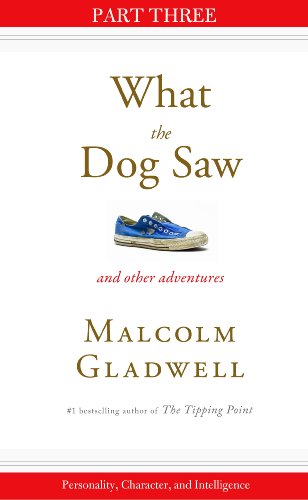
What the Dog Saw: part Three PDF - مالكولم جلادويل
مالكولم جلادويل • التنمية البشرية • ٩٤ الصفحات
(0)
المؤلف
مالكولم جلادويلالفئة
علوم اجتماعيةالقسم
عدد التنزيلات
٣٩
عدد القراءات
١١٠
حجم الملف
0.72 MB
المشاهدات
١٬٢٥٧
اقتباس
مراجعة
حفظ
مشاركة
وصف الكتاب
What the Dog Saw: Part Three by Malcolm Gladwell
What the Dog Saw: Part Three by Malcolm Gladwell continues the sharp, thought-provoking style that has made the author one of the most influential contemporary nonfiction writers. Known for bestselling works such as Outliers, Blink, and The Tipping Point, Gladwell combines storytelling, psychology, sociology, business insight, and cultural observation into essays that challenge the way readers understand everyday life. In this section of What the Dog Saw, readers encounter a collection of deeply engaging pieces that explore human behavior, hidden patterns, decision-making, perception, and the surprising logic behind ordinary experiences.
This part of the book reflects Gladwell’s signature ability to transform complex ideas into accessible and entertaining narratives. Rather than presenting abstract theories in a dry academic style, he introduces real people, unusual situations, historical moments, and overlooked details that reveal broader truths about society and human nature. The essays encourage readers to think differently about success, intelligence, communication, and the invisible forces that shape modern life. Each chapter stands on its own while contributing to a broader exploration of how people interpret the world around them.
One of the defining strengths of What the Dog Saw is its blend of investigative journalism and intellectual curiosity. Gladwell approaches subjects from unexpected angles, often focusing on details others ignore. He examines how experts make decisions under pressure, why certain ideas spread rapidly, how environments influence behavior, and how assumptions can distort understanding. His writing style remains clear, energetic, and conversational, making sophisticated concepts approachable for a wide audience. Readers interested in psychology books, social science, behavioral economics, cultural analysis, and modern nonfiction will find this work especially compelling.
The essays in Part Three demonstrate Gladwell’s talent for connecting seemingly unrelated topics. A discussion about business strategy may lead into questions about human instinct, while an exploration of social behavior may reveal deeper truths about communication and identity. This interconnected approach gives the book intellectual depth without losing readability. Readers often appreciate how the author turns ordinary observations into meaningful insights that linger long after finishing a chapter.
Another important aspect of the book is its emphasis on perspective. Gladwell repeatedly challenges conventional wisdom by asking readers to reconsider accepted narratives. He explores why some experts fail while outsiders succeed, why people misjudge risk, and how hidden social dynamics influence decisions. These themes make the book valuable not only for casual readers but also for professionals, students, entrepreneurs, educators, and anyone interested in understanding how people think and behave.
The reading experience is both entertaining and intellectually stimulating. Gladwell writes with rhythm, humor, and precision, balancing research with vivid storytelling. Even readers who do not usually read analytical nonfiction often find themselves drawn into the book because of its accessible structure and engaging examples. The essays can be read individually or as part of a continuous exploration of modern thought and behavior, making the book flexible for different reading preferences.
Fans of narrative nonfiction will appreciate the way Gladwell builds suspense and curiosity throughout each essay. He frequently begins with a simple question or unusual anecdote before gradually uncovering deeper layers of meaning. This method keeps readers engaged while also encouraging critical thinking. The result is a collection that feels both educational and highly readable, combining the depth of serious journalism with the pacing of compelling storytelling.
What the Dog Saw: Part Three is particularly appealing for readers searching for books about human psychology, social influence, innovation, communication, leadership, and decision-making. It also resonates with audiences interested in understanding modern culture from a fresh perspective. Gladwell’s work often inspires discussion because it invites readers to question assumptions and examine the hidden structures behind everyday events.
Beyond its intellectual value, the book offers practical relevance. Many of the ideas explored in the essays connect directly to real-world experiences in business, education, relationships, and personal development. Readers may find themselves applying the author’s observations to their own lives, workplaces, and social environments. This combination of insight and practicality is one reason Malcolm Gladwell’s books continue to attract readers worldwide.
For those who enjoy thought-provoking nonfiction that combines storytelling with deep analysis, What the Dog Saw: Part Three offers a rewarding reading experience. It captures the curiosity, originality, and narrative skill that define Malcolm Gladwell’s writing while providing readers with memorable insights into the complexities of human behavior and modern society.
مالكولم جلادويل
مالكوم غلادويل هو كاتب وصحفي ومفكر كندي يُعد من أبرز الأسماء المعاصرة في مجال الكتب الفكرية التي تجمع بين علم النفس والاجتماع والاقتصاد والسلوك البشري. اشتهر مالكوم غلادويل بقدرته الاستثنائية على تحويل الأفكار الأكاديمية المعقدة إلى قصص سهلة الفهم وممتعة للقارئ العام، وهو ما جعله واحدًا من أكثر الكتّاب تأثيرًا وانتشارًا في العالم خلال العقود الأخيرة. ولد مالكوم غلادويل في إنجلترا ونشأ في كندا، وقد ساعدته خلفيته الثقافية المتنوعة على تطوير أسلوب فريد في تحليل الظواهر الاجتماعية وربطها بالتجارب الإنسانية اليومية. بدأ مسيرته المهنية في الصحافة، وعمل لسنوات طويلة في مجلات وصحف مرموقة، قبل أن يتحول إلى تأليف الكتب التي حققت مبيعات ضخمة وترجمت إلى عشرات اللغات.
يعتمد مالكوم غلادويل في كتاباته على المزج بين البحث العلمي والسرد القصصي، حيث يقدم الأفكار من خلال حكايات واقعية وتجارب إنسانية تجعل القارئ يشعر بأنه يعيش داخل الفكرة نفسها. ومن أشهر أعماله كتاب «The Tipping Point» الذي تناول فيه فكرة اللحظة الحاسمة التي تتحول فيها الأفكار أو السلوكيات أو الاتجاهات إلى ظواهر واسعة الانتشار، وقد أصبح هذا الكتاب مرجعًا مهمًا في مجالات التسويق والإدارة وعلم الاجتماع. كما حقق كتاب «Outliers» نجاحًا عالميًا كبيرًا، وفيه يناقش مالكوم غلادويل العوامل التي تقف وراء النجاح الاستثنائي، مؤكدًا أن النجاح لا يعتمد فقط على الموهبة الفردية، بل يرتبط أيضًا بالفرص والبيئة والتوقيت والخبرة المتراكمة.
تميزت كتب مالكوم غلادويل بقدرتها على إثارة النقاش الفكري حول موضوعات تبدو عادية لكنها تحمل أبعادًا أعمق بكثير مما يتوقعه الناس. ففي كتاب «Blink» تناول فكرة الأحكام السريعة والقرارات الفورية التي يتخذها العقل البشري خلال ثوانٍ قليلة، موضحًا كيف يمكن للحدس أن يكون دقيقًا أحيانًا ومضللًا أحيانًا أخرى. أما في كتاب «David and Goliath» فقد أعاد تفسير مفهوم القوة والضعف، مبينًا أن العوائق والصعوبات قد تتحول إلى مصادر قوة غير متوقعة. هذا الأسلوب القائم على إعادة النظر في المسلمات الاجتماعية والفكرية جعل من مالكوم غلادويل شخصية مؤثرة ليس فقط بين القراء، بل أيضًا بين الأكاديميين ورواد الأعمال وصناع القرار.
إلى جانب كتبه، عُرف مالكوم غلادويل بظهوره الإعلامي المميز وقدرته الكبيرة على الإلقاء والمحاضرة. قدم العديد من المحاضرات والحوارات التي ناقشت قضايا التعليم والنجاح والثقافة والسلوك البشري، كما أطلق برامج صوتية وبودكاست حققت انتشارًا واسعًا بين الجمهور المهتم بالأفكار المعاصرة. يتميز أسلوبه بالهدوء والذكاء والقدرة على ربط القصص الصغيرة بالتحولات الكبرى في المجتمع. وقد ساهم هذا الحضور الإعلامي في زيادة شعبيته عالميًا وجعل أفكاره تصل إلى جمهور أوسع خارج نطاق القراء التقليديين.
يرى كثير من النقاد أن سر نجاح مالكوم غلادويل يكمن في قدرته على تبسيط الأفكار دون أن يفقدها عمقها، فهو لا يقدم المعرفة بطريقة أكاديمية جافة، بل يحولها إلى تجربة ممتعة مليئة بالتشويق والتحليل. كما أن اهتمامه بالتفاصيل الصغيرة يجعله قادرًا على اكتشاف العلاقات الخفية بين الأحداث والسلوكيات الاجتماعية. ولهذا السبب تُستخدم كتبه في الجامعات والمؤسسات التعليمية، كما يعتمد عليها كثير من المتخصصين في الإدارة والتسويق والتنمية البشرية لفهم طبيعة التفكير الإنساني.
استطاع مالكوم غلادويل أن يترك أثرًا كبيرًا في الثقافة الفكرية الحديثة، وأصبح اسمه مرتبطًا بالكتب التي تدفع القارئ إلى إعادة التفكير في العالم من حوله. وتُعتبر أعماله مثالًا واضحًا على قدرة الأدب الفكري غير الروائي على الوصول إلى جمهور واسع وتحقيق تأثير حقيقي في طريقة فهم الناس للنجاح والمجتمع واتخاذ القرار. ومع استمرار حضوره في المشهد الثقافي والإعلامي، يظل مالكوم غلادويل واحدًا من أهم الكتّاب الذين ساهموا في تقريب العلوم الإنسانية من القارئ العادي بأسلوب شيق وعميق في الوقت نفسه.
E
اكسب مكافآت أثناء القراءة!
كل 10 صفحات تقرؤها وتقضى فيها 30 ثانية تمنحك 5 نقاط مكافأة! واصل القراءة لفتح الإنجازات والمزايا الحصرية.
اقرأ
قيم الآن
5 نجوم
4 نجوم
3 نجوم
2 نجوم
1 نجوم
اقتباسات What the Dog Saw: part Three
الأعلى تقييماً
الأحدث
اقتباس
كن أول من يترك اقتباسًا واكسب 10 نقاط
بدلاً من 3
'%20/%3e%3c/svg%3e "Outliers")
التعليقات
كن أول من يترك تعليقًا واكسب 5 نقاط
بدلاً من 3