

مصدر الكتاب
تم نشر هذا الكتاب بهدف النفع العام، وذلك بموجب رخصة المشاع الإبداعي، أو بناءً على موافقة من المؤلف أو دار النشر. في حال وجود أي اعتراض على النشر، يُرجى التواصل معنا لنتخذ الإجراء المناسب.
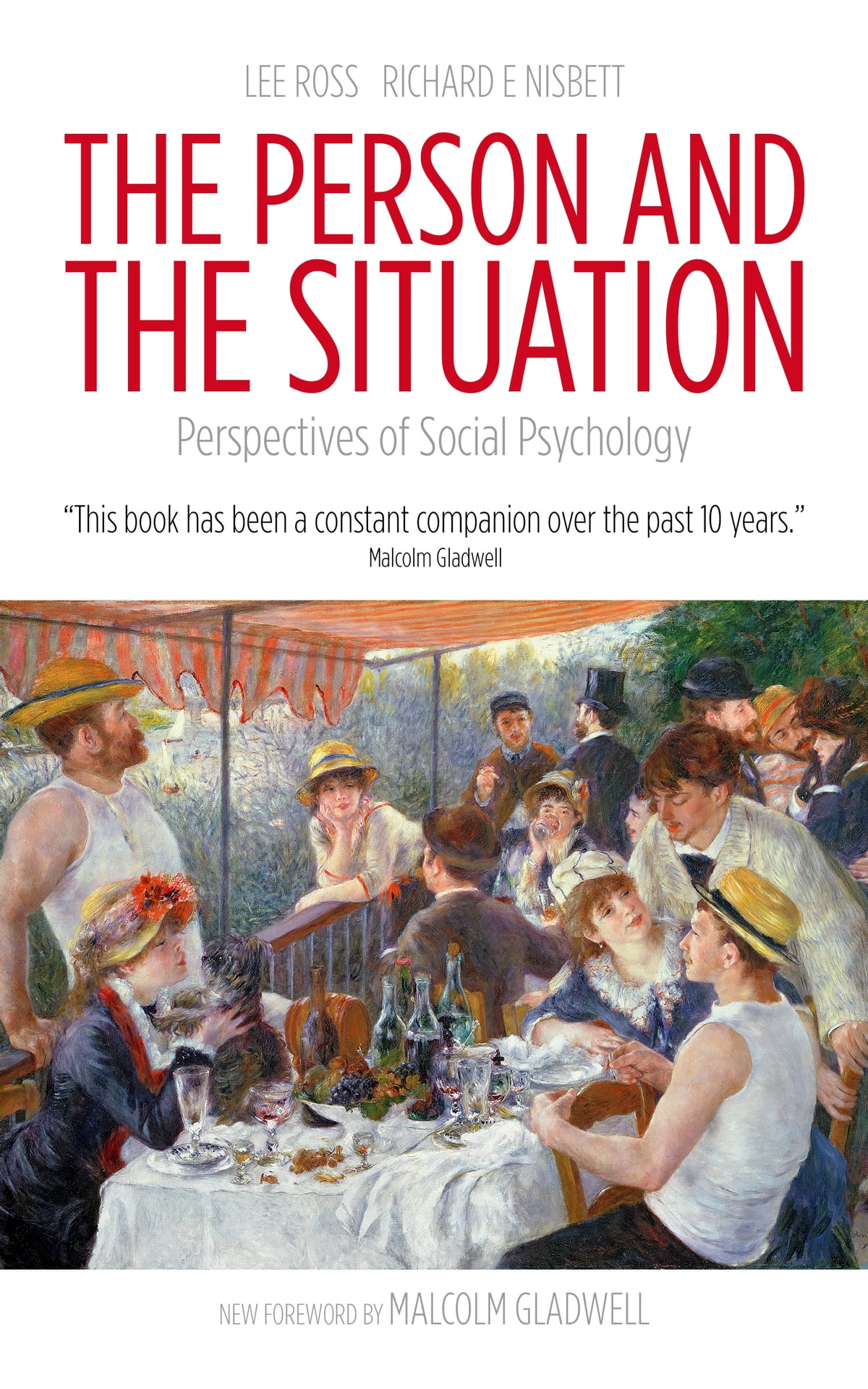
The Person and the Situation PDF - لي روس
لي روس • علم النفس • ٣٠٩ الصفحات
(0)
اقتباس
مراجعة
حفظ
مشاركة
وصف الكتاب
The Person and the Situation by Lee Ross
The Person and the Situation: Perspectives of Social Psychology is a landmark work in modern social psychology that challenges one of the most common assumptions people make about human behavior: the belief that personality alone determines how individuals think, act, and make decisions. Written by renowned psychologists Lee Ross and Richard E. Nisbett, this influential book explores how situations, environments, social pressures, and subtle contextual factors often shape behavior far more powerfully than stable personality traits. (besci.org)
Blending classic psychological experiments, behavioral research, philosophical reflection, and real-world examples, the book offers readers a deep yet accessible introduction to the foundations of social psychology. Rather than presenting human behavior as fixed and predictable, Ross and Nisbett reveal the complexity of social influence and demonstrate how ordinary people can behave in dramatically different ways depending on context, expectations, and environmental conditions. (Forage)
A Foundational Book in Social Psychology
Widely regarded as one of the most important books in behavioral science and social psychology, The Person and the Situation examines the tension between dispositional explanations of behavior and situational explanations. The authors argue that people consistently overestimate the role of personality while underestimating the power of external circumstances — a cognitive bias now commonly known as the fundamental attribution error. (Goodreads)
Through engaging discussions of famous psychological studies involving conformity, obedience, perception, persuasion, and social judgment, the book explains why individuals often misunderstand both themselves and others. Readers are introduced to influential concepts such as attribution theory, social influence, construal, channel factors, tension systems, and behavioral consistency. These ideas are presented not as abstract academic theories, but as practical tools for understanding relationships, organizations, politics, education, negotiation, and everyday decision-making. (besci.org)
The writing combines intellectual depth with clarity, making the book valuable for psychology students, researchers, professionals, and curious general readers interested in human nature and behavior.
Exploring the Power of Situations
One of the central insights of the book is that small situational differences can produce surprisingly large behavioral outcomes. Ross and Nisbett demonstrate how factors that appear insignificant — social expectations, environmental cues, timing, framing, peer pressure, or institutional structures — can dramatically influence moral choices, judgments, and actions. (besci.org)
The authors challenge the traditional belief that behavior reflects stable character traits across situations. Instead, they explain that human behavior is often context-dependent and shaped by how people interpret the environments around them. This perspective reshapes the way readers think about success, failure, conflict, prejudice, cooperation, and responsibility.
The book also explores why people are often poor judges of their own motivations and why social misunderstandings are so common. By examining how perception and interpretation influence reactions, the authors reveal the hidden psychological mechanisms behind disagreement, stereotyping, and interpersonal conflict. These discussions remain highly relevant in contemporary conversations about politics, media, leadership, workplace culture, and social behavior.
Key Themes and Psychological Concepts
Throughout the book, readers encounter many of the foundational concepts that define modern social psychology. Topics explored include:
- The influence of social environments on behavior
- Fundamental attribution error and dispositional bias
- Conformity and obedience studies
- Social perception and judgment
- Cognitive biases and decision-making
- Framing effects and construal processes
- Group dynamics and social influence
- Personality versus situational explanations
- Predictability of human behavior
- Behavioral interventions and social change
The authors connect these ideas to both laboratory research and real-life situations, helping readers understand why people frequently act inconsistently across different circumstances. This combination of theory and practical application makes the book especially valuable for readers interested in behavioral economics, sociology, organizational psychology, communication, negotiation, and leadership studies.
Writing Style and Reading Experience
Although grounded in serious academic research, The Person and the Situation is written in a thoughtful and engaging style that rewards careful reading. The book does not rely on sensationalism or oversimplified pop psychology. Instead, it presents rigorous ideas in a clear narrative voice that encourages reflection and critical thinking.
Readers who enjoy intellectually rich nonfiction, behavioral science books, and psychology classics will appreciate the depth of analysis and the authors’ ability to connect scientific findings with everyday human experience. The text balances scholarly credibility with readability, making it suitable for advanced students while remaining accessible to motivated general audiences. (Goodreads)
The influence of the book extends far beyond academic psychology. Writer Malcolm Gladwell, who contributed a foreword to later editions, described the work as deeply influential on his own thinking and writing about human behavior and social systems. (Google Books)
Why Readers Continue to Discover This Book
Decades after its original publication, The Person and the Situation remains one of the most respected introductions to social psychological thinking. Its arguments continue to shape conversations in psychology, business, public policy, education, law, negotiation, and behavioral science. The book’s insights feel especially relevant in a world increasingly focused on human behavior, decision-making, social influence, and cognitive bias.
Readers searching for books about human behavior, behavioral psychology, social influence, critical thinking, cognitive bias, persuasion, or the psychology of decision-making will find this work both intellectually rewarding and practically insightful. It appeals to those interested in understanding why people behave differently across situations and how environments can quietly shape beliefs, actions, and relationships.
For anyone seeking a deeper understanding of the forces that influence human conduct, The Person and the Situation offers a sophisticated and enduring perspective on the relationship between individuals and the social worlds they inhabit. (besci.org)
لي روس
لي روس يُعد واحدًا من أبرز علماء النفس الاجتماعي في العصر الحديث، وقد ارتبط اسمه بالعديد من النظريات والدراسات التي غيّرت الطريقة التي يفهم بها الباحثون السلوك الإنساني والعلاقات الاجتماعية وآليات اتخاذ القرار. اشتهر لي روس بشكل خاص من خلال كتابه المهم «الشخص والموقف: رؤى في علم النفس الاجتماعي» الذي شارك في تأليفه مع ريتشارد نيسبيت، وهو من الكتب الكلاسيكية المؤثرة في مجال علم النفس الاجتماعي المعاصر. ركز لي روس في أعماله الفكرية والبحثية على العلاقة المعقدة بين شخصية الإنسان والظروف المحيطة به، موضحًا أن السلوك البشري لا يمكن تفسيره فقط من خلال الصفات الشخصية أو الطباع الفردية، بل يجب فهمه ضمن السياق الاجتماعي والمواقف التي يعيشها الإنسان يوميًا.
ولد لي روس في الولايات المتحدة الأمريكية، وعمل أستاذًا لعلم النفس في جامعة ستانفورد، حيث أصبح اسمه مرتبطًا بالأبحاث المتقدمة في مجالات الإدراك الاجتماعي والانحيازات المعرفية وحل النزاعات الاجتماعية والسياسية. وقد ساهم في تطوير مفاهيم أصبحت من أساسيات علم النفس الاجتماعي، مثل “خطأ الإسناد الأساسي”، وهو الميل إلى تفسير تصرفات الآخرين بناءً على شخصياتهم فقط مع تجاهل تأثير الظروف الخارجية. كما ارتبط اسمه بمفهوم “الواقعية الساذجة”، الذي يشرح كيف يعتقد الأفراد أن رؤيتهم للعالم هي الرؤية الموضوعية الوحيدة، بينما يعتبرون آراء الآخرين متحيزة أو غير عقلانية.
في كتاب «الشخص والموقف: رؤى في علم النفس الاجتماعي»، يقدم لي روس تحليلًا عميقًا للطريقة التي تؤثر بها البيئات الاجتماعية والمواقف المختلفة على السلوك الإنساني. يوضح الكتاب أن الناس غالبًا ما يبالغون في تقدير دور الشخصية الفردية، بينما يقللون من قوة الظروف المحيطة. ومن خلال استعراض تجارب نفسية شهيرة ودراسات اجتماعية مؤثرة، يبين لي روس كيف يمكن لعوامل بسيطة في البيئة أن تغيّر تصرفات الإنسان بشكل جذري. وقد ساعد هذا الكتاب على إعادة تشكيل فهم الكثير من الباحثين والطلاب للعلاقة بين الفرد والمجتمع، وأصبح مرجعًا أكاديميًا مهمًا في الجامعات ومراكز البحث حول العالم.
تميز أسلوب لي روس بالجمع بين العمق الأكاديمي والقدرة على تبسيط الأفكار المعقدة، وهو ما جعل كتبه وأبحاثه قريبة من القارئ العام والمتخصص في الوقت نفسه. لم يكن هدفه مجرد تقديم نظريات مجردة، بل كان يسعى إلى تفسير النزاعات وسوء الفهم بين البشر، سواء في العلاقات اليومية أو في الصراعات السياسية والثقافية الكبرى. ولذلك شارك في أبحاث تتعلق بحل النزاعات والتفاوض والتفاهم بين الجماعات المختلفة، كما ساهم في إنشاء مراكز أكاديمية متخصصة في دراسة الصراع والتواصل الاجتماعي.
وقد امتد تأثير لي روس إلى مجالات متعددة خارج علم النفس، بما في ذلك السياسة والاقتصاد والإعلام والتعليم. اعتمد العديد من المفكرين والكتاب على أفكاره لفهم أسباب الانقسام الاجتماعي والتحيز الفكري وصعوبة الوصول إلى التفاهم المشترك بين الأفراد والجماعات. حتى الكاتب الشهير مالكوم جلادويل أشار إلى التأثير العميق الذي تركه كتاب «الشخص والموقف» في أعماله الفكرية والكتابية، معتبرًا أن الكثير من أفكاره مستوحاة من رؤى لي روس وريتشارد نيسبيت حول السلوك الإنساني.
كما عُرف لي روس بإسهاماته في دراسة تأثير الجماعة على الفرد، والطريقة التي يمكن أن تؤدي بها الضغوط الاجتماعية إلى تغيّر الأحكام والقرارات الشخصية. وقد تناول في أبحاثه موضوعات مثل التحيز الإدراكي، والاستقطاب الفكري، وسوء تفسير نوايا الآخرين، وهي قضايا أصبحت أكثر أهمية في عصر الإعلام الرقمي ووسائل التواصل الاجتماعي. ومن خلال هذه الدراسات، ساعد لي روس على توضيح الأسباب النفسية وراء انتشار الخلافات والتوترات الاجتماعية والسياسية في المجتمعات الحديثة.
إرث لي روس العلمي لا يقتصر على كتبه ومقالاته الأكاديمية فقط، بل يمتد إلى التأثير العميق الذي تركه على أجيال من الباحثين والطلاب والمتخصصين في العلوم الإنسانية. فقد ساهم في جعل علم النفس الاجتماعي أكثر ارتباطًا بالحياة اليومية، وأكثر قدرة على تفسير المشكلات الواقعية التي يواجهها الناس في العمل والأسرة والمجتمع. وما زالت أفكاره تُدرّس في الجامعات وتُناقش في المؤتمرات العلمية، باعتبارها من الركائز الأساسية لفهم السلوك الإنساني والعلاقات الاجتماعية في العالم المعاصر.
اكسب مكافآت أثناء القراءة!
كل 10 صفحات تقرؤها وتقضى فيها 30 ثانية تمنحك 5 نقاط مكافأة! واصل القراءة لفتح الإنجازات والمزايا الحصرية.
اقرأ
قيم الآن
5 نجوم
4 نجوم
3 نجوم
2 نجوم
1 نجوم
اقتباسات The Person and the Situation
الأعلى تقييماً
الأحدث
اقتباس
كن أول من يترك اقتباسًا واكسب 10 نقاط
بدلاً من 3
'%20/%3e%3c/svg%3e "The Man Who Mistook His Wife for a Hat")
التعليقات
كن أول من يترك تعليقًا واكسب 5 نقاط
بدلاً من 3