

مصدر الكتاب
تم نشر هذا الكتاب بهدف النفع العام، وذلك بموجب رخصة المشاع الإبداعي، أو بناءً على موافقة من المؤلف أو دار النشر. في حال وجود أي اعتراض على النشر، يُرجى التواصل معنا لنتخذ الإجراء المناسب.
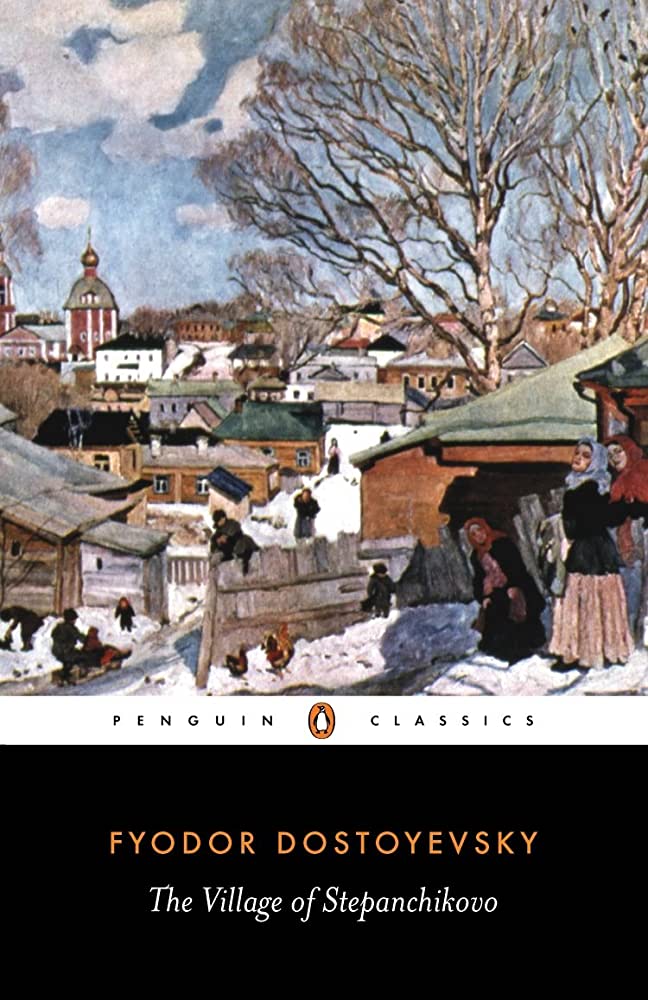
The Village of Stepanchikovo and Its Inhabitants PDF - فيودور دوستويفسكي
فيودور دوستويفسكي • روايات أدبية • ٣٠٦ الصفحات
(0)
اقتباس
مراجعة
حفظ
مشاركة
وصف الكتاب
The Village of Stepanchikovo by Fyodor Dostoevsky
The Village of Stepanchikovo by Fyodor Dostoevsky is a brilliant and often overlooked work of classic Russian literature, combining sharp social comedy, psychological observation, and satirical portraiture in a story of domestic tyranny and moral absurdity. First published in 1859 under the fuller title The Village of Stepanchikovo and Its Inhabitants, the novel belongs to the period after Dostoevsky’s return from Siberian punishment and military service, and it reveals a lighter, more theatrical side of the author while still carrying the emotional tension and human insight that would define his later masterpieces.
A comic Russian classic about power, vanity, and manipulation
The story begins when the young narrator, Sergey Alexandrovich, is summoned from St. Petersburg to the country estate of his uncle, the kind-hearted retired colonel Yegor Rostanev. What should be a family visit soon turns into an encounter with a household ruled by confusion, emotional pressure, and ridiculous authority. At the center of this chaos stands Foma Opiskin, a pretentious and manipulative dependent who has managed to present himself as a moral guide while bending the entire estate to his will. Through Sergey’s eyes, the reader enters a world where good intentions are exploited, vanity disguises itself as virtue, and private family life becomes a stage for comic humiliation and psychological control.
The reading experience: satire with Dostoevsky’s psychological depth
Although Dostoevsky is best known for intense philosophical novels such as Crime and Punishment, The Idiot, Demons, and The Brothers Karamazov, this book shows his gift for comedy, caricature, and dramatic confrontation. The Village of Stepanchikovo is often described as Gogolian in style and tone, and its humor comes from exaggeration, social embarrassment, absurd speeches, theatrical reversals, and the exposure of false moral superiority. Yet beneath the farce lies a serious study of domination: how a weak but self-righteous personality can control others through guilt, flattery, fear, and performance. A memorable portrait of Foma Opiskin
Foma Opiskin is one of Dostoevsky’s most vivid comic creations: ridiculous, cruel, wounded, vain, and strangely powerful. He is not a ruler by wealth or rank, but by psychological pressure. He survives by making others feel morally inferior, and he transforms ordinary domestic situations into ceremonies of obedience. For readers interested in Dostoevsky’s characters, Foma is especially fascinating because he anticipates later figures in the author’s fiction: people who use ideas, language, suffering, or supposed virtue as instruments of power. His presence makes the novel both entertaining and unsettling, because the comedy repeatedly reveals how easily kindness can become submissiveness when confronted by shameless manipulation.
Themes of family, authority, and social performance
At its heart, The Village of Stepanchikovo is a novel about a household losing its sense of proportion. Dostoevsky explores the fragile boundaries between generosity and weakness, morality and vanity, respect and servility. Colonel Rostanev is gentle and sincere, but his goodness leaves him vulnerable to stronger and more theatrical personalities. Around him gather relatives, dependents, servants, matchmakers, and social climbers, each adding to the pressure inside the estate. The result is a richly populated comic world where every conversation carries hidden motives and every gesture may become part of a larger struggle for influence.
Why this book matters in Dostoevsky’s work
For readers approaching Fyodor Dostoevsky beyond his most famous novels, The Village of Stepanchikovo offers an important glimpse into his development as a writer. It is less dark than many of his later works, but it already contains the seeds of his mature art: intense dialogue, unstable social situations, wounded pride, moral performance, and characters who reveal themselves through contradiction. Penguin Classics notes that the novel offers insight into the genesis of characters and situations that would later appear in major works such as The Idiot, Devils, and The Brothers Karamazov.
For readers of Russian literature and classic fiction
This novel will appeal to readers who enjoy Russian classics, satirical fiction, literary comedy, and character-driven novels about family conflict and social hypocrisy. It is also a strong choice for readers who want a different entry point into Dostoevsky: one that is comic, energetic, and theatrical rather than immediately tragic or philosophical. While the book has the density and emotional intensity expected from nineteenth-century Russian literature, its domestic setting and farcical structure make it unusually lively, filled with scenes of argument, misunderstanding, and escalating absurdity.
A distinctive and rewarding Dostoevsky novel
The Village of Stepanchikovo remains a rewarding work because it reveals how comedy can expose serious truths. Dostoevsky turns a country estate into a miniature society, showing how people submit to false authority, how vanity can imitate wisdom, and how moral language can become a mask for selfishness. The novel’s humor is not merely decorative; it is a way of uncovering the hidden violence of everyday manipulation. For anyone interested in Dostoevsky’s lesser-known books, classic Russian satire, or the early forms of his psychological fiction, The Village of Stepanchikovo is a rich, lively, and memorable reading experience.
فيودور دوستويفسكي
كان فيودور دوستويفسكي روائيًا وفيلسوفًا وكاتب مقالات روسيًا ، ويُعتبر على نطاق واسع أحد أعظم الكتاب في الأدب الغربي. ولد في موسكو عام 1821 ونشأ في عائلة من الطبقة المتوسطة. كان والده طبيبًا يعالج الفقراء مجانًا ، الأمر الذي غرس في دوستويفسكي إحساسًا عميقًا بالعدالة الاجتماعية والتعاطف مع المضطهدين.
بدأ دوستويفسكي مسيرته الكتابية في أربعينيات القرن التاسع عشر بسلسلة من الروايات والقصص القصيرة التي استكشفت تعقيدات الطبيعة البشرية والجانب المظلم للمجتمع الروسي. نُشرت روايته الرئيسية الأولى "فقراء" عام 1846 وحظيت بإشادة النقاد. ومع ذلك ، كانت أعماله اللاحقة ، مثل "الجريمة والعقاب" و "الأبله" و "الأخوان كارامازوف" ، هي التي جعلت منه أستاذًا أدبيًا.
تشتهر كتابات دوستويفسكي بعمقها النفسي وموضوعاتها الفلسفية واستكشاف حالة الإنسان. غالبًا ما تصارع شخصياته مع المعضلات الأخلاقية والأسئلة الوجودية ، وتتصارع مع قضايا الإيمان والأخلاق ومعنى الحياة. تستكشف أعماله أيضًا القضايا السياسية والاجتماعية في عصره ، بما في ذلك الفقر والجريمة والقمع السياسي.
اتسمت حياة دوستويفسكي بمأساة شخصية واضطراب سياسي. تم القبض عليه في عام 1849 لتورطه مع مجموعة من المثقفين الليبراليين وحُكم عليه بالإعدام ، فقط لتخفف العقوبة إلى الأشغال الشاقة في سيبيريا. عاد إلى روسيا بعد أن قضى عقوبته ، لكنه استمر في النضال ضد الفقر والمرض طوال حياته. توفي عام 1881 عن عمر يناهز 59 عامًا.
على الرغم من حياته المضطربة ، فإن إرث دوستويفسكي ككاتب ومفكر لا يزال قائما. تستمر أعماله في القراءة والدراسة على نطاق واسع اليوم ، ولا تزال أفكاره حول الحالة الإنسانية ودور الإيمان في المجتمع تلقى صدى لدى القراء في جميع أنحاء العالم.
اكسب مكافآت أثناء القراءة!
كل 10 صفحات تقرؤها وتقضى فيها 30 ثانية تمنحك 5 نقاط مكافأة! واصل القراءة لفتح الإنجازات والمزايا الحصرية.
اقرأ
قيم الآن
5 نجوم
4 نجوم
3 نجوم
2 نجوم
1 نجوم
اقتباسات The Village of Stepanchikovo and Its Inhabitants
الأعلى تقييماً
الأحدث
اقتباس
كن أول من يترك اقتباسًا واكسب 10 نقاط
بدلاً من 3
'%20/%3e%3c/svg%3e "The Brothers Karamazov")
التعليقات
كن أول من يترك تعليقًا واكسب 5 نقاط
بدلاً من 3