

مصدر الكتاب
تم نشر هذا الكتاب بهدف النفع العام، وذلك بموجب رخصة المشاع الإبداعي، أو بناءً على موافقة من المؤلف أو دار النشر. في حال وجود أي اعتراض على النشر، يُرجى التواصل معنا لنتخذ الإجراء المناسب.
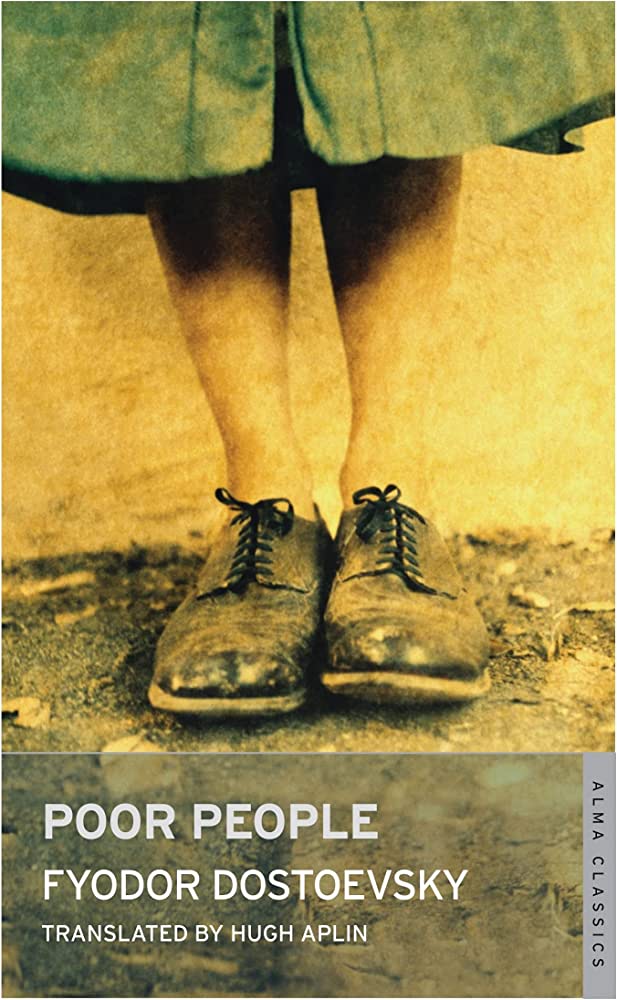
Poor People PDF - فيودور دوستويفسكي
فيودور دوستويفسكي • روايات أدبية • ٢٢٣ الصفحات
(0)
اقتباس
مراجعة
حفظ
مشاركة
وصف الكتاب
Poor People by Fyodor Dostoevsky: A Moving Early Classic of Russian Literature
Poor People, also widely known in English as Poor Folk, is the first published novel by Fyodor Dostoevsky, one of the most important writers in world literature. First published in 1846, this early work introduces many of the concerns that would later define Dostoevsky’s fiction: poverty, shame, moral vulnerability, human dignity, social injustice, emotional dependence, and the inner life of people pushed to the edges of society. Written as an epistolary novel, the book unfolds through letters exchanged between two poor residents of St. Petersburg, Makar Devushkin and Varvara Dobroselova, whose fragile bond becomes a quiet but deeply affecting portrait of hardship and compassion.
A Tender Story Told Through Letters
The power of Poor People by Fyodor Dostoevsky lies in its intimate form. Rather than presenting the story from a distant narrator’s point of view, Dostoevsky allows the characters to reveal themselves through their own words. Their letters are full of worry, tenderness, embarrassment, pride, fear, hope, and misunderstanding. This gives the novel a personal immediacy that makes the reader feel close to the emotional lives of its characters, as if reading not only a story about poverty but also a private record of the human need to be seen and valued.
At the center of the novel is the relationship between Makar Devushkin, a poor copy clerk, and Varvara Dobroselova, a young woman facing her own precarious circumstances. Their connection is marked by care, dependence, sacrifice, and emotional delicacy. Makar’s letters often show his desperate wish to protect Varvara and preserve his own sense of worth, while Varvara’s responses reveal intelligence, vulnerability, memory, and a painful awareness of the narrow choices available to someone in her position. Through their correspondence, Dostoevsky creates a world where small gestures carry enormous emotional weight.
Poverty, Dignity, and the “Little Man”
As a classic Russian novel about poverty, Poor People is not simply interested in economic hardship as background detail. Poverty shapes the characters’ speech, decisions, self-image, relationships, and sense of possibility. Dostoevsky shows how material deprivation can become psychological pressure: a worn coat, a borrowed coin, an unpaid debt, or a humiliating encounter can affect a person’s entire understanding of himself. The novel is especially powerful in its portrayal of the “little man,” a figure in Russian literature often associated with humble clerks, minor officials, and ordinary people whose lives are overlooked by the powerful.
Yet Dostoevsky does not reduce his characters to symbols of misery. Makar and Varvara are poor, but they are not empty figures of pity. They think, feel, dream, read, judge, remember, and suffer with complexity. The novel asks the reader to recognize the full humanity of people whom society tends to ignore. This is one reason Poor People remains an important work for readers interested in social realism, psychological fiction, nineteenth-century Russian literature, and Dostoevsky’s early writing.
The Beginning of Dostoevsky’s Literary World
For readers discovering Fyodor Dostoevsky, Poor People offers a fascinating entry point into the author’s development. Later masterpieces such as Crime and Punishment, The Idiot, Demons, and The Brothers Karamazov would explore moral conflict, spiritual crisis, guilt, freedom, and suffering on a vast scale. In Poor People, those themes appear in a quieter, more concentrated form. The setting is narrower, the plot is more restrained, and the emotional drama is built through letters rather than dramatic confrontation, but the Dostoevskian intensity is already visible.
The novel also belongs to the literary atmosphere of nineteenth-century St. Petersburg, a city that would become one of Dostoevsky’s most memorable fictional landscapes. In Poor People, St. Petersburg is not merely a location; it is a social environment of cramped rooms, fragile reputations, bureaucratic dependence, and constant financial anxiety. The city presses upon the characters, reminding them of their vulnerability while also intensifying their longing for affection, respect, and escape. Project Gutenberg identifies the work as centered on two impoverished distant relatives in St. Petersburg, and Britannica notes its importance as Dostoevsky’s first major literary success.
An Emotional Reading Experience Without Sentimentality
Although Poor People is a deeply emotional book, its emotional force does not come from exaggerated drama. Much of its impact comes from restraint. Dostoevsky pays attention to the small humiliations that accumulate in the lives of the poor and to the ways people try to protect themselves from shame. Makar’s tenderness can be moving, but it can also be anxious and self-deceiving. Varvara’s vulnerability invites sympathy, but her voice is not passive; she observes, remembers, and understands more than others may realize. This emotional complexity keeps the novel from becoming a simple tale of suffering.
The letter form also makes the reading experience unusually intimate. Each character is partly honest and partly guarded. What they say matters, but what they avoid saying matters too. Their words reveal affection, but also dependence and fear. Their kindness can be generous, but it can also be painful because it exists in a world where kindness alone cannot solve material hardship. This tension gives Poor People its lasting poignancy and makes it rewarding for readers who appreciate character-driven literary fiction.
Who Should Read Poor People?
Poor People is an excellent choice for readers interested in Dostoevsky’s first novel, Russian classics, epistolary fiction, and literature that explores the relationship between social conditions and inner life. It is especially valuable for those who want to understand how Dostoevsky began as a writer before the major philosophical novels that made him internationally famous. Readers who enjoy psychologically detailed fiction will find in Makar and Varvara early examples of Dostoevsky’s gift for revealing conflict within ordinary speech and emotion.
This book may also appeal to readers of Nikolai Gogol, Charles Dickens, and other writers concerned with poverty, bureaucracy, compassion, and social inequality. Like many great works of nineteenth-century literature, Poor People combines social observation with moral sensitivity. It asks not only how people survive hardship, but how they preserve self-respect when the world repeatedly denies them comfort, security, and recognition.
Why Poor People Still Matters
The lasting value of Poor People by Fyodor Dostoevsky comes from its quiet insistence that no human life is small from the inside. The novel shows how poverty can distort relationships, limit choices, and expose people to humiliation, but it also shows how deeply people continue to need affection, meaning, and dignity. Its characters may live in narrow circumstances, yet their emotional lives are vast. That contrast gives the book much of its beauty.
For anyone searching for a thoughtful Poor People book description, a meaningful introduction to Fyodor Dostoevsky’s early work, or a classic novel about poverty and human dignity, this book remains a compelling and important read. It is a tender, sorrowful, and psychologically rich work that reveals the young Dostoevsky already attentive to the hidden drama of ordinary people, and to the moral seriousness of lives that society too easily overlooks.
فيودور دوستويفسكي
كان فيودور دوستويفسكي روائيًا وفيلسوفًا وكاتب مقالات روسيًا ، ويُعتبر على نطاق واسع أحد أعظم الكتاب في الأدب الغربي. ولد في موسكو عام 1821 ونشأ في عائلة من الطبقة المتوسطة. كان والده طبيبًا يعالج الفقراء مجانًا ، الأمر الذي غرس في دوستويفسكي إحساسًا عميقًا بالعدالة الاجتماعية والتعاطف مع المضطهدين.
بدأ دوستويفسكي مسيرته الكتابية في أربعينيات القرن التاسع عشر بسلسلة من الروايات والقصص القصيرة التي استكشفت تعقيدات الطبيعة البشرية والجانب المظلم للمجتمع الروسي. نُشرت روايته الرئيسية الأولى "فقراء" عام 1846 وحظيت بإشادة النقاد. ومع ذلك ، كانت أعماله اللاحقة ، مثل "الجريمة والعقاب" و "الأبله" و "الأخوان كارامازوف" ، هي التي جعلت منه أستاذًا أدبيًا.
تشتهر كتابات دوستويفسكي بعمقها النفسي وموضوعاتها الفلسفية واستكشاف حالة الإنسان. غالبًا ما تصارع شخصياته مع المعضلات الأخلاقية والأسئلة الوجودية ، وتتصارع مع قضايا الإيمان والأخلاق ومعنى الحياة. تستكشف أعماله أيضًا القضايا السياسية والاجتماعية في عصره ، بما في ذلك الفقر والجريمة والقمع السياسي.
اتسمت حياة دوستويفسكي بمأساة شخصية واضطراب سياسي. تم القبض عليه في عام 1849 لتورطه مع مجموعة من المثقفين الليبراليين وحُكم عليه بالإعدام ، فقط لتخفف العقوبة إلى الأشغال الشاقة في سيبيريا. عاد إلى روسيا بعد أن قضى عقوبته ، لكنه استمر في النضال ضد الفقر والمرض طوال حياته. توفي عام 1881 عن عمر يناهز 59 عامًا.
على الرغم من حياته المضطربة ، فإن إرث دوستويفسكي ككاتب ومفكر لا يزال قائما. تستمر أعماله في القراءة والدراسة على نطاق واسع اليوم ، ولا تزال أفكاره حول الحالة الإنسانية ودور الإيمان في المجتمع تلقى صدى لدى القراء في جميع أنحاء العالم.
اكسب مكافآت أثناء القراءة!
كل 10 صفحات تقرؤها وتقضى فيها 30 ثانية تمنحك 5 نقاط مكافأة! واصل القراءة لفتح الإنجازات والمزايا الحصرية.
اقرأ
قيم الآن
5 نجوم
4 نجوم
3 نجوم
2 نجوم
1 نجوم
اقتباسات Poor People
الأعلى تقييماً
الأحدث
اقتباس
كن أول من يترك اقتباسًا واكسب 10 نقاط
بدلاً من 3
'%20/%3e%3c/svg%3e "The Brothers Karamazov")
التعليقات
كن أول من يترك تعليقًا واكسب 5 نقاط
بدلاً من 3