

مصدر الكتاب
تم نشر هذا الكتاب بهدف النفع العام، وذلك بموجب رخصة المشاع الإبداعي، أو بناءً على موافقة من المؤلف أو دار النشر. في حال وجود أي اعتراض على النشر، يُرجى التواصل معنا لنتخذ الإجراء المناسب.
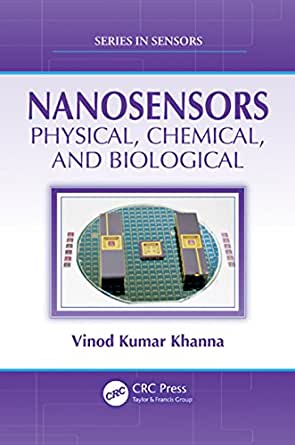
Nanosensors : physical, chemical, and biological PDF - فينود كومار خانا
فينود كومار خانا • النانو تكنولوجي • ٥٨ الصفحات
(0)
المؤلف
فينود كومار خاناالفئة
تكنولوجياالقسم
عدد التنزيلات
٤٨
عدد القراءات
١٢٢
حجم الملف
2.28 MB
المشاهدات
١٬٠٠٩
اقتباس
مراجعة
حفظ
مشاركة
وصف الكتاب
About Nanosensors: Physical, Chemical, and Biological by Vinod Kumar Khanna
Nanosensors: Physical, Chemical, and Biological is a comprehensive and technically detailed exploration of one of the fastest-growing areas in modern nanotechnology and sensor engineering. Written by renowned researcher and scientist Vinod Kumar Khanna, this book brings together the interdisciplinary worlds of physics, chemistry, biology, materials science, and electronics to explain how nanosensors are designed, fabricated, and applied across a wide range of industries and scientific fields.
The book serves as both an academic reference and a practical guide for readers interested in nanoscience, MEMS and NEMS technologies, biosensors, chemical sensing systems, and advanced sensor engineering. With a strong balance between theory, fabrication methods, device operation, and real-world applications, it provides readers with a broad yet detailed understanding of nanosensor technologies and their rapidly expanding role in science and industry.
Originally published by CRC Press, the work has become a recognized resource for graduate students, researchers, engineers, and professionals working in nanotechnology, electronics, semiconductor devices, biomedical engineering, and applied physics. (Routledge)
A Detailed Introduction to Nanosensor Technology
The book begins with a clear introduction to the foundations of nanosensors and the scientific principles that govern them. It explains how materials at the nanoscale exhibit unique electrical, optical, thermal, magnetic, and mechanical properties that differ significantly from bulk materials. These nanoscale phenomena enable the development of sensors with extremely high sensitivity, faster response times, lower power consumption, and improved selectivity.
Readers are introduced to the classification of nanosensors and the underlying mechanisms used in sensing technologies. The author carefully explains the relationship between nanomaterials and sensor performance, helping readers understand how nanostructures improve detection capabilities in applications ranging from environmental monitoring to medical diagnostics.
One of the strongest aspects of the book is its ability to connect theoretical concepts with engineering implementation. Complex scientific ideas are presented in a structured and accessible manner, making the text useful not only for specialists but also for advanced learners entering the field of nanotechnology for the first time.
Coverage of Physical, Chemical, and Biological Nanosensors
A major strength of Nanosensors: Physical, Chemical, and Biological is its extensive treatment of different nanosensor categories. The book is carefully organized into sections devoted to physical, chemical, and biological sensing systems, allowing readers to understand both the similarities and differences between these technologies.
The physical nanosensor section discusses devices based on mechanical, optical, thermal, acoustic, and magnetic principles. Topics such as nanoelectromechanical systems (NEMS), resonators, optical nanosensors, and magnetic sensing devices are explored in depth. These chapters are especially valuable for readers interested in semiconductor devices, nanoelectronics, and precision instrumentation.
The chemical nanosensor chapters examine molecular detection techniques, electrochemical sensing, gas sensors, and nanostructured materials used for detecting chemical species. Readers gain insight into how nanotechnology enhances sensitivity and selectivity in chemical analysis systems, particularly in industrial and environmental applications.
The biological nanosensor section focuses on biosensing technologies, including enzyme-based sensors, immunosensors, DNA sensors, and nanobiosensors used in healthcare and biotechnology. The book explains how biological recognition elements interact with nanoscale materials to create highly efficient diagnostic systems capable of detecting diseases, pathogens, and biomolecules with remarkable precision.
This interdisciplinary coverage makes the book particularly valuable for readers seeking a complete understanding of modern nanosensor research rather than a narrow focus on a single application area. (Routledge)
Nanomaterials and Fabrication Technologies
Another important aspect of the book is its discussion of nanomaterials and fabrication processes used in nanosensor development. The author explains the role of materials such as carbon nanotubes, graphene, nanowires, quantum dots, thin films, nanoparticles, and semiconductor nanostructures in advanced sensing systems.
The text also introduces readers to microfabrication and nanofabrication techniques commonly used in sensor manufacturing. Topics including lithography, deposition methods, etching processes, and cleanroom technologies are presented in a practical and educational way. This section is especially useful for engineering students and researchers involved in device fabrication and semiconductor processing.
By combining material science with sensor engineering, the book demonstrates how nanoscale design directly affects device sensitivity, reliability, miniaturization, and overall performance.
Real-World Applications and Emerging Technologies
Beyond theoretical discussion, Nanosensors: Physical, Chemical, and Biological strongly emphasizes practical applications and future technological trends. The book explores how nanosensors are transforming fields such as:
Medical diagnostics and healthcare monitoring
Environmental pollution detection
Food safety and quality control
Industrial automation and process monitoring
Homeland security and defense systems
Wireless nanosensor networks
Internet of Nano Things (IoNT)
Self-powered nanosensors and nanogenerators
These application-focused chapters help readers understand the enormous commercial and scientific importance of nanosensor technologies in the modern world. The author highlights current research challenges while also discussing future opportunities in nanotechnology-enabled sensing systems. (Routledge)
Writing Style and Educational Value
Despite covering highly technical material, the book is written in a clear and organized style that supports both independent learning and classroom use. The inclusion of diagrams, worked examples, mathematical explanations, review questions, and bibliographic references enhances its educational value and makes it suitable for university-level study and research work.
The text is especially beneficial for:
Graduate and postgraduate students in nanotechnology and engineering
Researchers in materials science and sensor development
Professionals working in MEMS/NEMS and semiconductor industries
Academics teaching nanoscale electronics and sensing systems
Scientists interested in biomedical and chemical sensing technologies
The book’s interdisciplinary approach allows readers from different scientific backgrounds to engage with the subject matter effectively.
Why This Book Remains Important in Nanotechnology Research
As nanotechnology continues to influence electronics, medicine, biotechnology, and industrial systems, nanosensors are becoming increasingly essential in both research and commercial applications. Nanosensors: Physical, Chemical, and Biological remains an important reference because it combines foundational principles with modern technological developments in a single, comprehensive resource.
Rather than focusing only on theory or only on applications, the book successfully bridges the gap between scientific understanding and engineering practice. Readers interested in advanced sensing technologies, smart devices, miniaturized systems, and next-generation diagnostics will find this work especially informative and valuable.
For anyone studying or researching nanoscale sensing systems, this book provides a thorough introduction to the concepts, materials, fabrication methods, operational principles, and future directions shaping the field of nanosensors today. (Routledge)
فينود كومار خانا
ولد فينود كومار خانا في 25 نوفمبر 1952 في لكناو ، أوتار براديش ، الهند ، وهو عالم فخري في هندسة الإلكترونيات معهد البحوث ، بيلاني ، راجستان ، الهند ، وأستاذ فخري ، AcSIR (أكاديمية البحث العلمي والابتكاري) ، الهند. وهو كبير العلماء والرئيس السابق لمجموعة MEMS and Microsensors Group و CSIR-CEERI و Pilani وأستاذ في AcSIR. خلال فترة خدمته لأكثر من 34 عامًا في CSIR-CEERI ، بدءًا من أبريل 1980 ، عمل على العديد من مشاريع البحث والتطوير على أجهزة أشباه الموصلات (مقوم التيار العالي والجهد العالي ، ترانزستور انحراف التلفزيون عالي الجهد ، ترانزستور دارلينجتون للطاقة ، ثايرستور للتبديل السريع ، DMOSFET و IGBT) ، مقياس جرعات نيوترون ثنائي الصمام الثنائي ومقياس جرعات أشعة غاما PMOSFET ، ترانزستور تأثير المجال الحساس للأيونات (ISFET) ، مستشعر غاز مدمج في السخان الصغير ، محول طاقة بالموجات فوق الصوتية بالسعة MEMS (CMUT) ، و أجهزة MEMS الأخرى. كانت اهتماماته البحثية عبارة عن أجهزة استشعار دقيقة ومتناهية الصغر وأجهزة أشباه موصلات الطاقة. من عام 1977 إلى عام 1979 ، كان مساعد باحث في قسم الفيزياء بجامعة لكناو. تشمل مندوبات الدكتور خانا في الخارج جامعة جامعة دارمشتات للتكنولوجيا ، ألمانيا ، 1999 ؛ معهد كورت شواب للقياس وتكنولوجيا الاستشعار e.V. ، Meinsberg ، ألمانيا ، 2008 ؛ ومعهد الفيزياء الكيميائية ، نوفوسيبيرسك ، روسيا ، 2009. كما شارك وقدم أوراق بحثية في الاجتماع السنوي IEEE-IAS ، دنفر ، كولورادو ، الولايات المتحدة الأمريكية ، 1986. حصل الدكتور خانا على درجة الماجستير. حاصل على درجة في الفيزياء مع تخصص في الإلكترونيات من جامعة لكناو عام 1975 ، ودكتوراه. حصل على درجة البكالوريوس في الفيزياء من جامعة كوروكشيترا ، كوروكشيترا ، هاريانا ، في عام 1988 لعمله على مستشعر الرطوبة بأكسيد الألومنيوم ذي الأغشية الرقيقة. زميل في معهد مهندسي الإلكترونيات والاتصالات (IETE) بالهند ، وهو عضو مدى الحياة في جمعية الفيزياء الهندية (IPA) ، وجمعية أشباه الموصلات (SSI) ، والهند والرابطة التقنية الهندية الفرنسية. نشر الدكتور خانا تسعة كتب وستة فصول في كتب محررة و 181 بحثًا في المجلات الوطنية / الدولية ووقائع المؤتمرات. وهو حاصل على براءتي اختراع من الولايات المتحدة واثنتين من الهند.
اكسب مكافآت أثناء القراءة!
كل 10 صفحات تقرؤها وتقضى فيها 30 ثانية تمنحك 5 نقاط مكافأة! واصل القراءة لفتح الإنجازات والمزايا الحصرية.
اقرأ
قيم الآن
5 نجوم
4 نجوم
3 نجوم
2 نجوم
1 نجوم
اقتباسات Nanosensors : physical, chemical, and biological
الأعلى تقييماً
الأحدث
اقتباس
كن أول من يترك اقتباسًا واكسب 10 نقاط
بدلاً من 3
كتب أخرى لـ فينود كومار خانا
'%20/%3e%3c/svg%3e "Integrated Nanoelectronics: Nanoscale CMOS, Post-CMOS and Allied Nanotechnologies")
فينود كومار خانا.
النانو تكنولوجي
(0)
1205
الإنجليزية
1004
الإنجليزية
فينود كومار خانا.
هندسة الاتصالات
(0)
1197
الإنجليزية
فينود كومار خانا.
هندسة الاتصالات
(0)
913
الإنجليزية
كتب أخرى مشابهة Nanosensors : physical, chemical, and biological
2303
الإنجليزية
التعليقات
كن أول من يترك تعليقًا واكسب 5 نقاط
بدلاً من 3