

مصدر الكتاب
تم نشر هذا الكتاب بهدف النفع العام، وذلك بموجب رخصة المشاع الإبداعي، أو بناءً على موافقة من المؤلف أو دار النشر. في حال وجود أي اعتراض على النشر، يُرجى التواصل معنا لنتخذ الإجراء المناسب.
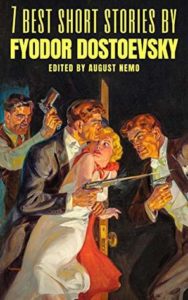
7 best short stories PDF - فيودور دوستويفسكي
فيودور دوستويفسكي • قصص قصيرة • ٢٧٨ الصفحات
(0)
اقتباس
مراجعة
حفظ
مشاركة
وصف الكتاب
7 Best Short Stories by Fyodor Dostoevsky: A Powerful Gateway into the Mind of a Literary Master
7 Best Short Stories by Fyodor Dostoevsky brings together a rich selection of short fiction and compact classics by one of the most influential writers in world literature. Known for his penetrating insight into guilt, longing, pride, poverty, faith, despair, moral conflict, and the hidden contradictions of the human heart, Fyodor Dostoevsky is often associated with monumental novels such as Crime and Punishment, The Idiot, Demons, and The Brothers Karamazov. Yet this collection shows that his shorter works can be just as intense, memorable, and psychologically revealing as his longer masterpieces.
This volume offers readers an accessible way to experience classic Russian literature through stories that move between romance, satire, philosophical confession, social observation, and spiritual awakening. Each piece opens a different door into Dostoevsky’s world: lonely dreamers wander through city nights, fragile men struggle with humiliation and temptation, children and adults confront moral cruelty, and troubled narrators wrestle with the meaning of suffering, freedom, and redemption. For readers searching for Dostoevsky short stories, Russian classics, philosophical fiction, or an introduction to the author’s major themes, this book is a compelling and rewarding choice.
A Carefully Chosen Collection of Dostoevsky’s Short Fiction
The stories included in 7 Best Short Stories by Fyodor Dostoevsky present a broad portrait of the author’s literary range. The collection features White Nights, An Honest Thief, The Christmas Tree and the Wedding, Notes from Underground, The Dream of a Ridiculous Man, A Little Hero, and Mr. Prohartchin. Together, these works highlight Dostoevsky’s ability to turn ordinary encounters into profound explorations of conscience, emotion, and moral uncertainty.
White Nights is one of Dostoevsky’s most beloved shorter works, a tender and melancholic story of loneliness, idealized love, and emotional vulnerability. Set against the atmosphere of St. Petersburg, it captures the fragile beauty of hope and the pain of awakening from romantic illusion. An Honest Thief examines weakness, pity, and moral failure with a mixture of compassion and sadness, while The Christmas Tree and the Wedding exposes social vanity and the cold calculations that can hide beneath respectable appearances.
In Notes from Underground, Dostoevsky gives readers one of the most famous voices in modern literature: a bitter, isolated narrator whose contradictions, resentments, and self-analysis anticipate many later developments in existential and psychological fiction. The Dream of a Ridiculous Man turns despair into a visionary moral journey, asking whether spiritual renewal is possible in a fallen world. A Little Hero offers a more delicate and youthful perspective on innocence, admiration, and emotional discovery, while Mr. Prohartchin explores poverty, secrecy, fear, and the tragic absurdities of a life ruled by anxiety.
Psychological Depth, Moral Conflict, and Human Contradiction
One of the central strengths of Fyodor Dostoevsky’s fiction is his extraordinary understanding of divided human nature. His characters rarely fit simple categories of good or evil. They may be generous and selfish, loving and cruel, proud and ashamed, hopeful and despairing—sometimes all within the same scene. This complexity gives the stories in this collection their lasting power. Dostoevsky does not merely describe behavior; he investigates the motives, wounds, excuses, and hidden desires that shape it.
Readers who appreciate psychological fiction will find in these stories an intense focus on inner life. Dostoevsky’s narrators and characters often argue with themselves, justify themselves, accuse themselves, or dream of becoming better than they are. Their conflicts are not only external but deeply internal. They struggle with humiliation, social failure, romantic disappointment, guilt, alienation, and the need to be seen and understood. This makes the collection especially appealing to readers who enjoy fiction that explores consciousness, emotional tension, and moral ambiguity.
At the same time, these stories are not abstract philosophical exercises. They are grounded in vivid human situations: a lonely man meets a young woman, a thief is treated with pity, a child witnesses adult corruption, a dream transforms a despairing soul, a poor official hides his terror behind secrecy and habit. Through these moments, Dostoevsky shows how spiritual and philosophical questions emerge from daily life, from the smallest acts of kindness, cruelty, pride, or cowardice.
A Classic Reading Experience for Lovers of Russian Literature
For anyone interested in Russian literature, this collection provides an excellent entry point into Dostoevsky’s style and vision. His world is marked by emotional intensity, moral seriousness, urban atmosphere, social inequality, and restless spiritual questioning. St. Petersburg appears not merely as a setting but as a psychological landscape: a place of narrow rooms, cold streets, sudden encounters, feverish thoughts, and lives pressed by poverty or loneliness.
The book is also valuable for readers who may find Dostoevsky’s great novels intimidating at first. While his longer works offer vast plots and complex networks of characters, these shorter selections allow readers to encounter his essential concerns in a more concentrated form. 7 Best Short Stories by Fyodor Dostoevsky can be read as an introduction to the author’s universe, a companion to his major novels, or a focused collection for readers already familiar with his work and eager to explore his shorter masterpieces.
The language and emotional force of these stories reward slow reading. Dostoevsky often builds tension through confession, conversation, memory, and sudden shifts in mood. A story may begin quietly and then open into a moral crisis; a seemingly minor character may reveal unexpected depth; a humorous or satirical scene may turn into a painful reflection on weakness or injustice. This layered reading experience is one reason Dostoevsky remains essential for students, classic literature readers, and anyone interested in the relationship between fiction and the human soul.
Themes of Loneliness, Faith, Suffering, and Redemption
The stories in this collection return again and again to themes that define Dostoevsky’s larger body of work. Loneliness appears in many forms: romantic loneliness, social isolation, spiritual exile, and the loneliness of people who cannot honestly face themselves. Suffering is never treated lightly, but Dostoevsky often suggests that suffering can expose truth, strip away illusion, and force a character toward moral recognition.
Faith and doubt also shape the emotional and philosophical texture of the collection. In works such as The Dream of a Ridiculous Man, despair becomes the starting point for a profound meditation on innocence, corruption, love, and the possibility of transformation. Dostoevsky’s religious and moral imagination does not offer easy answers; instead, it dramatizes the struggle between cynicism and hope, selfishness and compassion, destruction and renewal.
Another major theme is human dignity, especially among people who are poor, mocked, socially awkward, or morally compromised. Dostoevsky often looks closely at characters whom society might dismiss. He reveals their fears, dreams, embarrassments, and hidden tenderness. This attention to wounded dignity gives his fiction a deep emotional resonance and makes even his most flawed characters difficult to forget.
Who Should Read 7 Best Short Stories by Fyodor Dostoevsky?
7 Best Short Stories by Fyodor Dostoevsky is ideal for readers who want a meaningful introduction to Dostoevsky without beginning with one of his longest novels. It is also a strong choice for those who enjoy classic fiction, literary short stories, existential literature, moral philosophy in fiction, and emotionally complex narratives. Readers drawn to authors such as Franz Kafka, Leo Tolstoy, Anton Chekhov, Albert Camus, or Friedrich Nietzsche may find Dostoevsky’s shorter works especially compelling because of their intensity, psychological honesty, and philosophical depth.
This collection can also appeal to students and literature enthusiasts studying the development of modern fiction. Dostoevsky’s influence reaches far beyond nineteenth-century Russia, shaping later conversations about alienation, freedom, conscience, irrationality, and the divided self. Notes from Underground, in particular, remains a landmark for readers interested in existential thought and the emergence of the modern antihero, while White Nights continues to attract readers with its emotional delicacy and timeless portrait of longing.
For general readers, the collection offers variety and depth without requiring prior knowledge of Russian history or Dostoevsky’s biography. Each story can stand on its own, yet together they create a powerful picture of an author fascinated by the mysteries of personality, morality, and spiritual hunger. The result is a book that feels both historically rooted and strikingly modern.
A Lasting Collection from One of Literature’s Great Voices
7 Best Short Stories by Fyodor Dostoevsky is more than a selection of classic tales; it is a concentrated encounter with one of literature’s most searching minds. Through romance, confession, satire, tragedy, and vision, Dostoevsky explores the fragile boundary between pride and shame, despair and hope, cruelty and compassion. His characters may live in the world of nineteenth-century Russia, but their fears and desires remain deeply recognizable.
For readers looking for the best short stories by Fyodor Dostoevsky, this collection offers an engaging path into the author’s essential themes and unforgettable psychological landscapes. It captures the emotional force, moral seriousness, and philosophical richness that continue to make Dostoevsky one of the most widely read and discussed writers in world literature. Whether approached as an introduction, a study of short fiction, or a return to a classic author, this book offers a powerful reading experience that lingers long after the final page.
فيودور دوستويفسكي
كان فيودور دوستويفسكي روائيًا وفيلسوفًا وكاتب مقالات روسيًا ، ويُعتبر على نطاق واسع أحد أعظم الكتاب في الأدب الغربي. ولد في موسكو عام 1821 ونشأ في عائلة من الطبقة المتوسطة. كان والده طبيبًا يعالج الفقراء مجانًا ، الأمر الذي غرس في دوستويفسكي إحساسًا عميقًا بالعدالة الاجتماعية والتعاطف مع المضطهدين.
بدأ دوستويفسكي مسيرته الكتابية في أربعينيات القرن التاسع عشر بسلسلة من الروايات والقصص القصيرة التي استكشفت تعقيدات الطبيعة البشرية والجانب المظلم للمجتمع الروسي. نُشرت روايته الرئيسية الأولى "فقراء" عام 1846 وحظيت بإشادة النقاد. ومع ذلك ، كانت أعماله اللاحقة ، مثل "الجريمة والعقاب" و "الأبله" و "الأخوان كارامازوف" ، هي التي جعلت منه أستاذًا أدبيًا.
تشتهر كتابات دوستويفسكي بعمقها النفسي وموضوعاتها الفلسفية واستكشاف حالة الإنسان. غالبًا ما تصارع شخصياته مع المعضلات الأخلاقية والأسئلة الوجودية ، وتتصارع مع قضايا الإيمان والأخلاق ومعنى الحياة. تستكشف أعماله أيضًا القضايا السياسية والاجتماعية في عصره ، بما في ذلك الفقر والجريمة والقمع السياسي.
اتسمت حياة دوستويفسكي بمأساة شخصية واضطراب سياسي. تم القبض عليه في عام 1849 لتورطه مع مجموعة من المثقفين الليبراليين وحُكم عليه بالإعدام ، فقط لتخفف العقوبة إلى الأشغال الشاقة في سيبيريا. عاد إلى روسيا بعد أن قضى عقوبته ، لكنه استمر في النضال ضد الفقر والمرض طوال حياته. توفي عام 1881 عن عمر يناهز 59 عامًا.
على الرغم من حياته المضطربة ، فإن إرث دوستويفسكي ككاتب ومفكر لا يزال قائما. تستمر أعماله في القراءة والدراسة على نطاق واسع اليوم ، ولا تزال أفكاره حول الحالة الإنسانية ودور الإيمان في المجتمع تلقى صدى لدى القراء في جميع أنحاء العالم.
اكسب مكافآت أثناء القراءة!
كل 10 صفحات تقرؤها وتقضى فيها 30 ثانية تمنحك 5 نقاط مكافأة! واصل القراءة لفتح الإنجازات والمزايا الحصرية.
اقرأ
قيم الآن
5 نجوم
4 نجوم
3 نجوم
2 نجوم
1 نجوم
اقتباسات 7 best short stories
الأعلى تقييماً
الأحدث
اقتباس
كن أول من يترك اقتباسًا واكسب 10 نقاط
بدلاً من 3
'%20/%3e%3c/svg%3e "The Brothers Karamazov")
التعليقات
كن أول من يترك تعليقًا واكسب 5 نقاط
بدلاً من 3