

مصدر الكتاب
تم نشر هذا الكتاب بهدف النفع العام، وذلك بموجب رخصة المشاع الإبداعي، أو بناءً على موافقة من المؤلف أو دار النشر. في حال وجود أي اعتراض على النشر، يُرجى التواصل معنا لنتخذ الإجراء المناسب.
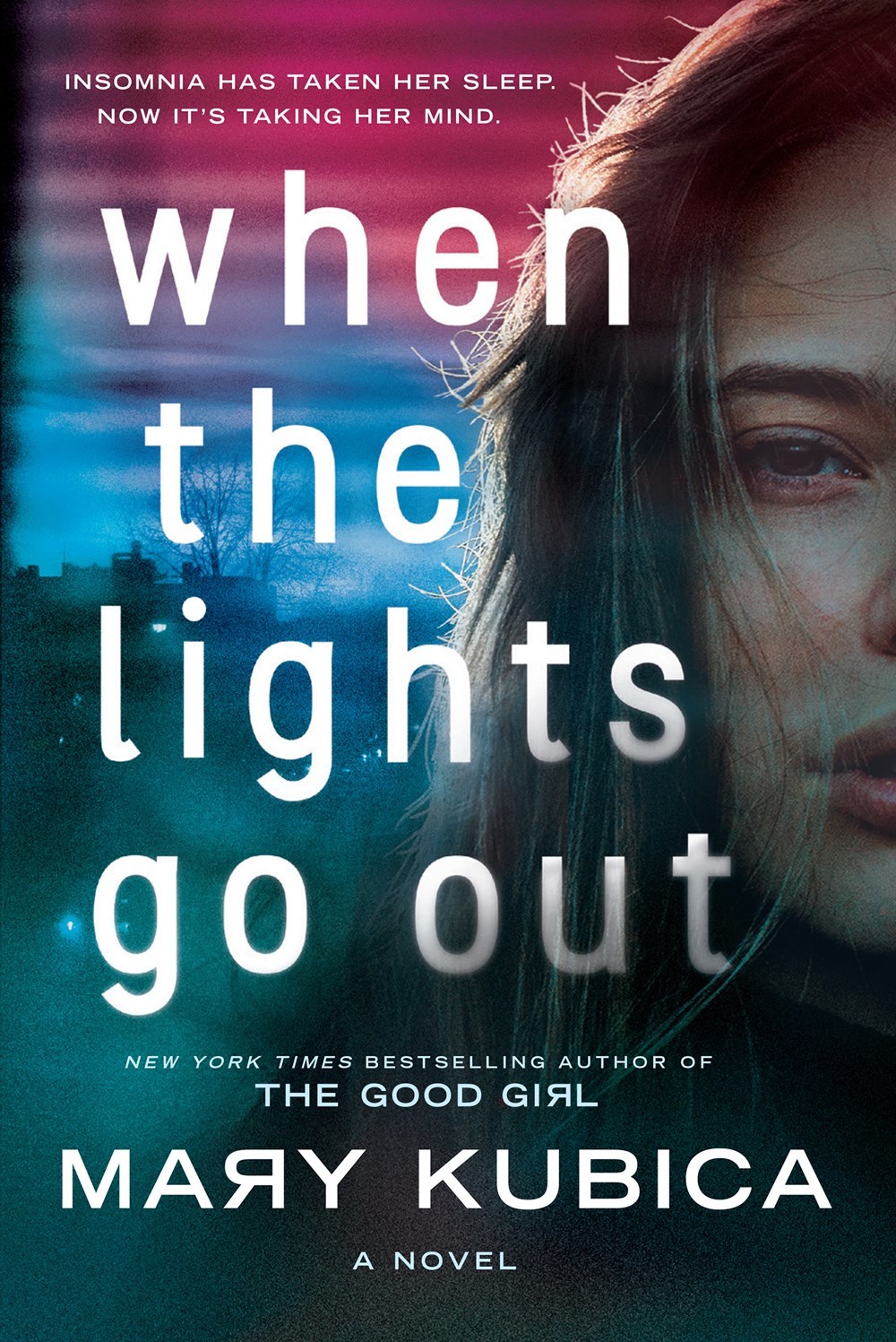
When the Lights Go Out PDF - Mary Kubica
Mary Kubica • روايات دراما • ٣٣٦ الصفحات
(0)
اقتباس
مراجعة
حفظ
مشاركة
وصف الكتاب
When the Lights Go Out by Mary Kubica is a psychological suspense novel about grief, identity, insomnia, and the frightening instability that begins when a woman discovers that the life she thought she knew may not be real. Written by Mary Kubica, a bestselling author known for emotionally charged thrillers and domestic suspense, the novel follows Jessie Sloane as she tries to rebuild her life after years of caring for her sick mother, Eden. After her mother’s death, Jessie rents a new apartment, applies for college, and attempts to step into adulthood on her own terms. But a routine application exposes a disturbing problem: her Social Security number is connected to a person who should not be her. What begins as a bureaucratic error soon becomes a terrifying question of identity, memory, and hidden family history.
A Psychological Thriller About Identity and Doubt
At its heart, When the Lights Go Out is a novel about a woman forced to ask the most unsettling question imaginable: Who am I? Jessie has spent much of her young life caring for her mother, and that role has shaped her sense of purpose, responsibility, and selfhood. When Eden dies, Jessie is left not only with grief, but also with a frightening absence of direction. She is trying to become independent at the exact moment when the official facts of her life begin to collapse. The result is a tense and emotionally layered story that blends psychological thriller, suspense fiction, identity mystery, and family secrets into a reading experience built on uncertainty.
The central mystery is powerful because it begins in something ordinary. Jessie is not investigating a crime scene or chasing a stranger; she is filling out forms, applying for college, and trying to move forward. That normality makes the discovery more disturbing. A number in a system, a missing document, or an unexplained record can suddenly threaten everything a person believes about herself. Mary Kubica uses this premise to create a quiet but persistent sense of dread, showing how quickly everyday life can become unfamiliar when the facts no longer support the story a person has always been told.
Jessie Sloane and the Terror of Not Knowing
Jessie is a compelling thriller protagonist because her emotional state is already fragile before the mystery fully begins. She is grieving, exhausted, and increasingly isolated. As her insomnia worsens, her thoughts become harder to control, and her ability to separate fear from reality begins to weaken. This gives When the Lights Go Out the psychological intensity that readers expect from Mary Kubica’s novels. The suspense does not come only from outside danger; it also comes from Jessie’s own mind, which becomes less reliable with each sleepless night.
This element makes the novel especially appealing for readers who enjoy unreliable narrator thrillers and stories where perception is part of the mystery. Jessie’s exhaustion changes how she sees the world. Her judgment blurs, her thoughts become uncertain, and the reader must decide how much to trust what she observes. The deeper Jessie goes into the mystery of her identity, the more unstable everything becomes. Is she discovering evidence of a hidden past, or is grief distorting her sense of reality? Is her mother’s life built around protection, deception, or something even more complicated? These questions keep the novel moving with a strong sense of psychological pressure.
Eden, Motherhood, and Hidden Family Secrets
Alongside Jessie’s present-day struggle, the novel also looks backward into Eden’s story. This second layer gives the book emotional depth beyond its mystery. Eden is not only Jessie’s mother; she is also a woman with her own longings, disappointments, fears, and decisions. Through this structure, When the Lights Go Out becomes more than a thriller about documents and identity. It becomes a story about motherhood, desire, secrecy, and the ways love can become tangled with control.
Mary Kubica often writes about the hidden pressure inside families, and this novel uses the mother-daughter relationship as its emotional center. Jessie’s grief is complicated by the possibility that Eden may have concealed something essential from her. That tension creates one of the book’s strongest themes: the painful realization that the people who raise us may also be the people who keep the deepest secrets from us. The novel asks what a daughter owes to a mother, what a mother might do for love, and how far a person might go when longing, fear, and desperation become impossible to separate.
A Suspenseful Reading Experience with Emotional Weight
Readers searching for a Mary Kubica psychological thriller will find many of the author’s recognizable strengths in When the Lights Go Out. The novel uses a tightly focused premise, a vulnerable central character, shifting timelines, and a growing sense of unease. Instead of relying only on dramatic action, the book builds suspense through atmosphere, emotional instability, and the slow uncovering of information. Every new detail raises another question, and every answer seems to make Jessie’s situation more troubling.
The novel’s themes are especially effective because they are rooted in fears that feel close to real life. Many thrillers ask what happens when a stranger becomes dangerous, but When the Lights Go Out asks what happens when your own life becomes suspicious. A missing record, an unexplained identity problem, a mother’s secret, and a mind weakened by sleeplessness all combine to make Jessie feel trapped inside a mystery that belongs to her personally. The threat is not distant; it is tied to her name, her past, her family, and her sense of reality.
Themes of Grief, Memory, and Psychological Breakdown
One of the most important themes in When the Lights Go Out is grief. Jessie’s mother has died, and Jessie is left to face the world without the person who defined so much of her life. But grief in this novel is not only sadness; it is disorientation. Without Eden, Jessie has to build an identity of her own, and that process becomes terrifying when the external evidence suggests that her identity may be false. This makes the book powerful for readers who appreciate suspense novels with emotional complexity.
Memory is another key theme. Jessie’s past depends on what she remembers, what Eden told her, and what official records seem to prove. When those elements do not align, the novel creates a disturbing gap between personal truth and documented truth. This gap drives the mystery and gives the story its psychological force. The reader is invited to think about how identity is formed: by memories, by family stories, by legal documents, by names, or by the secrets other people choose to keep.
Why Readers of Domestic Suspense Will Be Drawn to This Novel
When the Lights Go Out is well suited for readers who enjoy domestic suspense, psychological mystery, family secret thrillers, and novels about women confronting buried truths. It offers a strong emotional hook, a mystery centered on identity, and the claustrophobic tension of a character who cannot fully trust the world around her. Fans of books about missing records, hidden pasts, complicated mothers, and unreliable perception will find the premise especially engaging.
The book also works for readers who like suspense stories that unfold through emotional pressure rather than constant violence. The danger here is intimate and psychological. Jessie’s struggle is not only to solve a mystery, but to hold herself together while doing so. That gives the novel a tense, inward quality, making the reader feel the exhaustion, confusion, and fear that shape her search for answers.
A Haunting Novel from a Bestselling Suspense Author
Mary Kubica is known for writing thrillers that combine accessible storytelling with emotional tension, and When the Lights Go Out fits strongly within that tradition. The book was published by Park Row, with the original publication date listed as September 4, 2018, and it is associated with the genres of psychological suspense, psychological thriller, suspense, and thriller.
For readers who want a thriller about identity, insomnia, grief, and hidden family history, When the Lights Go Out by Mary Kubica offers a dark and unsettling journey into the fragile border between truth and delusion. It is a novel about a young woman trying to find herself after loss, only to discover that the search may lead her into a past more disturbing than she imagined. With its focus on secrets, memory, motherhood, and psychological uncertainty, the book delivers the kind of emotionally charged suspense that makes Mary Kubica a recognizable name in contemporary thriller fiction.
Mary Kubica
Mary Kubica هي كاتبة أمريكية متخصصة في روايات التشويق النفسي والغموض والإثارة المعاصرة، وتُعد من الأسماء البارزة في هذا النوع الأدبي بفضل قدرتها على بناء قصص مشحونة بالقلق، الأسرار، العلاقات المعقدة، والتحولات غير المتوقعة. عُرفت بصفتها مؤلفة من الأكثر مبيعاً في قوائم New York Times وUSA Today، ومن أبرز أعمالها The Good Girl وPretty Baby وDon’t You Cry وEvery Last Lie وWhen the Lights Go Out وThe Other Mrs. وLocal Woman Missing وJust the Nicest Couple وShe’s Not Sorry وIt’s Not Her. قبل احترافها الكتابة، عملت مدرسة تاريخ في المرحلة الثانوية، كما حصلت على درجة البكالوريوس من Miami University في أوهايو في التاريخ والأدب الأمريكي، وتقيم خارج Chicago مع زوجها وطفليها. وقد تُرجمت رواياتها إلى أكثر من ثلاثين لغة وحققت مبيعات عالمية كبيرة، مما يعكس انتشارها الواسع بين قراء التشويق النفسي والروايات الغامضة.
تتميز كتابة Mary Kubica بأنها تنطلق غالباً من مواقف تبدو عادية تماماً، ثم تكشف تدريجياً عن طبقات من الخوف والاضطراب. في عالمها الروائي، قد يكون البيت الآمن مكاناً مليئاً بالأسرار، وقد تتحول العائلة إلى مساحة للشك، وقد تبدو الشخصية الهادئة أكثر غموضاً مما يظن القارئ في البداية. هذا الأسلوب جعلها مناسبة للقراء الذين يبحثون عن روايات نفسية مشوقة لا تعتمد فقط على الجريمة أو اللغز، بل على التوتر الداخلي، العلاقات المتصدعة، الخداع، الذاكرة، الشعور بالذنب، والخوف من انكشاف الحقيقة. قصصها لا تقدم التشويق بوصفه حدثاً خارجياً فقط، بل تجعله جزءاً من الحياة اليومية، حيث يمكن لأي تفصيل صغير أن يتحول إلى دليل، وأي علاقة مألوفة أن تخفي وجهاً آخر.
من أهم عناصر قوة Mary Kubica قدرتها على خلق شخصيات لا يمكن الحكم عليها بسهولة. أبطالها وضحاياها والمشتبه بهم في رواياتها لا يظهرون دائماً بصورة ثابتة، بل يتغير فهم القارئ لهم مع كل فصل جديد. هذه الطريقة في السرد تمنح أعمالها طابعاً نفسياً قوياً، لأن القارئ لا يتابع فقط ما حدث، بل يحاول باستمرار أن يقرر من يقول الحقيقة، ومن يخفي شيئاً، ومن يمكن الوثوق به. لهذا السبب ترتبط كتبها بعبارات بحث مهمة مثل الروايات النفسية المشوقة، روايات الغموض الأمريكية، التشويق المنزلي، الأسرار العائلية، الروايات ذات النهايات المفاجئة، وروايات الجريمة النفسية.
حققت روايتها الأولى The Good Girl حضوراً لافتاً عند صدورها، إذ اختيرت ضمن Indie Next في أغسطس 2014، ورُشحت لجوائز مرتبطة بالرواية الأولى والغموض والتشويق. كما نالت Local Woman Missing اهتماماً كبيراً، فاختيرت ضمن Indie Next في مايو 2021، ورُشحت في جوائز Goodreads Choice ضمن فئة الغموض والتشويق، وكانت من المرشحين النهائيين لجائزة Audie. كذلك اختيرت بعض رواياتها ضمن قوائم Amazon Best Books of the Month وLibraryReads، وهو ما ساعد على تثبيت مكانتها بين كتّاب التشويق النفسي المعاصر.
تكتب Mary Kubica بأسلوب واضح ومشدود، بعيد عن الإطالة غير الضرورية، لكنها في الوقت نفسه تمنح القارئ شعوراً دائماً بأن هناك شيئاً ناقصاً أو مخفياً. تعتمد على فصول متماسكة، مشاهد دقيقة، إيقاع متصاعد، وتوزيع ذكي للمعلومات. لا تقدم كل شيء دفعة واحدة، بل تترك القارئ يتحرك بين الاحتمالات، ويعيد تفسير الأحداث كلما ظهرت حقيقة جديدة. هذا النوع من السرد يناسب قراء التشويق الذين يحبون الإحساس بالانجذاب المستمر إلى الصفحة التالية، ويرغبون في رواية تجمع بين المتعة، الغموض، والعمق النفسي.
تتناول أعمالها موضوعات قريبة من القارئ، مثل اختفاء الأشخاص، العلاقات الزوجية المتوترة، الأسرار العائلية، خوف الأمهات، هشاشة الثقة، العزلة، والخطر الذي قد يتسلل إلى الحياة اليومية من دون إنذار. في رواياتها، لا تكون الحقيقة مجرد معلومة يجب اكتشافها، بل تكون عبئاً يغير حياة الشخصيات بعد ظهوره. ولهذا تبدو كتبها ملائمة لمن يفضلون القصص التي تجمع بين التشويق العاطفي والبناء المحكم للأحداث. إنها كاتبة تفهم أن أكثر المخاوف تأثيراً ليست دائماً تلك القادمة من عالم بعيد، بل تلك التي تنبع من الأسرة، البيت، الحي، الذاكرة، والأشخاص الذين نعتقد أننا نعرفهم جيداً.
في النهاية، يمكن وصف Mary Kubica بأنها واحدة من الكاتبات البارزات في مجال التشويق النفسي الحديث، لأنها تجمع بين سهولة القراءة، قوة الحبكة، الإحساس بالتهديد، والقدرة على جعل القارئ يشك في كل شخصية وكل تفصيل. أعمالها مناسبة لمحبي الروايات التي تبدأ بهدوء ثم تنقلب تدريجياً إلى شبكة من الأسرار والصدمة، كما أنها تجذب من يبحثون عن كاتبة تقدم روايات غموض أمريكية ذات إيقاع سريع، أجواء منزلية مشحونة، ونهايات تترك أثراً بعد إغلاق الكتاب.
اكسب مكافآت أثناء القراءة!
كل 10 صفحات تقرؤها وتقضى فيها 30 ثانية تمنحك 5 نقاط مكافأة! واصل القراءة لفتح الإنجازات والمزايا الحصرية.
اقرأ
قيم الآن
5 نجوم
4 نجوم
3 نجوم
2 نجوم
1 نجوم
اقتباسات When the Lights Go Out
الأعلى تقييماً
الأحدث
اقتباس
كن أول من يترك اقتباسًا واكسب 10 نقاط
بدلاً من 3
'%20/%3e%3c/svg%3e "Local Woman Missing")
التعليقات
كن أول من يترك تعليقًا واكسب 5 نقاط
بدلاً من 3