

مصدر الكتاب
تم نشر هذا الكتاب بهدف النفع العام، وذلك بموجب رخصة المشاع الإبداعي، أو بناءً على موافقة من المؤلف أو دار النشر. في حال وجود أي اعتراض على النشر، يُرجى التواصل معنا لنتخذ الإجراء المناسب.
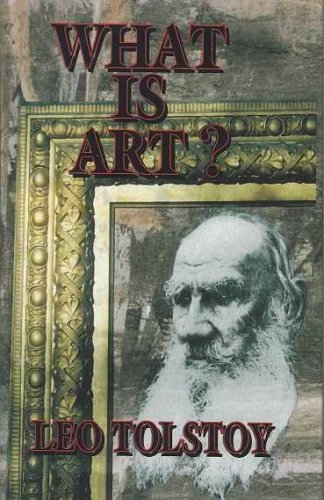
What Is Art? PDF - ليو تولستوي
ليو تولستوي • أدب • ٢٥٢ الصفحات
(0)
اقتباس
مراجعة
حفظ
مشاركة
وصف الكتاب
What Is Art? by Leo Tolstoy
What Is Art? by Leo Tolstoy is one of the most provocative and enduring works of aesthetic philosophy, written by a novelist whose influence extends far beyond fiction. Best known for monumental literary works such as War and Peace and Anna Karenina, Tolstoy turns here from storytelling to a direct and searching question: what makes art truly valuable? Rather than treating art as decoration, entertainment, or the private pleasure of educated elites, Tolstoy examines art as a serious human activity with moral, emotional, and social consequences.
In this powerful work of philosophy of art, Tolstoy challenges many of the assumptions that shaped European artistic culture in his time. He questions the idea that beauty alone can define art, and he rejects the belief that technical brilliance, fashionable taste, or elite approval are enough to make a work meaningful. For Tolstoy, art is not simply something admired from a distance; it is a form of communication between human beings. Its importance lies in its ability to transmit feeling, create connection, and awaken shared experience across differences of class, education, nationality, and culture.
A Direct Challenge to Traditional Aesthetics
At the center of What Is Art? is Tolstoy’s argument that art should be understood through its human purpose rather than through abstract theories of beauty. He examines earlier definitions of art and finds many of them vague, exclusive, or overly dependent on the tastes of privileged audiences. Instead, he proposes that genuine art occurs when one person sincerely communicates a feeling they have experienced, and others are able to receive and share that feeling.
This definition gives the book its lasting force. Tolstoy is not interested in art as a luxury object or a symbol of status. He asks whether art helps people understand one another, whether it deepens moral awareness, and whether it contributes to a more compassionate society. His approach makes What Is Art? essential reading for anyone interested in aesthetics, literary criticism, art theory, cultural criticism, and moral philosophy.
Art, Feeling, and Human Connection
One of the most memorable ideas in the book is Tolstoy’s belief that art functions through emotional transmission. A song, story, painting, poem, performance, or religious image becomes art when it carries a feeling from the artist to the audience with sincerity and clarity. In this sense, art is not limited to museums, concert halls, or academic institutions. It belongs to human life itself, appearing wherever people use form, language, sound, movement, or image to share inner experience.
This makes Tolstoy’s view both demanding and democratic. He values art that can be understood widely, not because it is simplistic, but because it speaks to feelings that human beings can recognize. He is suspicious of art that depends entirely on obscurity, fashion, imitation, or technical display. For readers exploring what art means, why art matters, and how art shapes society, Tolstoy’s argument remains strikingly relevant.
A Moral Vision of Art
What Is Art? is also a deeply moral book. Tolstoy does not separate artistic value from ethical value. He believes that art can unite people, but it can also mislead, flatter vanity, intensify selfishness, or reinforce social divisions. This moral seriousness gives the work its distinctive tone. Tolstoy writes not as a detached academic theorist, but as a thinker urgently concerned with truth, sincerity, and the responsibilities of culture.
Readers should expect a bold and sometimes severe critique of celebrated artistic traditions. Tolstoy is willing to question works and reputations that many readers may regard as untouchable. This is part of what makes the book so compelling: it does not merely explain art; it confronts the reader with uncomfortable questions about taste, class, beauty, entertainment, and the purpose of creative work. Whether one agrees with Tolstoy or not, his argument demands serious reflection.
Why This Book Still Matters
The continuing relevance of What Is Art? by Leo Tolstoy lies in the way it speaks to debates that remain alive today. In an age of mass media, digital culture, commercial entertainment, and global artistic exchange, Tolstoy’s questions feel newly urgent. Is art valuable because it is popular, difficult, beautiful, profitable, original, emotionally sincere, socially useful, or morally serious? Who has the authority to decide what counts as great art? Can art belong to everyone, or does it inevitably become controlled by institutions and elites?
Tolstoy’s answers are uncompromising, but they open the door to rich discussion. The book is especially valuable for students and readers interested in classic essays on art, Russian philosophical writing, nineteenth-century cultural criticism, and the relationship between art and morality. It also appeals to artists, writers, musicians, critics, and thoughtful readers who want to examine the deeper purpose of creative expression.
A Different Side of Leo Tolstoy
For those who know Tolstoy primarily as a novelist, What Is Art? reveals another dimension of his mind. Here, the author’s narrative genius is transformed into philosophical argument, social critique, and spiritual reflection. The same moral intensity that shapes his fiction appears in a more direct form, as Tolstoy investigates not only what artists create, but why they create and whom their work serves.
The book also belongs to the later phase of Tolstoy’s life, when his religious, ethical, and social convictions became increasingly central to his writing. His concern with simplicity, sincerity, compassion, and universal human brotherhood shapes his understanding of art throughout the work. This gives What Is Art? a distinctive place among Tolstoy’s nonfiction writings and makes it an important companion to his broader moral and spiritual thought.
Who Should Read What Is Art?
What Is Art? is an excellent choice for readers who enjoy serious nonfiction that challenges conventional ideas. It is particularly suited to those studying art philosophy, aesthetics, literature, criticism, cultural history, ethics, or Russian literature. It will also interest creative people who want to think more deeply about the purpose of their own work and the effect art has on its audience.
The book is not merely for specialists. Tolstoy’s central question is one that any reader can recognize: why do human beings make art, and what should art do for us? His answer is passionate, controversial, and deeply human. The result is a classic work that continues to provoke debate, inspire reflection, and encourage readers to look beyond surface beauty toward the emotional and moral power of artistic expression.
A Classic Inquiry into the Meaning and Purpose of Art
What Is Art? by Leo Tolstoy remains one of the most important and challenging books ever written on the nature of art. It asks readers to reconsider familiar assumptions about beauty, taste, genius, and cultural authority, while offering a vision of art as a force of communication and human unity. Clear in its purpose, bold in its judgments, and powerful in its moral seriousness, this book continues to speak to anyone who believes that art is more than ornament and that creative expression has a real place in the search for truth, feeling, and shared human life.
ليو تولستوي
ليو تولستوي هو أحد أعظم الروائيين والمفكرين في تاريخ الأدب العالمي، وكاتب روسي ارتبط اسمه بالرواية الواقعية الكبرى وبالأسئلة الأخلاقية والروحية التي تتجاوز حدود الزمن واللغة. وُلِد في أسرة أرستقراطية روسية، ونشأ في بيئة ريفية كان لها أثر عميق في خياله الأدبي ونظرته إلى الإنسان والطبيعة والعمل والحياة البسيطة. لم يكن تولستوي مجرد مؤلف روايات طويلة، بل كان صاحب مشروع إنساني واسع حاول من خلاله فهم معنى الوجود، ومصدر الخير، وحدود السلطة، وعلاقة الفرد بالمجتمع، وقيمة الضمير في مواجهة العنف والحرب والزيف الاجتماعي. اشتهر عالميا بروايتيه الكبيرتين «الحرب والسلام» و«آنا كارنينا»، وهما عملان يعدان من قمم الأدب العالمي، لأنهما يجمعان بين السرد الواسع، والتحليل النفسي العميق، وتصوير الحياة العائلية والاجتماعية، والتأمل في التاريخ والمصير الإنساني. في «الحرب والسلام» قدّم تولستوي صورة بانورامية للمجتمع الروسي في زمن الحروب النابليونية، ولم يكتف بوصف المعارك والسياسة، بل ركز على الإنسان العادي داخل الأحداث الكبرى، وعلى الطريقة التي تتشكل بها القرارات التاريخية من تداخل آلاف الإرادات والمصادفات. أما في «آنا كارنينا» فقد بلغ ذروة نادرة في تصوير العاطفة، والزواج، والخيانة، والغيرة، والضغط الاجتماعي، وصراع المرأة والرجل مع القيم السائدة والرغبة في حياة صادقة. يتميز أسلوب تولستوي بالوضوح والقوة والاتساع، فهو يكتب عن التفاصيل اليومية كما لو كانت مفاتيح لفهم الروح البشرية، ويمنح شخصياته حياة داخلية معقدة تجعل القارئ يشعر بأنها كائنات حقيقية لا مجرد أدوات في حبكة روائية. تظهر في أعماله موضوعات متكررة مثل البحث عن الحقيقة، ونقد الامتياز الطبقي، والتعاطف مع الفلاحين، والقلق من العنف، والإيمان بالبساطة، ورفض النفاق، والسعي إلى إصلاح الذات قبل إصلاح العالم. وفي مراحل لاحقة من حياته اتجه تولستوي بقوة إلى التفكير الديني والأخلاقي، فكتب نصوصا مؤثرة عن اللاعنف، والمقاومة السلمية، والزهد، ومعنى المسيحية العملية، وأثر ذلك في مفكرين وحركات اجتماعية حول العالم. إن مكانة تولستوي لا تقوم فقط على ضخامة أعماله أو شهرتها، بل على قدرته النادرة على الجمع بين الرواية والفلسفة، وبين العاطفة والتحليل، وبين جمال السرد وقسوة السؤال الأخلاقي. لذلك بقي اسمه حاضرا في قوائم أعظم الكتّاب، وتُقرأ أعماله في الجامعات والمكتبات ودور النشر بوصفها نصوصا مؤسسة في فهم الرواية الحديثة. ومن يقرأ تولستوي يجد أمامه كاتبا يرى أن الأدب ليس تسلية عابرة، بل وسيلة لكشف الإنسان أمام نفسه، وإعادة طرح الأسئلة الكبرى عن الحب، والموت، والأسرة، والإيمان، والحرب، والحرية، والعدالة. لقد ترك ليو تولستوي إرثا أدبيا وفكريا لا يزال مؤثرا في القراء والروائيين والباحثين، لأن كتابته تمنح العالم صورة واسعة ومؤلمة وجميلة عن الإنسان في ضعفه وقوته، وفي تناقضه ورغبته الدائمة في الخلاص والمعنى.
اكسب مكافآت أثناء القراءة!
كل 10 صفحات تقرؤها وتقضى فيها 30 ثانية تمنحك 5 نقاط مكافأة! واصل القراءة لفتح الإنجازات والمزايا الحصرية.
اقرأ
قيم الآن
5 نجوم
4 نجوم
3 نجوم
2 نجوم
1 نجوم
اقتباسات What Is Art?
الأعلى تقييماً
الأحدث
اقتباس
كن أول من يترك اقتباسًا واكسب 10 نقاط
بدلاً من 3
'%20/%3e%3c/svg%3e "War and Peace")
التعليقات
كن أول من يترك تعليقًا واكسب 5 نقاط
بدلاً من 3