

مصدر الكتاب
تم نشر هذا الكتاب بهدف النفع العام، وذلك بموجب رخصة المشاع الإبداعي، أو بناءً على موافقة من المؤلف أو دار النشر. في حال وجود أي اعتراض على النشر، يُرجى التواصل معنا لنتخذ الإجراء المناسب.
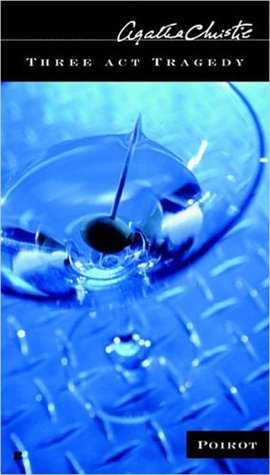
Three Act Tragedy PDF - أغاثا كريستي
أغاثا كريستي • روايات جريمة وألغاز • ٢٣٤ الصفحات
(0)
اقتباس
مراجعة
حفظ
مشاركة
وصف الكتاب
Three Act Tragedy by Agatha Christie: A Classic Poirot Mystery of Performance, Poison, and Deadly Deception
Three Act Tragedy by Agatha Christie is a stylish and cleverly constructed classic detective novel featuring Hercule Poirot in a mystery shaped by theatre, social performance, and carefully hidden motives. Also published in some editions as Murder in Three Acts, the novel blends the elegance of golden age detective fiction with a dramatic structure that mirrors the world of the stage. For readers who enjoy Agatha Christie mysteries, Hercule Poirot novels, classic crime fiction, and murder puzzles built around psychology and misdirection, Three Act Tragedy offers a refined and suspenseful reading experience.
The story begins at a dinner party hosted by Sir Charles Cartwright, a famous retired actor whose charm and theatrical instincts make him a fascinating figure at the center of the novel. What should be an elegant social gathering turns into a disturbing mystery when one of the guests suddenly dies after drinking a cocktail. At first, the death appears strange but not necessarily criminal, and the lack of an obvious motive makes the incident even more puzzling. When a second death occurs under similar circumstances, suspicion deepens, and the possibility of a carefully planned murder becomes impossible to ignore.
A Mystery with a Theatrical Structure
One of the most distinctive features of Three Act Tragedy is the way Agatha Christie builds the novel around the idea of a play. The title itself suggests performance, staging, and dramatic revelation, and Christie uses this structure to shape the reader’s expectations. The story unfolds almost like a theatrical production, with an opening act that introduces the characters, a middle act that complicates the mystery, and a final act that brings the hidden truth into the light.
This theatrical quality gives the novel a special atmosphere. Characters do not simply speak and act; they perform versions of themselves. Some appear charming, some harmless, some nervous, some respectable, and some emotionally sincere, but Christie reminds readers that appearances can be arranged as carefully as scenery on a stage. In Three Act Tragedy, the question is not only who committed murder, but who is acting, who is watching, and who understands the role each person is playing.
Hercule Poirot and the Art of Psychological Detection
Although Hercule Poirot is central to the solution, Three Act Tragedy gives the investigation a slightly different flavor from many other Poirot novels. Poirot’s brilliance lies in his ability to look beyond surface impressions and identify the logic beneath human behavior. He studies motive, personality, timing, and contradiction, using his famous “little grey cells” to uncover what physical evidence alone cannot explain.
In this novel, Poirot must deal with a case that seems almost impossible because the first death appears to lack a clear reason. Why would anyone commit a murder with no obvious benefit? Why would the same pattern appear again? What connects the victims, the guests, and the social circles surrounding them? These questions make the book especially satisfying for readers who enjoy intelligent detective puzzles where the solution depends on understanding character as much as evidence.
Sir Charles Cartwright and a Cast Full of Suspicion
Sir Charles Cartwright is one of the most memorable elements of Three Act Tragedy. As a retired actor, he brings glamour, sensitivity, and theatrical imagination to the story. His background makes him unusually alert to behavior, gesture, and emotional tone, yet he is also personally involved in the mystery, which complicates his judgment. Christie uses him to explore the relationship between acting and truth, showing how performance can reveal character but also conceal it.
Around Sir Charles is a varied circle of guests and acquaintances, each with their own personality, secrets, and possible connection to the crimes. The cast includes figures from polite society, professional life, and domestic circles, creating the kind of social web Christie handled so well. Every character may seem ordinary at first, but in a Christie mystery, ordinary people often hide powerful emotions: jealousy, ambition, fear, resentment, love, pride, or desperation. The pleasure of the novel comes from watching suspicion shift as new information changes the meaning of earlier scenes.
Mr. Satterthwaite and the Observer’s Eye
Another appealing feature of Three Act Tragedy is the presence of Mr. Satterthwaite, a Christie character known for his sensitivity to human drama. His role adds a thoughtful and observant quality to the novel. Satterthwaite is not a detective in the same sense as Poirot, but he understands people, atmosphere, and emotional undercurrents. He notices the social performance taking place around him and senses when something in the human arrangement is not quite right.
His presence enriches the story because it gives the mystery an additional layer of observation. Poirot brings method and intellectual order, while Satterthwaite brings social awareness and a deep interest in the hidden lives of others. Together, these perspectives strengthen the novel’s focus on psychology and make the investigation feel more subtle than a simple search for physical clues.
Poison, Motive, and Christie’s Elegant Misdirection
Three Act Tragedy is a strong example of Agatha Christie’s skill with poison mysteries. Poison suits Christie’s style especially well because it often involves planning, timing, access, and intimacy. It can be delivered in ordinary social situations, hidden within hospitality, and surrounded by polite conversation. In this novel, the use of poison heightens the unsettling contrast between civilized manners and deadly intention.
Christie’s misdirection is elegant and controlled. She gives readers clues, but she arranges them so that their true meaning remains hidden until the proper moment. A casual remark, a social habit, a relationship, a memory, or a detail about the circumstances of a death may later become important. The mystery works because Christie understands how readers make assumptions. She encourages those assumptions, then gradually reveals how misleading they can be.
Themes of Appearance, Identity, and Hidden Desire
Beneath the detective plot, Three Act Tragedy explores themes that give the novel depth and atmosphere. Appearance is central: people are judged by their roles, reputations, manners, and emotional displays, but those outward signs may not reflect the truth. The theatrical frame of the novel makes this theme especially powerful. Life itself becomes a kind of stage, and murder becomes the darkest form of performance.
The novel also examines desire and self-deception. Characters may want love, security, admiration, freedom, or control, and these desires influence how they behave and what they are willing to hide. Christie does not need to make her characters exaggerated villains; she shows how ordinary human longings can become dangerous when combined with secrecy and opportunity. This psychological element makes Three Act Tragedy more than a puzzle. It is also a story about the masks people wear and the consequences of believing in appearances too easily.
Why Readers Enjoy Three Act Tragedy
Three Act Tragedy remains an enjoyable Agatha Christie novel because it combines a memorable premise with a sophisticated structure. The dinner-party opening, the repeated pattern of mysterious death, the theatrical atmosphere, and the involvement of Poirot all create a mystery that is both elegant and suspenseful. The book has the classic Christie qualities readers look for: a closed social circle, hidden motives, clever clue placement, polished misdirection, and a final explanation that reshapes the entire story.
The novel is accessible for readers new to Christie, while still rewarding for longtime fans of Hercule Poirot. It can be read as a standalone mystery and does not require prior knowledge of earlier Poirot cases. Readers who enjoy classic British mysteries, Poirot investigations, murder mysteries with poison, and detective novels about deception and identity will find this book especially appealing.
A Clever and Dramatic Agatha Christie Mystery
Three Act Tragedy by Agatha Christie is a refined and atmospheric detective novel that turns social performance into the foundation of a deadly puzzle. With its theatrical structure, intriguing cast, mysterious deaths, and Poirot’s precise reasoning, the novel offers a satisfying blend of suspense, intelligence, and classic crime storytelling. It shows Christie’s talent for creating mysteries where the truth is hidden not only in clues, but in personality, motive, and the roles people choose to play.
For anyone searching for a classic Hercule Poirot mystery, an Agatha Christie crime novel, or a stylish detective story full of elegance and deception, Three Act Tragedy is a strong and memorable choice. It is a novel about murder, performance, hidden desire, and the danger of trusting appearances. Cleverly plotted and rich in dramatic atmosphere, it remains one of Christie’s distinctive contributions to the tradition of classic detective fiction.
أغاثا كريستي
أجاثا كريستي هي واحدة من أشهر كاتبات الرواية البوليسية في العالم، واسمها يرتبط ارتباطاً وثيقاً بتاريخ أدب الجريمة والغموض والتحقيقات الذكية التي تجمع بين التشويق النفسي والحبكة المحكمة والشخصيات التي تبقى في الذاكرة. ولدت أجاثا كريستي في بريطانيا، واستطاعت عبر مسيرة أدبية طويلة أن تتحول إلى رمز عالمي للرواية البوليسية، حتى أصبحت تُعرف بلقب ملكة الجريمة، بفضل قدرتها الفريدة على بناء ألغاز معقدة تبدو في البداية مستحيلة الحل، ثم تقود القارئ خطوة بعد خطوة إلى كشف الحقيقة بطريقة مدهشة ومنطقية في آن واحد. تميزت كتاباتها بأسلوب واضح ورشيق، وباهتمام بالغ بالتفاصيل الصغيرة التي قد تبدو عابرة، لكنها تتحول لاحقاً إلى مفاتيح أساسية لفهم الجريمة ودوافعها وشخصياتها. وقد منحت هذا النوع الأدبي مكانة رفيعة، وجعلت منه فناً قائماً على الذكاء والبناء الدرامي الدقيق لا على الإثارة السطحية وحدها.
اشتهرت أجاثا كريستي بابتكار شخصيات خالدة في أدب التحقيق، وعلى رأسها المحقق البلجيكي هيركيول بوارو، الذي يتميز بعقله التحليلي الدقيق وثقته بقدرة النظام والمنطق على كشف الحقيقة، والآنسة ماربل، المرأة الهادئة القادمة من قرية إنجليزية صغيرة، والتي تعتمد على معرفتها العميقة بالطبيعة البشرية لملاحظة ما يعجز الآخرون عن رؤيته. ومن خلال هاتين الشخصيتين، قدمت الكاتبة نماذج مختلفة للتحقيق: نموذجاً يعتمد على الاستنتاج المنظم، ونموذجاً يعتمد على الخبرة الاجتماعية والملاحظة النفسية. هذا التنوع جعل أعمالها قريبة من شرائح واسعة من القراء، لأن الجريمة في رواياتها لا تُفهم فقط من خلال الأدلة المادية، بل من خلال الغيرة والطمع والخوف والرغبة في الانتقام والحاجة إلى إخفاء الماضي.
من أشهر أعمال أجاثا كريستي رواية «جريمة في قطار الشرق السريع»، التي تُعد مثالاً بارزاً على براعتها في استخدام المكان المغلق بوصفه مسرحاً للجريمة، حيث يتحول القطار إلى عالم صغير يضم مجموعة من الشخصيات، لكل منها أسرارها ودوافعها المحتملة. كما تُعد رواية «ثم لم يبق أحد» من أكثر أعمالها شهرة وتأثيراً، إذ تقدم نموذجاً متقناً للرعب النفسي والغموض المتصاعد، حيث يجد مجموعة من الأشخاص أنفسهم في عزلة تامة ويواجهون سلسلة من الجرائم المرتبطة بماضٍ مظلم. وتبرز كذلك رواية «موت على النيل» بما تحمله من أجواء سفر ونهر وحسد وعلاقات معقدة، إضافة إلى روايات عديدة أخرى رسخت حضورها في المكتبات والمسرح والسينما والتلفزيون. إن قيمة هذه الأعمال لا تكمن فقط في لغز الجريمة، بل في قدرتها على كشف التوترات الاجتماعية والطبقية والعائلية التي تختبئ خلف الواجهة الهادئة للمجتمع.
تتميز أجاثا كريستي بمهارة استثنائية في تضليل القارئ دون خداعه بصورة غير عادلة؛ فهي غالباً ما تضع الأدلة أمامه، لكنها ترتبها بطريقة تجعل الانتباه ينصرف إلى احتمالات أخرى. هذا الأسلوب جعل قراءة رواياتها تجربة فكرية ممتعة، تشبه لعبة ذهنية بين الكاتبة والقارئ. كما أن لغتها البسيطة نسبياً ساعدت على انتشار أعمالها عالمياً، لأن التركيز فيها ليس على الزخرفة اللغوية بقدر ما هو على الإيقاع السردي والحوار الذكي وإدارة الشك. وقد ساهمت خلفيتها وخبراتها في صياغة عوالمها، بما في ذلك معرفتها بالأدوية والسموم، واهتمامها بالسفر والآثار والمجتمعات المختلفة، الأمر الذي أضاف إلى رواياتها عمقاً واقعياً وجاذبية بصرية واضحة.
تُعد أجاثا كريستي اليوم مرجعاً أساسياً لكل من يدرس أدب الجريمة أو يكتب فيه، فقد أثرت في أجيال من الكتاب والقراء وصناع الدراما، وأثبتت أن الرواية البوليسية قادرة على أن تكون أدباً جماهيرياً راقياً في الوقت نفسه. إن حضورها المستمر في الترجمات والعروض المسرحية والاقتباسات السينمائية والتلفزيونية يؤكد أن أعمالها لم تفقد قدرتها على إثارة الفضول، رغم مرور عقود على صدورها. ومن منظور مواقع الكتب ومحركات البحث، يظل اسم أجاثا كريستي مرتبطاً بعبارات مثل روايات الغموض، أدب الجريمة، التحقيق البوليسي، هيركيول بوارو، الآنسة ماربل، وأفضل روايات أجاثا كريستي، وهي عبارات تعكس مكانتها بوصفها كاتبة صنعت مدرسة أدبية كاملة. وبفضل هذا الإرث، تبقى أجاثا كريستي اسماً لا غنى عنه في أي مكتبة تهتم بالروايات الذكية، والحبكات المحكمة، والألغاز التي تمنح القارئ متعة الاكتشاف حتى الصفحة الأخيرة.
اكسب مكافآت أثناء القراءة!
كل 10 صفحات تقرؤها وتقضى فيها 30 ثانية تمنحك 5 نقاط مكافأة! واصل القراءة لفتح الإنجازات والمزايا الحصرية.
اقرأ
قيم الآن
5 نجوم
4 نجوم
3 نجوم
2 نجوم
1 نجوم
اقتباسات Three Act Tragedy
الأعلى تقييماً
الأحدث
اقتباس
كن أول من يترك اقتباسًا واكسب 10 نقاط
بدلاً من 3
كتب أخرى لـ أغاثا كريستي
'%20/%3e%3c/svg%3e "Murder on the Orient Express: A Hercule Poirot Mystery")
4570
الإنجليزية
كتب أخرى مشابهة Three Act Tragedy
جوناثان كان.
روايات جريمة وألغاز
(0)
3022
الإنجليزية
جوناثان كان.
روايات جريمة وألغاز
(0)
2682
الإنجليزية
التعليقات
كن أول من يترك تعليقًا واكسب 5 نقاط
بدلاً من 3