

مصدر الكتاب
تم نشر هذا الكتاب بهدف النفع العام، وذلك بموجب رخصة المشاع الإبداعي، أو بناءً على موافقة من المؤلف أو دار النشر. في حال وجود أي اعتراض على النشر، يُرجى التواصل معنا لنتخذ الإجراء المناسب.
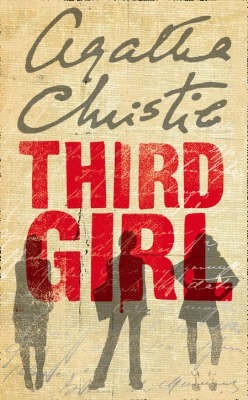
Third Girl PDF - أغاثا كريستي
أغاثا كريستي • روايات تاريخية • ٢٤٩ الصفحات
(0)
اقتباس
مراجعة
حفظ
مشاركة
وصف الكتاب
Third Girl by Agatha Christie: A Classic Poirot Mystery of Identity, Youth, and Psychological Suspense
Third Girl by Agatha Christie is a distinctive Hercule Poirot mystery that blends classic detective fiction with the atmosphere of 1960s London, psychological uncertainty, and hidden family secrets. Featuring both Hercule Poirot and the crime novelist Ariadne Oliver, the novel offers a different tone from many of Christie’s earlier country-house mysteries. Instead of beginning with a clear murder scene and a fixed group of traditional suspects, the story opens with confusion, doubt, and a disturbing confession from a young woman who believes she may have committed a crime.
The novel begins when Norma Restarick, a troubled young woman, visits Poirot and tells him that she thinks she may have murdered someone. Before Poirot can fully question her, she abruptly leaves, dismissing him as too old to understand. This strange encounter immediately attracts Poirot’s attention, especially when Ariadne Oliver becomes involved and helps him trace Norma’s life, relationships, and state of mind. What follows is a mystery built around uncertainty: did Norma truly commit murder, is she imagining guilt, or is someone deliberately manipulating her into believing something terrible about herself?
A Later Poirot Mystery with a Modern Setting
One of the most interesting features of Third Girl is its setting in a more modern social world than the one usually associated with Agatha Christie’s early mysteries. The novel reflects a changing London, where young people live in shared flats, social rules are shifting, and older generations often struggle to understand new attitudes. The title refers to the idea of the “third girl” in a flat-sharing arrangement, a detail that gives the book its connection to youth culture, independence, and the uncertainty of identity in a changing society.
This modern atmosphere makes Third Girl stand out within the Hercule Poirot series. Poirot, with his elegance, order, and old-fashioned manners, is placed in a world that seems restless, informal, and emotionally unstable. Yet Christie uses this contrast effectively. Poirot may appear out of step with the younger characters, but his understanding of human nature remains sharp. Beneath changing clothes, language, and lifestyles, he recognizes familiar motives: greed, fear, jealousy, guilt, ambition, and the desire to control others.
Hercule Poirot and the Mystery of a Troubled Mind
At the heart of Third Girl is Poirot’s attempt to understand Norma Restarick. She is not a typical witness, victim, or suspect. She is uncertain, frightened, and unreliable even to herself. Her belief that she may have committed murder creates a mystery that is psychological as much as factual. Poirot must investigate not only what happened, but also what Norma remembers, what she has been told, and whether her sense of guilt has been planted or distorted.
This gives the novel a strong element of psychological mystery. The central question is not simply “who committed the crime?” but also “what is real?” Christie explores the fragility of memory and the danger of emotional manipulation. Norma’s confusion makes the case especially unsettling, because the truth is hidden behind fear, suggestion, family tension, and the possibility that someone is using her vulnerability for a calculated purpose.
Ariadne Oliver and the Power of Intuition
Ariadne Oliver plays an important role in Third Girl, adding humor, warmth, and creative energy to the investigation. As a successful crime writer, she often approaches mystery through instinct, imagination, and emotional observation, while Poirot relies on order, logic, and his famous “little grey cells.” Their partnership gives the novel much of its charm, because their different styles of thinking often complement each other.
Ariadne Oliver is particularly valuable in this story because she has access to social situations and impressions that help Poirot understand Norma’s world. She is curious, talkative, sometimes impulsive, but often perceptive in ways that more formal investigators might overlook. Her presence also allows Christie to add a playful literary touch, reflecting on crime writing, detective conventions, and the difference between fictional mysteries and the messy uncertainty of real human behavior.
Family Secrets, Hidden Motives, and Unstable Identities
Like many of Agatha Christie’s best mysteries, Third Girl is deeply concerned with the past. Norma Restarick’s family background, her relationship with her father, and the people surrounding her all become important to the investigation. The novel gradually reveals a world of secrets, emotional pressure, and uncertain loyalties. In Christie’s fiction, family is often a place where love, money, resentment, and fear are closely intertwined, and this book uses those tensions to build suspicion.
Identity is one of the novel’s strongest themes. Characters may not be what they seem, and even Norma herself is unsure of who she is or what she has done. Christie uses disguise, social performance, memory, and emotional instability to create a mystery where appearances cannot be trusted. The reader is encouraged to question every relationship and every explanation, because the truth may be hidden beneath carefully arranged confusion.
A Mystery of Manipulation and Deception
Third Girl is especially effective as a story about manipulation. Norma’s fear that she may be guilty makes her vulnerable, and Poirot quickly understands that such fear can be used by others. The novel explores how a person can be made to doubt their own judgment, especially when surrounded by people who may have hidden motives. This gives the book a darker psychological edge than a simple clue-based puzzle.
Agatha Christie handles this uncertainty with her usual skill. The mystery develops through conversations, behavior, small contradictions, and gradual discoveries. Instead of relying only on physical evidence, Poirot must study emotional patterns and ask who benefits from Norma’s confusion. The suspense grows from the possibility that the most dangerous crime may not be the obvious one, but the careful shaping of another person’s mind.
Christie’s Later Style and Social Observation
As a later Agatha Christie novel, Third Girl is notable for its attention to generational change. Christie portrays a world where older characters often misunderstand younger ones, while younger characters may underestimate the intelligence and experience of the old. Poirot himself is dismissed at the beginning of the story because of his age, but the novel quietly turns that judgment into part of its meaning. Experience, patience, and knowledge of human nature still matter, even in a modern world that thinks it has moved beyond them.
This social contrast gives the novel additional interest for readers who enjoy Christie not only for her plots, but also for her observation of manners and attitudes. Third Girl captures a moment when British society was changing, and Christie places her classic detective inside that new environment. The result is a mystery that feels different from her earlier village and country-house stories while still preserving the essential Christie elements: secrecy, motive, misdirection, and a final explanation shaped by logic.
Why Readers Enjoy Third Girl
Third Girl appeals to readers who enjoy classic crime fiction, Hercule Poirot novels, psychological suspense, and mysteries involving identity, memory, and hidden manipulation. It is a good choice for those who want an Agatha Christie book with a more modern atmosphere and a more emotionally uncertain central problem. The novel is not only about solving a crime; it is about rescuing the truth from confusion and understanding how easily appearances can be arranged to mislead.
The book can be read as a standalone Poirot mystery, although readers familiar with Poirot and Ariadne Oliver will enjoy their partnership even more. It contains many of the qualities that make Christie’s work enduring: an intriguing opening, a troubled central figure, a web of suspicious relationships, clever misdirection, and a detective whose intelligence cuts through emotional disorder. Readers who like mysteries where psychology matters as much as evidence will find Third Girl especially engaging.
A Distinctive Agatha Christie Mystery of Fear and Truth
Third Girl by Agatha Christie is a thoughtful and suspenseful detective novel that places Hercule Poirot in a world of modern youth, emotional uncertainty, and hidden danger. With Norma Restarick’s disturbing confession at its center, the story explores guilt, memory, identity, and the frightening possibility that someone can be made to doubt their own reality. Christie turns a vague fear into a layered investigation, proving that even the most uncertain statement can lead to a carefully concealed truth.
For anyone searching for a classic Hercule Poirot mystery, an Agatha Christie psychological crime novel, or a detective story about manipulation and hidden identity, Third Girl is a rewarding choice. It is a novel about seeing through confusion, questioning easy assumptions, and recognizing that human motives remain dangerous even when the social world around them changes. Intelligent, unsettling, and distinctly atmospheric, Third Girl remains a memorable later entry in Agatha Christie’s celebrated body of classic detective fiction.
أغاثا كريستي
أجاثا كريستي هي واحدة من أشهر كاتبات الرواية البوليسية في العالم، واسمها يرتبط ارتباطاً وثيقاً بتاريخ أدب الجريمة والغموض والتحقيقات الذكية التي تجمع بين التشويق النفسي والحبكة المحكمة والشخصيات التي تبقى في الذاكرة. ولدت أجاثا كريستي في بريطانيا، واستطاعت عبر مسيرة أدبية طويلة أن تتحول إلى رمز عالمي للرواية البوليسية، حتى أصبحت تُعرف بلقب ملكة الجريمة، بفضل قدرتها الفريدة على بناء ألغاز معقدة تبدو في البداية مستحيلة الحل، ثم تقود القارئ خطوة بعد خطوة إلى كشف الحقيقة بطريقة مدهشة ومنطقية في آن واحد. تميزت كتاباتها بأسلوب واضح ورشيق، وباهتمام بالغ بالتفاصيل الصغيرة التي قد تبدو عابرة، لكنها تتحول لاحقاً إلى مفاتيح أساسية لفهم الجريمة ودوافعها وشخصياتها. وقد منحت هذا النوع الأدبي مكانة رفيعة، وجعلت منه فناً قائماً على الذكاء والبناء الدرامي الدقيق لا على الإثارة السطحية وحدها.
اشتهرت أجاثا كريستي بابتكار شخصيات خالدة في أدب التحقيق، وعلى رأسها المحقق البلجيكي هيركيول بوارو، الذي يتميز بعقله التحليلي الدقيق وثقته بقدرة النظام والمنطق على كشف الحقيقة، والآنسة ماربل، المرأة الهادئة القادمة من قرية إنجليزية صغيرة، والتي تعتمد على معرفتها العميقة بالطبيعة البشرية لملاحظة ما يعجز الآخرون عن رؤيته. ومن خلال هاتين الشخصيتين، قدمت الكاتبة نماذج مختلفة للتحقيق: نموذجاً يعتمد على الاستنتاج المنظم، ونموذجاً يعتمد على الخبرة الاجتماعية والملاحظة النفسية. هذا التنوع جعل أعمالها قريبة من شرائح واسعة من القراء، لأن الجريمة في رواياتها لا تُفهم فقط من خلال الأدلة المادية، بل من خلال الغيرة والطمع والخوف والرغبة في الانتقام والحاجة إلى إخفاء الماضي.
من أشهر أعمال أجاثا كريستي رواية «جريمة في قطار الشرق السريع»، التي تُعد مثالاً بارزاً على براعتها في استخدام المكان المغلق بوصفه مسرحاً للجريمة، حيث يتحول القطار إلى عالم صغير يضم مجموعة من الشخصيات، لكل منها أسرارها ودوافعها المحتملة. كما تُعد رواية «ثم لم يبق أحد» من أكثر أعمالها شهرة وتأثيراً، إذ تقدم نموذجاً متقناً للرعب النفسي والغموض المتصاعد، حيث يجد مجموعة من الأشخاص أنفسهم في عزلة تامة ويواجهون سلسلة من الجرائم المرتبطة بماضٍ مظلم. وتبرز كذلك رواية «موت على النيل» بما تحمله من أجواء سفر ونهر وحسد وعلاقات معقدة، إضافة إلى روايات عديدة أخرى رسخت حضورها في المكتبات والمسرح والسينما والتلفزيون. إن قيمة هذه الأعمال لا تكمن فقط في لغز الجريمة، بل في قدرتها على كشف التوترات الاجتماعية والطبقية والعائلية التي تختبئ خلف الواجهة الهادئة للمجتمع.
تتميز أجاثا كريستي بمهارة استثنائية في تضليل القارئ دون خداعه بصورة غير عادلة؛ فهي غالباً ما تضع الأدلة أمامه، لكنها ترتبها بطريقة تجعل الانتباه ينصرف إلى احتمالات أخرى. هذا الأسلوب جعل قراءة رواياتها تجربة فكرية ممتعة، تشبه لعبة ذهنية بين الكاتبة والقارئ. كما أن لغتها البسيطة نسبياً ساعدت على انتشار أعمالها عالمياً، لأن التركيز فيها ليس على الزخرفة اللغوية بقدر ما هو على الإيقاع السردي والحوار الذكي وإدارة الشك. وقد ساهمت خلفيتها وخبراتها في صياغة عوالمها، بما في ذلك معرفتها بالأدوية والسموم، واهتمامها بالسفر والآثار والمجتمعات المختلفة، الأمر الذي أضاف إلى رواياتها عمقاً واقعياً وجاذبية بصرية واضحة.
تُعد أجاثا كريستي اليوم مرجعاً أساسياً لكل من يدرس أدب الجريمة أو يكتب فيه، فقد أثرت في أجيال من الكتاب والقراء وصناع الدراما، وأثبتت أن الرواية البوليسية قادرة على أن تكون أدباً جماهيرياً راقياً في الوقت نفسه. إن حضورها المستمر في الترجمات والعروض المسرحية والاقتباسات السينمائية والتلفزيونية يؤكد أن أعمالها لم تفقد قدرتها على إثارة الفضول، رغم مرور عقود على صدورها. ومن منظور مواقع الكتب ومحركات البحث، يظل اسم أجاثا كريستي مرتبطاً بعبارات مثل روايات الغموض، أدب الجريمة، التحقيق البوليسي، هيركيول بوارو، الآنسة ماربل، وأفضل روايات أجاثا كريستي، وهي عبارات تعكس مكانتها بوصفها كاتبة صنعت مدرسة أدبية كاملة. وبفضل هذا الإرث، تبقى أجاثا كريستي اسماً لا غنى عنه في أي مكتبة تهتم بالروايات الذكية، والحبكات المحكمة، والألغاز التي تمنح القارئ متعة الاكتشاف حتى الصفحة الأخيرة.
اكسب مكافآت أثناء القراءة!
كل 10 صفحات تقرؤها وتقضى فيها 30 ثانية تمنحك 5 نقاط مكافأة! واصل القراءة لفتح الإنجازات والمزايا الحصرية.
اقرأ
قيم الآن
5 نجوم
4 نجوم
3 نجوم
2 نجوم
1 نجوم
اقتباسات Third Girl
الأعلى تقييماً
الأحدث
اقتباس
كن أول من يترك اقتباسًا واكسب 10 نقاط
بدلاً من 3
كتب أخرى لـ أغاثا كريستي
'%20/%3e%3c/svg%3e "Murder on the Orient Express: A Hercule Poirot Mystery")
4570
الإنجليزية
التعليقات
كن أول من يترك تعليقًا واكسب 5 نقاط
بدلاً من 3