

مصدر الكتاب
تم نشر هذا الكتاب بهدف النفع العام، وذلك بموجب رخصة المشاع الإبداعي، أو بناءً على موافقة من المؤلف أو دار النشر. في حال وجود أي اعتراض على النشر، يُرجى التواصل معنا لنتخذ الإجراء المناسب.
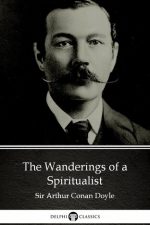
The Wanderings of a Spiritualist PDF - آرثر كونان دويل
آرثر كونان دويل • أدب • ٢٣٦ الصفحات
(0)
اقتباس
مراجعة
حفظ
مشاركة
وصف الكتاب
The Wanderings of a Spiritualist is a nonfiction travel memoir and spiritualist work by Sir Arthur Conan Doyle, first published in book form in 1921 by Hodder & Stoughton in London. The book appeared after Doyle had become one of the most famous literary figures in Britain, largely through the Sherlock Holmes stories, but this work belongs to a very different part of his career: his public advocacy of spiritualism. Library and bibliographic records list the original London edition as Hodder and Stoughton, 1921, and the text itself identifies Doyle as the author of The New Revelation and The Vital Message, two earlier books connected with his spiritualist beliefs.
Although it is sometimes searched for as a novel, The Wanderings of a Spiritualist is not fiction. It is a personal account of Conan Doyle’s lecture tour to Australia and New Zealand in 1920–1921, combined with reflections on life after death, mediumship, religion, war, empire, and society. Doyle presents the journey as both geographical and intellectual: he describes ships, cities, public meetings, landscapes, and local encounters, while also arguing for spiritualism as a serious belief system rather than a curiosity or superstition. The book is written in a conversational, digressive style, and Doyle openly admits that thought and argument are as important to him as outward incident.
The “story” of the book begins with Doyle explaining the impulse behind his journey. He describes séances, personal conviction, and the sense that his experiences should be shared publicly. From Britain, he and his party travel by sea aboard the Naldera, passing through places such as Ceylon before reaching Australia. The voyage gives Doyle room to mix travel observation with spiritual speculation, and this pattern continues throughout the book: each stage of the journey becomes an opportunity to record impressions and defend the spiritualist cause.
In Australia, Doyle visits major cities, gives lectures, attends meetings, and encounters both support and skepticism. He writes about packed halls, press criticism, conversations with believers, and examples of mediumistic evidence that he considers persuasive. At the same time, the book is not limited to séances or lectures. Doyle includes descriptions of Australian scenery, social life, animals, politics, public institutions, and the memory of the First World War. His reflections often reveal the concerns of the early 1920s: grief after wartime losses, the search for religious certainty, and debates about modern science and faith.
The later sections move through New Zealand and the return journey, expanding the book’s range beyond a simple campaign diary. Doyle comments on Wellington, Auckland, Māori history, psychic claims, and colonial society, while continuing to frame spiritualism as the central theme of his travels. He also includes episodes involving alleged spirit communication, clairvoyance, and psychometry, presenting them as evidence that human personality survives death. Modern readers may approach these claims with skepticism, but the book remains valuable as a record of Doyle’s own convictions and of the spiritualist movement’s public culture after the First World War.
As a work by Arthur Conan Doyle, The Wanderings of a Spiritualist is especially interesting because it contrasts sharply with the rational detective methods associated with Sherlock Holmes. Here, Doyle is not constructing a mystery to be solved by logic; he is documenting a belief he considered morally urgent and personally proven. The result is part travel book, part memoir, part religious argument, and part historical document. For readers interested in Arthur Conan Doyle’s later life, British spiritualism, early twentieth-century travel writing, or the cultural aftermath of World War I, The Wanderings of a Spiritualist offers a revealing look at the author’s priorities beyond fiction.
آرثر كونان دويل
أغاثا كريستي كاتبة بريطانية تُعد من أشهر أسماء الأدب البوليسي في العالم، وقد ارتبط اسمها بفن الجريمة والغموض ارتباطًا جعلها واحدة من أكثر الكاتبات تأثيرًا في تاريخ الرواية الحديثة. وُلدت في إنجلترا في أواخر القرن التاسع عشر، ونشأت في بيئة أتاحت لها القراءة الواسعة وتنمية الخيال والملاحظة الدقيقة، وهما عنصران أصبحا لاحقًا من أبرز سمات أعمالها. اشتهرت أغاثا كريستي بقدرتها الفريدة على بناء حبكات محكمة، تبدأ غالبًا بجريمة غامضة أو حادثة تبدو مستحيلة، ثم تتكشف تدريجيًا عبر إشارات صغيرة وشخصيات متعددة ودوافع نفسية واجتماعية متشابكة. لم تكن رواياتها مجرد ألغاز للتسلية، بل كانت دراسات ذكية للطبيعة البشرية، إذ أظهرت كيف يمكن للطمع والغيرة والخوف والانتقام أن تختبئ خلف واجهات الاحترام والهدوء والطبقة الاجتماعية الراقية. ومن أهم أسباب شهرتها أنها منحت القارئ فرصة المشاركة في حل اللغز، فكانت تضع الأدلة أمامه بإنصاف، لكنها ترتبها بذكاء يجعل الحقيقة واضحة بعد انكشافها ومخادعة قبل ذلك. ابتكرت أغاثا كريستي شخصيات أصبحت علامات راسخة في الأدب العالمي، وعلى رأسها المحقق البلجيكي الشهير Hercule Poirot، الذي يتميز بعقله المنطقي ونظامه الصارم وقدرته على فهم التفاصيل النفسية الدقيقة، وكذلك الآنسة Jane Marple، السيدة الهادئة القادمة من قرية إنجليزية صغيرة، والتي تستخدم معرفتها العميقة بالبشر وسلوكهم اليومي لكشف الجرائم الأكثر تعقيدًا. وتُظهر هاتان الشخصيتان اتساع موهبة الكاتبة، فهي لم تعتمد على نموذج واحد للمحقق، بل قدمت أكثر من طريقة للتفكير والتحليل؛ طريقة عقلانية منظمة، وطريقة إنسانية قائمة على الخبرة والملاحظة. من أشهر أعمالها Murder on the Orient Express، وAnd Then There Were None، وThe Murder of Roger Ackroyd، وDeath on the Nile، وهي روايات تحولت إلى أعمال مسرحية وسينمائية وتلفزيونية عديدة، وظلت تجذب أجيالًا متتابعة من القراء والمشاهدين. وتمتاز هذه الأعمال بإحكام البناء، وقوة النهاية، وقدرة الكاتبة على تحويل المكان المحدود، مثل قطار أو جزيرة أو باخرة أو منزل ريفي، إلى مسرح نفسي كامل تتصادم فيه الأسرار والشكوك والمصالح. كما كتبت أغاثا كريستي للمسرح، ويُعد عملها The Mousetrap من أشهر المسرحيات في تاريخ العروض الطويلة، مما يؤكد أن موهبتها لم تكن محصورة في الرواية وحدها. أسلوبها واضح ومباشر، لكنه ليس بسيطًا بالمعنى السطحي؛ فهي تستخدم لغة دقيقة، وحوارًا مشحونًا بالمعاني الخفية، ووصفًا اقتصاديًا يركز على ما يخدم اللغز والشخصية. وقد ساعد هذا الأسلوب على انتشار كتبها عالميًا وترجمتها إلى لغات كثيرة، لأن القارئ في ثقافات مختلفة يستطيع الدخول بسهولة إلى عالمها، ثم يجد نفسه محاصرًا بسؤال واحد: من ارتكب الجريمة؟ تحتل أغاثا كريستي مكانة خاصة في مواقع الكتب والمكتبات ودراسات الأدب، لأنها تمثل نموذجًا للكاتبة التي جمعت بين الشعبية الكبيرة والقيمة الفنية المستمرة. وبالنسبة لمحبي الروايات البوليسية، فإن قراءة أعمالها ليست مجرد عودة إلى كلاسيكيات الجريمة، بل تجربة في الذكاء السردي، وفي فهم كيف يمكن للغموض أن يكشف الحقيقة بدل أن يخفيها. لذلك بقيت أغاثا كريستي، بعد عقود طويلة من رحيلها، اسمًا أساسيًا في أدب التشويق، ورمزًا للبراعة في صناعة الحبكة، وصوتًا أدبيًا لا يزال حاضرًا في ذاكرة القراء حول العالم.
اكسب مكافآت أثناء القراءة!
كل 10 صفحات تقرؤها وتقضى فيها 30 ثانية تمنحك 5 نقاط مكافأة! واصل القراءة لفتح الإنجازات والمزايا الحصرية.
اقرأ
قيم الآن
5 نجوم
4 نجوم
3 نجوم
2 نجوم
1 نجوم
اقتباسات The Wanderings of a Spiritualist
الأعلى تقييماً
الأحدث
اقتباس
كن أول من يترك اقتباسًا واكسب 10 نقاط
بدلاً من 3
'%20/%3e%3c/svg%3e "The Poetry of Arthur Conan Doyle")
التعليقات
كن أول من يترك تعليقًا واكسب 5 نقاط
بدلاً من 3