

مصدر الكتاب
تم نشر هذا الكتاب بهدف النفع العام، وذلك بموجب رخصة المشاع الإبداعي، أو بناءً على موافقة من المؤلف أو دار النشر. في حال وجود أي اعتراض على النشر، يُرجى التواصل معنا لنتخذ الإجراء المناسب.
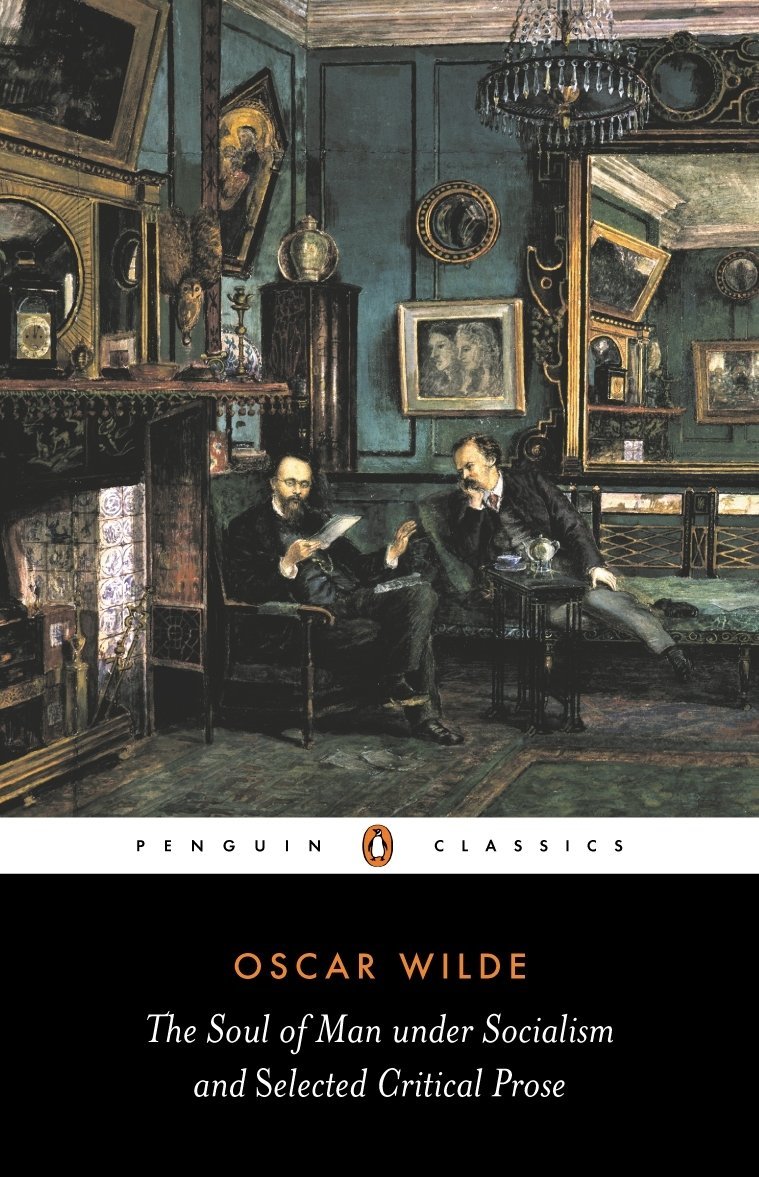
The Soul of Man Under Socialism and Selected Critical Prose PDF - أوسكار وايلد
أوسكار وايلد • فلسفة • ٣٩٣ الصفحات
(0)
اقتباس
مراجعة
حفظ
مشاركة
وصف الكتاب
The Soul of Man Under Socialism and Selected Critical Prose by Oscar Wilde is a compelling collection that brings together one of the most influential philosophical essays of the late nineteenth century along with a range of Wilde’s incisive critical writings. At the heart of this work is Wilde’s visionary essay “The Soul of Man Under Socialism,” a text that challenges conventional thinking about society, individuality, art, and economic systems. Known for his brilliance as a playwright, novelist, and wit, Oscar Wilde also emerges here as a deeply thoughtful social critic who explores the relationship between personal freedom and collective structures.
This collection appeals to readers interested in political philosophy, literary criticism, aesthetic theory, and classic essays that remain strikingly relevant in modern discussions about inequality, creativity, and the role of the individual in society. Wilde’s prose combines elegance, irony, and intellectual daring, making even complex philosophical ideas accessible and engaging.
The Soul of Man Under Socialism – Central Ideas and Vision
At the core of this book is Wilde’s celebrated essay “The Soul of Man Under Socialism,” where he presents a bold and unconventional interpretation of socialism. Rather than focusing purely on economic redistribution or state control, Wilde envisions socialism as a path toward individual liberation and creative freedom. He argues that true progress in society can only be achieved when individuals are freed from the burdens of poverty, competition, and oppressive labor systems that restrict artistic and intellectual development.
Wilde’s socialism is highly individualistic. He does not advocate for conformity or rigid collectivism; instead, he sees the highest value in the flourishing of unique personalities. In his view, poverty and material necessity are the greatest enemies of creativity. When people are forced to struggle for survival, they lose the time and mental space required to develop their talents, imagination, and inner life.
One of the most striking aspects of the essay is Wilde’s critique of charity and philanthropy. He suggests that traditional charity, while well-intentioned, often reinforces inequality rather than solving it. By maintaining the distinction between the rich and the poor, charity can become a form of social control rather than genuine liberation. Instead, Wilde proposes a society where economic hardship is eliminated at its root, allowing individuals to live freely without dependence or humiliation.
The essay also reflects Wilde’s deep engagement with aesthetics. For him, art and beauty are not luxuries but essential expressions of human identity. A truly free society, in Wilde’s vision, is one in which individuals can pursue beauty, creativity, and self-expression without restriction.
Selected Critical Prose – Wilde as Literary Critic
In addition to the central essay, this collection includes selected critical prose that showcases Oscar Wilde’s brilliance as a literary and cultural critic. These writings reveal his ability to analyze literature, art, and society with sharp insight and refined stylistic elegance.
Wilde’s criticism often challenges rigid moral judgments in art. He is associated with the philosophy of “art for art’s sake,” which argues that art should not be judged by moral or utilitarian standards but by its beauty and artistic integrity. In his critical essays, Wilde defends the autonomy of artistic creation and resists the idea that art must serve political or didactic purposes.
His critical prose is also marked by paradox and wit. Wilde frequently uses contradiction as a rhetorical tool to expose hypocrisy and question conventional wisdom. Rather than presenting straightforward arguments, he often constructs layered reflections that invite readers to reconsider their assumptions about morality, culture, and taste.
The selected writings in this volume reflect Wilde’s engagement with literature, theater, and cultural commentary. They highlight his role not only as a creator of art but also as a sharp observer of Victorian society and its contradictions.
Themes and Philosophical Depth
One of the defining strengths of this collection is its exploration of enduring philosophical themes. Among the most prominent are individualism, freedom, art, labor, and social justice. Wilde’s unique approach blends political thought with aesthetic philosophy, creating a perspective that resists simple categorization.
Individualism is perhaps the most central theme. Wilde insists that society should not suppress individuality in the name of order or morality. Instead, he argues that human progress depends on the full development of personal identity and creative potential. In his view, every individual has a unique contribution to make, but this can only emerge when oppressive structures are removed.
Another major theme is the critique of industrial capitalism. Wilde observes how modern economic systems reduce human beings to instruments of labor, stripping them of dignity and imagination. He contrasts this with his ideal of a society where people are free to pursue intellectual and artistic fulfillment.
Art and aesthetics are also central to Wilde’s philosophy. He sees beauty not as an ornament of life but as its highest expression. Art becomes a way of understanding truth, emotion, and identity beyond the constraints of practical necessity.
Why Readers Continue to Engage with This Work
The Soul of Man Under Socialism and Selected Critical Prose continues to attract readers because it speaks to ongoing debates about inequality, creativity, and freedom. In a modern world shaped by economic pressure, technological change, and cultural standardization, Wilde’s reflections feel remarkably contemporary.
Students of literature and philosophy are drawn to the text for its intellectual depth and stylistic brilliance. Wilde’s writing is both accessible and sophisticated, making it suitable for readers who are new to political philosophy as well as those with advanced academic interests. His use of paradox, humor, and elegant prose ensures that the reading experience remains engaging even when addressing complex ideas.
The collection is also valuable for those interested in the history of socialist thought and aesthetic theory. Wilde offers a distinctive perspective that differs from more traditional economic or political writers, focusing instead on the relationship between freedom, creativity, and human fulfillment.
Reading Experience and Literary Style
Reading Oscar Wilde’s essays is a distinctive experience shaped by his mastery of language. His prose is fluid, rhythmic, and filled with memorable phrases that often carry layers of meaning. Even when discussing serious social issues, Wilde maintains a sense of wit and stylistic grace that makes his arguments more compelling.
The structure of his essays is often reflective rather than strictly linear. Instead of presenting rigid arguments, Wilde builds ideas through reflection, contradiction, and illustration. This approach encourages readers to engage actively with the text, interpreting and reconsidering its implications.
The tone throughout the collection balances intellectual seriousness with artistic expression. Wilde’s writing does not separate philosophy from literature; instead, it merges the two into a unified form of expression that is both thought-provoking and aesthetically rich.
Legacy and Continuing Relevance
Oscar Wilde’s The Soul of Man Under Socialism and Selected Critical Prose remains an important work in both literary and philosophical traditions. Its influence extends beyond literature into discussions of political theory, cultural studies, and aesthetic philosophy.
The essay “The Soul of Man Under Socialism” in particular continues to be widely studied for its radical rethinking of socialism through the lens of individuality and artistic freedom. Wilde’s emphasis on personal development and creativity resonates strongly in contemporary conversations about work-life balance, social inequality, and the purpose of education and culture.
His critical prose also remains significant for its challenge to moralistic approaches to art. Wilde’s insistence that art should be valued for its beauty and imaginative power continues to influence modern debates about the role of culture in society.
A Timeless Reflection on Freedom and Creativity
The Soul of Man Under Socialism and Selected Critical Prose stands as a powerful exploration of what it means to be truly free in both social and artistic terms. Through his elegant and provocative writing, Oscar Wilde invites readers to imagine a world where individuality is not suppressed but celebrated, and where creativity becomes the highest expression of human life.
This collection remains a vital read for anyone interested in the intersection of art, philosophy, and social thought, offering insights that continue to inspire reflection on freedom, beauty, and the possibilities of
أوسكار وايلد
كان أوسكار وايلد (1854-1900) كاتبًا مسرحيًا وشاعرًا وروائيًا أيرلنديًا يُنظر إليه على نطاق واسع على أنه أحد أعظم كتاب العصر الفيكتوري. ولد في دبلن بأيرلندا وتلقى تعليمه في كلية ترينيتي في دبلن وكلية ماجدالين في أكسفورد. كان وايلد شخصية بارزة في المجتمع الفيكتوري ، ومعروفًا بالذكاء والروح والشذوذ الجنسي ، والتي كانت تعتبر فيما بعد جريمة.
بدأت مسيرة وايلد الأدبية في ثمانينيات القرن التاسع عشر ، عندما اكتسب شعبية من خلال مسرحياته الكوميدية ، بما في ذلك "مروحة السيدة ويندرمير" و "امرأة بلا أهمية" و "أهمية أن تكون جادًا". اشتهرت هذه المسرحيات بالتلاعب بالألفاظ والتعليق الاجتماعي والتصوير الساخر للمجتمع الفيكتوري.
بالإضافة إلى مسرحياته ، كتب وايلد أيضًا روايات ، بما في ذلك "صورة دوريان جراي" ، والتي تحكي قصة شاب جميل أبرم ميثاقًا فاوستيًا ليظل شابًا وجميلًا بينما تتقدم صورته في السن وتصبح قبيحة. أثارت الرواية جدلاً عندما نُشرت لأول مرة في عام 1890 بسبب موضوعاتها المنحطة ونغماتها المثلية.
على الرغم من نجاحه الأدبي ، كانت حياة وايلد الشخصية صاخبة. في عام 1895 ، أدين بتهمة العلاقات الجنسية المثلية وحكم عليه بالسجن لمدة عامين مع الأشغال الشاقة. دمرت المحاكمة والسجن اللاحق سمعته وصحته ، وتوفي في باريس عام 1900 ، عن عمر يناهز 46 عامًا.
يعيش إرث وايلد من خلال أعماله ، التي لا تزال تحتفل بذكائها وروح الدعابة والتعليق الاجتماعي. أثرت كتاباته على أجيال من الكتاب ، ومازالت مسرحياته تؤدّى وتتكيف مع السينما والتلفزيون. اليوم ، لا يُذكر وايلد باعتباره كاتبًا عظيمًا فحسب ، بل أيضًا كرمز للمقاومة ضد الأخلاق الفيكتورية والنفاق.
اكسب مكافآت أثناء القراءة!
كل 10 صفحات تقرؤها وتقضى فيها 30 ثانية تمنحك 5 نقاط مكافأة! واصل القراءة لفتح الإنجازات والمزايا الحصرية.
اقرأ
قيم الآن
5 نجوم
4 نجوم
3 نجوم
2 نجوم
1 نجوم
اقتباسات The Soul of Man Under Socialism and Selected Critical Prose
الأعلى تقييماً
الأحدث
اقتباس
كن أول من يترك اقتباسًا واكسب 10 نقاط
بدلاً من 3
كتب أخرى لـ أوسكار وايلد
كتب أخرى مشابهة The Soul of Man Under Socialism and Selected Critical Prose
'%20/%3e%3c/svg%3e "The Dunayevskaya-Marcuse-Fromm correspondence : dialogues on Hegel, Marx, and critical theory")
إريك فروم.
فلسفة
(0)
2267
الإنجليزية
التعليقات
كن أول من يترك تعليقًا واكسب 5 نقاط
بدلاً من 3