

مصدر الكتاب
تم نشر هذا الكتاب بهدف النفع العام، وذلك بموجب رخصة المشاع الإبداعي، أو بناءً على موافقة من المؤلف أو دار النشر. في حال وجود أي اعتراض على النشر، يُرجى التواصل معنا لنتخذ الإجراء المناسب.
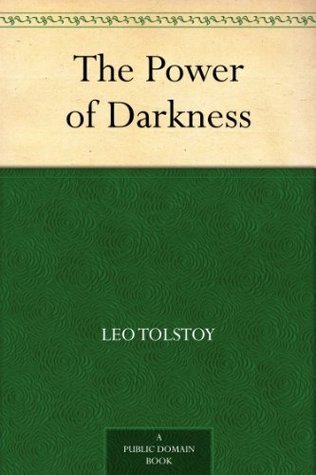
The Power Of Darkness PDF - ليو تولستوي
ليو تولستوي • روايات أدبية • ١١٢ الصفحات
(0)
اقتباس
مراجعة
حفظ
مشاركة
وصف الكتاب
The Power of Darkness by Leo Tolstoy is a powerful work of classic Russian drama, a five-act tragedy that explores guilt, temptation, moral weakness, and the destructive force of hidden sin. Written in the late nineteenth century, the play belongs to Tolstoy’s deeply serious moral and spiritual period, when the author of War and Peace and Anna Karenina turned his attention with unusual intensity toward conscience, justice, faith, and the lives of ordinary people. The play was written in 1886 and was long associated with controversy because of its uncompromising depiction of rural life, crime, and moral collapse; its production was banned in Russia until 1902. (Project Gutenberg)
Set in a Russian peasant household, The Power of Darkness presents a world where desire, greed, fear, and social pressure gradually pull human beings away from truth. Rather than relying on grand aristocratic settings or heroic action, Tolstoy builds the drama from domestic tensions, everyday speech, and the harsh realities of village existence. The result is a naturalistic tragedy that feels direct, intimate, and disturbing, showing how a seemingly private wrongdoing can spread through a family, poison relationships, and demand a final moral reckoning.
A Dark Russian Tragedy of Sin, Conscience, and Moral Consequence
At the center of The Power of Darkness is Nikita, a farmhand whose weakness and self-indulgence draw him into a chain of deception and corruption. Around him are characters shaped by poverty, ambition, fear, lust, superstition, and the pressure to survive in a hard rural world. Tolstoy does not present evil as something abstract or distant; he shows it taking root in ordinary choices, whispered plans, selfish compromises, and moments when characters choose convenience over truth. This gives the play its lasting psychological force.
The title itself suggests the central movement of the drama. Darkness is not only the absence of light but the loss of moral clarity. Characters hide what they have done, hide what they know, and hide even from themselves. As the action develops, secrecy becomes more oppressive than any external punishment. Tolstoy’s genius lies in showing that conscience cannot be silenced forever. The more the characters attempt to bury guilt, the more powerful that guilt becomes, until the drama moves toward a confrontation with truth.
Tolstoy’s Realism and the Power of Rural Drama
Readers who know Tolstoy mainly through his great novels will find in The Power of Darkness a different but equally compelling side of his art. The play is shorter, sharper, and more concentrated than his major fiction, yet it carries many of the same concerns: the moral burden of action, the gap between social appearance and spiritual reality, and the suffering caused when human beings refuse responsibility. Instead of broad historical vision, Tolstoy offers an enclosed domestic world where every gesture and every lie matters.
The rural setting is essential to the play’s impact. Tolstoy writes about peasants without romanticizing them and without reducing them to symbols. Their speech, habits, fears, and desires create a world that feels grounded and severe. The household becomes a moral pressure chamber, and the audience or reader is made to watch how one wrong decision leads to another. This is why The Power of Darkness remains important not only as a work of Russian literature, but also as a major example of realist and naturalistic theater.
Themes That Make The Power of Darkness Enduring
One of the strongest themes in The Power of Darkness is the relationship between sin and responsibility. Tolstoy is not interested in crime merely as plot. He is interested in the spiritual damage caused by wrongdoing, especially when the wrongdoer attempts to escape confession. In this sense, the play is both a tragedy and a moral investigation. It asks whether a person can live in peace while denying the truth, and whether suffering can become the path back to moral awareness.
Another central theme is the corruption of family and community when truth is replaced by manipulation. Marriage, work, inheritance, sexuality, and social reputation all become tangled in the characters’ choices. Tolstoy shows how moral disorder does not remain private. It spreads from one person to another, creating fear, resentment, dependence, and violence. This makes the play especially valuable for readers interested in psychological drama, ethical literature, and stories that examine how ordinary life can become tragic through a gradual surrender to darkness.
The play also reflects Tolstoy’s religious and moral concerns. Without becoming abstract or preachy, The Power of Darkness is deeply concerned with confession, repentance, and the possibility of spiritual awakening. Tolstoy’s drama suggests that truth may be painful, but concealment is more destructive. This gives the work a severe but meaningful emotional arc: the descent into darkness is terrifying because it is human, but the need for light remains present even in the bleakest moments.
Why Readers Still Search for The Power of Darkness
Modern readers often come to The Power of Darkness because they are looking for a Leo Tolstoy play, a classic Russian tragedy, or a shorter work that reveals Tolstoy’s moral vision outside his famous novels. The play rewards that search by offering a concentrated encounter with many of Tolstoy’s most important ideas. It is dramatic, unsettling, and emotionally serious, but it is also remarkably clear in its structure. Every scene contributes to the tightening sense of consequence.
For students and readers of world literature, the play is useful because it connects Tolstoy to the development of modern drama. Its focus on ordinary people, social realism, moral pressure, and psychological conflict places it near the concerns that would become central to later European theater. Readers interested in authors such as Henrik Ibsen, Anton Chekhov, Maxim Gorky, or later realist dramatists may find The Power of Darkness especially compelling because it combines social observation with intense moral urgency.
For general readers, the appeal lies in the emotional and ethical force of the story. The Power of Darkness does not require deep historical knowledge to be understood. Its world is specific, but its questions are universal: How does a person become trapped by lies? What happens when desire overrules conscience? Can confession restore moral order? How much suffering is caused by refusing to speak the truth? These questions give the play its continuing relevance.
Reading Experience and Literary Value
The experience of reading The Power of Darkness is intense and often uncomfortable. Tolstoy does not soften the consequences of human weakness, and he does not turn tragedy into melodrama. The language, especially in English translations such as those associated with Aylmer and Louise Maude, preserves the plainness and force of the dramatic action while allowing the moral weight of the scenes to emerge clearly. Project Gutenberg identifies the work as a five-act drama and makes it widely accessible to modern readers in English. (Project Gutenberg)
This is not a play built around decorative language or theatrical spectacle. Its strength comes from pressure, inevitability, and the terrible intimacy of wrongdoing within a household. Tolstoy’s scenes show people bargaining with themselves, excusing themselves, blaming others, and sinking deeper into guilt. That psychological realism is one of the reasons The Power of Darkness remains a striking work for readers interested in moral fiction, dramatic literature, and the darker side of human nature.
A Classic Work for Readers of Tolstoy and World Drama
The Power of Darkness by Leo Tolstoy is an essential title for anyone exploring Tolstoy beyond his monumental novels. It reveals his ability to compress moral conflict into dramatic form and to turn a peasant household into the stage for a profound spiritual crisis. The play’s themes of guilt, temptation, secrecy, confession, and redemption make it one of Tolstoy’s most forceful dramatic works and a memorable example of nineteenth-century Russian realism.
For readers seeking a serious, challenging, and morally charged classic, The Power of Darkness offers a reading experience that is both historically important and emotionally immediate. It is a dark play, but its darkness has purpose: Tolstoy uses it to examine the human need for truth. Through its tragic atmosphere, realistic characters, and relentless focus on conscience, the work continues to speak to readers who value literature that confronts the deepest conflicts between weakness, responsibility, and the possibility of moral awakening.
ليو تولستوي
ليو تولستوي هو أحد أعظم الروائيين والمفكرين في تاريخ الأدب العالمي، وكاتب روسي ارتبط اسمه بالرواية الواقعية الكبرى وبالأسئلة الأخلاقية والروحية التي تتجاوز حدود الزمن واللغة. وُلِد في أسرة أرستقراطية روسية، ونشأ في بيئة ريفية كان لها أثر عميق في خياله الأدبي ونظرته إلى الإنسان والطبيعة والعمل والحياة البسيطة. لم يكن تولستوي مجرد مؤلف روايات طويلة، بل كان صاحب مشروع إنساني واسع حاول من خلاله فهم معنى الوجود، ومصدر الخير، وحدود السلطة، وعلاقة الفرد بالمجتمع، وقيمة الضمير في مواجهة العنف والحرب والزيف الاجتماعي. اشتهر عالميا بروايتيه الكبيرتين «الحرب والسلام» و«آنا كارنينا»، وهما عملان يعدان من قمم الأدب العالمي، لأنهما يجمعان بين السرد الواسع، والتحليل النفسي العميق، وتصوير الحياة العائلية والاجتماعية، والتأمل في التاريخ والمصير الإنساني. في «الحرب والسلام» قدّم تولستوي صورة بانورامية للمجتمع الروسي في زمن الحروب النابليونية، ولم يكتف بوصف المعارك والسياسة، بل ركز على الإنسان العادي داخل الأحداث الكبرى، وعلى الطريقة التي تتشكل بها القرارات التاريخية من تداخل آلاف الإرادات والمصادفات. أما في «آنا كارنينا» فقد بلغ ذروة نادرة في تصوير العاطفة، والزواج، والخيانة، والغيرة، والضغط الاجتماعي، وصراع المرأة والرجل مع القيم السائدة والرغبة في حياة صادقة. يتميز أسلوب تولستوي بالوضوح والقوة والاتساع، فهو يكتب عن التفاصيل اليومية كما لو كانت مفاتيح لفهم الروح البشرية، ويمنح شخصياته حياة داخلية معقدة تجعل القارئ يشعر بأنها كائنات حقيقية لا مجرد أدوات في حبكة روائية. تظهر في أعماله موضوعات متكررة مثل البحث عن الحقيقة، ونقد الامتياز الطبقي، والتعاطف مع الفلاحين، والقلق من العنف، والإيمان بالبساطة، ورفض النفاق، والسعي إلى إصلاح الذات قبل إصلاح العالم. وفي مراحل لاحقة من حياته اتجه تولستوي بقوة إلى التفكير الديني والأخلاقي، فكتب نصوصا مؤثرة عن اللاعنف، والمقاومة السلمية، والزهد، ومعنى المسيحية العملية، وأثر ذلك في مفكرين وحركات اجتماعية حول العالم. إن مكانة تولستوي لا تقوم فقط على ضخامة أعماله أو شهرتها، بل على قدرته النادرة على الجمع بين الرواية والفلسفة، وبين العاطفة والتحليل، وبين جمال السرد وقسوة السؤال الأخلاقي. لذلك بقي اسمه حاضرا في قوائم أعظم الكتّاب، وتُقرأ أعماله في الجامعات والمكتبات ودور النشر بوصفها نصوصا مؤسسة في فهم الرواية الحديثة. ومن يقرأ تولستوي يجد أمامه كاتبا يرى أن الأدب ليس تسلية عابرة، بل وسيلة لكشف الإنسان أمام نفسه، وإعادة طرح الأسئلة الكبرى عن الحب، والموت، والأسرة، والإيمان، والحرب، والحرية، والعدالة. لقد ترك ليو تولستوي إرثا أدبيا وفكريا لا يزال مؤثرا في القراء والروائيين والباحثين، لأن كتابته تمنح العالم صورة واسعة ومؤلمة وجميلة عن الإنسان في ضعفه وقوته، وفي تناقضه ورغبته الدائمة في الخلاص والمعنى.
اكسب مكافآت أثناء القراءة!
كل 10 صفحات تقرؤها وتقضى فيها 30 ثانية تمنحك 5 نقاط مكافأة! واصل القراءة لفتح الإنجازات والمزايا الحصرية.
اقرأ
قيم الآن
5 نجوم
4 نجوم
3 نجوم
2 نجوم
1 نجوم
اقتباسات The Power Of Darkness
الأعلى تقييماً
الأحدث
اقتباس
كن أول من يترك اقتباسًا واكسب 10 نقاط
بدلاً من 3
'%20/%3e%3c/svg%3e "War and Peace")
التعليقات
كن أول من يترك تعليقًا واكسب 5 نقاط
بدلاً من 3