

مصدر الكتاب
تم نشر هذا الكتاب بهدف النفع العام، وذلك بموجب رخصة المشاع الإبداعي، أو بناءً على موافقة من المؤلف أو دار النشر. في حال وجود أي اعتراض على النشر، يُرجى التواصل معنا لنتخذ الإجراء المناسب.
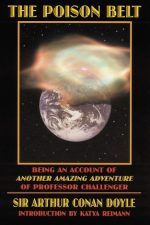
The Poison Belt PDF - آرثر كونان دويل
آرثر كونان دويل • روايات الخيال العلمي • ١٦٠ الصفحات
(0)
اقتباس
مراجعة
حفظ
مشاركة
وصف الكتاب
Arthur Conan Doyle’s The Poison Belt is a short science fiction novel first published in The Strand Magazine from March to July 1913 and issued in UK book form by Hodder & Stoughton on August 13, 1913. Written by the creator of Sherlock Holmes, the book is the second adventure featuring Professor George Edward Challenger, following The Lost World. Project Gutenberg lists the work under science fiction and identifies its author as Arthur Conan Doyle, 1859–1930. (Arthur Conan Doyle Encyclopedia)
The Poison Belt is a compact but memorable apocalyptic story that turns away from jungle exploration and focuses instead on a global cosmic disaster. The familiar team from The Lost World returns: the fierce and brilliant Professor Challenger, the skeptical Professor Summerlee, the courageous Lord John Roxton, and the journalist Edward Malone, who narrates the events. Rather than sending them across continents, Arthur Conan Doyle confines much of the drama to Challenger’s house in Sussex, creating a tense chamber story about science, fear, survival, and the fragility of human civilization.
The plot begins when Malone receives a strange summons from Professor Challenger. Challenger has been studying unusual signs in the natural world and believes that Earth is moving through a deadly region of ether, a “poison belt” in space. His warning sounds outrageous, especially because Challenger has a reputation for arrogance and dramatic claims, but he insists that the danger is immediate. He instructs his companions to bring cylinders of oxygen and join him at his home. Summerlee, Roxton, and Malone arrive prepared for argument, not apocalypse, yet they soon begin to see that Challenger may be right.
As the mysterious cosmic influence strengthens, people across the world start behaving strangely. Reports suggest confusion, violence, sleep-like collapse, and sudden social disorder. Inside Challenger’s home, the group seals themselves in a room and uses oxygen to resist the poisonous effects. Challenger’s wife is also present, adding a human tenderness to a story otherwise dominated by scientific debate and disaster. The characters argue, observe, and slowly realize that they may be witnessing the end of life on Earth.
The most striking part of The Poison Belt is its eerie stillness. From their protected room, the survivors look out on a world that appears dead. Telegraphs fall silent, newspapers stop, and ordinary life seems to vanish almost instantly. Doyle makes the catastrophe feel powerful not through explosions or battles, but through quiet images of stopped movement and abandoned streets. The characters are forced to confront the possibility that human achievements, pride, and rivalries have been erased by a force no one can control.
When the oxygen supply begins to fail, the group believes their own end is near. Their conversations become more reflective, and the rivalry between Challenger and Summerlee softens in the face of shared mortality. Malone, as narrator, records the events with the urgency of someone who thinks he may be writing the last account of humanity. This gives the novel its emotional center: the characters are not only trying to survive, but also trying to understand what human life means when civilization seems to have disappeared.
The ending reveals that the “poison belt” has not destroyed humanity completely. Instead, most people have entered a temporary state of suspended animation, and as Earth passes out of the dangerous cosmic zone, the world begins to awaken. There are losses, especially where accidents occurred during the period of unconsciousness, but humanity survives. The experience leaves the characters shaken, humbled, and aware that life on Earth is far more vulnerable than people usually imagine.
As a work of early science fiction, The Poison Belt combines speculative science with philosophical reflection. Its science belongs to its era, especially the idea of ether as a medium through which cosmic forces travel, but its central fear remains recognizable: a sudden global crisis that exposes the limits of human control. Arthur Conan Doyle’s The Poison Belt is therefore both a Professor Challenger adventure and a thoughtful end-of-the-world story, using suspense and scientific imagination to ask how people face catastrophe when knowledge, courage, and pride may not be enough.
آرثر كونان دويل
أغاثا كريستي كاتبة بريطانية تُعد من أشهر أسماء الأدب البوليسي في العالم، وقد ارتبط اسمها بفن الجريمة والغموض ارتباطًا جعلها واحدة من أكثر الكاتبات تأثيرًا في تاريخ الرواية الحديثة. وُلدت في إنجلترا في أواخر القرن التاسع عشر، ونشأت في بيئة أتاحت لها القراءة الواسعة وتنمية الخيال والملاحظة الدقيقة، وهما عنصران أصبحا لاحقًا من أبرز سمات أعمالها. اشتهرت أغاثا كريستي بقدرتها الفريدة على بناء حبكات محكمة، تبدأ غالبًا بجريمة غامضة أو حادثة تبدو مستحيلة، ثم تتكشف تدريجيًا عبر إشارات صغيرة وشخصيات متعددة ودوافع نفسية واجتماعية متشابكة. لم تكن رواياتها مجرد ألغاز للتسلية، بل كانت دراسات ذكية للطبيعة البشرية، إذ أظهرت كيف يمكن للطمع والغيرة والخوف والانتقام أن تختبئ خلف واجهات الاحترام والهدوء والطبقة الاجتماعية الراقية. ومن أهم أسباب شهرتها أنها منحت القارئ فرصة المشاركة في حل اللغز، فكانت تضع الأدلة أمامه بإنصاف، لكنها ترتبها بذكاء يجعل الحقيقة واضحة بعد انكشافها ومخادعة قبل ذلك. ابتكرت أغاثا كريستي شخصيات أصبحت علامات راسخة في الأدب العالمي، وعلى رأسها المحقق البلجيكي الشهير Hercule Poirot، الذي يتميز بعقله المنطقي ونظامه الصارم وقدرته على فهم التفاصيل النفسية الدقيقة، وكذلك الآنسة Jane Marple، السيدة الهادئة القادمة من قرية إنجليزية صغيرة، والتي تستخدم معرفتها العميقة بالبشر وسلوكهم اليومي لكشف الجرائم الأكثر تعقيدًا. وتُظهر هاتان الشخصيتان اتساع موهبة الكاتبة، فهي لم تعتمد على نموذج واحد للمحقق، بل قدمت أكثر من طريقة للتفكير والتحليل؛ طريقة عقلانية منظمة، وطريقة إنسانية قائمة على الخبرة والملاحظة. من أشهر أعمالها Murder on the Orient Express، وAnd Then There Were None، وThe Murder of Roger Ackroyd، وDeath on the Nile، وهي روايات تحولت إلى أعمال مسرحية وسينمائية وتلفزيونية عديدة، وظلت تجذب أجيالًا متتابعة من القراء والمشاهدين. وتمتاز هذه الأعمال بإحكام البناء، وقوة النهاية، وقدرة الكاتبة على تحويل المكان المحدود، مثل قطار أو جزيرة أو باخرة أو منزل ريفي، إلى مسرح نفسي كامل تتصادم فيه الأسرار والشكوك والمصالح. كما كتبت أغاثا كريستي للمسرح، ويُعد عملها The Mousetrap من أشهر المسرحيات في تاريخ العروض الطويلة، مما يؤكد أن موهبتها لم تكن محصورة في الرواية وحدها. أسلوبها واضح ومباشر، لكنه ليس بسيطًا بالمعنى السطحي؛ فهي تستخدم لغة دقيقة، وحوارًا مشحونًا بالمعاني الخفية، ووصفًا اقتصاديًا يركز على ما يخدم اللغز والشخصية. وقد ساعد هذا الأسلوب على انتشار كتبها عالميًا وترجمتها إلى لغات كثيرة، لأن القارئ في ثقافات مختلفة يستطيع الدخول بسهولة إلى عالمها، ثم يجد نفسه محاصرًا بسؤال واحد: من ارتكب الجريمة؟ تحتل أغاثا كريستي مكانة خاصة في مواقع الكتب والمكتبات ودراسات الأدب، لأنها تمثل نموذجًا للكاتبة التي جمعت بين الشعبية الكبيرة والقيمة الفنية المستمرة. وبالنسبة لمحبي الروايات البوليسية، فإن قراءة أعمالها ليست مجرد عودة إلى كلاسيكيات الجريمة، بل تجربة في الذكاء السردي، وفي فهم كيف يمكن للغموض أن يكشف الحقيقة بدل أن يخفيها. لذلك بقيت أغاثا كريستي، بعد عقود طويلة من رحيلها، اسمًا أساسيًا في أدب التشويق، ورمزًا للبراعة في صناعة الحبكة، وصوتًا أدبيًا لا يزال حاضرًا في ذاكرة القراء حول العالم.
اكسب مكافآت أثناء القراءة!
كل 10 صفحات تقرؤها وتقضى فيها 30 ثانية تمنحك 5 نقاط مكافأة! واصل القراءة لفتح الإنجازات والمزايا الحصرية.
اقرأ
قيم الآن
5 نجوم
4 نجوم
3 نجوم
2 نجوم
1 نجوم
اقتباسات The Poison Belt
الأعلى تقييماً
الأحدث
اقتباس
كن أول من يترك اقتباسًا واكسب 10 نقاط
بدلاً من 3
'%20/%3e%3c/svg%3e "The Poetry of Arthur Conan Doyle")
التعليقات
كن أول من يترك تعليقًا واكسب 5 نقاط
بدلاً من 3