

مصدر الكتاب
تم نشر هذا الكتاب بهدف النفع العام، وذلك بموجب رخصة المشاع الإبداعي، أو بناءً على موافقة من المؤلف أو دار النشر. في حال وجود أي اعتراض على النشر، يُرجى التواصل معنا لنتخذ الإجراء المناسب.
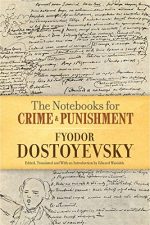
The Notebooks for Crime and Punishment PDF - فيودور دوستويفسكي
فيودور دوستويفسكي • روايات أدبية • ٢٦٤ الصفحات
(0)
اقتباس
مراجعة
حفظ
مشاركة
وصف الكتاب
The Notebooks for Crime and Punishment by Fyodor Dostoevsky
The Notebooks for Crime and Punishment offers a rare and fascinating entrance into the workshop of Fyodor Dostoevsky, one of the most influential novelists in world literature. More than a companion volume to Crime and Punishment, this book allows readers to follow the development of a masterpiece from early plans, fragments, revisions, character sketches, and philosophical reflections into the finished novel that has shaped generations of readers, critics, students, and writers. Edited and translated by Edward Wasiolek, the volume was first published in English by the University of Chicago Press in 1967 and presents Dostoevsky’s preparatory materials for one of his greatest works.
A Window into Dostoevsky’s Creative Process
This book is especially valuable because it reveals Dostoevsky’s creative process in motion. Readers who know Crime and Punishment as a tightly constructed psychological novel will find here the uncertainty, experimentation, and intellectual struggle behind its final form. The notebooks show Dostoevsky testing ideas, reshaping scenes, adjusting motives, and searching for the exact moral and emotional force that would define Raskolnikov’s story. Instead of presenting genius as something effortless, The Notebooks for Crime and Punishment shows writing as a process of trial, revision, contradiction, and discovery.
For readers interested in classic Russian literature, this volume deepens the experience of reading Dostoevsky by showing how his imagination moved between plot, psychology, theology, social criticism, and dramatic conflict. The notes include schematic plans for major parts of the novel, alternative versions of scenes, and reflections on the philosophical and religious ideas that run through the finished work. The result is a book that is not simply about a novel, but about the making of literary meaning itself.
Understanding Crime and Punishment More Deeply
Crime and Punishment is often read as a psychological crime novel, a philosophical novel, a work of Christian moral inquiry, and a landmark of nineteenth-century realism. The Notebooks for Crime and Punishment helps readers understand how these layers emerged. Dostoevsky’s notes illuminate the pressure points of the novel: guilt, pride, poverty, alienation, confession, suffering, moral freedom, spiritual crisis, and the possibility of renewal. By seeing what Dostoevsky considered, changed, or abandoned, readers gain a sharper sense of why the final novel has such intensity.
The notebooks also help clarify the complexity of Raskolnikov, one of literature’s most studied characters. Rather than appearing fully formed, his psychology develops through Dostoevsky’s drafts and shifting plans. The reader can see how questions of motive, self-justification, fear, compassion, and inner division became central to the novel’s power. For students and researchers, this makes the book an important resource for Crime and Punishment analysis, Dostoevsky studies, and literary essays on character development, narrative structure, and moral philosophy.
Themes of Guilt, Morality, Faith, and Human Freedom
One of the strongest reasons to read The Notebooks for Crime and Punishment is the insight it gives into Dostoevsky’s treatment of moral and spiritual conflict. The finished novel is famous for its exploration of guilt and conscience, but the notebooks reveal how carefully Dostoevsky worked through these ideas. His interest was not limited to the external act of crime; he was concerned with the inner world that makes crime imaginable, justifiable, unbearable, and finally transformative.
The book is therefore highly relevant for readers searching for Dostoevsky philosophy, religious themes in Crime and Punishment, or psychological fiction analysis. The notes show Dostoevsky thinking through the relationship between intellect and conscience, theory and compassion, isolation and redemption. They also reveal how the author’s moral imagination was inseparable from dramatic storytelling. Characters are not treated as abstract symbols only; they are living centers of pressure, contradiction, and suffering.
For Students, Scholars, Writers, and Serious Readers
The Notebooks for Crime and Punishment is an excellent choice for university students, teachers, literary critics, writers, and devoted readers of Fyodor Dostoevsky. It is particularly useful for anyone preparing a close reading of Crime and Punishment, studying nineteenth-century Russian literature, or exploring how major novels are constructed. The volume’s English text, edited and translated by Edward Wasiolek, makes Dostoevsky’s working materials accessible to readers who want more than a standard plot summary or general introduction.
Writers may find the book especially compelling because it shows how a major novelist thinks on the page before the final shape has arrived. The notebooks preserve movement: hesitation, revision, expansion, compression, and renewed questioning. They demonstrate that literary structure is not merely a technical matter, but a way of discovering what a story truly means. For anyone interested in how novels are written, this volume offers a powerful example of artistic intelligence under pressure.
A Companion to One of the World’s Great Novels
This is not a replacement for reading Crime and Punishment; it is a companion that expands the novel’s depth. Readers who have already encountered Raskolnikov, Sonia, Porfiry, Dunya, Marmeladov, and the oppressive atmosphere of St. Petersburg will recognize familiar elements in an unfinished and evolving state. Google Books’ previewed contents and terms show the presence of key names and motifs connected to the novel, including Raskolnikov, Sonia, Porfiry, Luzhin, Marmeladov, murder, confession, suffering, and the final version.
Because the material is fragmentary by nature, the reading experience is different from a conventional novel. The reward lies in observation: seeing Dostoevsky’s imagination arrange and rearrange itself, watching ideas enter the dramatic field, and understanding how the emotional architecture of Crime and Punishment was built. This makes the book ideal for readers who enjoy literary archives, author notebooks, manuscript studies, and the hidden history behind classic books.
Why This Edition Matters
The importance of The Notebooks for Crime and Punishment lies in its ability to bring readers close to the origin of a masterpiece. The HathiTrust catalog describes the book as a key to understanding one of the world’s great novels, offering access to plans, scene variants, and Dostoevsky’s reflections on philosophical and religious ideas. That combination makes it valuable not only as a scholarly resource, but also as a deeply human record of artistic labor.
For admirers of Fyodor Dostoevsky, this book adds texture to the reading of Crime and Punishment. For students, it provides material for serious analysis. For writers, it offers a living example of revision and creative struggle. For thoughtful readers, it reveals how a classic novel grows from uncertainty into form. The Notebooks for Crime and Punishment is a distinctive and rewarding work for anyone who wants to look beyond the finished page and understand the mind, method, and moral imagination behind one of literature’s enduring achievements.
فيودور دوستويفسكي
كان فيودور دوستويفسكي روائيًا وفيلسوفًا وكاتب مقالات روسيًا ، ويُعتبر على نطاق واسع أحد أعظم الكتاب في الأدب الغربي. ولد في موسكو عام 1821 ونشأ في عائلة من الطبقة المتوسطة. كان والده طبيبًا يعالج الفقراء مجانًا ، الأمر الذي غرس في دوستويفسكي إحساسًا عميقًا بالعدالة الاجتماعية والتعاطف مع المضطهدين.
بدأ دوستويفسكي مسيرته الكتابية في أربعينيات القرن التاسع عشر بسلسلة من الروايات والقصص القصيرة التي استكشفت تعقيدات الطبيعة البشرية والجانب المظلم للمجتمع الروسي. نُشرت روايته الرئيسية الأولى "فقراء" عام 1846 وحظيت بإشادة النقاد. ومع ذلك ، كانت أعماله اللاحقة ، مثل "الجريمة والعقاب" و "الأبله" و "الأخوان كارامازوف" ، هي التي جعلت منه أستاذًا أدبيًا.
تشتهر كتابات دوستويفسكي بعمقها النفسي وموضوعاتها الفلسفية واستكشاف حالة الإنسان. غالبًا ما تصارع شخصياته مع المعضلات الأخلاقية والأسئلة الوجودية ، وتتصارع مع قضايا الإيمان والأخلاق ومعنى الحياة. تستكشف أعماله أيضًا القضايا السياسية والاجتماعية في عصره ، بما في ذلك الفقر والجريمة والقمع السياسي.
اتسمت حياة دوستويفسكي بمأساة شخصية واضطراب سياسي. تم القبض عليه في عام 1849 لتورطه مع مجموعة من المثقفين الليبراليين وحُكم عليه بالإعدام ، فقط لتخفف العقوبة إلى الأشغال الشاقة في سيبيريا. عاد إلى روسيا بعد أن قضى عقوبته ، لكنه استمر في النضال ضد الفقر والمرض طوال حياته. توفي عام 1881 عن عمر يناهز 59 عامًا.
على الرغم من حياته المضطربة ، فإن إرث دوستويفسكي ككاتب ومفكر لا يزال قائما. تستمر أعماله في القراءة والدراسة على نطاق واسع اليوم ، ولا تزال أفكاره حول الحالة الإنسانية ودور الإيمان في المجتمع تلقى صدى لدى القراء في جميع أنحاء العالم.
اكسب مكافآت أثناء القراءة!
كل 10 صفحات تقرؤها وتقضى فيها 30 ثانية تمنحك 5 نقاط مكافأة! واصل القراءة لفتح الإنجازات والمزايا الحصرية.
اقرأ
قيم الآن
5 نجوم
4 نجوم
3 نجوم
2 نجوم
1 نجوم
اقتباسات The Notebooks for Crime and Punishment
الأعلى تقييماً
الأحدث
اقتباس
كن أول من يترك اقتباسًا واكسب 10 نقاط
بدلاً من 3
'%20/%3e%3c/svg%3e "The Brothers Karamazov")
التعليقات
كن أول من يترك تعليقًا واكسب 5 نقاط
بدلاً من 3