

مصدر الكتاب
تم نشر هذا الكتاب بهدف النفع العام، وذلك بموجب رخصة المشاع الإبداعي، أو بناءً على موافقة من المؤلف أو دار النشر. في حال وجود أي اعتراض على النشر، يُرجى التواصل معنا لنتخذ الإجراء المناسب.
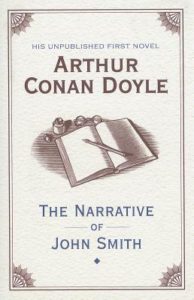
The Narrative of John Smith PDF - آرثر كونان دويل
آرثر كونان دويل • روايات فانتازيا • ١٣٠ الصفحات
(0)
اقتباس
مراجعة
حفظ
مشاركة
وصف الكتاب
Arthur Conan Doyle’s The Narrative of John Smith is an unusual early novel by the author best known for creating Sherlock Holmes. Although Conan Doyle wrote the work in 1883, when he was still a young doctor and aspiring writer, it was not published until 2011, long after his death. The book was issued by The British Library, with an edition edited and introduced by Jon Lellenberg, Daniel Stashower, and Rachel Foss. Bibliographic records list the publication as London: British Library, 2011, with 138 pages and ISBN 9780712358415.
The Narrative of John Smith is often described as Conan Doyle’s first novel, but it is very different from the tightly plotted detective fiction that later made him famous. The original manuscript was reportedly lost in the post after Conan Doyle sent it to a publisher, and the surviving version comes from his later attempt to rewrite the book from memory. The British Library acquired the manuscript in 2004 and published it for the first time in 2011.
The novel follows John Smith, a fifty-year-old man confined to his room by rheumatic gout. This simple situation provides the frame for the entire book. Instead of building toward a dramatic mystery or adventure, Conan Doyle presents Smith’s conversations, observations, opinions, and philosophical reflections. His doctor advises him to rest, and Smith turns the enforced stillness into an opportunity to think, talk, and write. From his room, he watches neighbors, receives visitors, debates ideas, and turns ordinary incidents into extended reflections on human nature.
The plot begins with Smith asking whether his painful condition is gout or rheumatism. The doctor confirms that it is a little of both and orders bed rest. Smith is frustrated by his confinement, but he gradually accepts it and begins to use his mind as his main source of activity. His surroundings become material for thought: the furniture in his room, the people he sees from the window, and the conversations that interrupt his isolation all feed the narrative.
Among the people around him is Mrs. Rundle, his landlady, who looks after him and gives him a link to domestic life outside his own thoughts. Smith also observes Mrs. Rundle’s children, whose small quarrels lead him into broader comments about civilization and primitive human impulses. These moments show how the novel turns minor daily events into moral and social commentary.
The doctor is one of Smith’s most important conversational partners. Their discussions move across science, medicine, religion, disease, progress, and the future of humanity. Through these exchanges, Conan Doyle reveals the intellectual interests of a young writer fascinated by medicine, scientific development, and moral improvement. Smith often imagines a future in which human beings might overcome illness, ignorance, and violence, although the novel also shows his awareness of suffering and social conflict.
Another important figure is Miss Oliver, an artist whom Smith watches from his window. Believing that she and her father are in financial difficulty, he secretly arranges to commission her work through Mrs. Rundle. When Miss Oliver later visits him and thanks him, Smith responds with kindness, though his private judgments also reveal the gender assumptions of his time. Her planned marriage leads him into reflections on women, marriage, and social roles.
The novel also introduces a retired Major, whose attitudes toward war allow Smith to criticize militarism and aggressive patriotism. A curate visits as well, prompting discussion of Christianity, organized religion, and belief. These encounters give the book the character of a debate rather than a conventional story. The narrative ends unfinished, during another conversation between Smith and the doctor, which adds to the sense that the book is a surviving literary fragment rather than a polished Victorian novel.
As a reading experience, The Narrative of John Smith is valuable less for suspense than for insight into Arthur Conan Doyle’s early imagination. It shows themes that would matter throughout his career: medicine, observation, argument, eccentric personalities, and the transformation of everyday detail into narrative. For readers interested in Conan Doyle beyond Sherlock Holmes, The Narrative of John Smith offers a rare look at the author before fame, experimenting with voice, ideas, and character in his first serious attempt at the novel form.
آرثر كونان دويل
أغاثا كريستي كاتبة بريطانية تُعد من أشهر أسماء الأدب البوليسي في العالم، وقد ارتبط اسمها بفن الجريمة والغموض ارتباطًا جعلها واحدة من أكثر الكاتبات تأثيرًا في تاريخ الرواية الحديثة. وُلدت في إنجلترا في أواخر القرن التاسع عشر، ونشأت في بيئة أتاحت لها القراءة الواسعة وتنمية الخيال والملاحظة الدقيقة، وهما عنصران أصبحا لاحقًا من أبرز سمات أعمالها. اشتهرت أغاثا كريستي بقدرتها الفريدة على بناء حبكات محكمة، تبدأ غالبًا بجريمة غامضة أو حادثة تبدو مستحيلة، ثم تتكشف تدريجيًا عبر إشارات صغيرة وشخصيات متعددة ودوافع نفسية واجتماعية متشابكة. لم تكن رواياتها مجرد ألغاز للتسلية، بل كانت دراسات ذكية للطبيعة البشرية، إذ أظهرت كيف يمكن للطمع والغيرة والخوف والانتقام أن تختبئ خلف واجهات الاحترام والهدوء والطبقة الاجتماعية الراقية. ومن أهم أسباب شهرتها أنها منحت القارئ فرصة المشاركة في حل اللغز، فكانت تضع الأدلة أمامه بإنصاف، لكنها ترتبها بذكاء يجعل الحقيقة واضحة بعد انكشافها ومخادعة قبل ذلك. ابتكرت أغاثا كريستي شخصيات أصبحت علامات راسخة في الأدب العالمي، وعلى رأسها المحقق البلجيكي الشهير Hercule Poirot، الذي يتميز بعقله المنطقي ونظامه الصارم وقدرته على فهم التفاصيل النفسية الدقيقة، وكذلك الآنسة Jane Marple، السيدة الهادئة القادمة من قرية إنجليزية صغيرة، والتي تستخدم معرفتها العميقة بالبشر وسلوكهم اليومي لكشف الجرائم الأكثر تعقيدًا. وتُظهر هاتان الشخصيتان اتساع موهبة الكاتبة، فهي لم تعتمد على نموذج واحد للمحقق، بل قدمت أكثر من طريقة للتفكير والتحليل؛ طريقة عقلانية منظمة، وطريقة إنسانية قائمة على الخبرة والملاحظة. من أشهر أعمالها Murder on the Orient Express، وAnd Then There Were None، وThe Murder of Roger Ackroyd، وDeath on the Nile، وهي روايات تحولت إلى أعمال مسرحية وسينمائية وتلفزيونية عديدة، وظلت تجذب أجيالًا متتابعة من القراء والمشاهدين. وتمتاز هذه الأعمال بإحكام البناء، وقوة النهاية، وقدرة الكاتبة على تحويل المكان المحدود، مثل قطار أو جزيرة أو باخرة أو منزل ريفي، إلى مسرح نفسي كامل تتصادم فيه الأسرار والشكوك والمصالح. كما كتبت أغاثا كريستي للمسرح، ويُعد عملها The Mousetrap من أشهر المسرحيات في تاريخ العروض الطويلة، مما يؤكد أن موهبتها لم تكن محصورة في الرواية وحدها. أسلوبها واضح ومباشر، لكنه ليس بسيطًا بالمعنى السطحي؛ فهي تستخدم لغة دقيقة، وحوارًا مشحونًا بالمعاني الخفية، ووصفًا اقتصاديًا يركز على ما يخدم اللغز والشخصية. وقد ساعد هذا الأسلوب على انتشار كتبها عالميًا وترجمتها إلى لغات كثيرة، لأن القارئ في ثقافات مختلفة يستطيع الدخول بسهولة إلى عالمها، ثم يجد نفسه محاصرًا بسؤال واحد: من ارتكب الجريمة؟ تحتل أغاثا كريستي مكانة خاصة في مواقع الكتب والمكتبات ودراسات الأدب، لأنها تمثل نموذجًا للكاتبة التي جمعت بين الشعبية الكبيرة والقيمة الفنية المستمرة. وبالنسبة لمحبي الروايات البوليسية، فإن قراءة أعمالها ليست مجرد عودة إلى كلاسيكيات الجريمة، بل تجربة في الذكاء السردي، وفي فهم كيف يمكن للغموض أن يكشف الحقيقة بدل أن يخفيها. لذلك بقيت أغاثا كريستي، بعد عقود طويلة من رحيلها، اسمًا أساسيًا في أدب التشويق، ورمزًا للبراعة في صناعة الحبكة، وصوتًا أدبيًا لا يزال حاضرًا في ذاكرة القراء حول العالم.
اكسب مكافآت أثناء القراءة!
كل 10 صفحات تقرؤها وتقضى فيها 30 ثانية تمنحك 5 نقاط مكافأة! واصل القراءة لفتح الإنجازات والمزايا الحصرية.
اقرأ
قيم الآن
5 نجوم
4 نجوم
3 نجوم
2 نجوم
1 نجوم
اقتباسات The Narrative of John Smith
الأعلى تقييماً
الأحدث
اقتباس
كن أول من يترك اقتباسًا واكسب 10 نقاط
بدلاً من 3
كتب أخرى لـ آرثر كونان دويل
كتب أخرى مشابهة The Narrative of John Smith
'%20/%3e%3c/svg%3e "Fantastic Beasts: The Crimes of Grindelwald - the Original Screenplay")
ج. ك. رولينج.
روايات فانتازيا
(0)
7670
الإنجليزية
التعليقات
كن أول من يترك تعليقًا واكسب 5 نقاط
بدلاً من 3