

مصدر الكتاب
تم نشر هذا الكتاب بهدف النفع العام، وذلك بموجب رخصة المشاع الإبداعي، أو بناءً على موافقة من المؤلف أو دار النشر. في حال وجود أي اعتراض على النشر، يُرجى التواصل معنا لنتخذ الإجراء المناسب.
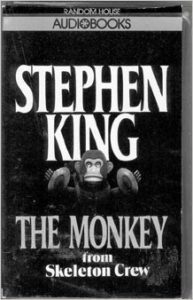
The Monkey PDF - ستيفن كينغ
ستيفن كينغ • روايات الخيال العلمي • ٤٠ الصفحات
(0)
اقتباس
مراجعة
حفظ
مشاركة
وصف الكتاب
The Monkey by Stephen King is a horror short story first published in November 1980 in Gallery magazine, then revised and collected in King’s 1985 story collection Skeleton Crew, published in the United States by Putnam. Stephen King is the author, and although readers sometimes refer to The Monkey as a book because of later standalone and anthology presentations, it is best understood as a short story within King’s wider horror fiction. King’s official website lists The Monkey as available in Skeleton Crew, released in June 1985, and also records several anthology appearances from 1981 onward.
The story centers on Hal Shelburn, a man who discovers that an old wind-up toy monkey from his childhood has returned to disturb his adult life. The object looks like a simple cymbal-banging toy, but in King’s hands it becomes a symbol of dread, childhood trauma, and death that arrives without moral order. The central horror of The Monkey is not only that the toy may be evil, but that it seems to operate by a cruel and arbitrary logic. When the monkey claps its cymbals, someone or something dies, and Hal’s memories suggest that this pattern has followed him since he was young.
The plot begins in a domestic setting, a familiar King technique that makes the supernatural more unsettling. Hal’s son finds the monkey while exploring old family belongings, and Hal immediately reacts with fear rather than nostalgia. This reaction opens the door to the past, where the reader learns about Hal’s earlier encounters with the toy. As a child, Hal associated the monkey with a series of deaths and accidents, including losses that made the toy seem less like an object and more like a curse. The attic, the old boxes, and the rediscovered toy all create a strong atmosphere of buried memory returning to the surface.
As Hal recalls his childhood, the story shows how fear can survive for decades. The monkey is not terrifying because it moves dramatically or speaks; it is frightening because it waits. Its cymbals become a signal of helplessness. Hal cannot fully explain the toy, and he cannot easily destroy it. This uncertainty is important to the story’s power. King does not turn the monkey into a monster with a detailed origin story. Instead, he lets the reader experience Hal’s dread: the sense that an ordinary object has become connected to death in a way that reason cannot control.
In the present-day storyline, Hal’s fear grows because the monkey’s return threatens his own children. What once seemed like a nightmare from childhood now enters his role as a father. This gives The Monkey emotional weight beyond its cursed-object premise. Hal is not simply trying to save himself; he is trying to break a pattern before it harms the next generation. The story becomes partly about inheritance: the frightening possibility that parents pass down not only memories and possessions, but also unresolved terror.
The climax follows Hal’s desperate effort to get rid of the toy for good. The monkey’s persistence suggests that evil in King’s fiction is often difficult to erase, especially when it is tied to family history and childhood fear. Yet Hal’s actions also show resistance. He refuses to accept the monkey as merely an unavoidable part of his life. The ending keeps the story’s mood dark and uneasy, emphasizing that survival does not always mean certainty or peace.
The Monkey remains memorable because Stephen King turns a familiar childhood toy into a compact study of grief, randomness, and parental anxiety. The story uses a simple horror image—the cymbal-banging monkey—to explore a deeper fear: that death can arrive suddenly, without justice, and without explanation. For readers interested in Stephen King’s short fiction, The Monkey is a strong example of his ability to make everyday objects feel haunted, while grounding supernatural horror in family relationships and psychological unease.
ستيفن كينغ
ستيفن كينغ هو واحد من أكثر الكتّاب تأثيراً وانتشاراً في الأدب المعاصر، ويُعرف على نطاق واسع بوصفه رائداً بارزاً في أدب الرعب والتشويق والخيال المظلم، مع حضور قوي أيضاً في الرواية النفسية، والجريمة، والخيال العلمي، والفانتازيا، والدراما الإنسانية. وُلد في بورتلاند بولاية مين في الولايات المتحدة، وقد ارتبط اسمه منذ بداياته بعالم المدن الصغيرة، والبيوت المعزولة، والأسرار المدفونة، والخوف الذي ينمو من تفاصيل الحياة اليومية لا من الوحوش وحدها. ما يميّز تجربة ستيفن كينغ أن الرعب في أعماله لا يظهر بوصفه مؤثراً سطحياً، بل بوصفه وسيلة لفهم الإنسان حين يواجه الفقد، والذنب، والإدمان، والعنف، والوحدة، والسلطة، والذاكرة. لذلك استطاعت رواياته أن تتجاوز حدود النوع الأدبي، وأن تصل إلى جمهور واسع من القرّاء الذين يجدون في كتبه متعة السرد، وعمق الشخصية، وقوة التشويق، والأسئلة الأخلاقية القلقة.
بدأت شهرته العالمية مع رواية Carrie، وهي العمل الذي فتح له باب الاحتراف الأدبي وقدم للقارئ نموذجاً مبكراً عن قدرته على تحويل المراهقة، والقسوة الاجتماعية، والخوف من الاختلاف إلى حكاية مشحونة بالتوتر والرمزية. بعد ذلك توالت أعماله الكبرى مثل The Shining، وSalem’s Lot، وThe Stand، وIt، وMisery، وPet Sematary، وThe Green Mile، و11/22/63، إضافة إلى مشروعه الملحمي The Dark Tower الذي يجمع بين الفانتازيا الغربية، والرعب، والأسطورة، والتأمل في معنى الحكاية نفسها. وقد كتب أيضاً تحت الاسم المستعار Richard Bachman، مما أتاح له اختبار علاقة القارئ بالنص بعيداً عن شهرة الاسم، وقدم من خلال ذلك أعمالاً تكشف جانبه الأكثر قسوة وتجريباً.
أسلوب ستيفن كينغ يقوم على السرد الواضح المتدفق، وبناء الشخصيات بتفاصيل دقيقة، والقدرة على جعل المكان جزءاً حياً من القصة. كثير من أعماله تدور في ولاية مين أو في أماكن مستوحاة منها، حيث تتحول البلدة الصغيرة إلى مسرح لصراع بين المألوف والمرعب. كما أن اهتمامه بالحوار الشعبي، وثقافة الطبقة الوسطى، والطفولة، والصداقة، والخوف الجماعي، جعل رواياته قريبة من القارئ وراسخة في الذاكرة. ولا يقتصر تأثيره على الكتب، فقد تحولت أعمال كثيرة له إلى أفلام ومسلسلات ناجحة، منها اقتباسات شهيرة مثل The Shawshank Redemption، وStand by Me، وThe Green Mile، وMisery، وIt. هذه الاقتباسات ساهمت في ترسيخ حضوره في الثقافة الشعبية العالمية، حتى لدى من لم يقرأوا أعماله كاملة.
نال ستيفن كينغ جوائز وتكريمات مرموقة تقديراً لإسهامه الأدبي، ومنها ميدالية الإسهام المتميز في الأدب الأميركي، والميدالية الوطنية للفنون، إلى جانب جوائز عديدة في مجالات الرعب والفانتازيا والجريمة. كما يُعد كتابه On Writing من أهم الكتب الحديثة عن حرفة الكتابة، لأنه يجمع بين السيرة الذاتية والنصيحة العملية، ويكشف عن رؤيته الصارمة للانضباط، والقراءة المستمرة، والصدق الفني. وبفضل إنتاجه الغزير، وقدرته على الجمع بين الشعبية والجودة السردية، أصبح ستيفن كينغ اسماً مركزياً في تاريخ الرواية الحديثة، وكاتباً يصعب اختزاله في لقب واحد، لأنه لم يكتب عن الخوف فقط، بل كتب عن الإنسان حين يكتشف أن الخوف الحقيقي قد يكون كامناً في البيت، أو العائلة، أو الذاكرة، أو داخل النفس نفسها.
اكسب مكافآت أثناء القراءة!
كل 10 صفحات تقرؤها وتقضى فيها 30 ثانية تمنحك 5 نقاط مكافأة! واصل القراءة لفتح الإنجازات والمزايا الحصرية.
اقرأ
قيم الآن
5 نجوم
4 نجوم
3 نجوم
2 نجوم
1 نجوم
اقتباسات The Monkey
الأعلى تقييماً
الأحدث
اقتباس
كن أول من يترك اقتباسًا واكسب 10 نقاط
بدلاً من 3
'%20/%3e%3c/svg%3e "Carrie")
التعليقات
كن أول من يترك تعليقًا واكسب 5 نقاط
بدلاً من 3