

مصدر الكتاب
تم نشر هذا الكتاب بهدف النفع العام، وذلك بموجب رخصة المشاع الإبداعي، أو بناءً على موافقة من المؤلف أو دار النشر. في حال وجود أي اعتراض على النشر، يُرجى التواصل معنا لنتخذ الإجراء المناسب.
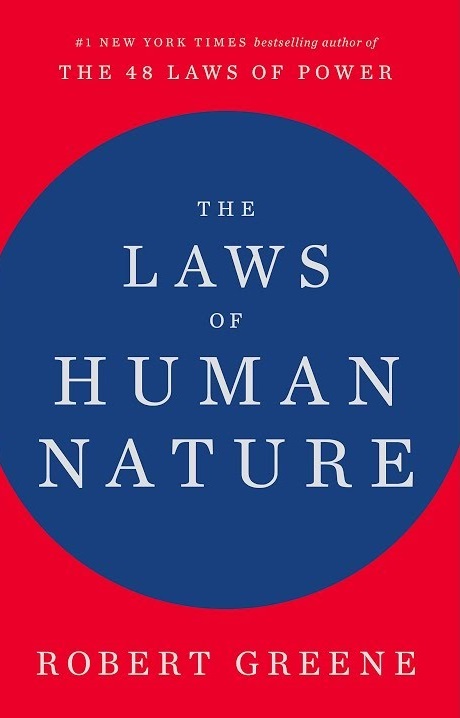
The Laws of Human Nature PDF - روبرت غرين
روبرت غرين • التنمية البشرية • ٧١٩ الصفحات
(0)
اقتباس
مراجعة
حفظ
مشاركة
وصف الكتاب
The Laws of Human Nature by Robert Greene is a deep, intelligent, and highly practical exploration of why people behave the way they do. Known for his influential works on power, strategy, mastery, and social behavior, Greene turns here to one of the most essential subjects in personal and professional life: the hidden forces that shape human actions, emotions, ambitions, fears, and relationships. From the author of The 48 Laws of Power, this book examines the patterns behind everyday behavior and shows readers how greater self-awareness can lead to better judgment, stronger relationships, and more strategic decision-making.
At its core, The Laws of Human Nature is a book about understanding people without illusion. Greene argues that human beings are often driven by emotions, insecurities, desires, envy, pride, defensiveness, and unconscious motivations that they may not fully recognize in themselves. Rather than treating these traits as rare flaws, the book presents them as part of ordinary human nature. By learning to observe these patterns calmly, readers can become less reactive, less easily manipulated, and more capable of seeing both themselves and others with clarity.
A Powerful Guide to Human Behavior and Self-Knowledge
This book is especially valuable for readers interested in human psychology, emotional intelligence, self-improvement, leadership, social strategy, and personal growth. Greene’s approach combines psychological insight with historical storytelling, using examples from influential figures to illuminate timeless patterns of behavior. The result is not a dry academic study, but a rich and accessible guide that helps readers recognize familiar dynamics in work, friendships, family, ambition, conflict, love, influence, and power.
One of the major strengths of The Laws of Human Nature is its insistence that understanding others begins with understanding yourself. Greene does not present human nature as something to observe only in other people; he invites readers to examine their own emotional reactions, repeated mistakes, hidden motives, and automatic judgments. This inward turn gives the book its lasting value. It is not simply about reading people more accurately, but about becoming less controlled by impulse, less blinded by ego, and more capable of choosing responses instead of being pushed around by emotion.
What Readers Will Discover in The Laws of Human Nature
Throughout the book, Greene explores the forces that influence how people think, choose, compete, cooperate, deceive themselves, and present themselves to the world. He examines themes such as irrationality, narcissism, role-playing, character, envy, aggression, conformity, purpose, and mortality, showing how these forces appear in everyday situations as well as in major historical events. Penguin Random House describes the book as a guide to decoding the behavior of people around us and understanding drives and motivations that may be unconscious even to the people who possess them.
Readers looking for a Robert Greene psychology book will find that this title differs from a simple motivational guide. Greene’s writing is patient, layered, and analytical. He encourages slow observation, disciplined thinking, and a willingness to look beneath appearances. People often say one thing and feel another; they may act confidently while hiding fear, show charm while seeking control, or justify decisions that were actually shaped by emotion. The Laws of Human Nature helps readers notice these contradictions without becoming cynical. Its goal is not paranoia, but perception.
The book also emphasizes empathy as a form of intelligence. In Greene’s view, empathy is not merely kindness or agreement; it is the ability to step outside one’s own assumptions and understand the inner world of another person. This makes the book useful not only for readers interested in power or influence, but also for those who want to improve communication, avoid unnecessary conflict, and build more realistic relationships. By understanding what drives people, readers can respond with more patience, precision, and strength.
A Reading Experience Built on History, Psychology, and Strategy
Like Greene’s other major works, The Laws of Human Nature uses historical figures and real-world examples to make abstract ideas memorable. Rather than presenting advice in brief slogans, Greene builds each theme through stories, analysis, and practical interpretation. Figures such as Pericles, Queen Elizabeth I, and Martin Luther King Jr. are among the examples connected to Greene’s discussion of self-control, empathy, perception, and purpose.
This storytelling method gives the book a broad, almost timeless feeling. The reader is not only learning about modern workplace behavior or personal relationships, but also about recurring patterns that have shaped politics, leadership, art, ambition, and social life across centuries. Greene’s central message is that human nature does not change as quickly as technology, fashion, or social systems. The same emotional patterns repeat themselves in new forms, and the person who can recognize them gains a powerful advantage.
Because of its depth, The Laws of Human Nature rewards careful reading. It is a substantial book that encourages reflection rather than quick consumption. Readers may find themselves pausing often, not because the ideas are difficult to understand, but because they are uncomfortably recognizable. Greene’s analysis often points toward moments in which people misread others, overestimate their rationality, act from wounded pride, or confuse desire with truth. This quality makes the book useful not only as a first read, but also as a reference to return to during different stages of life.
Who Should Read The Laws of Human Nature?
The Laws of Human Nature is an excellent choice for readers who want to understand people more deeply. It is especially relevant for professionals, managers, entrepreneurs, students, creators, leaders, negotiators, and anyone whose success depends on communication and social awareness. It also appeals to readers who enjoy books about behavioral psychology, power dynamics, persuasion, emotional control, self-mastery, and human motivation.
For fans of The 48 Laws of Power, this book offers a broader and more inward-looking companion. Where Greene’s earlier work is often associated with power and strategic defense, The Laws of Human Nature places more emphasis on perception, empathy, self-command, and the long-term discipline of understanding character. It still contains Greene’s sharp awareness of manipulation and social danger, but it balances that awareness with a deeper concern for maturity, purpose, and emotional freedom.
Readers interested in personal development will appreciate that the book does not rely on easy optimism. Greene’s tone is realistic and sometimes challenging. He assumes that people are complex, contradictory, and often unaware of the forces moving them. Yet this realism is exactly what makes the book encouraging. If human behavior follows patterns, then those patterns can be studied. If emotions distort perception, then perception can be trained. If character reveals itself over time, then patience and observation can protect us from costly mistakes.
Why The Laws of Human Nature Remains a Valuable Book
The enduring value of The Laws of Human Nature by Robert Greene lies in its combination of self-knowledge and social intelligence. It helps readers ask better questions: Why did that person react so strongly? What emotion is shaping my judgment right now? What pattern keeps repeating in this relationship? What does someone’s behavior over time reveal about their character? How can I remain calm when others are caught in drama, pressure, or manipulation?
These questions make the book useful far beyond theory. Its insights can be applied to leadership, teamwork, friendship, family conflict, creative ambition, public life, and private reflection. Greene’s central invitation is to become a better observer: of others, of oneself, and of the invisible emotional currents that influence human life. For readers seeking a serious and thoughtful book on human nature, psychology, strategy, and self-awareness, this work offers a rich and memorable guide.
A Thoughtful Book for Readers Who Want to Understand People
The Laws of Human Nature is not a book of simple formulas. It is a detailed map of human tendencies, written for readers who want to move through the world with greater clarity and less illusion. Robert Greene shows that understanding people is not only a social advantage, but also a path toward self-control, empathy, and purpose. By studying the patterns of human behavior, readers can become more perceptive, more resilient, and more capable of choosing their own direction.
For anyone searching for a powerful nonfiction book about why people do what they do, how emotions shape decisions, and how self-awareness can transform relationships and ambition, The Laws of Human Nature by Robert Greene stands as one of the most substantial and compelling modern guides to the psychology of everyday life.
روبرت غرين
روبرت جرين، المولود في 14 مايو 1959، هو مؤلف أمريكي محترم اشتهر بكتبه المقنعة حول الإستراتيجية وديناميكيات القوة والسلوك البشري. بفضل خلفيته المتنوعة وفهمه العميق لمختلف التخصصات، أصبح غرين شخصية بارزة في مجالات الأدب والفلسفة.
نشأ جرين في لوس أنجلوس باعتباره الابن الأصغر لأبوين يهوديين، وتميزت حياة جرين المبكرة بالفضول الفكري والبحث عن تجارب متنوعة. بدأ رحلته الأكاديمية في جامعة كاليفورنيا، بيركلي، وأكمل بعد ذلك درجة البكالوريوس في الآداب في الدراسات الكلاسيكية في جامعة ويسكونسن ماديسون. قبل أن يجد مهنته كمؤلف، انغمس جرين في مجموعة منتقاة من المهن، بما في ذلك أعمال البناء والترجمة وتحرير المجلات وكتابة السيناريو في هوليوود.
جاءت لحظة التحول بالنسبة لغرين في عام 1995 أثناء عمله في فابريكا، وهي مدرسة للفنون والإعلام في إيطاليا، حيث التقى بجوست إلفيرز، الذي يعمل في تغليف الكتب. مستوحاة من رؤى جرين حول ديناميكيات السلطة، شجعه إلفرز على تطوير أفكاره في كتاب. أدى هذا التعاون إلى نشر كتاب "قوانين القوة الـ 48"، وهو العمل الأساسي لغرين الذي يستكشف المبادئ المعقدة والمثيرة للجدل في كثير من الأحيان لديناميكيات القوة في العلاقات الإنسانية. منذ ذلك الحين، قام غرين بتأليف العديد من الكتب الأكثر مبيعًا، بما في ذلك "فن الإغواء"، و"33 استراتيجية للحرب"، و"الإتقان"، و"قوانين الطبيعة البشرية"، و"القوانين اليومية".
من الأمور المركزية في فلسفة جرين هو المفهوم القائل بأن السلطة غير أخلاقية بطبيعتها - ليست خيرًا ولا شرًا - وأن فهم ديناميكياتها أمر بالغ الأهمية للنجاح الشخصي والمهني. وقد نالت كتبه شهرة عالمية لتحليلها الثاقب ومراجعها التاريخية وتطبيقاتها العملية في مختلف جوانب الحياة، من الأعمال إلى التنمية الشخصية.
بالإضافة إلى إنجازاته الأدبية، يُعرف جرين بكفاءته في تعدد اللغات واهتمامه ببوذية الزن. وهو معروف أيضًا بإرشاده لمؤلفين مثل ريان هوليداي، مما يعكس التزامه برعاية المواهب ومشاركة حكمته مع الجيل القادم من المفكرين والكتاب.
يمتد تأثير غرين إلى ما هو أبعد من الأوساط الأكاديمية وإلى المجالات الاجتماعية والسياسية. لقد كان صريحًا بشأن آرائه السياسية الليبرالية ودعم شخصيات مثل باراك أوباما في الانتخابات الرئاسية في الولايات المتحدة. على الرغم من تراثه اليهودي، يحافظ غرين على موقف دقيق بشأن الروحانية، ويشبه وجهات نظر ألبرت أينشتاين التأملية حول الدين.
في عام 2018، واجه غرين تحديًا صحيًا كبيرًا - وهو سكتة دماغية أصابت يده اليسرى وساقه بالشلل مؤقتًا. ولم يتوانى عن مواصلة المثابرة، مجسدًا المرونة والتصميم في حياته الشخصية والمهنية.
اليوم، يقيم روبرت جرين في لوس أنجلوس مع شريكته المخرجة آنا بيلر. تستمر مساهماته في الأدب والفلسفة في إلهام القراء في جميع أنحاء العالم، مما يحفزهم على إعادة التفكير في الحكمة التقليدية وتمكينهم بالمعرفة اللازمة للتنقل في تعقيدات التفاعلات البشرية وديناميكيات السلطة.
إن رحلة روبرت جرين من بداياته الانتقائية إلى أن يصبح مؤلفًا يحظى باحترام عالمي تؤكد على تأثيره الدائم في تشكيل الخطاب المعاصر حول الإستراتيجية والقوة والحالة الإنسانية. وبينما يواصل استكشاف طرق جديدة للفكر والإبداع، يظل جرين منارة للفضول الفكري والبصيرة، تاركًا علامة لا تمحى على المشهد الأدبي في عصرنا.
اكسب مكافآت أثناء القراءة!
كل 10 صفحات تقرؤها وتقضى فيها 30 ثانية تمنحك 5 نقاط مكافأة! واصل القراءة لفتح الإنجازات والمزايا الحصرية.
اقرأ
قيم الآن
5 نجوم
4 نجوم
3 نجوم
2 نجوم
1 نجوم
اقتباسات The Laws of Human Nature
الأعلى تقييماً
الأحدث
اقتباس
كن أول من يترك اقتباسًا واكسب 10 نقاط
بدلاً من 3
'%20/%3e%3c/svg%3e "48 Laws of Power")
التعليقات
كن أول من يترك تعليقًا واكسب 5 نقاط
بدلاً من 3