

مصدر الكتاب
تم نشر هذا الكتاب بهدف النفع العام، وذلك بموجب رخصة المشاع الإبداعي، أو بناءً على موافقة من المؤلف أو دار النشر. في حال وجود أي اعتراض على النشر، يُرجى التواصل معنا لنتخذ الإجراء المناسب.
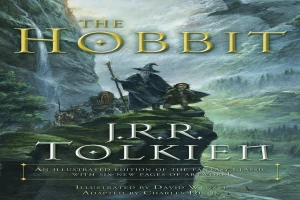
The Hobbit, or There and Back Again PDF - جون رونالد تولكين
جون رونالد تولكين • روايات الخيال العلمي • ٢٤٢ الصفحات
(0)
المؤلف
جون رونالد تولكينالفئة
الادبالقسم
عدد التنزيلات
٢٨٦
عدد القراءات
٣٢٤
حجم الملف
2.95 MB
المشاهدات
٥٬٩٠٨
اقتباس
مراجعة
حفظ
مشاركة
وصف الكتاب
The Hobbit, or There and Back Again by J. R. R. Tolkien
The Hobbit, or There and Back Again is one of the most influential works in modern fantasy literature, written by J. R. R. Tolkien. This timeless novel has become a cornerstone of epic fantasy storytelling, introducing readers to the richly imagined world of Middle-earth and setting the stage for the broader legendarium that would later define Tolkien’s literary legacy. Written in a style that blends adventure, mythology, and moral depth, The Hobbit continues to attract readers of all ages who seek a journey filled with wonder, courage, and transformation.
A Classic Fantasy Adventure That Begins in Middle-earth
At its heart, The Hobbit is a coming-of-age adventure that follows the unlikely journey of Bilbo Baggins, a comfortable and unambitious hobbit living peacefully in the Shire. His life is unexpectedly turned upside down when the wizard Gandalf and a company of thirteen dwarves arrive, pulling him into a quest far beyond his imagination. Their mission is to reclaim the lost Lonely Mountain and its treasure from the fearsome dragon Smaug.
What begins as a reluctant departure from home gradually transforms into an epic journey filled with danger, riddles, ancient ruins, and mysterious forests. Along the way, Bilbo encounters creatures both terrifying and enchanting, including trolls, goblins, giant spiders, elves, and the enigmatic creature Gollum, whose encounter with Bilbo introduces one of the most iconic artifacts in fantasy literature: a simple golden ring with extraordinary powers.
The narrative structure of the book reflects a traditional quest story, yet Tolkien enriches it with deep world-building, linguistic detail, and a sense of history that makes Middle-earth feel vast and ancient. Every location, from the peaceful Shire to the dark depths of Mirkwood and the grandeur of Erebor, is carefully crafted to evoke both wonder and realism within a mythical framework.
Themes of Courage, Growth, and Unexpected Heroism
One of the most enduring strengths of The Hobbit is its exploration of personal growth. Bilbo Baggins begins his journey as a hesitant and cautious character who prefers comfort over adventure. However, as the story unfolds, he gradually discovers resilience, intelligence, and bravery he never knew he possessed.
The novel emphasizes the idea that heroism is not defined by size, strength, or status, but by choices made in moments of uncertainty. Bilbo’s transformation reflects a universal human experience: the journey from comfort into challenge, and from fear into confidence. This theme continues to resonate strongly in modern storytelling and remains a major reason for the book’s lasting popularity in fantasy literature and educational reading lists.
Friendship and loyalty also play a crucial role throughout the story. The relationships between Bilbo and the dwarves evolve from mistrust to deep mutual respect, showing how shared hardship can create strong bonds. Meanwhile, Gandalf’s quiet guidance highlights the importance of mentorship and wisdom in shaping destiny without controlling it.
The World of Middle-earth and Its Lasting Appeal
One of the most remarkable aspects of The Hobbit is its immersive world-building. Middle-earth is not just a backdrop but a living, breathing universe filled with its own languages, histories, and cultures. Tolkien’s background as a philologist deeply influenced his creation of Elvish languages and ancient mythological structures that give the world a sense of authenticity rarely seen in fiction.
From the cozy architecture of hobbit holes in the Shire to the shadowy corridors of goblin caves, each environment carries its own mood and symbolic meaning. The journey itself mirrors a transition from innocence to experience, light to darkness, and safety to danger. This layered storytelling approach allows readers to engage with the novel on multiple levels, whether as a simple adventure tale or as a deeper mythological narrative.
Smaug and the Nature of Greed
The dragon Smaug represents one of the most memorable antagonists in fantasy literature. More than just a physical threat, Smaug embodies themes of greed, corruption, and the destructive power of hoarded wealth. His presence in the Lonely Mountain symbolizes how greed can consume not only individuals but entire kingdoms.
The interactions between Bilbo and Smaug are particularly significant, as they showcase Bilbo’s growing cleverness and courage. Instead of relying on force, Bilbo uses wit and observation to engage with the dragon, highlighting another of the novel’s key messages: intelligence and humility can be more powerful than brute strength.
A Gateway to Epic Fantasy Literature
The Hobbit serves as an essential introduction to the broader world of Tolkien’s mythology, including The Lord of the Rings. While it functions as a standalone story, it also lays the foundation for deeper narratives involving the One Ring, ancient kingdoms, and the ongoing struggle between good and evil in Middle-earth.
Because of its accessible tone and engaging storytelling, the book is often recommended as a gateway into high fantasy literature. It balances simplicity with depth, making it suitable for younger readers while still offering meaningful themes for adults.
Why The Hobbit Continues to Captivate Readers
The enduring popularity of The Hobbit can be attributed to its unique combination of adventure, imagination, and emotional depth. It is a story that appeals to both escapism and introspection, allowing readers to experience a richly detailed fantasy world while reflecting on personal growth and moral choices.
The narrative’s gentle humor, memorable characters, and poetic writing style contribute to its timeless charm. Unlike many modern fantasy works that focus heavily on complexity or dark themes, The Hobbit maintains a sense of warmth and hope, even in moments of danger.
A Timeless Journey of Transformation
Ultimately, The Hobbit is more than just a fantasy adventure—it is a story about transformation, courage, and the discovery of inner strength. Through Bilbo Baggins’ journey, readers are reminded that even the most ordinary individuals can achieve extraordinary things when faced with challenges.
Its influence on fantasy literature, gaming, film adaptations, and popular culture is undeniable, making it one of the most significant works in 20th-century fiction. Whether read for the first time or revisited after many years, The Hobbit continues to offer a magical and meaningful experience that resonates across generations.
جون رونالد تولكين
جون رونالد رويل تولكين هو أحد أبرز الكتّاب في القرن العشرين وأكثرهم تأثيرًا في أدب الفانتازيا الحديث، وقد اشتهر عالميًا بكونه مؤلف ملحمتي “سيد الخواتم” و“الهوبيت”. يُعد تولكين أكاديميًا لغويًا بامتياز قبل أن يكون روائيًا، إذ عمل أستاذًا في جامعة أكسفورد، وتخصص في فقه اللغات واللغات القديمة، وهو ما انعكس بشكل عميق على أعماله الأدبية التي لم تكن مجرد قصص خيالية، بل عوالم متكاملة ذات لغات وتاريخ وأساطير خاصة بها. وُلد تولكين في جنوب أفريقيا عام 1892، ثم انتقل إلى إنجلترا في طفولته بعد وفاة والده، وهناك تشكّلت شخصيته الأدبية والعلمية.
تأثر تولكين منذ صغره بالأساطير الإسكندنافية والأنجلوسكسونية، وبدأ في بناء لغاته الخاصة مثل الكوينيا والسندارين، وهي لغات خيالية متكاملة أصبحت أساس بناء عالم “الأرض الوسطى”. خلال عمله الأكاديمي في أكسفورد، تخصص في دراسة النصوص القديمة مثل “بيوولف”، وكان له دور كبير في إعادة تفسيرها وتقديمها للأجيال الحديثة.
أثناء الحرب العالمية الأولى، خدم تولكين في الجيش البريطاني، وهي تجربة أثرت على رؤيته للعالم والصراع، وانعكست في أعماله التي تتناول موضوعات الخير والشر والصداقة والتضحية. بعد الحرب بدأ في كتابة “الهوبيت” التي نُشرت عام 1937 وحققت نجاحًا كبيرًا، مما شجعه على كتابة عمله الأكبر “سيد الخواتم” الذي نُشر في خمسينيات القرن العشرين وأصبح من أهم الأعمال الأدبية في التاريخ الحديث.
يمتاز أسلوب تولكين بالعمق اللغوي والسرد الملحمي وبناء العالم المتكامل، حيث لم يكتفِ بكتابة قصة، بل خلق حضارة كاملة بتاريخ وجغرافيا ولغات وأعراق متعددة. وقد أثّر بشكل كبير على أدب الفانتازيا المعاصر والسينما والألعاب الإلكترونية.
توفي تولكين عام 1973، لكن إرثه الأدبي ما زال حيًا، وتُعد أعماله مرجعًا أساسيًا لكل من يكتب في أدب الفانتازيا أو يهتم ببناء العوالم الخيالية.
اكسب مكافآت أثناء القراءة!
كل 10 صفحات تقرؤها وتقضى فيها 30 ثانية تمنحك 5 نقاط مكافأة! واصل القراءة لفتح الإنجازات والمزايا الحصرية.
اقرأ
قيم الآن
5 نجوم
4 نجوم
3 نجوم
2 نجوم
1 نجوم
اقتباسات The Hobbit, or There and Back Again
الأعلى تقييماً
الأحدث
اقتباس
كن أول من يترك اقتباسًا واكسب 10 نقاط
بدلاً من 3
'%20/%3e%3c/svg%3e "The Children of Hurin")
التعليقات
كن أول من يترك تعليقًا واكسب 5 نقاط
بدلاً من 3