

مصدر الكتاب
تم نشر هذا الكتاب بهدف النفع العام، وذلك بموجب رخصة المشاع الإبداعي، أو بناءً على موافقة من المؤلف أو دار النشر. في حال وجود أي اعتراض على النشر، يُرجى التواصل معنا لنتخذ الإجراء المناسب.
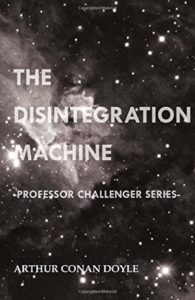
The Disintegration Machine PDF - آرثر كونان دويل
آرثر كونان دويل • روايات الخيال العلمي • ١٥ الصفحات
(0)
اقتباس
مراجعة
حفظ
مشاركة
وصف الكتاب
Arthur Conan Doyle’s “The Disintegration Machine” is not a full-length novel but a short science fiction story featuring Professor George Edward Challenger, one of Doyle’s recurring characters outside the Sherlock Holmes canon. Written by Arthur Conan Doyle and first published in 1929, the story appeared in the January 1929 issue of The Strand Magazine, whose publisher was George Newnes Ltd. Its first book appearance came later in 1929 in The Maracot Deep and Other Stories, published in the United Kingdom by John Murray.
“The Disintegration Machine” shows Conan Doyle working in a compact but energetic science fiction mode. Instead of a long adventure across lost worlds, the story focuses on one alarming invention and one urgent moral question: what should happen when a scientific discovery gives a single person the power to destroy armies, cities, or nations? The result is a brisk Professor Challenger tale that mixes satire, scientific speculation, political anxiety, and dark comedy.
The plot is narrated by Edward Malone, the journalist familiar from the Professor Challenger stories. Malone visits Challenger after receiving instructions from his editor, McArdle, to investigate an extraordinary claim. A Latvian inventor named Theodore Nemor is living in Hampstead and says he has created a machine that can disintegrate matter and then reassemble it. The invention is not merely a laboratory curiosity. If true, it could become a weapon of terrifying scale, capable of dissolving ships, soldiers, or whole populations into their atomic or molecular parts.
Challenger is initially skeptical, as expected. His pride, temper, and scientific confidence dominate the opening scenes, while Malone plays the steadier observer. Together they visit Nemor, who has already been meeting foreign visitors and appears eager to sell his discovery to a government. Nemor is portrayed as clever, unpleasant, secretive, and dangerous. He insists that the full secret of the machine exists only in his own mind, which makes him both valuable and threatening.
Nemor demonstrates the machine in his laboratory. Malone first risks sitting in the chair connected to the device, and he briefly vanishes before being restored unharmed. Challenger then submits to the same experiment. Nemor, however, humiliates him by reassembling him without his hair and beard, turning the proud, leonine professor into a ridiculous figure. This moment gives the story its comic edge, but it also confirms the machine’s reality. The device works, and Nemor has the means to transform science into mass destruction.
After Challenger is restored to his normal appearance, he questions Nemor more carefully. The inventor explains how the machine could be enlarged and used laterally, allowing it to destroy targets on a far greater scale. He imagines the military and political consequences with disturbing enthusiasm. At this point, Challenger’s response changes. He appears to congratulate Nemor and asks to examine the mechanism more closely. In reality, he is preparing to remove the threat.
Challenger tricks Nemor into taking the chair, then activates the machine and disintegrates him. Malone is shocked, especially because neither man can safely reverse the process. Challenger calmly argues that Nemor’s disappearance has prevented a greater murder and saved the world from a weapon that could have given one power domination over all others. The story ends with Challenger dismissing the matter and returning to his scientific work, leaving Malone to absorb the moral ambiguity of what has happened. (Project Gutenberg Australia)
As a story, “The Disintegration Machine” is brief but memorable because it captures a classic Arthur Conan Doyle theme: the excitement of discovery shadowed by the danger of human misuse. It also presents Professor Challenger at his most characteristic—brilliant, arrogant, fearless, comic, and capable of ruthless action when he believes civilization is at stake.
آرثر كونان دويل
أغاثا كريستي كاتبة بريطانية تُعد من أشهر أسماء الأدب البوليسي في العالم، وقد ارتبط اسمها بفن الجريمة والغموض ارتباطًا جعلها واحدة من أكثر الكاتبات تأثيرًا في تاريخ الرواية الحديثة. وُلدت في إنجلترا في أواخر القرن التاسع عشر، ونشأت في بيئة أتاحت لها القراءة الواسعة وتنمية الخيال والملاحظة الدقيقة، وهما عنصران أصبحا لاحقًا من أبرز سمات أعمالها. اشتهرت أغاثا كريستي بقدرتها الفريدة على بناء حبكات محكمة، تبدأ غالبًا بجريمة غامضة أو حادثة تبدو مستحيلة، ثم تتكشف تدريجيًا عبر إشارات صغيرة وشخصيات متعددة ودوافع نفسية واجتماعية متشابكة. لم تكن رواياتها مجرد ألغاز للتسلية، بل كانت دراسات ذكية للطبيعة البشرية، إذ أظهرت كيف يمكن للطمع والغيرة والخوف والانتقام أن تختبئ خلف واجهات الاحترام والهدوء والطبقة الاجتماعية الراقية. ومن أهم أسباب شهرتها أنها منحت القارئ فرصة المشاركة في حل اللغز، فكانت تضع الأدلة أمامه بإنصاف، لكنها ترتبها بذكاء يجعل الحقيقة واضحة بعد انكشافها ومخادعة قبل ذلك. ابتكرت أغاثا كريستي شخصيات أصبحت علامات راسخة في الأدب العالمي، وعلى رأسها المحقق البلجيكي الشهير Hercule Poirot، الذي يتميز بعقله المنطقي ونظامه الصارم وقدرته على فهم التفاصيل النفسية الدقيقة، وكذلك الآنسة Jane Marple، السيدة الهادئة القادمة من قرية إنجليزية صغيرة، والتي تستخدم معرفتها العميقة بالبشر وسلوكهم اليومي لكشف الجرائم الأكثر تعقيدًا. وتُظهر هاتان الشخصيتان اتساع موهبة الكاتبة، فهي لم تعتمد على نموذج واحد للمحقق، بل قدمت أكثر من طريقة للتفكير والتحليل؛ طريقة عقلانية منظمة، وطريقة إنسانية قائمة على الخبرة والملاحظة. من أشهر أعمالها Murder on the Orient Express، وAnd Then There Were None، وThe Murder of Roger Ackroyd، وDeath on the Nile، وهي روايات تحولت إلى أعمال مسرحية وسينمائية وتلفزيونية عديدة، وظلت تجذب أجيالًا متتابعة من القراء والمشاهدين. وتمتاز هذه الأعمال بإحكام البناء، وقوة النهاية، وقدرة الكاتبة على تحويل المكان المحدود، مثل قطار أو جزيرة أو باخرة أو منزل ريفي، إلى مسرح نفسي كامل تتصادم فيه الأسرار والشكوك والمصالح. كما كتبت أغاثا كريستي للمسرح، ويُعد عملها The Mousetrap من أشهر المسرحيات في تاريخ العروض الطويلة، مما يؤكد أن موهبتها لم تكن محصورة في الرواية وحدها. أسلوبها واضح ومباشر، لكنه ليس بسيطًا بالمعنى السطحي؛ فهي تستخدم لغة دقيقة، وحوارًا مشحونًا بالمعاني الخفية، ووصفًا اقتصاديًا يركز على ما يخدم اللغز والشخصية. وقد ساعد هذا الأسلوب على انتشار كتبها عالميًا وترجمتها إلى لغات كثيرة، لأن القارئ في ثقافات مختلفة يستطيع الدخول بسهولة إلى عالمها، ثم يجد نفسه محاصرًا بسؤال واحد: من ارتكب الجريمة؟ تحتل أغاثا كريستي مكانة خاصة في مواقع الكتب والمكتبات ودراسات الأدب، لأنها تمثل نموذجًا للكاتبة التي جمعت بين الشعبية الكبيرة والقيمة الفنية المستمرة. وبالنسبة لمحبي الروايات البوليسية، فإن قراءة أعمالها ليست مجرد عودة إلى كلاسيكيات الجريمة، بل تجربة في الذكاء السردي، وفي فهم كيف يمكن للغموض أن يكشف الحقيقة بدل أن يخفيها. لذلك بقيت أغاثا كريستي، بعد عقود طويلة من رحيلها، اسمًا أساسيًا في أدب التشويق، ورمزًا للبراعة في صناعة الحبكة، وصوتًا أدبيًا لا يزال حاضرًا في ذاكرة القراء حول العالم.
اكسب مكافآت أثناء القراءة!
كل 10 صفحات تقرؤها وتقضى فيها 30 ثانية تمنحك 5 نقاط مكافأة! واصل القراءة لفتح الإنجازات والمزايا الحصرية.
اقرأ
قيم الآن
5 نجوم
4 نجوم
3 نجوم
2 نجوم
1 نجوم
اقتباسات The Disintegration Machine
الأعلى تقييماً
الأحدث
اقتباس
كن أول من يترك اقتباسًا واكسب 10 نقاط
بدلاً من 3
'%20/%3e%3c/svg%3e "The Poetry of Arthur Conan Doyle")
التعليقات
كن أول من يترك تعليقًا واكسب 5 نقاط
بدلاً من 3