

مصدر الكتاب
تم نشر هذا الكتاب بهدف النفع العام، وذلك بموجب رخصة المشاع الإبداعي، أو بناءً على موافقة من المؤلف أو دار النشر. في حال وجود أي اعتراض على النشر، يُرجى التواصل معنا لنتخذ الإجراء المناسب.
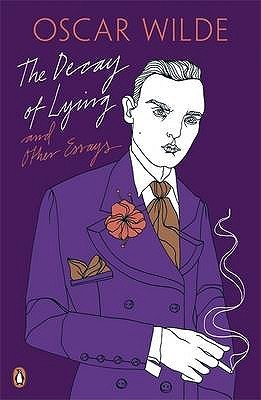
The Decay of Lying: And Other Essays PDF - أوسكار وايلد
أوسكار وايلد • فلسفة • ٣٣١ الصفحات
(0)
اقتباس
مراجعة
حفظ
مشاركة
وصف الكتاب
The Decay of Lying: And Other Essays is one of the most influential and intellectually playful works in English literature, bringing together the sharp brilliance, paradoxical wit, and aesthetic philosophy of Oscar Wilde. This celebrated collection of essays captures Wilde at his most provocative and insightful, challenging conventional ideas about truth, art, morality, and the role of imagination in human life. It is not simply a book of essays; it is a philosophical performance that redefines how readers understand art and storytelling.
At the heart of the collection is the iconic essay “The Decay of Lying,” a dialogue that defends artistic imagination against the constraints of realism. Wilde argues, with characteristic irony and elegance, that life imitates art far more than art imitates life. Through witty exchanges between characters, he dismantles the Victorian obsession with realism and factual representation, suggesting instead that art should exist for its own beauty, not for moral instruction or documentary accuracy. This essay alone has made the collection a cornerstone of aesthetic philosophy and a frequent reference point in discussions of modern literary theory.
A Celebration of Aesthetic Philosophy and Artistic Freedom
One of the defining features of this essay collection is its deep engagement with the principles of aestheticism, a movement that prioritizes beauty, style, and artistic autonomy above moral or utilitarian concerns. Wilde, one of the most prominent figures of this movement, uses these essays to argue that art should not be burdened by the expectation of serving society in practical ways. Instead, he elevates art as a self-contained universe of beauty and imagination.
Readers searching for philosophical essays on art, literary criticism classics, or Victorian intellectual thought will find this collection particularly rewarding. Wilde’s arguments are not presented in dry academic language; instead, they unfold through paradox, humor, and theatrical dialogue. This makes the essays both intellectually stimulating and highly entertaining, offering a reading experience that is as pleasurable as it is thought-provoking.
The Structure and Themes of the Collection
While “The Decay of Lying” is the centerpiece, the broader collection typically includes other significant essays such as “Pen, Pencil and Poison,” “The Critic as Artist,” and “The Truth of Masks.” Each essay explores different dimensions of creativity, criticism, and artistic expression, yet all are united by Wilde’s distinctive voice and philosophical outlook.
In “The Critic as Artist,” Wilde elevates criticism to the level of creative art, suggesting that interpretation itself is a form of artistic creation. This idea was revolutionary in its time and continues to influence modern literary theory, particularly in fields that explore reader-response criticism and post-structuralist thought. Wilde’s perspective encourages readers to see criticism not as passive evaluation but as an imaginative act that adds new meaning to art.
“Pen, Pencil and Poison” explores the controversial life of Thomas Griffiths Wainewright, blending biography, moral ambiguity, and aesthetic appreciation. Here, Wilde challenges the boundaries between art and ethics, raising uncomfortable but fascinating questions about whether artistic genius can be separated from personal morality.
“The Truth of Masks” further develops Wilde’s fascination with theatricality and illusion, arguing that even authenticity in art is shaped by constructed forms. Across all essays, the recurring idea is that truth itself is not fixed but shaped by perspective, style, and interpretation.
Why This Book Remains Relevant Today
In the modern era of digital media, visual storytelling, and constantly evolving cultural narratives, Wilde’s essays remain remarkably relevant. His exploration of how reality is shaped by representation resonates strongly in a world where images, narratives, and online identities often define perception more than lived experience.
Readers interested in literary theory, philosophy of art, creative writing, or cultural studies will find that Wilde’s insights anticipate many modern debates. His claim that life imitates art feels especially meaningful in an age where media, film, and literature heavily influence social behavior and identity formation.
Moreover, Wilde’s playful yet profound writing style makes complex philosophical ideas accessible. Unlike traditional academic essays, these works are filled with humor, irony, and conversational charm. This makes the collection appealing not only to scholars but also to general readers who enjoy intellectually rich yet engaging prose.
Oscar Wilde’s Unique Voice and Literary Genius
A defining feature of this collection is Wilde’s unmistakable voice—elegant, ironic, and endlessly quotable. His ability to express profound ideas through paradoxical statements is one of the reasons his work continues to be widely read and studied. Every essay is infused with epigrams and memorable lines that challenge conventional thinking while entertaining the reader.
Wilde’s literary genius lies in his ability to blur the boundaries between seriousness and satire. While his essays often appear playful or humorous on the surface, they carry deep philosophical undercurrents that question the foundations of truth, art, and society. This duality makes the collection suitable for readers who appreciate both intellectual depth and stylistic brilliance.
Ideal Readers and Reading Experience
This collection is ideal for readers who enjoy classic literature, philosophical essays, Victorian literature, and aesthetic theory. It is particularly suited for students of literature, writers seeking inspiration, and readers interested in the evolution of modern thought about art and criticism.
Despite its intellectual depth, the book remains highly readable. Wilde’s conversational tone and dramatic structure make even complex ideas feel engaging and approachable. Many essays are written in dialogue form, which enhances their theatrical quality and makes the philosophical arguments feel dynamic rather than static.
For those new to Wilde, this collection serves as an excellent introduction to his worldview and stylistic approach. For returning readers, it offers a deeper appreciation of his intellectual consistency and creative philosophy across different essays.
A Timeless Exploration of Art, Truth, and Imagination
Ultimately, The Decay of Lying and Other Essays is more than a collection of literary criticism—it is a celebration of imagination as a vital force in human experience. Wilde invites readers to question assumptions about reality, to embrace artistic illusion, and to recognize the power of creativity in shaping how we see the world.
Its enduring appeal lies in its ability to challenge, entertain, and inspire simultaneously. Whether approached as a philosophical text, a work of literary criticism, or a showcase of Wilde’s unmatched wit, this collection continues to stand as a landmark in English literature and a vital contribution to discussions about art and meaning.
For readers seeking a book that combines intellectual depth with literary elegance, Oscar Wilde’s essays remain an essential and unforgettable journey into the heart of aesthetic thought.
أوسكار وايلد
كان أوسكار وايلد (1854-1900) كاتبًا مسرحيًا وشاعرًا وروائيًا أيرلنديًا يُنظر إليه على نطاق واسع على أنه أحد أعظم كتاب العصر الفيكتوري. ولد في دبلن بأيرلندا وتلقى تعليمه في كلية ترينيتي في دبلن وكلية ماجدالين في أكسفورد. كان وايلد شخصية بارزة في المجتمع الفيكتوري ، ومعروفًا بالذكاء والروح والشذوذ الجنسي ، والتي كانت تعتبر فيما بعد جريمة.
بدأت مسيرة وايلد الأدبية في ثمانينيات القرن التاسع عشر ، عندما اكتسب شعبية من خلال مسرحياته الكوميدية ، بما في ذلك "مروحة السيدة ويندرمير" و "امرأة بلا أهمية" و "أهمية أن تكون جادًا". اشتهرت هذه المسرحيات بالتلاعب بالألفاظ والتعليق الاجتماعي والتصوير الساخر للمجتمع الفيكتوري.
بالإضافة إلى مسرحياته ، كتب وايلد أيضًا روايات ، بما في ذلك "صورة دوريان جراي" ، والتي تحكي قصة شاب جميل أبرم ميثاقًا فاوستيًا ليظل شابًا وجميلًا بينما تتقدم صورته في السن وتصبح قبيحة. أثارت الرواية جدلاً عندما نُشرت لأول مرة في عام 1890 بسبب موضوعاتها المنحطة ونغماتها المثلية.
على الرغم من نجاحه الأدبي ، كانت حياة وايلد الشخصية صاخبة. في عام 1895 ، أدين بتهمة العلاقات الجنسية المثلية وحكم عليه بالسجن لمدة عامين مع الأشغال الشاقة. دمرت المحاكمة والسجن اللاحق سمعته وصحته ، وتوفي في باريس عام 1900 ، عن عمر يناهز 46 عامًا.
يعيش إرث وايلد من خلال أعماله ، التي لا تزال تحتفل بذكائها وروح الدعابة والتعليق الاجتماعي. أثرت كتاباته على أجيال من الكتاب ، ومازالت مسرحياته تؤدّى وتتكيف مع السينما والتلفزيون. اليوم ، لا يُذكر وايلد باعتباره كاتبًا عظيمًا فحسب ، بل أيضًا كرمز للمقاومة ضد الأخلاق الفيكتورية والنفاق.
اكسب مكافآت أثناء القراءة!
كل 10 صفحات تقرؤها وتقضى فيها 30 ثانية تمنحك 5 نقاط مكافأة! واصل القراءة لفتح الإنجازات والمزايا الحصرية.
اقرأ
قيم الآن
5 نجوم
4 نجوم
3 نجوم
2 نجوم
1 نجوم
اقتباسات The Decay of Lying: And Other Essays
الأعلى تقييماً
الأحدث
اقتباس
كن أول من يترك اقتباسًا واكسب 10 نقاط
بدلاً من 3
كتب أخرى لـ أوسكار وايلد
كتب أخرى مشابهة The Decay of Lying: And Other Essays
'%20/%3e%3c/svg%3e "The Dunayevskaya-Marcuse-Fromm correspondence : dialogues on Hegel, Marx, and critical theory")
إريك فروم.
فلسفة
(0)
2297
الإنجليزية
التعليقات
كن أول من يترك تعليقًا واكسب 5 نقاط
بدلاً من 3