

مصدر الكتاب
تم نشر هذا الكتاب بهدف النفع العام، وذلك بموجب رخصة المشاع الإبداعي، أو بناءً على موافقة من المؤلف أو دار النشر. في حال وجود أي اعتراض على النشر، يُرجى التواصل معنا لنتخذ الإجراء المناسب.
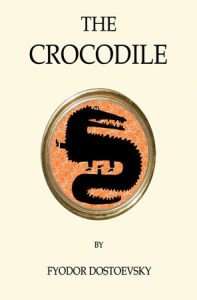
The Crocodile PDF - فيودور دوستويفسكي
فيودور دوستويفسكي • أدب • ٤٩ الصفحات
(0)
اقتباس
مراجعة
حفظ
مشاركة
وصف الكتاب
The Crocodile by Fyodor Dostoevsky: A Sharp, Absurd, and Brilliantly Satirical Classic
The Crocodile by Fyodor Dostoevsky is one of the author’s most unusual and darkly comic works, a satirical short story that reveals a very different side of the great Russian novelist best known for Crime and Punishment, The Brothers Karamazov, and Notes from Underground. First published in the nineteenth century, this strange and memorable tale combines absurd humor, social criticism, philosophical irony, and psychological observation in a compact narrative that continues to fascinate readers of classic Russian literature. Rather than presenting tragedy through crime, guilt, or spiritual crisis, Dostoevsky uses the bizarre image of a man swallowed by a crocodile to examine vanity, ambition, bureaucracy, materialism, and the ridiculous logic of modern society.
At the center of the story is Ivan Matveich, a civil servant whose ordinary life is suddenly transformed by an extraordinary incident: during a visit to see an exotic crocodile on display, he is swallowed alive. The event should be horrifying, yet Dostoevsky turns it into a comic and unsettling social spectacle. Instead of responding with simple fear or compassion, the people around Ivan begin to calculate, explain, justify, and interpret the situation according to their own interests. The result is a brilliant piece of absurdist satire, where the impossible becomes a mirror for everything foolish, selfish, and strangely logical in human behavior.
A Satirical Story About Society, Ambition, and Self-Deception
Although The Crocodile is much shorter than Dostoevsky’s major novels, it carries many of the themes that define his work: the instability of identity, the contradictions of modern life, the absurdity of social ambition, and the strange ways people rationalize their own desires. Ivan Matveich’s bizarre condition becomes less important than the reactions it produces. His wife, acquaintances, officials, and observers all respond in ways that reveal their moral priorities. Some are concerned with money, others with reputation, others with abstract theories, and others with social opportunity.
Dostoevsky uses the crocodile as more than a comic device. It becomes a symbol of spectacle, foreign commerce, fashionable curiosity, and the modern tendency to reduce everything—even suffering—to profit or theory. The story’s humor depends on the contrast between the absurdity of the event and the seriousness with which the characters discuss it. Their conversations are filled with polite reasoning, economic arguments, social calculations, and bureaucratic hesitation, making the story feel both ridiculous and disturbingly familiar. In this way, The Crocodile by Fyodor Dostoevsky stands as a sharp critique of a society that can explain everything except its own lack of humanity.
A Different Side of Dostoevsky’s Genius
Readers who come to Dostoevsky expecting only darkness, confession, and moral torment may be surprised by the comic energy of The Crocodile. The story is playful, ironic, and at times almost fantastical, yet it is never merely silly. Beneath the humorous surface lies Dostoevsky’s intense awareness of human weakness. He understood pride, vanity, envy, and self-importance with extraordinary precision, and in this story he exposes those traits through laughter rather than tragedy.
This makes the book especially valuable for readers interested in Dostoevsky’s short stories and lesser-known works. While his major novels explore spiritual and psychological conflict on a grand scale, The Crocodile compresses his intelligence into a satirical form that is quick to read but rich in meaning. It shows Dostoevsky experimenting with tone, genre, and social commentary, producing a work that can be read as political satire, social comedy, philosophical farce, and early absurdist fiction. Its unusual structure and strange premise also make it appealing to readers who enjoy literary works that challenge realism while still saying something serious about real life.
Themes in The Crocodile
One of the strongest themes in The Crocodile is the absurd relationship between the individual and society. Ivan Matveich’s situation should make him helpless, yet he begins to imagine it as a source of status and intellectual importance. His physical confinement becomes, in his mind, an opportunity for public attention and grand ideas. This reversal is typical of Dostoevsky’s psychological insight: the character’s external crisis reveals an internal vanity that may have existed all along.
The story also explores the power of money and ownership. Because the crocodile is a commercial attraction, Ivan’s fate becomes entangled with questions of property, compensation, and profit. The owner of the crocodile sees the event through financial value, while others attempt to balance human concern against economic consequences. Dostoevsky’s satire is especially sharp here, showing how capitalist logic can distort moral judgment when people begin to treat a human life as part of a business problem.
Another important theme is the emptiness of fashionable ideas when separated from compassion and common sense. Characters in the story often speak as if they are being rational, progressive, or practical, but their reasoning only makes the situation more grotesque. Dostoevsky mocks the habit of turning every event into a theory, every person into an example, and every crisis into a chance for self-display. For readers of nineteenth-century Russian literature, this makes the story an important reflection of the intellectual debates, social changes, and Western influences that shaped Russia during Dostoevsky’s time.
Reading Experience: Comic, Strange, and Intellectually Provocative
The reading experience of The Crocodile is fast, witty, and surprisingly modern. Its absurd premise gives it an energy that feels closer to later satirical and surreal literature than to conventional realism. The dialogue is full of irony, and the situation becomes increasingly comic because the characters treat the impossible as something to be managed through ordinary social rules. This tension between the unbelievable event and the practical response gives the story its unique flavor.
At the same time, the story rewards careful reading. Dostoevsky’s humor is layered with social criticism, and nearly every reaction in the narrative reveals something about class, marriage, public reputation, bureaucracy, or intellectual fashion. The more seriously the characters explain themselves, the more ridiculous they become. This is one reason The Crocodile remains a strong choice for readers who enjoy satirical fiction, Russian classics, and literary works that combine entertainment with deeper meaning.
Who Should Read The Crocodile?
The Crocodile by Fyodor Dostoevsky is ideal for readers who want to explore Dostoevsky beyond his most famous novels. It is a strong introduction to his shorter fiction because it is accessible, unusual, and memorable, while still carrying the psychological and philosophical intelligence associated with his name. Readers interested in classic literature, absurdist stories, political satire, and social criticism will find much to appreciate in its strange comic vision.
The story is also well suited to students and general readers studying Dostoevsky’s range as a writer. It offers a useful contrast to the emotional intensity of Crime and Punishment or the philosophical depth of The Brothers Karamazov, showing that Dostoevsky could also be playful, experimental, and sharply funny. For anyone looking for a shorter work that still reflects the power of Russian literary satire, The Crocodile is a fascinating and rewarding choice.
A Memorable Classic of Absurd Satire
The Crocodile remains one of Dostoevsky’s most distinctive shorter works because it transforms a bizarre comic incident into a serious reflection on human nature and modern society. Its humor is strange, its symbolism is flexible, and its criticism is still recognizable to contemporary readers. Through the image of a man trapped inside a crocodile while society debates what should be done, Dostoevsky creates a story about pride, profit, spectacle, and the absurd excuses people make when moral clarity would be inconvenient.
For readers searching for The Crocodile by Fyodor Dostoevsky, this work offers an unforgettable encounter with the author’s satirical imagination. It is brief but intellectually rich, comic but unsettling, and absurd yet deeply observant. As a piece of classic Russian short fiction, it shows Dostoevsky at his most ironic and inventive, reminding readers that great literature can expose the truth not only through tragedy, but also through laughter.
فيودور دوستويفسكي
كان فيودور دوستويفسكي روائيًا وفيلسوفًا وكاتب مقالات روسيًا ، ويُعتبر على نطاق واسع أحد أعظم الكتاب في الأدب الغربي. ولد في موسكو عام 1821 ونشأ في عائلة من الطبقة المتوسطة. كان والده طبيبًا يعالج الفقراء مجانًا ، الأمر الذي غرس في دوستويفسكي إحساسًا عميقًا بالعدالة الاجتماعية والتعاطف مع المضطهدين.
بدأ دوستويفسكي مسيرته الكتابية في أربعينيات القرن التاسع عشر بسلسلة من الروايات والقصص القصيرة التي استكشفت تعقيدات الطبيعة البشرية والجانب المظلم للمجتمع الروسي. نُشرت روايته الرئيسية الأولى "فقراء" عام 1846 وحظيت بإشادة النقاد. ومع ذلك ، كانت أعماله اللاحقة ، مثل "الجريمة والعقاب" و "الأبله" و "الأخوان كارامازوف" ، هي التي جعلت منه أستاذًا أدبيًا.
تشتهر كتابات دوستويفسكي بعمقها النفسي وموضوعاتها الفلسفية واستكشاف حالة الإنسان. غالبًا ما تصارع شخصياته مع المعضلات الأخلاقية والأسئلة الوجودية ، وتتصارع مع قضايا الإيمان والأخلاق ومعنى الحياة. تستكشف أعماله أيضًا القضايا السياسية والاجتماعية في عصره ، بما في ذلك الفقر والجريمة والقمع السياسي.
اتسمت حياة دوستويفسكي بمأساة شخصية واضطراب سياسي. تم القبض عليه في عام 1849 لتورطه مع مجموعة من المثقفين الليبراليين وحُكم عليه بالإعدام ، فقط لتخفف العقوبة إلى الأشغال الشاقة في سيبيريا. عاد إلى روسيا بعد أن قضى عقوبته ، لكنه استمر في النضال ضد الفقر والمرض طوال حياته. توفي عام 1881 عن عمر يناهز 59 عامًا.
على الرغم من حياته المضطربة ، فإن إرث دوستويفسكي ككاتب ومفكر لا يزال قائما. تستمر أعماله في القراءة والدراسة على نطاق واسع اليوم ، ولا تزال أفكاره حول الحالة الإنسانية ودور الإيمان في المجتمع تلقى صدى لدى القراء في جميع أنحاء العالم.
اكسب مكافآت أثناء القراءة!
كل 10 صفحات تقرؤها وتقضى فيها 30 ثانية تمنحك 5 نقاط مكافأة! واصل القراءة لفتح الإنجازات والمزايا الحصرية.
اقرأ
قيم الآن
5 نجوم
4 نجوم
3 نجوم
2 نجوم
1 نجوم
اقتباسات The Crocodile
الأعلى تقييماً
الأحدث
اقتباس
كن أول من يترك اقتباسًا واكسب 10 نقاط
بدلاً من 3
'%20/%3e%3c/svg%3e "The Brothers Karamazov")
التعليقات
كن أول من يترك تعليقًا واكسب 5 نقاط
بدلاً من 3