

مصدر الكتاب
تم نشر هذا الكتاب بهدف النفع العام، وذلك بموجب رخصة المشاع الإبداعي، أو بناءً على موافقة من المؤلف أو دار النشر. في حال وجود أي اعتراض على النشر، يُرجى التواصل معنا لنتخذ الإجراء المناسب.
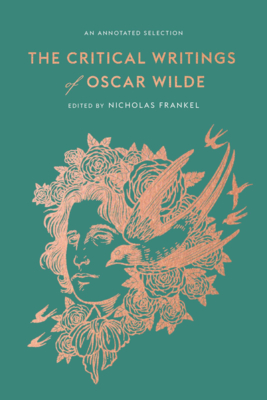
The Critical Writings of Oscar Wilde: An Annotated PDF - أوسكار وايلد
أوسكار وايلد • روايات أدبية • ٣٣٤ الصفحات
(0)
اقتباس
مراجعة
حفظ
مشاركة
وصف الكتاب
The The Critical Writings of Oscar Wilde: An Annotated collection brings together the most influential essays, reviews, and critical reflections of Oscar Wilde, one of the most brilliant and provocative voices of late Victorian literature. This carefully compiled annotated edition offers readers a deeper understanding of Wilde’s aesthetic philosophy, literary criticism, and intellectual wit, revealing how his ideas shaped modern discussions on art, culture, and creativity. Far beyond a simple collection of essays, this book serves as both a literary guide and a window into the mind of a writer who challenged convention at every turn.
At its core, this volume highlights Wilde’s belief that art exists independently of morality and that beauty should be appreciated for its own sake. His critical writings explore the role of the artist in society, the function of literature, and the importance of imagination in shaping human experience. Through his essays, reviews, and lectures, Wilde constructs a philosophy of aesthetics that remains influential in literary theory and cultural studies today. The annotated format enhances this experience by providing historical context, explanatory notes, and interpretive insights that help modern readers fully grasp the depth of his arguments.
The Intellectual World of Oscar Wilde
To understand Wilde’s critical writings is to enter the vibrant intellectual landscape of the late 19th century, a period marked by rapid social change, artistic experimentation, and philosophical debate. Wilde positioned himself at the center of the Aesthetic Movement, a cultural shift that emphasized “art for art’s sake.” His writing engages directly with this movement, but also expands beyond it, questioning rigid Victorian values and redefining what it means to be an artist.
In this collection, readers encounter Wilde not only as a playwright and novelist, but as a sharp literary critic who could dissect the works of his contemporaries with elegance and precision. His essays on art and literature reveal a thinker deeply engaged with both classical traditions and modern innovations. The annotated structure helps illuminate references to Greek philosophy, Romantic poetry, and contemporary literary debates, making the text accessible to both scholars and general readers.
Key Themes in Wilde’s Critical Thought
One of the most important themes in Wilde’s critical writings is the concept of aestheticism, the idea that art should not be judged by moral or utilitarian standards but by its beauty and emotional impact. Wilde challenges the notion that literature must serve a social or ethical purpose, instead arguing that the highest form of art is self-contained and self-expressive.
Another central theme is the role of the artist as a visionary. Wilde frequently emphasizes that true artists are not bound by public opinion or conventional expectations. Instead, they act as interpreters of beauty and imagination, often standing apart from society in order to see it more clearly. This perspective gives his criticism a timeless relevance, particularly in discussions about creative freedom and artistic integrity.
Wilde also explores the tension between originality and influence, examining how writers borrow from tradition while still striving to create something new. His reflections on Shakespeare, the French Symbolists, and other literary figures demonstrate his deep engagement with the history of literature and his belief that creativity is a continuous dialogue across generations.
Major Essays and Critical Insights
This annotated collection includes some of Wilde’s most important critical essays, each offering unique insights into his aesthetic philosophy. His reviews of contemporary literature reveal a writer unafraid to challenge popular opinion, often using irony and paradox to expose contradictions in artistic judgment. His lectures, particularly those on aesthetics and decorative arts, show his belief that beauty should permeate every aspect of life, from literature to design.
Wilde’s famous critical voice is characterized by wit, paradox, and intellectual playfulness. He often uses seemingly contradictory statements to provoke deeper thought, encouraging readers to question assumptions rather than accept fixed interpretations. The annotations in this edition help decode these stylistic choices, offering explanations of historical references, philosophical influences, and subtle literary allusions.
The Value of the Annotated Edition
What makes The Critical Writings of Oscar Wilde: An Annotated especially valuable is its scholarly apparatus. The annotations provide essential background information that enhances understanding without interrupting Wilde’s distinctive voice. Readers gain insight into Victorian literary culture, the social dynamics of Wilde’s time, and the intellectual debates that shaped his thinking.
For students of literature, this edition functions as a comprehensive resource for studying aesthetic theory, literary criticism, and the evolution of modernist ideas. For general readers, it offers an engaging journey into the mind of one of literature’s most charismatic thinkers. The notes also clarify difficult passages, making Wilde’s often complex and ironic prose more approachable.
Why Wilde’s Critical Writings Still Matter Today
The enduring relevance of Oscar Wilde lies in his ability to speak to universal questions about art, identity, and creativity. In an era where art is often evaluated through commercial or social lenses, Wilde’s insistence on artistic autonomy feels particularly modern. His ideas continue to influence debates in literary theory, philosophy of art, and cultural criticism.
Modern readers will find that Wilde’s essays resonate with contemporary discussions about freedom of expression, the role of aesthetics in everyday life, and the relationship between artist and audience. His playful yet profound approach to criticism encourages readers to think more deeply about how art is created, interpreted, and valued.
A Reading Experience Rich in Insight and Elegance
Reading this annotated collection is both an intellectual and aesthetic experience. Wilde’s prose is famously elegant, filled with epigrams, paradoxes, and striking observations that remain memorable long after reading. The annotations enrich this experience by guiding readers through layers of meaning, ensuring that no nuance is lost.
The structure of the book allows readers to move between Wilde’s original texts and scholarly commentary seamlessly, creating a dialogue between past and present interpretations. This makes the collection suitable not only for academic study but also for leisurely reading by anyone interested in literature and ideas.
Conclusion: A Timeless Voice of Literary Criticism
The Critical Writings of Oscar Wilde: An Annotated stands as an essential work for anyone seeking to understand the foundations of modern literary criticism and aesthetic thought. Through his essays, reviews, and lectures, Wilde presents a vision of art that is bold, independent, and intellectually stimulating. The annotated format deepens this experience, offering clarity and context without diminishing the brilliance of his original voice.
Ultimately, this collection reaffirms why Oscar Wilde remains one of the most influential literary figures in history. His critical writings continue to inspire readers, writers, and thinkers to see art not as a tool for instruction, but as a celebration of beauty, imagination, and human creativity.
أوسكار وايلد
كان أوسكار وايلد (1854-1900) كاتبًا مسرحيًا وشاعرًا وروائيًا أيرلنديًا يُنظر إليه على نطاق واسع على أنه أحد أعظم كتاب العصر الفيكتوري. ولد في دبلن بأيرلندا وتلقى تعليمه في كلية ترينيتي في دبلن وكلية ماجدالين في أكسفورد. كان وايلد شخصية بارزة في المجتمع الفيكتوري ، ومعروفًا بالذكاء والروح والشذوذ الجنسي ، والتي كانت تعتبر فيما بعد جريمة.
بدأت مسيرة وايلد الأدبية في ثمانينيات القرن التاسع عشر ، عندما اكتسب شعبية من خلال مسرحياته الكوميدية ، بما في ذلك "مروحة السيدة ويندرمير" و "امرأة بلا أهمية" و "أهمية أن تكون جادًا". اشتهرت هذه المسرحيات بالتلاعب بالألفاظ والتعليق الاجتماعي والتصوير الساخر للمجتمع الفيكتوري.
بالإضافة إلى مسرحياته ، كتب وايلد أيضًا روايات ، بما في ذلك "صورة دوريان جراي" ، والتي تحكي قصة شاب جميل أبرم ميثاقًا فاوستيًا ليظل شابًا وجميلًا بينما تتقدم صورته في السن وتصبح قبيحة. أثارت الرواية جدلاً عندما نُشرت لأول مرة في عام 1890 بسبب موضوعاتها المنحطة ونغماتها المثلية.
على الرغم من نجاحه الأدبي ، كانت حياة وايلد الشخصية صاخبة. في عام 1895 ، أدين بتهمة العلاقات الجنسية المثلية وحكم عليه بالسجن لمدة عامين مع الأشغال الشاقة. دمرت المحاكمة والسجن اللاحق سمعته وصحته ، وتوفي في باريس عام 1900 ، عن عمر يناهز 46 عامًا.
يعيش إرث وايلد من خلال أعماله ، التي لا تزال تحتفل بذكائها وروح الدعابة والتعليق الاجتماعي. أثرت كتاباته على أجيال من الكتاب ، ومازالت مسرحياته تؤدّى وتتكيف مع السينما والتلفزيون. اليوم ، لا يُذكر وايلد باعتباره كاتبًا عظيمًا فحسب ، بل أيضًا كرمز للمقاومة ضد الأخلاق الفيكتورية والنفاق.
اكسب مكافآت أثناء القراءة!
كل 10 صفحات تقرؤها وتقضى فيها 30 ثانية تمنحك 5 نقاط مكافأة! واصل القراءة لفتح الإنجازات والمزايا الحصرية.
اقرأ
قيم الآن
5 نجوم
4 نجوم
3 نجوم
2 نجوم
1 نجوم
اقتباسات The Critical Writings of Oscar Wilde: An Annotated
الأعلى تقييماً
الأحدث
اقتباس
كن أول من يترك اقتباسًا واكسب 10 نقاط
بدلاً من 3
'%20/%3e%3c/svg%3e "A Florentine Tragedy")
التعليقات
كن أول من يترك تعليقًا واكسب 5 نقاط
بدلاً من 3