

مصدر الكتاب
تم نشر هذا الكتاب بهدف النفع العام، وذلك بموجب رخصة المشاع الإبداعي، أو بناءً على موافقة من المؤلف أو دار النشر. في حال وجود أي اعتراض على النشر، يُرجى التواصل معنا لنتخذ الإجراء المناسب.
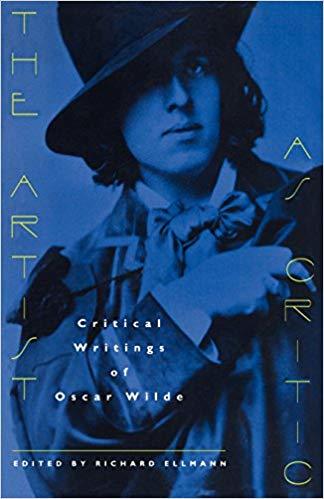
The Artist as Critic: Critical Writings of Oscar Wilde PDF - أوسكار وايلد
أوسكار وايلد • روايات أدبية • ٤٧٢ الصفحات
(0)
اقتباس
مراجعة
حفظ
مشاركة
وصف الكتاب
The Artist as Critic: Critical Writings of Oscar Wilde brings together the brilliant, provocative, and enduring nonfiction prose of Oscar Wilde, revealing a side of the author that is essential to understanding his literary genius. While Wilde is widely remembered for his plays, fiction, epigrams, and dazzling public persona, this collection places his critical intelligence at the center. Edited by Richard Ellmann, the volume gathers a wide selection of Wilde’s reviews and major critical writings, including longer works such as “The Portrait of Mr. W.H.,” “The Soul of Man under Socialism,” and the essays associated with Intentions.
A Major Collection of Oscar Wilde’s Literary Criticism
This book is an important entry point for readers who want to explore Oscar Wilde’s essays, aesthetic theory, literary criticism, and cultural thought beyond his best-known works of drama and fiction. In these writings, Wilde reflects on art, beauty, criticism, imagination, truth, personality, style, and the role of the artist in society. His critical prose is not dry or narrowly academic; it is alive with paradox, elegance, wit, and intellectual risk. Wilde turns criticism itself into an art form, treating the critic not as a secondary commentator but as a creator whose imagination reshapes the meaning of literature and life.
For readers interested in Victorian literature, aestheticism, art for art’s sake, and the development of modern literary criticism, The Artist as Critic offers a rich and rewarding experience. Wilde’s voice moves between brilliance and playfulness, seriousness and irony, moral challenge and aesthetic delight. His essays often begin from a discussion of books, painting, theatre, or artistic taste, but they quickly expand into larger questions about culture, individuality, society, and the power of beauty. The result is a collection that feels both historically rooted and strikingly modern.
Wilde’s Vision of Art, Beauty, and Imagination
At the heart of The Artist as Critic is Wilde’s belief that art should not be reduced to moral instruction, social utility, or simple realism. His criticism repeatedly defends the freedom of the imagination and the autonomy of artistic creation. In essays such as “The Decay of Lying” and “The Critic as Artist,” Wilde challenges conventional assumptions about truth, nature, and representation. He suggests that art does not merely copy life; rather, art gives life form, intensity, and meaning. This makes the collection especially valuable for readers searching for books about Oscar Wilde’s aesthetic philosophy or the intellectual foundations of the Aesthetic Movement.
Wilde’s arguments are memorable not only because of what he says, but because of how he says it. His style is polished, musical, ironic, and full of unexpected turns. He delights in contradiction, using paradox to unsettle ordinary thinking and open new possibilities. A sentence may appear playful at first, then reveal a serious philosophical insight. A critical judgment may sound extravagant, yet carry a sharp understanding of literature and culture. This combination of elegance and danger is what makes Wilde’s criticism so distinctive: he writes as someone who believes that style is not decoration, but a mode of thought.
The Critic as Creator
One of the most fascinating ideas in The Artist as Critic is Wilde’s elevation of the critic. Rather than presenting criticism as a minor activity that follows after art, Wilde imagines the critic as an artist in his own right. For him, great criticism is not a mechanical explanation of a work; it is a creative act, a personal response shaped by imagination, sensitivity, knowledge, and style. This idea has made Wilde’s critical writings especially influential for readers interested in literary theory, aesthetic criticism, and the history of modern approaches to interpretation.
The collection shows Wilde constantly questioning easy divisions: art and criticism, truth and fiction, beauty and morality, personality and performance, life and literature. He is drawn to the space where these categories overlap. His essays invite readers to think of criticism as a conversation with art rather than a verdict upon it. That makes the book appealing not only to students and scholars, but also to general readers who enjoy intelligent essays that combine argument, personality, and literary pleasure.
A Rich Reading Experience for Students and Wilde Readers
For students of English literature, nineteenth-century writing, and Oscar Wilde’s works, this book provides valuable context for understanding Wilde’s larger career. His plays and fiction become even more interesting when read alongside his critical prose, because many of the same concerns appear across his body of work: performance, masks, beauty, social convention, wit, identity, and the tension between public morality and private imagination. The Artist as Critic helps readers see Wilde not simply as a witty dramatist, but as a serious thinker whose ideas about art and criticism continue to provoke discussion.
At the same time, this is not a collection only for academic readers. Anyone who enjoys Wilde’s style will find much to admire here. His prose has the sparkle associated with his best-known works, but it also reveals a deeper intellectual architecture. The essays reward slow reading because they are layered, allusive, and carefully shaped. They can be read for pleasure, for study, or for inspiration by writers, artists, critics, and readers who are interested in the relationship between creativity and interpretation.
Themes That Still Feel Modern
Although Wilde wrote from within the world of late Victorian culture, many of the questions in The Artist as Critic remain urgent. What is the purpose of art? Should literature serve morality, politics, beauty, pleasure, or truth? Can criticism be creative? How does style shape thought? What does society gain from artists who refuse ordinary expectations? Wilde does not answer these questions in a simple or predictable way. Instead, he dramatizes the act of thinking itself, turning the essay into a space of tension, performance, and discovery.
This is one reason the book continues to matter for readers of classic essays, cultural criticism, and philosophy of art. Wilde’s criticism resists being reduced to a single doctrine. He is often associated with “art for art’s sake,” but his writings are more complex than any slogan. He is interested in beauty, but also in power, personality, freedom, and the social imagination. He can seem detached from practical life, yet he also writes about society with remarkable force. This complexity gives the collection lasting energy.
An Essential Volume of Wilde’s Nonfiction Prose
The Artist as Critic: Critical Writings of Oscar Wilde is an essential book for anyone who wants a fuller understanding of Wilde’s literary achievement. It gathers the nonfiction writings that show him as a critic, theorist, stylist, and cultural provocateur. Through reviews, essays, dialogues, and reflective prose, Wilde presents a vision of art that is bold, refined, and intellectually restless. The University of Chicago Press edition is listed as a 474-page volume in the field of British and Irish literary criticism, while WorldCat records earlier publication history connected with the collection.
For readers seeking Oscar Wilde critical essays, classic literary criticism, Victorian aestheticism, or a deeper view of Wilde’s ideas about art and beauty, this collection offers a powerful and elegant introduction. It shows Wilde at his most reflective and most daring, turning criticism into performance and performance into thought. More than a supplement to his famous plays and fiction, The Artist as Critic stands as a central work for understanding why Oscar Wilde remains one of the most original and influential literary voices of the modern imagination.
أوسكار وايلد
كان أوسكار وايلد (1854-1900) كاتبًا مسرحيًا وشاعرًا وروائيًا أيرلنديًا يُنظر إليه على نطاق واسع على أنه أحد أعظم كتاب العصر الفيكتوري. ولد في دبلن بأيرلندا وتلقى تعليمه في كلية ترينيتي في دبلن وكلية ماجدالين في أكسفورد. كان وايلد شخصية بارزة في المجتمع الفيكتوري ، ومعروفًا بالذكاء والروح والشذوذ الجنسي ، والتي كانت تعتبر فيما بعد جريمة.
بدأت مسيرة وايلد الأدبية في ثمانينيات القرن التاسع عشر ، عندما اكتسب شعبية من خلال مسرحياته الكوميدية ، بما في ذلك "مروحة السيدة ويندرمير" و "امرأة بلا أهمية" و "أهمية أن تكون جادًا". اشتهرت هذه المسرحيات بالتلاعب بالألفاظ والتعليق الاجتماعي والتصوير الساخر للمجتمع الفيكتوري.
بالإضافة إلى مسرحياته ، كتب وايلد أيضًا روايات ، بما في ذلك "صورة دوريان جراي" ، والتي تحكي قصة شاب جميل أبرم ميثاقًا فاوستيًا ليظل شابًا وجميلًا بينما تتقدم صورته في السن وتصبح قبيحة. أثارت الرواية جدلاً عندما نُشرت لأول مرة في عام 1890 بسبب موضوعاتها المنحطة ونغماتها المثلية.
على الرغم من نجاحه الأدبي ، كانت حياة وايلد الشخصية صاخبة. في عام 1895 ، أدين بتهمة العلاقات الجنسية المثلية وحكم عليه بالسجن لمدة عامين مع الأشغال الشاقة. دمرت المحاكمة والسجن اللاحق سمعته وصحته ، وتوفي في باريس عام 1900 ، عن عمر يناهز 46 عامًا.
يعيش إرث وايلد من خلال أعماله ، التي لا تزال تحتفل بذكائها وروح الدعابة والتعليق الاجتماعي. أثرت كتاباته على أجيال من الكتاب ، ومازالت مسرحياته تؤدّى وتتكيف مع السينما والتلفزيون. اليوم ، لا يُذكر وايلد باعتباره كاتبًا عظيمًا فحسب ، بل أيضًا كرمز للمقاومة ضد الأخلاق الفيكتورية والنفاق.
اكسب مكافآت أثناء القراءة!
كل 10 صفحات تقرؤها وتقضى فيها 30 ثانية تمنحك 5 نقاط مكافأة! واصل القراءة لفتح الإنجازات والمزايا الحصرية.
اقرأ
قيم الآن
5 نجوم
4 نجوم
3 نجوم
2 نجوم
1 نجوم
اقتباسات The Artist as Critic: Critical Writings of Oscar Wilde
الأعلى تقييماً
الأحدث
اقتباس
كن أول من يترك اقتباسًا واكسب 10 نقاط
بدلاً من 3
'%20/%3e%3c/svg%3e "A Florentine Tragedy")
التعليقات
كن أول من يترك تعليقًا واكسب 5 نقاط
بدلاً من 3