

مصدر الكتاب
تم نشر هذا الكتاب بهدف النفع العام، وذلك بموجب رخصة المشاع الإبداعي، أو بناءً على موافقة من المؤلف أو دار النشر. في حال وجود أي اعتراض على النشر، يُرجى التواصل معنا لنتخذ الإجراء المناسب.
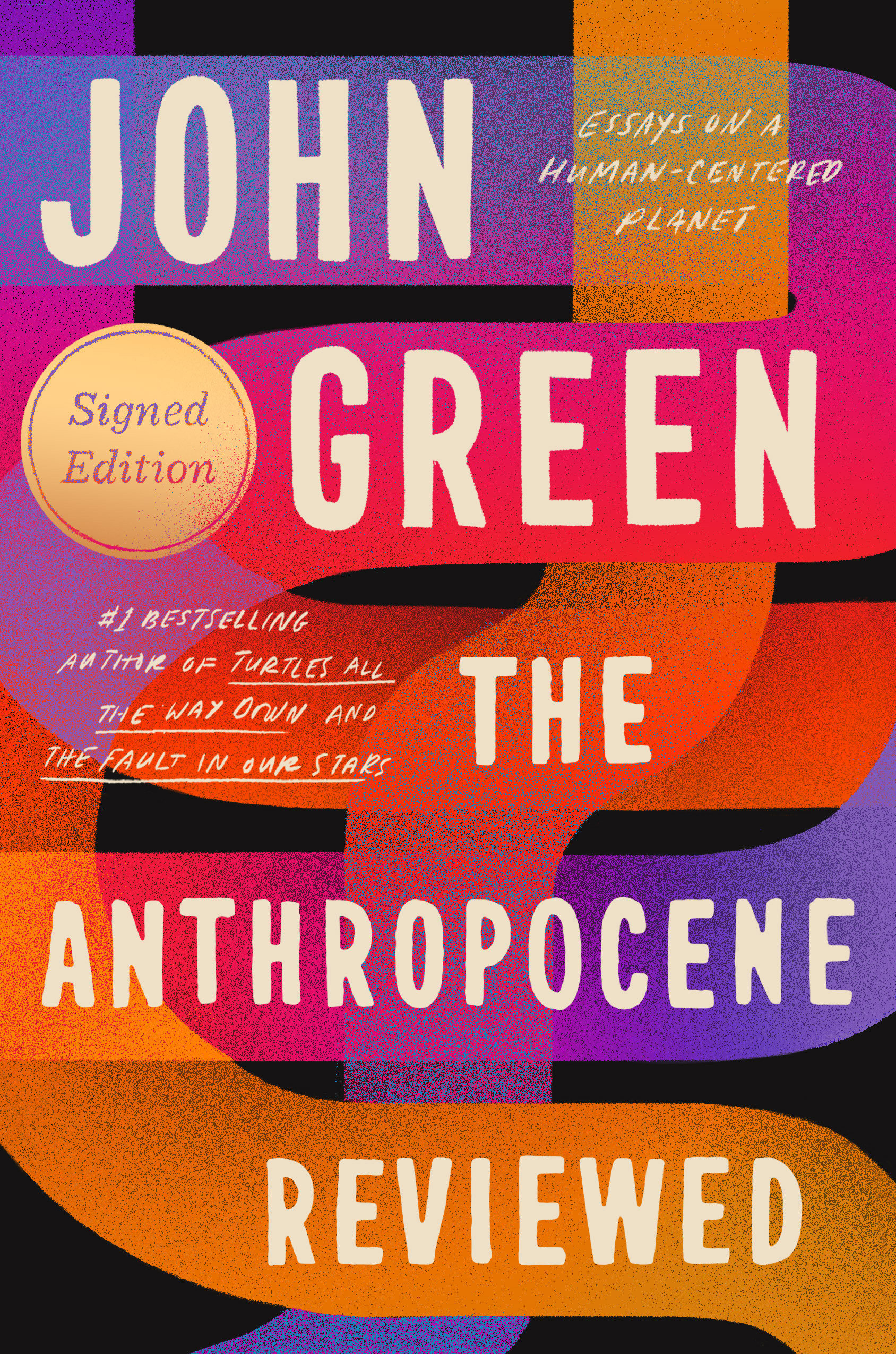
The Anthropocene Reviewed PDF - جون غرين
جون غرين • روايات رومانسية • ٣٠١ الصفحات
(0)
اقتباس
مراجعة
حفظ
مشاركة
وصف الكتاب
The Anthropocene Reviewed: Essays on a Human-Centered Planet by John Green is a thoughtful, witty, and deeply humane collection of essays about what it means to live in the age of human influence. Known to many readers for his bestselling novels, John Green turns here to nonfiction with a voice that is intimate, curious, reflective, and unmistakably personal. The book grew out of his acclaimed podcast, expanding its central idea into a literary experience that blends memoir, cultural commentary, science, history, philosophy, and emotional observation. Through a series of essays, Green reviews different aspects of the modern world on a five-star scale, transforming the language of ratings into a surprising way to examine beauty, anxiety, wonder, grief, and hope.
The title refers to the Anthropocene, the proposed geological age in which human activity has profoundly shaped the planet and its biodiversity. Green uses this idea not as a cold academic framework, but as a doorway into everyday life. His subjects range widely, moving from familiar objects and cultural phenomena to illness, memory, nature, technology, and human connection. The result is not a simple book of facts or a conventional memoir; it is a work of personal essays that asks readers to look again at the ordinary things surrounding them and to consider how those things carry histories, consequences, contradictions, and emotional meaning.
A Collection of Essays About the Human-Centered Planet
At the heart of The Anthropocene Reviewed is a deceptively simple structure: John Green takes a topic from the human-centered planet, explores it through research and personal reflection, and gives it a rating out of five stars. This playful format gives the book accessibility, but the essays often move into unexpectedly profound territory. A review of something ordinary can become a meditation on vulnerability. A reflection on a scientific or historical subject can become a memory of illness, love, fear, or gratitude. Green’s gift lies in his ability to connect large-scale human questions with small, recognizable moments from daily life.
This makes the book especially appealing to readers who enjoy literary nonfiction, reflective essays, and books that combine learning with emotional resonance. Green writes with curiosity rather than certainty. He is interested in the ways humans build meaning, make mistakes, survive suffering, and continue to search for beauty in a world that is both astonishing and damaged. His essays do not pretend that life in the Anthropocene is simple. Instead, they hold complexity in view: the same species that creates art and medicine also creates pollution, extinction, inequality, and loneliness. The book’s power comes from its willingness to recognize both wonder and harm without reducing either.
John Green’s Voice: Personal, Curious, and Emotionally Honest
Readers familiar with John Green will recognize his combination of intelligence, humor, sincerity, and emotional openness. In this nonfiction work, his voice feels conversational yet carefully crafted, inviting readers into thoughts that are both private and universal. He writes about the world through the lens of his own experiences, including anxiety, illness, family, faith, memory, and the strange patterns of contemporary life. This personal approach gives the essays warmth and immediacy, making the book feel less like a lecture and more like an extended conversation with a thoughtful observer.
One of the most compelling aspects of the book is how it treats knowledge. Green does not use facts merely to impress the reader; he uses them to deepen feeling and perspective. When he discusses subjects such as the QWERTY keyboard, sunsets, Canada geese, or Staphylococcus aureus, he moves beyond surface description to ask why these things matter and how they reveal something about being human. The official descriptions of the book highlight this wide range of reviewed subjects, from cultural objects and natural phenomena to bacteria and everyday experiences, all filtered through Green’s distinctive five-star scale.
A Book About Wonder, Fragility, and Contradiction
Although The Anthropocene Reviewed is often funny, it is also marked by an awareness of fragility. Green writes about a world where beauty and danger often exist side by side. A sunset can inspire awe while also reminding us of atmospheric realities. A medical story can reveal both the terror of infection and the miracle of modern treatment. A human invention can be useful, absurd, destructive, or strangely moving all at once. This ability to see contradiction gives the book its distinctive emotional texture.
The essays often return to the question of how to live honestly in a complicated world. Green does not offer easy optimism, but neither does he surrender to despair. Instead, he explores a form of attention that feels both ethical and restorative. To pay attention is to notice what has been overlooked. To review the world is to admit that our judgments are incomplete but still meaningful. To rate something on a five-star scale, in Green’s hands, becomes less about consumer culture and more about the human desire to evaluate, remember, and make sense of existence.
Why Readers Connect With The Anthropocene Reviewed
The Anthropocene Reviewed speaks to readers who enjoy books that are reflective, intelligent, and emotionally generous. It is a strong choice for fans of essay collections, memoir-style nonfiction, popular science writing, and philosophical reflections on modern life. The book also appeals to readers searching for nonfiction that feels personal rather than detached. Green’s essays are filled with research, but they remain anchored in lived experience, making complex ideas approachable and emotionally meaningful.
For readers interested in books about the human condition, this collection offers a wide field of thought. It considers how people relate to nature, technology, disease, entertainment, memory, and one another. It also explores the emotional atmosphere of the modern age: anxiety about the future, grief over loss, gratitude for survival, and the persistent human capacity for awe. The essays are varied enough to keep the reading experience fresh, yet unified by Green’s central concern with how humans shape the world and are shaped by it in return.
A Reading Experience That Feels Both Intimate and Expansive
The pleasure of reading The Anthropocene Reviewed comes from its movement between the intimate and the enormous. One moment may feel like a personal confession; the next may open into a broader reflection on history, biology, or culture. This rhythm makes the book highly readable while also encouraging slow reflection. Each essay can stand on its own, but together they form a layered portrait of a person thinking carefully about life on a planet transformed by human beings.
Because the collection is adapted and expanded from Green’s podcast, it carries a strong sense of voice and structure, but the book form allows the essays to gather additional depth and coherence. Readers who enjoy audio storytelling may appreciate the conversational quality, while readers who prefer literary nonfiction will find polished essays that reward attention. The book’s format also makes it accessible for different reading moods: it can be read continuously as a memoir-like journey or approached essay by essay as a series of thoughtful meditations.
A Meaningful Nonfiction Book for the Modern Age
The Anthropocene Reviewed: Essays on a Human-Centered Planet is a memorable work of nonfiction because it turns review culture into a tool for wonder. John Green takes the familiar act of rating things and transforms it into a way of asking larger questions: What do we value? What do we fear? What have we damaged? What still deserves our attention, gratitude, and care? In answering these questions, the book becomes more than a collection of essays; it becomes a map of modern consciousness, full of uncertainty, humor, tenderness, and moral curiosity.
For readers looking for a book that is smart, moving, funny, reflective, and deeply human, The Anthropocene Reviewed offers a rewarding experience. It invites us to look again at the world we have made, to recognize its absurdities and miracles, and to consider how even ordinary things can reveal extraordinary truths. In the end, John Green’s nonfiction debut is not simply about reviewing the Anthropocene; it is about learning how to pay attention to life with honesty, humility, and wonder.
جون غرين
جون غرين كاتب ومعلم ومنشئ محتوى على يوتيوب أمريكي شهير، اشتهر برواياته الموجهة للشباب، والتي تمزج بين العمق العاطفي والفكاهة والذكاء والصدق. وُلد غرين في 24 أغسطس 1977 في إنديانابوليس بولاية إنديانا، ونما لديه شغف مبكر بالقراءة ورواية القصص، وتخرج لاحقًا من كلية كينيون حاصلًا على شهادة في اللغة الإنجليزية والدراسات الدينية. شكّلت خلفيته الأكاديمية وفضوله الشخصي تجاه أسئلة الحياة الكبرى المواضيع التي تُميّز كتاباته: الحب والفقد والمعنى والتجربة الإنسانية.
فازت روايته الأولى "البحث عن ألاسكا" (2005) بجائزة مايكل إل. برينتز، وسرعان ما رسّخت مكانته كصوت جديد في أدب الشباب. وتبع ذلك أعمال أخرى نالت إشادات واسعة، مثل "وفرة كاثرين" (2006) و"مدن ورقية" (2008)، والتي حُوّلت الأخيرة إلى فيلم سينمائي ناجح. ومع ذلك، كانت رواية "الخطأ في نجومنا" (2012) هي التي دفعته نحو الشهرة العالمية. رواية مستوحاة من فترة غرين كطالب قسيس في مستشفى للأطفال، تحكي قصة مراهقين مصابين بالسرطان، وقد بيعت ملايين النسخ منها حول العالم، ثم حُوِّلت لاحقًا إلى فيلم سينمائي ناجح.
تُعرف روايات جون غرين بحواراتها الذكية وشخصياتها التي لا تُنسى ومواضيعها المُحفِّزة للفكر التي تلقى صدى لدى كل من الشباب والقراء الأكبر سنًا. من خلال كتبه وحضوره الإلكتروني، بنى مجتمعًا من القراء والمتعلمين الذين يُقدِّرون قدرته على معالجة تعقيدات الحياة بتعاطف وبصيرة.
اكسب مكافآت أثناء القراءة!
كل 10 صفحات تقرؤها وتقضى فيها 30 ثانية تمنحك 5 نقاط مكافأة! واصل القراءة لفتح الإنجازات والمزايا الحصرية.
اقرأ
قيم الآن
5 نجوم
4 نجوم
3 نجوم
2 نجوم
1 نجوم
اقتباسات The Anthropocene Reviewed
الأعلى تقييماً
الأحدث
اقتباس
كن أول من يترك اقتباسًا واكسب 10 نقاط
بدلاً من 3
'%20/%3e%3c/svg%3e "The Fault in Our Stars")
التعليقات
كن أول من يترك تعليقًا واكسب 5 نقاط
بدلاً من 3