

مصدر الكتاب
تم نشر هذا الكتاب بهدف النفع العام، وذلك بموجب رخصة المشاع الإبداعي، أو بناءً على موافقة من المؤلف أو دار النشر. في حال وجود أي اعتراض على النشر، يُرجى التواصل معنا لنتخذ الإجراء المناسب.
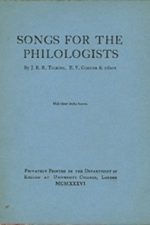
Songs for the Philologists PDF - جون رونالد تولكين
جون رونالد تولكين • أدب • ٢٧ الصفحات
(0)
اقتباس
مراجعة
حفظ
مشاركة
وصف الكتاب
Songs for the Philologists by J. R. R. Tolkien – A Rare Window into Academic Humor, Language Play, and Early Literary Imagination
Songs for the Philologists is a unique and historically fascinating collection associated with the academic world of early 20th-century philology, bringing together playful, satirical, and linguistically rich verses written primarily for a close circle of scholars and students. Closely linked to the scholarly environment of English language studies at the University of Leeds, this work reflects a period when language, humor, and academic camaraderie merged into creative expression. It is most strongly associated with the philologist and author J. R. R. Tolkien, whose deep engagement with ancient languages and medieval literature shaped both his academic career and his later legendary fiction.
Unlike conventional poetry collections intended for mass readership, Songs for the Philologists stands out as a semi-private compilation originally designed for academic enjoyment rather than commercial publication. It reflects the intellectual culture of philologists who studied and reconstructed historical forms of English and other Germanic languages. Within this environment, linguistic precision and scholarly knowledge often blended with humor, parody, and inventive wordplay. The result is a set of texts that feel both playful and deeply learned, revealing how scholars used poetry and song as a way to engage with language in a more relaxed and communal setting.
A Scholarly Yet Playful Literary Artifact
At its core, Songs for the Philologists represents a meeting point between rigorous academic study and lighthearted literary experimentation. The poems and songs included in the collection often draw upon Old English, Middle English, and other early linguistic forms, reworking them into humorous or satirical pieces. This reflects the academic discipline of philology, where understanding language history was not only a scientific pursuit but also a creative one.
The work is deeply tied to the traditions of university life in the early 1900s, particularly within departments devoted to English language history. Scholars and students would often compose verses for social gatherings, departmental events, or informal celebrations. These compositions were not meant to be polished literary publications but rather shared expressions of intellectual friendship and linguistic enjoyment.
In this context, the collection serves as both a cultural document and a literary curiosity. It captures the atmosphere of academic circles where the study of language was not confined to lecture halls but extended into social and artistic expression.
Language Play, Linguistics, and Early Creative Style
One of the defining features of Songs for the Philologists is its intense focus on language itself. The texts frequently experiment with archaic vocabulary, dialect variations, and reconstructed linguistic forms. This makes the collection particularly interesting for readers who appreciate historical linguistics or the evolution of English.
Rather than using language simply as a medium for storytelling, the poems treat language as the subject of exploration. Words are shaped, bent, and sometimes humorously distorted to highlight their origins and transformations across centuries. This approach reflects the academic training and interests of J. R. R. Tolkien, whose expertise in philology deeply influenced his approach to writing.
The tone of the work often shifts between scholarly precision and playful absurdity. Some pieces mimic medieval styles with exaggerated seriousness, while others parody academic conventions or celebrate the quirks of linguistic change. This duality gives the collection a distinctive identity: it is both an academic exercise and a creative performance.
Historical and Academic Context
Songs for the Philologists emerged from a specific intellectual environment at the University of Leeds during the early 20th century. At that time, philology was a central discipline in the study of English literature, focusing on the historical development of language, textual analysis, and medieval manuscripts.
The collection is closely associated with the collaborative work of scholars and colleagues who shared an interest in early English literature and Germanic languages. It reflects a period when academic departments were smaller, more closely connected communities, where professors and students often interacted informally and creatively outside formal coursework.
Within this setting, poetry and song were not merely artistic outputs but also pedagogical tools and social expressions. They helped scholars internalize linguistic structures, memorize forms, and engage with historical texts in a more intuitive and enjoyable way.
Literary Value and Reader Experience
For modern readers, Songs for the Philologists offers a very different reading experience compared to mainstream poetry collections. It is not designed for casual entertainment in the conventional sense, nor does it follow a unified narrative structure. Instead, it functions as a mosaic of linguistic experiments, humorous verses, and scholarly in-jokes that reflect a specific academic culture.
Readers who are familiar with medieval literature, historical linguistics, or the works of J. R. R. Tolkien will find additional layers of meaning in the text. The collection reveals early signs of the linguistic creativity that would later become a hallmark of Tolkien’s fictional worlds, where invented languages and historical depth play a central role.
At the same time, even readers without a background in philology can appreciate the rhythmic quality, humor, and inventive spirit of the songs. The playful manipulation of language often creates a sense of curiosity and discovery, encouraging readers to think more deeply about how language evolves and how meaning is shaped through time.
Themes of Friendship, Scholarship, and Humor
Beyond its linguistic focus, the collection also reflects themes of friendship and intellectual community. Many of the poems were composed in a collaborative or social context, intended to be shared among colleagues and students. This gives the work a warm and communal character, even when its language is complex or archaic.
Humor plays an essential role throughout the collection. The jokes are often subtle, relying on wordplay, historical references, or exaggerated scholarly tones. This type of humor was particularly suited to the academic environment in which the work was created, where shared knowledge allowed for layered meanings and private references.
The sense of camaraderie embedded in the text highlights the importance of intellectual communities in shaping literary creativity. It shows how academic collaboration can produce works that are both erudite and entertaining, even if they were never intended for wide publication.
Legacy and Literary Significance
Although Songs for the Philologists is not as widely known as Tolkien’s later works, it holds significant value for scholars and enthusiasts of linguistic literature. It provides insight into the early intellectual development of J. R. R. Tolkien and reveals the foundations of his lifelong fascination with language structure, historical depth, and invented linguistic systems.
The collection also serves as an important example of how academic culture can produce creative literature outside traditional publishing frameworks. It bridges the gap between scholarship and artistic expression, showing how the study of language can inspire imaginative and playful writing.
For readers interested in the origins of Tolkien’s creative worldview, this work offers a glimpse into the academic environment that shaped his thinking. It demonstrates how linguistic scholarship, medieval studies, and collegial humor all contributed to a distinctive literary sensibility that would later influence some of the most beloved fantasy works in modern literature.
Ultimately, Songs for the Philologists remains a rare and intriguing artifact of literary history—one that continues to attract interest from readers who appreciate the intersection of language, scholarship, and creative expression.
جون رونالد تولكين
كان جون رونالد رويل تولكين (1892-1973) كاتبًا وشاعرًا وعالمًا لغويًا إنجليزيًا اشتهر بأعماله الخيالية العالية ، بما في ذلك The Hobbit و The Lord of the Rings و The Silmarillion. ولد في جنوب إفريقيا ونشأ في إنجلترا ، حيث درس في جامعة أكسفورد وأصبح فيما بعد أستاذًا للغة الأنجلو ساكسونية والإنجليزية في نفس المؤسسة.
بدأ تولكين في كتابة القصص عندما كان طفلاً ، وسيؤثر حبه للغة والأساطير لاحقًا على أعماله الخيالية. أول عمل نشر له كان قصيدة بعنوان "قدم عفريت" في المجلة الأدبية أكسفورد الشعر في عام 1915. خلال الحرب العالمية الأولى ، خدم تولكين في الجيش البريطاني وعاد لاحقًا إلى الأوساط الأكاديمية.
في الثلاثينيات من القرن الماضي ، بدأ تولكين العمل في The Hobbit ، وهو كتاب للأطفال سيصبح في النهاية كلاسيكيًا من الأدب الخيالي. نُشر The Hobbit في عام 1937 ، ويحكي قصة الهوبيت المسمى Bilbo Baggins الذي يشرع في مهمة لمساعدة مجموعة من الأقزام على استعادة كنزهم من تنين.
كان العمل الرئيسي التالي لتولكين هو سيد الخواتم ، وهي ثلاثية نُشرت في منتصف الخمسينيات من القرن الماضي وتواصل قصة ميدل إيرث ، ووضع الهوبيت. تتبع الكتب سعي الهوبيت Frodo Baggins لتدمير One Ring ، وهي قطعة أثرية قوية أنشأها اللورد المظلم Sauron لغزو Middle-earth.
عمل تولكين أيضًا على قصص أخرى تدور أحداثها في ميدل إيرث ، بما في ذلك The Silmarillion ، الذي يحكي تاريخ العالم وإنشاء الجان الأولى ، والعديد من الحكايات غير المكتملة التي تم جمعها في حكايات غير مكتملة من Númenor و Middle-earth.
كان لعمل تولكين تأثير كبير على النوع الخيالي ، حيث استشهد به العديد من المؤلفين باعتباره تأثيرًا كبيرًا. أدت شعبية أعماله أيضًا إلى تعديلات في وسائل الإعلام الأخرى ، بما في ذلك الأفلام والمسلسلات التلفزيونية وألعاب الفيديو.
بالإضافة إلى كتاباته ، كان تولكين باحثًا محترمًا في اللغة والأدب ، مع اهتمام خاص باللغة الإنجليزية القديمة والأساطير الإسكندنافية. يتضمن عمله الأكاديمي طبعات من نصوص العصور الوسطى وسلسلة محاضرات أساسية عن بيوولف ، والتي تم نشرها ككتاب.
اكسب مكافآت أثناء القراءة!
كل 10 صفحات تقرؤها وتقضى فيها 30 ثانية تمنحك 5 نقاط مكافأة! واصل القراءة لفتح الإنجازات والمزايا الحصرية.
اقرأ
قيم الآن
5 نجوم
4 نجوم
3 نجوم
2 نجوم
1 نجوم
اقتباسات Songs for the Philologists
الأعلى تقييماً
الأحدث
اقتباس
كن أول من يترك اقتباسًا واكسب 10 نقاط
بدلاً من 3
'%20/%3e%3c/svg%3e "The Children of Hurin")
التعليقات
كن أول من يترك تعليقًا واكسب 5 نقاط
بدلاً من 3