

مصدر الكتاب
تم نشر هذا الكتاب بهدف النفع العام، وذلك بموجب رخصة المشاع الإبداعي، أو بناءً على موافقة من المؤلف أو دار النشر. في حال وجود أي اعتراض على النشر، يُرجى التواصل معنا لنتخذ الإجراء المناسب.
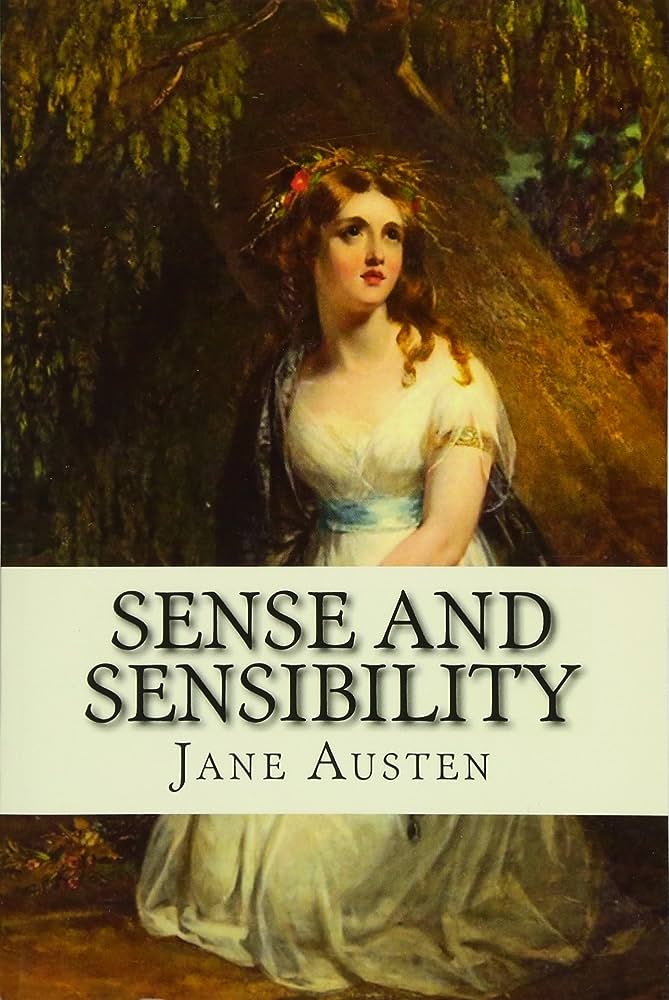
Sense and Sensibility PDF - جين اوستين
جين اوستين • روايات أدبية • ٣٣٧ الصفحات
(0)
اقتباس
مراجعة
حفظ
مشاركة
وصف الكتاب
Sense and Sensibility by Jane Austen: A Classic Novel of Love, Family, and Emotional Wisdom
Sense and Sensibility by Jane Austen is a graceful and deeply perceptive classic novel about love, loss, social expectation, and the difficult balance between feeling and judgment. First published in 1811, it was Jane Austen’s first published novel and remains one of her most admired works of English literature. The story follows the Dashwood sisters, Elinor Dashwood and Marianne Dashwood, two young women whose contrasting temperaments shape the emotional heart of the book. Elinor is thoughtful, restrained, and guided by reason, while Marianne is passionate, expressive, and devoted to the ideals of romantic feeling.
After the death of their father, the Dashwood women are forced to leave their family home and adjust to a more modest life. This change in fortune places them in a world where love, marriage, money, inheritance, and reputation are closely connected. Through the sisters’ experiences, Austen explores how women navigate affection and disappointment in a society where security often depends on marriage, yet true happiness depends on character, trust, and emotional honesty.
A Story of Two Sisters and Two Ways of Seeing the World
At the center of Sense and Sensibility is the relationship between Elinor and Marianne, one of the most beautifully drawn sisterly bonds in classic fiction. Elinor represents “sense”: patience, self-command, careful judgment, and quiet endurance. Marianne represents “sensibility”: emotional openness, romantic intensity, spontaneity, and a belief that true feeling should never be hidden. Austen does not present one sister as entirely right and the other as entirely wrong. Instead, she shows that both reason and emotion are necessary, but both can become harmful when taken to extremes.
Elinor’s strength lies in her ability to remain composed even when she is suffering privately. She understands social limits, protects her family from distress, and tries to act with fairness even when her own heart is wounded. Marianne, by contrast, feels everything intensely and believes that sincerity requires full emotional expression. Her passion makes her vivid and sympathetic, but it also leaves her vulnerable to disappointment. Through these two sisters, Austen creates a thoughtful novel about maturity, self-knowledge, and the emotional education that comes through experience.
Love, Courtship, and Social Reality
Like many Jane Austen novels, Sense and Sensibility is often read as a romance, but its vision of love is far more complex than simple courtship. The novel examines attraction, loyalty, disappointment, secrecy, social ambition, and the painful gap between romantic appearance and moral character. Austen shows that charm can be misleading, that good manners do not always reveal good principles, and that lasting affection requires more than admiration or excitement.
The romantic relationships in the novel reflect different ideas about love and marriage. Some characters value sincerity and constancy, while others are guided by wealth, status, vanity, or convenience. Austen’s world is elegant, but it is also practical. Financial insecurity is not a minor detail; it shapes choices, limits freedom, and reveals the pressures placed on women of reduced fortune. The Dashwood sisters must learn to distinguish between feeling that is genuine and feeling that is merely performed, between romance as fantasy and love as a serious moral commitment.
Jane Austen’s Social Insight and Literary Style
Sense and Sensibility by Jane Austen displays the wit, irony, and precise social observation that would become central to Austen’s enduring reputation. The novel’s drawing rooms, visits, letters, conversations, and family negotiations may seem quiet on the surface, but Austen uses them to reveal ambition, selfishness, kindness, pride, generosity, and weakness. Every polite exchange can carry emotional weight, and every social rule can expose the unequal realities of class and gender.
Austen’s style is elegant and controlled, combining humor with emotional depth. She is sharply critical of greed, vanity, hypocrisy, and emotional irresponsibility, but she is also deeply attentive to suffering. The novel’s comedy often comes from characters who lack self-awareness, while its seriousness comes from the real consequences of their choices. This balance gives Sense and Sensibility its lasting richness: it is both entertaining and morally intelligent, both romantic and realistic.
Themes of Family, Inheritance, and Female Independence
One of the most important themes in Sense and Sensibility is the vulnerability of women in a society governed by property, inheritance, and social rank. The Dashwood sisters’ changed circumstances are not simply background to the story; they are central to Austen’s criticism of a world in which women’s comfort and respectability can depend on the decisions of male relatives and the financial arrangements of marriage. The novel carefully shows how limited choices can shape emotional life, especially for women who must protect both their hearts and their reputations.
Family is also essential to the book’s emotional power. The Dashwood women are affectionate and loyal, yet they face uncertainty with different levels of wisdom and resilience. Elinor often becomes the quiet support of the family, while Marianne’s suffering affects everyone around her. Austen presents family life as a place of comfort, duty, misunderstanding, and sacrifice. The result is a novel that feels intimate and human, grounded not only in romance but in the everyday bonds that help people survive disappointment.
Why Sense and Sensibility Still Matters
More than two hundred years after its publication, Sense and Sensibility continues to speak to readers because its emotional questions remain familiar. How should a person balance the heart and the mind? When should feelings be expressed, and when should they be governed? How can someone love deeply without losing judgment? How can disappointment become a path toward wisdom rather than bitterness? These questions give the novel its enduring relevance and make it a rewarding choice for readers of classic romance, literary fiction, Regency novels, and books about personal growth.
The appeal of the novel also lies in its characters. Elinor and Marianne are memorable because they are not simple opposites, but fully human sisters who learn from pain, affection, and experience. Their story offers emotional drama without losing elegance, and moral seriousness without losing warmth. For students, book clubs, and readers exploring Jane Austen books, Sense and Sensibility provides a rich introduction to Austen’s treatment of love, class, family responsibility, and the hidden pressures of polite society.
A Timeless Classic of Heart and Judgment
Sense and Sensibility by Jane Austen is a beautifully crafted novel about the education of feeling. Through Elinor and Marianne Dashwood, Austen explores the need for both emotional sincerity and thoughtful restraint, showing that true wisdom comes not from denying the heart, but from understanding it more clearly. The novel’s romance, irony, family drama, and social criticism work together to create a story that is elegant, moving, and intellectually satisfying.
For readers searching for classic English literature, Jane Austen novels, Regency romance, or a thoughtful story about love and self-command, Sense and Sensibility remains an essential read. It is a novel of quiet strength and deep feeling, a book that captures the beauty and danger of emotion while reminding readers that maturity often begins when the heart learns to see with clarity.
جين اوستين
جين أوستن روائية إنجليزية كلاسيكية تُعد واحدة من أهم الأسماء في تاريخ الرواية العالمية، وقد تركت أعمالها أثرًا عميقًا في الأدب الحديث بفضل قدرتها الفريدة على تصوير المجتمع والإنسان من خلال تفاصيل الحياة اليومية. عاشت في مرحلة كان فيها الزواج، والميراث، والمكانة الاجتماعية، والعائلة، والسمعة، والدخل عناصر حاسمة في تحديد مصير الأفراد، ولا سيما النساء. ومع أن عالمها الروائي يبدو في ظاهره محدودًا داخل البيوت الريفية، والصالونات، والزيارات العائلية، والرسائل، والحفلات، والمحادثات المهذبة، فإن هذا العالم يتحول في كتابتها إلى مسرح واسع للصراع النفسي والأخلاقي والاجتماعي. تميزت جين أوستن بأسلوب رشيق ساخر، وبقدرة عالية على كشف التناقض بين ما يقوله الناس وما يشعرون به، وبين المظهر الاجتماعي والحقيقة الداخلية. لا تعتمد رواياتها على الأحداث الصاخبة، بل على التحولات الدقيقة في الحكم، والشعور، وسوء الفهم، والاعتراف، والنضج. من أشهر رواياتها «العقل والعاطفة»، و«كبرياء وتحامل»، و«مانسفيلد بارك»، و«إيما»، و«دير نورثانغر»، و«إقناع»، وهي أعمال أصبحت جزءًا من التراث الأدبي العالمي، وتُقرأ حتى اليوم بوصفها قصصًا ممتعة ودراسات عميقة في الشخصية الإنسانية. تقدم جين أوستن بطلات يتمتعن بالذكاء والحساسية والقدرة على التفكير المستقل، مثل إليزابيث بينيت، وإلينور داشوود، وماريان داشوود، وإيما وودهاوس، وآن إليوت. هؤلاء الشخصيات لا تكتفي بالمرور في قصة حب، بل تخوض رحلة داخلية نحو فهم الذات، ومراجعة الأحكام، والتمييز بين العاطفة الصادقة والوهم، وبين الكرامة الشخصية والرضوخ للضغط الاجتماعي. في رواياتها، يظهر الزواج بوصفه قضية عاطفية واجتماعية واقتصادية في الوقت نفسه، لأن اختيار الشريك لا ينفصل عن الأمن المالي، وحقوق المرأة، وتوقعات الأسرة، وحدود الحرية المتاحة. لذلك تبدو كتاباتها مهمة في قراءة تاريخ المرأة، وتطور الرواية، ونقد الطبقات الاجتماعية. إن قوة جين أوستن تكمن في أنها لا تقدم مواعظ مباشرة، بل تجعل الشخصيات تكشف نفسها عبر الكلام، والصمت، والتصرفات الصغيرة، والقرارات المتسرعة. كما أن السخرية عندها ليست مجرد وسيلة للضحك، بل أداة لفهم الإنسان، وكشف الغرور، والأنانية، والسطحية، والادعاء، والتكبر، وسوء الحكم. أسهمت جين أوستن في تطوير الرواية النفسية والاجتماعية، إذ استطاعت أن تجعل القارئ قريبًا من تفكير الشخصية، وفي الوقت نفسه قادرًا على ملاحظة أخطائها. ولهذا تبدو رواياتها متوازنة بين التعاطف والنقد، وبين المتعة الفنية والعمق الفكري. وعلى الرغم من أن شهرتها الواسعة جاءت بعد وفاتها، فإن مكانتها ازدادت مع مرور الزمن، وتحولت كتبها إلى مادة أساسية في الجامعات، والمكتبات، والترجمات، والاقتباسات السينمائية والتلفزيونية والمسرحية. ما يجعل جين أوستن كاتبة خالدة هو أنها كتبت عن أسئلة لا تفقد أهميتها: كيف يعرف الإنسان نفسه، وكيف يحكم على الآخرين بعدل، وكيف يحب دون أن يفقد عقله أو كرامته، وكيف يحافظ على صدقه الداخلي وسط مجتمع يفرض عليه أقنعة كثيرة. لذلك تظل سيرتها وكتبها حاضرة بقوة في مواقع الكتب، ودوائر القراءة، والدراسات الأدبية، لأنها تمثل نموذجًا نادرًا للكتابة التي تجمع بين البساطة الظاهرة والعمق الإنساني الدائم.
اكسب مكافآت أثناء القراءة!
كل 10 صفحات تقرؤها وتقضى فيها 30 ثانية تمنحك 5 نقاط مكافأة! واصل القراءة لفتح الإنجازات والمزايا الحصرية.
اقرأ
قيم الآن
5 نجوم
4 نجوم
3 نجوم
2 نجوم
1 نجوم
اقتباسات Sense and Sensibility
الأعلى تقييماً
الأحدث
اقتباس
كن أول من يترك اقتباسًا واكسب 10 نقاط
بدلاً من 3
'%20/%3e%3c/svg%3e "Persuasion")
التعليقات
كن أول من يترك تعليقًا واكسب 5 نقاط
بدلاً من 3