

مصدر الكتاب
تم نشر هذا الكتاب بهدف النفع العام، وذلك بموجب رخصة المشاع الإبداعي، أو بناءً على موافقة من المؤلف أو دار النشر. في حال وجود أي اعتراض على النشر، يُرجى التواصل معنا لنتخذ الإجراء المناسب.
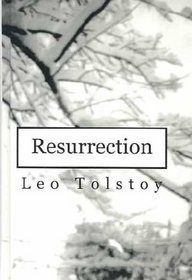
Resurrection PDF - ليو تولستوي
ليو تولستوي • مختارات تاريخية • ٥٦٢ الصفحات
(0)
اقتباس
مراجعة
حفظ
مشاركة
وصف الكتاب
Resurrection by Leo Tolstoy is a powerful Russian classic about guilt, moral awakening, justice, and the painful search for redemption. First published in 1899, it stands as Tolstoy’s third major long novel and one of the defining works of his later years, written after the author’s profound spiritual and philosophical transformation. In this deeply serious yet intensely human novel, Tolstoy turns from the vast historical canvas of War and Peace and the intimate emotional tragedy of Anna Karenina toward a story that examines conscience, social inequality, law, punishment, and the possibility of inner rebirth. (Encyclopedia Britannica)
A Story of Conscience, Guilt, and Moral Awakening
At the center of Resurrection is Prince Dmitri Ivanovich Nekhlyudov, an aristocrat whose comfortable life is disrupted when he serves on a jury and recognizes the accused woman before him: Katyusha Maslova, a woman he once wronged and abandoned. The encounter forces him to confront not only his personal guilt, but also the wider cruelty of a society built on privilege, indifference, and injustice. What begins as a courtroom drama becomes a profound novel of moral awakening, following Nekhlyudov as he tries to understand the consequences of his actions and search for a form of atonement that is more than words.
Tolstoy does not present redemption as easy or sentimental. Instead, he shows it as a difficult inner struggle that requires honesty, sacrifice, and a painful rejection of self-deception. Nekhlyudov’s journey is not simply about helping Maslova; it is about seeing the world differently. Through his growing awareness, the novel exposes the gap between social respectability and true morality, between legal judgment and genuine justice, between religious appearance and spiritual truth. This makes Resurrection one of Tolstoy’s most searching works for readers interested in classic literature, philosophical fiction, spiritual novels, and social criticism.
A Russian Classic About Justice and Society
One of the great strengths of Resurrection is the way Tolstoy expands a personal story into a broad critique of nineteenth-century Russian society. The novel moves through courtrooms, prisons, aristocratic drawing rooms, government offices, rural estates, and the world of the poor and condemned. Each setting reveals a different layer of injustice, showing how institutions that claim to preserve order may also protect hypocrisy, class privilege, and moral blindness. Britannica describes the novel’s hero as an idle aristocrat whose recognition of Maslova exposes his role in her suffering and begins his attempt at moral reparation. (Encyclopedia Britannica)
For readers searching for Resurrection by Leo Tolstoy summary, the essential premise is clear: a man of privilege recognizes the human cost of his past actions and begins a journey toward repentance. Yet the novel is much richer than a simple story of guilt. Tolstoy uses Nekhlyudov’s awakening to ask urgent questions about punishment, poverty, property, law, religion, and the responsibilities of the individual toward others. The result is a work that feels both historically rooted and enduringly relevant, especially for readers drawn to books about social justice, ethical responsibility, prison systems, class inequality, and spiritual transformation.
Tolstoy’s Later Vision and Spiritual Intensity
Leo Tolstoy wrote Resurrection after the major religious and ethical crisis that shaped his later life. In this period, Tolstoy became increasingly concerned with Christian morality, nonviolence, simplicity, and the rejection of worldly vanity. That later vision gives Resurrection its distinctive tone: urgent, direct, compassionate, and often sharply critical. While War and Peace is expansive and historical, and Anna Karenina is emotionally and psychologically intricate, Resurrection is more openly moral and reformist. It is a novel that wants to awaken the reader as much as its protagonist.
This does not mean the book is merely a sermon in fictional form. Tolstoy’s realism remains vivid throughout the novel. His eye for human weakness, self-justification, social performance, and everyday cruelty gives the story its lasting force. He shows how people hide behind rules, customs, uniforms, titles, and respectable language in order to avoid seeing the suffering they help create. At the same time, he gives serious attention to moments of kindness, remorse, endurance, and moral clarity. The title Resurrection therefore works on several levels: it suggests spiritual rebirth, the revival of conscience, and the possibility that a human being can become morally alive after years of selfishness and illusion.
Reading Experience and Literary Style
Readers who come to Resurrection after Tolstoy’s better-known masterpieces will find a novel that is more focused, more openly critical, and more spiritually charged. The plot is driven by Nekhlyudov’s attempt to repair the damage he has caused, but the emotional power of the book comes from its patient attention to conscience. Tolstoy is less interested in dramatic twists than in moral exposure: the slow process by which a person begins to see the truth about himself and the society around him.
The style combines realistic detail with philosophical reflection. Court procedures, prison conditions, official conversations, religious ceremonies, and aristocratic habits are rendered with a clarity that can be uncomfortable because it is so direct. Tolstoy’s satire is often severe, especially when he writes about institutions that speak the language of morality while failing to practice mercy. Yet the novel also contains tenderness and sorrow, particularly in its portrayal of people trapped by poverty, social judgment, and legal machinery. For readers who appreciate literary classics with ethical depth, Resurrection offers a demanding but rewarding experience.
Who Should Read Resurrection?
Resurrection by Leo Tolstoy is ideal for readers who enjoy serious classic novels that combine story, philosophy, and moral inquiry. It will appeal to those interested in Russian literature, nineteenth-century fiction, Christian moral thought, philosophical novels, and books that explore the relationship between personal sin and social injustice. Readers who admire Tolstoy for his psychological realism will find here a more austere but deeply passionate version of his art, one that turns its attention toward conscience and reform.
The novel is also valuable for readers interested in the history of ideas. Tolstoy’s later beliefs about property, punishment, state power, institutional religion, and human dignity shape the book’s atmosphere and arguments. The story remains accessible because it is anchored in a human relationship: Nekhlyudov’s recognition of Maslova and his attempt to respond to the suffering connected to his past. Around that central relationship, Tolstoy builds a wide moral landscape, asking whether true change is possible when individuals are surrounded by systems designed to excuse cruelty and preserve comfort.
A Lasting Novel of Redemption and Responsibility
More than a century after its publication, Resurrection remains one of Tolstoy’s most important works because it refuses to separate private morality from public injustice. It asks whether repentance has meaning if it does not lead to action, whether law can be called justice when it ignores compassion, and whether religious language has value without love and humility. These questions give the novel its enduring power and make it more than a historical artifact of Russian realism.
For readers looking for a classic novel about redemption, Resurrection by Leo Tolstoy offers a profound exploration of guilt, mercy, social conscience, and the struggle to live truthfully. It is a serious, challenging, and deeply humane work from one of the world’s great novelists, a book that invites the reader to look closely at the hidden costs of privilege, the failures of institutions, and the difficult possibility of moral renewal.
ليو تولستوي
ليو تولستوي هو أحد أعظم الروائيين والمفكرين في تاريخ الأدب العالمي، وكاتب روسي ارتبط اسمه بالرواية الواقعية الكبرى وبالأسئلة الأخلاقية والروحية التي تتجاوز حدود الزمن واللغة. وُلِد في أسرة أرستقراطية روسية، ونشأ في بيئة ريفية كان لها أثر عميق في خياله الأدبي ونظرته إلى الإنسان والطبيعة والعمل والحياة البسيطة. لم يكن تولستوي مجرد مؤلف روايات طويلة، بل كان صاحب مشروع إنساني واسع حاول من خلاله فهم معنى الوجود، ومصدر الخير، وحدود السلطة، وعلاقة الفرد بالمجتمع، وقيمة الضمير في مواجهة العنف والحرب والزيف الاجتماعي. اشتهر عالميا بروايتيه الكبيرتين «الحرب والسلام» و«آنا كارنينا»، وهما عملان يعدان من قمم الأدب العالمي، لأنهما يجمعان بين السرد الواسع، والتحليل النفسي العميق، وتصوير الحياة العائلية والاجتماعية، والتأمل في التاريخ والمصير الإنساني. في «الحرب والسلام» قدّم تولستوي صورة بانورامية للمجتمع الروسي في زمن الحروب النابليونية، ولم يكتف بوصف المعارك والسياسة، بل ركز على الإنسان العادي داخل الأحداث الكبرى، وعلى الطريقة التي تتشكل بها القرارات التاريخية من تداخل آلاف الإرادات والمصادفات. أما في «آنا كارنينا» فقد بلغ ذروة نادرة في تصوير العاطفة، والزواج، والخيانة، والغيرة، والضغط الاجتماعي، وصراع المرأة والرجل مع القيم السائدة والرغبة في حياة صادقة. يتميز أسلوب تولستوي بالوضوح والقوة والاتساع، فهو يكتب عن التفاصيل اليومية كما لو كانت مفاتيح لفهم الروح البشرية، ويمنح شخصياته حياة داخلية معقدة تجعل القارئ يشعر بأنها كائنات حقيقية لا مجرد أدوات في حبكة روائية. تظهر في أعماله موضوعات متكررة مثل البحث عن الحقيقة، ونقد الامتياز الطبقي، والتعاطف مع الفلاحين، والقلق من العنف، والإيمان بالبساطة، ورفض النفاق، والسعي إلى إصلاح الذات قبل إصلاح العالم. وفي مراحل لاحقة من حياته اتجه تولستوي بقوة إلى التفكير الديني والأخلاقي، فكتب نصوصا مؤثرة عن اللاعنف، والمقاومة السلمية، والزهد، ومعنى المسيحية العملية، وأثر ذلك في مفكرين وحركات اجتماعية حول العالم. إن مكانة تولستوي لا تقوم فقط على ضخامة أعماله أو شهرتها، بل على قدرته النادرة على الجمع بين الرواية والفلسفة، وبين العاطفة والتحليل، وبين جمال السرد وقسوة السؤال الأخلاقي. لذلك بقي اسمه حاضرا في قوائم أعظم الكتّاب، وتُقرأ أعماله في الجامعات والمكتبات ودور النشر بوصفها نصوصا مؤسسة في فهم الرواية الحديثة. ومن يقرأ تولستوي يجد أمامه كاتبا يرى أن الأدب ليس تسلية عابرة، بل وسيلة لكشف الإنسان أمام نفسه، وإعادة طرح الأسئلة الكبرى عن الحب، والموت، والأسرة، والإيمان، والحرب، والحرية، والعدالة. لقد ترك ليو تولستوي إرثا أدبيا وفكريا لا يزال مؤثرا في القراء والروائيين والباحثين، لأن كتابته تمنح العالم صورة واسعة ومؤلمة وجميلة عن الإنسان في ضعفه وقوته، وفي تناقضه ورغبته الدائمة في الخلاص والمعنى.
اكسب مكافآت أثناء القراءة!
كل 10 صفحات تقرؤها وتقضى فيها 30 ثانية تمنحك 5 نقاط مكافأة! واصل القراءة لفتح الإنجازات والمزايا الحصرية.
اقرأ
قيم الآن
5 نجوم
4 نجوم
3 نجوم
2 نجوم
1 نجوم
اقتباسات Resurrection
الأعلى تقييماً
الأحدث
اقتباس
كن أول من يترك اقتباسًا واكسب 10 نقاط
بدلاً من 3
'%20/%3e%3c/svg%3e "War and Peace")
التعليقات
كن أول من يترك تعليقًا واكسب 5 نقاط
بدلاً من 3