
صدر حديثًا
هذا الكتاب جديد وسيتم رفعه فور توفره لدينا وبعد الحصول على حقوق النشر اللازمة.
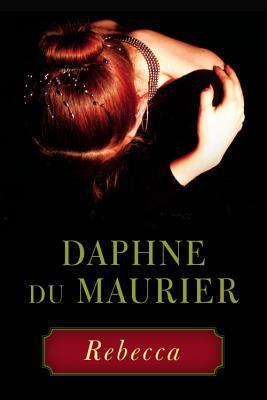
Rebecca PDF - دافني دو مورييه
دافني دو مورييه • روايات رومانسية • ١ الصفحات
(0)
اقتباس
مراجعة
حفظ
مشاركة
وصف الكتاب
Rebecca by Daphne du Maurier: A Haunting Classic of Gothic Suspense
Rebecca by Daphne du Maurier is one of the most enduring works of Gothic fiction, a psychological suspense novel first published in 1938 and widely recognized as a classic of twentieth-century literature. Set between the glamour of Monte Carlo and the shadowed grandeur of Manderley, a country estate on the Cornish coast, the novel follows a shy and inexperienced young woman whose sudden marriage to the wealthy widower Maxim de Winter draws her into a world shaped by secrets, memory, class, and emotional unease.
A Story Built Around Memory, Mystery, and Manderley
At the center of Rebecca is an unnamed narrator who begins the novel as a companion to an overbearing employer. Her life changes when she meets Maxim de Winter, a reserved and charismatic widower whose proposal seems to offer escape, romance, and social transformation. Yet when she arrives at Manderley as the new Mrs. de Winter, she discovers that the house is not simply a beautiful estate but a place dominated by the memory of Maxim’s first wife, Rebecca. Though Rebecca is dead before the story begins, her presence shapes nearly every room, every conversation, and every insecurity the narrator experiences.
Manderley is one of the great settings in classic literature: elegant, isolated, atmospheric, and deeply unsettling. The estate’s beauty is never separate from its menace. Its gardens, rooms, corridors, servants, routines, and social expectations all seem to preserve the image of Rebecca as if she had never truly disappeared. This gives the novel its distinctive power as both a Gothic romance and a psychological thriller, where the real haunting comes not from visible ghosts but from comparison, silence, and the emotional weight of the past.
The Shadow of Rebecca
One of the most compelling aspects of Daphne du Maurier’s Rebecca is that the title character dominates the novel without directly appearing in its present action. Rebecca exists through memory, rumor, objects, handwriting, domestic arrangements, and the devotion of those who refuse to let her vanish. To the young second Mrs. de Winter, Rebecca seems beautiful, confident, socially gifted, and impossible to equal. This imagined perfection becomes a source of fear and self-doubt, making the novel a powerful exploration of jealousy, identity, and the pressure placed on women to perform a role they did not create.
The narrator’s struggle is not only romantic but psychological. She must learn how to live in a house where everyone appears to remember another woman more vividly than they see her. Her insecurity is intensified by Mrs. Danvers, the severe and unforgettable housekeeper whose loyalty to Rebecca gives the novel some of its most chilling emotional tension. Through this dynamic, du Maurier creates suspense from ordinary domestic spaces, turning bedrooms, staircases, menus, letters, and social rituals into instruments of unease.
A Psychological Thriller with Gothic Elegance
Although Rebecca is often described as a Gothic novel, it is also a deeply modern study of anxiety, power, and perception. The novel uses the conventions of the grand house, the mysterious husband, the isolated young bride, and the hidden past, but it gives them unusual emotional complexity. The suspense grows gradually, not through constant action, but through atmosphere, suggestion, and the narrator’s increasing awareness that the story she has entered is far more complicated than she first understood.
Readers looking for a classic mystery novel, a literary psychological thriller, or a dark romantic suspense story will find that Rebecca blends these elements with remarkable control. The novel’s tension lies in what is unsaid as much as in what is revealed. Daphne du Maurier’s prose is elegant and immersive, with a strong sense of place and mood, allowing the reader to feel the pull of Manderley’s beauty while sensing the danger beneath it.
Themes of Identity, Class, Marriage, and Power
Beyond its memorable plot, Rebecca by Daphne du Maurier remains powerful because of the themes it explores. The novel examines the imbalance between a young, socially uncertain woman and the wealthy, older man she marries. It also explores how class and status shape behavior, especially within the formal world of English country-house life. The narrator is expected to become mistress of Manderley, but she lacks the confidence, training, and authority that others associate with Rebecca.
The novel also asks important questions about marriage and knowledge. How well can one person truly know another? What happens when love is shaped by secrecy? How does the past control the present when no one is willing to speak honestly about it? These questions give the book lasting relevance for readers interested in literary fiction about marriage, female identity, emotional manipulation, and the hidden structures of power within relationships.
Why Rebecca Continues to Captivate Readers
Part of the lasting appeal of Rebecca is its ability to feel both timeless and intimate. The novel has the grandeur of a classic Gothic tale, but its emotional core is rooted in feelings many readers recognize: insecurity, comparison, longing, fear of rejection, and the desire to belong. The narrator’s lack of a first name also deepens this effect, allowing her uncertainty and vulnerability to become central to the reading experience.
Daphne du Maurier’s skill lies in making atmosphere inseparable from psychology. Manderley is not just a backdrop; it is a living symbol of memory, status, beauty, decay, and control. Rebecca is not just an absent wife; she is an idea powerful enough to disturb the living. Maxim is not just a romantic figure; he is a man surrounded by silence and contradiction. Together, these elements create a novel that rewards both first-time readers and those returning to it with a deeper awareness of its structure and emotional tension.
For Readers Who Enjoy Classic Gothic and Literary Suspense
Rebecca is an ideal choice for readers who enjoy Gothic classics, psychological suspense, mystery fiction, and novels with richly drawn settings. It will especially appeal to readers interested in books like Jane Eyre, atmospheric country-house mysteries, literary thrillers centered on secrets, and stories where the emotional truth is revealed slowly through tension and implication. Its blend of romance, dread, mystery, and psychological insight makes it suitable for readers who want a novel that is both gripping and beautifully written.
This is also a valuable book for readers studying classic English literature, women’s writing, Gothic tradition, or twentieth-century fiction. Its themes of identity, jealousy, social performance, and the haunting power of the past continue to invite discussion, making it a popular choice for book clubs, literature courses, and readers who enjoy novels with layered interpretation.
A Lasting Masterpiece of Suspense and Atmosphere
Rebecca by Daphne du Maurier remains a landmark of Gothic suspense because it understands that the most powerful hauntings are often psychological. Through the unforgettable presence of Manderley, the mysterious legacy of Rebecca, and the fragile voice of the second Mrs. de Winter, the novel creates a world where beauty and fear exist side by side. It is a story of love shadowed by memory, identity shaped by comparison, and truth hidden beneath elegance.
For readers seeking a classic novel that combines emotional depth, mystery, atmosphere, and literary craftsmanship, Rebecca offers an absorbing and unforgettable reading experience. Daphne du Maurier’s masterpiece continues to fascinate because it is not only a story about a house, a marriage, or a dead woman’s influence. It is a novel about how the past survives, how silence controls the present, and how difficult it can be to step out from another person’s shadow.
دافني دو مورييه
دافني دو مورييه كاتبة وروائية بريطانية شهيرة، وُلدت عام 1907 وتُعد من أبرز أسماء الأدب الإنجليزي في القرن العشرين. اشتهرت بأسلوبها الغامض والمشوق الذي يمزج بين الرومانسية، الدراما النفسية، والتشويق القوطي. من أشهر أعمالها رواية Rebecca التي حققت نجاحًا عالميًا وتحولت إلى أفلام ومسرحيات. تميزت كتاباتها بقدرتها على تصوير الخوف، الأسرار، والصراعات الداخلية للشخصيات بأسلوب أدبي عميق ومؤثر.
الكتاب غير متاح حاليًا
هذا الكتاب غير متاح حاليًا للنشر. لقد حصلنا عليه من بموجب ترخيص المشاع الإبداعي، ولكن المؤلف أو دار النشر لم يمنحا الإذن بنشره.
قيم الآن
5 نجوم
4 نجوم
3 نجوم
2 نجوم
1 نجوم
اقتباسات Rebecca
الأعلى تقييماً
الأحدث
اقتباس
كن أول من يترك اقتباسًا واكسب 10 نقاط
بدلاً من 3
'%20/%3e%3c/svg%3e "Frenchman's Creek")
التعليقات
كن أول من يترك تعليقًا واكسب 5 نقاط
بدلاً من 3