

مصدر الكتاب
تم نشر هذا الكتاب بهدف النفع العام، وذلك بموجب رخصة المشاع الإبداعي، أو بناءً على موافقة من المؤلف أو دار النشر. في حال وجود أي اعتراض على النشر، يُرجى التواصل معنا لنتخذ الإجراء المناسب.
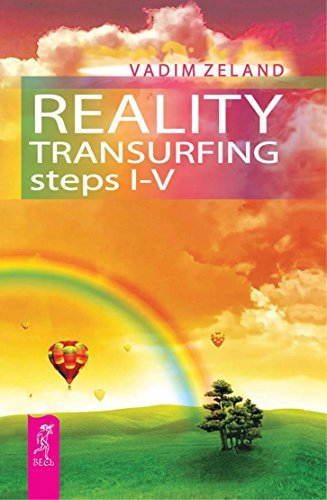
Reality Transurfing Steps I-V PDF - فاديم زيلاند
فاديم زيلاند • التنمية البشرية • ٧١٥ الصفحات
(0)
اقتباس
مراجعة
حفظ
مشاركة
وصف الكتاب
Reality Transurfing Steps I-V by Vadim Zeland is a distinctive and influential work of self-development, metaphysical philosophy, and conscious reality creation. Bringing together the first five stages of Zeland’s Reality Transurfing system, the book presents a bold approach to understanding how perception, intention, choice, and emotional energy may shape a person’s experience of life. Rather than offering a conventional motivational program, it introduces a complete worldview built around the idea that reality is not something to be fought, forced, or conquered, but something that can be navigated with awareness.
At the heart of the book is the concept of Transurfing, a method of moving through life with less resistance and greater alignment between the mind, the heart, and one’s chosen direction. Zeland invites readers to reconsider familiar ideas about success, desire, struggle, and personal power. Instead of pushing aggressively toward goals, the book suggests that people often create unnecessary obstacles through fear, excessive importance, inner conflict, and attachment to outcomes. By learning to reduce resistance and act from a calmer form of intention, readers are encouraged to approach reality as a field of possibilities rather than a fixed path.
A Complete Introduction to the Reality Transurfing System
This edition, Steps I-V, is especially valuable for readers who want a broad and structured entry into Vadim Zeland’s teachings. Across its five steps, the book explores many of the core ideas associated with Reality Transurfing, including the space of variations, pendulums, intention, balance, the unity of heart and mind, and the ability to choose a preferred life track. These ideas are presented in a style that blends spiritual reflection, practical observation, and imaginative metaphors, making the book appealing to readers who enjoy deep, unconventional approaches to personal growth.
One of the most recognizable concepts in the book is the idea of pendulums: social, emotional, and mental structures that feed on human attention and energy. Zeland uses this concept to explain why people can become trapped in conflict, worry, comparison, social pressure, or repetitive negative patterns. Whether the pendulum appears as fear, public opinion, workplace tension, consumer culture, or personal drama, the lesson is similar: when a person reacts automatically, they give away attention and inner freedom. Transurfing teaches readers to observe these influences, step back from unnecessary involvement, and recover the ability to choose their response.
Intention, Choice, and the Art of Moving with Reality
A central theme of Reality Transurfing Steps I-V is the difference between anxious desire and clear intention. Desire, in Zeland’s system, can easily become overloaded with importance. When something feels too urgent, too fragile, or too essential to one’s identity, the mind begins to create pressure and imbalance. The book argues that this pressure can distort perception and lead to actions driven by fear rather than clarity. Intention, by contrast, is presented as a steadier inner movement: a decision to move toward a chosen reality without desperate attachment.
This makes the book particularly relevant for readers interested in manifestation, the law of attraction, mindset, spiritual growth, and personal transformation, while also looking for a system that goes beyond simple positive thinking. Zeland does not merely tell readers to visualize success or repeat affirmations. Instead, he builds a larger framework for understanding attention, energy, expectations, and behavior. The result is a reading experience that feels both mystical and practical: mystical in its language of possible realities and life tracks, practical in its emphasis on reducing stress, observing reactions, and acting with calm purpose.
Mind and Heart in Alignment
Another important part of the book is the relationship between the mind and the heart. Zeland suggests that people often experience difficulty not because they lack ambition, but because their inner life is divided. The mind may chase goals based on social approval, fear, or logic alone, while the heart may quietly resist. When the mind and heart are out of harmony, progress can feel exhausting, confused, or empty. When they are aligned, action becomes more natural, and the path ahead can feel less forced.
For this reason, Reality Transurfing Steps I-V speaks strongly to readers who are questioning the direction of their lives, reconsidering their goals, or searching for a more intuitive way to make decisions. It encourages a kind of inner listening that does not reject reason but asks reason to cooperate with deeper feeling. The book’s approach can be especially meaningful for people who feel overwhelmed by constant striving and want a more balanced relationship with ambition, success, and personal fulfillment.
A Thought-Provoking Reading Experience
Vadim Zeland’s writing is known for being unusual, philosophical, and sometimes challenging. Readers should expect a book that asks them to think differently about everyday life. Reality Transurfing Steps I-V is not a quick collection of simple tips; it is a substantial exploration of a complete metaphysical model. Its ideas unfold gradually, often through repeated themes and layered explanations. For some readers, this creates a powerful sense of immersion. For others, it may require patience, reflection, and a willingness to engage with concepts that sit outside mainstream psychology or traditional self-help.
The book’s strength lies in the way it gives language to experiences many people recognize: being pulled into conflict, giving too much importance to a problem, feeling trapped by expectations, chasing goals that do not truly feel alive, or noticing that life seems to respond differently when one’s inner state changes. Zeland transforms these observations into a symbolic system that readers can use to interpret their own patterns. Whether approached as spiritual philosophy, a mindset practice, or a reflective guide to conscious living, the book offers a rich vocabulary for understanding the relationship between inner state and outer experience.
Who Should Read Reality Transurfing Steps I-V?
Reality Transurfing Steps I-V is well suited for readers who enjoy books about consciousness, manifestation, metaphysics, emotional freedom, self-mastery, and alternative approaches to success. It may appeal to those who have already explored authors and ideas connected with the law of attraction, creative visualization, mindfulness, or spiritual self-development, but who want a more expansive and original system. It is also a strong choice for readers who are drawn to philosophical self-help books that challenge ordinary assumptions about control, effort, and destiny.
The book can be especially useful for people who feel that constant struggle has not brought the clarity or satisfaction they expected. Zeland’s approach does not encourage passivity, but it does question the habit of forcing life through tension. It invites readers to act, choose, and move forward, while releasing the excess importance and emotional noise that often make goals feel heavier than they need to be. In this sense, the book offers both a theory of reality and a practice of inner balance.
A Distinctive Guide to Personal Transformation
What makes Reality Transurfing Steps I-V by Vadim Zeland stand apart is its combination of imagination, structure, and psychological insight. Its language may be esoteric, but many of its practical concerns are familiar: how to stop reacting to negativity, how to avoid being controlled by fear, how to choose goals that genuinely fit, how to trust one’s direction, and how to move through life with less resistance. The book encourages readers to become more aware of where their attention goes, what they give power to, and how they participate in shaping their own experience.
For anyone interested in Reality Transurfing, this volume offers a comprehensive foundation. It introduces the essential principles of Zeland’s system and gives readers a wide-ranging map for exploring reality, intention, and personal choice. Thoughtful, unconventional, and deeply reflective, Reality Transurfing Steps I-V remains a compelling book for readers who want to examine life from a new angle and explore the possibility that changing one’s relationship with reality may be the first step toward changing reality itself.
فاديم زيلاند
فاديم زيلاند هو مؤلف روسي معاصر اشتهر عالميًا بكتاباته في مجال تطوير الذات والوعي والروحانية العملية، ويُعرف خصوصًا بوصفه صاحب منظومة Reality Transurfing أو «الترانسيرفينغ الواقعي»، وهي سلسلة كتب تجمع بين لغة التأمل الفلسفي، ومفردات التنمية الذاتية، واستعارات قريبة من الفيزياء الحديثة، وفكرة أن الإنسان يستطيع أن يغيّر علاقته بالواقع من خلال الوعي والاختيار وإدارة الانتباه. يظهر اسمه في بعض المواقع والبحث الإلكتروني بصيغة Vadim Zeeland، لكن التهجئة الأكثر شيوعًا في طبعات كتبه وترجماتها هي Vadim Zeland. تحيط بشخصيته درجة واضحة من الغموض، لأنه لا يقدّم سيرة شخصية مطولة ولا يظهر عادةً بوصفه نجمًا إعلاميًا في مجال التنمية الذاتية. تشير نبذته العامة إلى أنه عمل قبل انهيار الاتحاد السوفييتي في أبحاث ذات صلة بالفيزياء الكمية، ثم في تقنيات الحاسوب، قبل أن يتجه إلى الكتابة، كما يذكر أنه يعيش في روسيا ويفضل أن تظل حياته الشخصية بعيدة عن الاهتمام العام. هذا الغموض جعل حضوره مختلفًا عن كثير من مؤلفي كتب التحفيز؛ فالقارئ لا يواجه في كتبه قصة نجاح شخصية تقليدية، بل يواجه منظومة مصطلحات ورموز تحاول تفسير طريقة اشتغال الواقع من منظور الاختيار والنية والطاقة النفسية. أهم أعمال فاديم زيلاند هي سلسلة Reality Transurfing: Steps I–V، التي تضم عناوين مثل The Space of Variations أو «فضاء الاحتمالات»، وA Rustle of Morning Stars أو «حفيف نجوم الصباح»، وForward to the Past أو «إلى الماضي قدمًا»، وRuling Reality أو «إدارة الواقع»، وApples Fall to the Sky أو «التفاح يسقط نحو السماء». تقوم الفكرة المركزية في الترانسيرفينغ على أن الواقع ليس طريقًا واحدًا جامدًا، بل فضاء من الاحتمالات أو «خطوط الحياة»، وأن الإنسان لا يحتاج دائمًا إلى مقاومة الواقع بالقوة أو القلق أو التعلق المفرط، بل يستطيع أن يتعامل معه عبر النية، والهدوء الداخلي، وتقليل الأهمية الزائدة، وتوجيه الانتباه، والانسجام بين ما يسميه زيلاند «الروح والعقل». من أبرز مفاهيمه كذلك مفهوم «البندولات»، وهي عنده بنى جماعية أو أنظمة اجتماعية ونفسية تمتص طاقة الإنسان من خلال الخوف أو الصراع أو الانفعال أو الانجرار وراء الرأي العام. لذلك يدعو زيلاند القارئ إلى مراقبة ما يستهلك انتباهه، وما يبالغ في أهميته، وما يجعله يفقد حريته الداخلية. تمتد أعماله الأخرى إلى كتب مثل Transurfing in 78 Days أو «الترانسيرفينغ في 78 يومًا»، وTufti the Priestess أو «توفتي الكاهنة»، وPriestess Itfut أو «الكاهنة إتفوت»، وهي كتب توسع عالمه الرمزي وتقدم أفكاره في صيغ أكثر تطبيقية أو تخييلية. لا تُقرأ أعماله بوصفها علمًا أكاديميًا مثبتًا، بل بوصفها أدبيات روحانية وتنموية تستخدم المجاز العلمي لبناء نموذج شخصي للتفكير والاختيار. لذلك تناسب كتبه القراء المهتمين بقانون الجذب، والوعي، والنية، والحرية الداخلية، وإدارة الواقع الشخصي، وكذلك من يبحثون عن نصوص غير تقليدية تجمع بين الفلسفة الشعبية، والتأمل، والتدريب الذهني، والأسئلة الوجودية حول كيفية عيش الحياة بوعي أكبر.
.
اكسب مكافآت أثناء القراءة!
كل 10 صفحات تقرؤها وتقضى فيها 30 ثانية تمنحك 5 نقاط مكافأة! واصل القراءة لفتح الإنجازات والمزايا الحصرية.
اقرأ
قيم الآن
5 نجوم
4 نجوم
3 نجوم
2 نجوم
1 نجوم
اقتباسات Reality Transurfing Steps I-V
الأعلى تقييماً
الأحدث
اقتباس
كن أول من يترك اقتباسًا واكسب 10 نقاط
بدلاً من 3
'%20/%3e%3c/svg%3e "The Space of Variations")
التعليقات
كن أول من يترك تعليقًا واكسب 5 نقاط
بدلاً من 3