

مصدر الكتاب
تم نشر هذا الكتاب بهدف النفع العام، وذلك بموجب رخصة المشاع الإبداعي، أو بناءً على موافقة من المؤلف أو دار النشر. في حال وجود أي اعتراض على النشر، يُرجى التواصل معنا لنتخذ الإجراء المناسب.
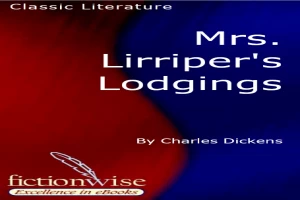
Mrs. Lirriper's Lodgings PDF - تشارلز ديكنز
تشارلز ديكنز • روايات أدبية • ٥١ الصفحات
(0)
اقتباس
مراجعة
حفظ
مشاركة
وصف الكتاب
Mrs. Lirriper’s Lodgings by Charles Dickens is a warm, humorous, and deeply humane work of Victorian fiction centered on the unforgettable voice of Mrs. Emma Lirriper, a widowed London lodging-house keeper whose modest home becomes a stage for memory, hardship, kindness, and domestic comedy. Set around Norfolk Street, Strand, the story draws readers into the world of furnished rooms, passing lodgers, social pressures, personal griefs, and unexpected bonds, all filtered through the generous and talkative personality of a woman who has learned to survive by working hard, observing closely, and keeping her heart open.
This classic Dickens piece offers a smaller and more intimate reading experience than the author’s large social novels, yet it carries many of the qualities that make Charles Dickens’s writing enduring: vivid characterization, comic exaggeration, moral feeling, memorable speech, and a compassionate eye for ordinary people. Instead of focusing on grand adventure or elaborate intrigue, Mrs. Lirriper’s Lodgings builds its power through domestic detail and emotional truth. The lodging house is not merely a place where rooms are rented; it is a living social world where strangers arrive with secrets, sorrows, vanities, weaknesses, and stories of their own.
A Victorian Lodging House Filled with Character and Feeling
At the heart of the book is Mrs. Lirriper, a widow who has made her living by letting lodgings after the death of her husband. Her narration is lively, affectionate, and full of comic digressions, giving the story the feeling of a personal conversation. She speaks directly, warmly, and often amusingly, turning the practical worries of rent, servants, unreliable tenants, and neighborhood rivalry into a rich portrait of everyday life in Victorian London. Through her voice, Dickens transforms a modest business into a place of emotional significance, where every room has a history and every visitor leaves some mark behind.
One of the great pleasures of Mrs. Lirriper’s Lodgings is the way Dickens captures the rhythm of spoken storytelling. Mrs. Lirriper’s language is full of energy, repetition, personal opinion, and sudden tenderness. Her observations may begin with comic complaints about lodgers, servants, or competitors, but they often lead to something more moving: a memory of loss, an act of kindness, or a reflection on what people owe one another. This balance between humor and sentiment is central to the book’s appeal and makes it especially rewarding for readers who enjoy classic English literature with both wit and emotional depth.
Themes of Compassion, Home, and Chosen Family
Although the story is often light and comic in tone, Mrs. Lirriper’s Lodgings is also a touching exploration of loneliness, responsibility, and the families people create beyond blood ties. Mrs. Lirriper has suffered loss and disappointment, yet she does not become bitter. Instead, she becomes protective, practical, and deeply sympathetic toward those who are vulnerable. Her lodging house becomes a kind of refuge, especially for people whose circumstances reveal the fragility of respectability and security in Victorian society.
The book’s emotional center grows around Mrs. Lirriper’s relationship with Major Jemmy Jackman and the child Jemmy. The Major, one of Dickens’s charming comic gentlemen, brings loyalty, theatrical dignity, and affectionate companionship into Mrs. Lirriper’s life. Together, they help create an atmosphere of care that gives the story its lasting warmth. The arrival and upbringing of young Jemmy adds another layer of tenderness, showing how love can enter a life unexpectedly and transform an ordinary household into a true home.
Through these relationships, Dickens examines chosen family, moral duty, and everyday heroism. Mrs. Lirriper is not heroic in a dramatic or public sense; her heroism lies in her patience, her honesty, her readiness to help, and her refusal to turn away from suffering. This makes the book especially meaningful for readers interested in Dickens’s social vision, because it shows how compassion can exist within the small rooms and narrow streets of ordinary life.
Dickens’s Humor in a More Intimate Form
Readers who enjoy Dickens for his comic characters will find much to appreciate in Mrs. Lirriper’s Lodgings. The story contains sharp observations about lodging-house competition, troublesome servants, eccentric tenants, and the rituals of urban respectability. Mrs. Lirriper’s rivalry with Miss Wozenham, her commentary on the business of letting rooms, and her practical knowledge of human behavior all give the work a bright comic texture. Dickens’s humor often comes from excess: characters speak too formally, react too dramatically, or reveal too much without realizing it. Yet beneath the comedy there is always sympathy.
The result is a story that feels both entertaining and emotionally grounded. Dickens invites readers to laugh at human oddity without despising human weakness. Mrs. Lirriper’s world is full of difficult people, but her narration rarely loses its underlying kindness. Even when she criticizes, she does so from the perspective of someone who has lived long enough to understand that everyone carries some burden. This is one reason Mrs. Lirriper’s Lodgings remains appealing to readers of Victorian literature, classic short fiction, and Charles Dickens Christmas stories.
A Reading Experience Rich in Voice and Atmosphere
The atmosphere of Mrs. Lirriper’s Lodgings is domestic, conversational, and warmly nostalgic. Dickens gives readers the sense of sitting beside Mrs. Lirriper as she opens her memory and describes the people who have passed through her rooms. The setting is compact, but the emotional range is wide. Within the walls of the lodging house, the story touches on marriage, widowhood, poverty, respectability, abandonment, motherhood, childhood, aging, and the comfort of companionship.
Because the book is shorter and more focused than Dickens’s major novels, it is an accessible choice for readers who want to experience his style without beginning with a long work such as Bleak House, David Copperfield, or Our Mutual Friend. At the same time, it offers enough richness to satisfy readers already familiar with Dickens’s larger fictional world. Its charm lies in its scale: it is a small story with a large heart, a domestic sketch that reveals the emotional complexity of ordinary lives.
Who Should Read Mrs. Lirriper’s Lodgings?
Mrs. Lirriper’s Lodgings is ideal for readers who enjoy classic literature, Victorian London settings, character-driven storytelling, and fiction that combines humor with tenderness. It will appeal to those interested in Dickens’s shorter works, his Christmas writing, and his portraits of humble but morally strong characters. Readers who appreciate stories about found family, social observation, and the dignity of everyday kindness will find the book especially rewarding.
It is also a valuable read for students and general readers exploring Charles Dickens’s themes on a smaller scale. Many of Dickens’s major concerns appear here in concentrated form: the vulnerability of women, the insecurity of urban life, the importance of moral responsibility, and the emotional power of home. Through Mrs. Lirriper, Dickens shows that wisdom is not limited to the educated or wealthy; it can be found in the voice of a working widow who has endured hardship and still chooses generosity.
A Tender and Memorable Dickens Classic
Mrs. Lirriper’s Lodgings by Charles Dickens is a graceful, funny, and moving work that captures the warmth of human connection inside the practical world of a London lodging house. Its lasting appeal comes from Mrs. Lirriper herself: observant, talkative, flawed, affectionate, and deeply kind. She is one of those Dickensian figures who seems to live beyond the page, not because she dominates a vast plot, but because her voice feels so immediate and human.
For readers seeking a short classic by Charles Dickens, a compassionate portrait of Victorian domestic life, or a story filled with humor, pathos, and memorable characterization, Mrs. Lirriper’s Lodgings offers a rewarding and heartfelt reading experience. It reminds us that even the most ordinary rooms can hold extraordinary stories, and that kindness, once given freely, can turn a house of lodgings into a place of lasting love.
تشارلز ديكنز
اكسب مكافآت أثناء القراءة!
كل 10 صفحات تقرؤها وتقضى فيها 30 ثانية تمنحك 5 نقاط مكافأة! واصل القراءة لفتح الإنجازات والمزايا الحصرية.
اقرأ
قيم الآن
5 نجوم
4 نجوم
3 نجوم
2 نجوم
1 نجوم
اقتباسات Mrs. Lirriper's Lodgings
الأعلى تقييماً
الأحدث
اقتباس
كن أول من يترك اقتباسًا واكسب 10 نقاط
بدلاً من 3
'%20/%3e%3c/svg%3e "A tale of two cities")
التعليقات
كن أول من يترك تعليقًا واكسب 5 نقاط
بدلاً من 3