

مصدر الكتاب
تم نشر هذا الكتاب بهدف النفع العام، وذلك بموجب رخصة المشاع الإبداعي، أو بناءً على موافقة من المؤلف أو دار النشر. في حال وجود أي اعتراض على النشر، يُرجى التواصل معنا لنتخذ الإجراء المناسب.
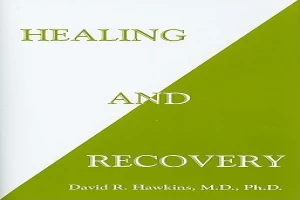
Healing and Recovery PDF - ديفيد هوكينز
ديفيد هوكينز • التنمية البشرية • ٥١٣ الصفحات
(0)
المؤلف
ديفيد هوكينزالفئة
علوم اجتماعيةالقسم
عدد التنزيلات
٢٦٦
عدد القراءات
٢٧٠
حجم الملف
17.35 MB
المشاهدات
٥٬٩٧٩
اقتباس
مراجعة
حفظ
مشاركة
وصف الكتاب
Healing and Recovery by David R. Hawkins is a thoughtful and spiritually grounded exploration of healing as a process that involves the whole person: body, mind, emotions, and consciousness. Rather than treating recovery as a narrow physical or behavioral issue, Hawkins presents healing as a deeper movement toward inner balance, self-awareness, surrender, and spiritual growth. The book is especially relevant for readers searching for a holistic healing book, a guide to emotional recovery, or a consciousness-based approach to overcoming suffering, stress, addiction, fear, pain, and long-standing inner patterns.
Based on lectures originally presented to recovery organizations and clinicians, Healing and Recovery brings together Hawkins’s clinical background, his work on human consciousness, and his spiritual perspective on the causes of suffering and the possibilities of transformation. The book was published by Hay House and is presented as a substantial work on recovery in its fullest sense, addressing mental, physical, psychological, and spiritual dimensions of health.
A Holistic View of Healing and Wholeness
At the heart of Healing and Recovery is the idea that to heal is not simply to remove symptoms, but to become whole. Hawkins distinguishes between treating a condition and healing the person, suggesting that genuine recovery requires attention to the inner life as well as the outer problem. This makes the book valuable for readers who are not only looking for relief, but also asking deeper questions about why suffering persists, how consciousness affects health, and what role spiritual practice can play in recovery.
The book speaks to people facing many forms of difficulty, including stress, anxiety, fear, pain, depression, addiction, and emotional distress. Hawkins approaches these topics through a combination of clinical insight and spiritual teaching, encouraging readers to look beyond purely external explanations and to examine the beliefs, emotions, resistance, and unconscious patterns that may contribute to suffering. His approach is not a replacement for medical care or professional support, but it offers a complementary framework for readers interested in mind-body healing, spiritual recovery, and the inner work that can support lasting change.
Recovery Beyond Symptoms
One of the strengths of Healing and Recovery is its broad understanding of recovery. Hawkins does not limit recovery to addiction, although the book is highly relevant for readers interested in alcoholism, drug addiction, compulsive behavior, and other forms of dependency. Instead, he presents recovery as a universal human process: the movement from fear toward courage, from resistance toward acceptance, and from inner conflict toward peace.
This makes the book appealing to readers who are healing from illness, emotional pain, grief, shame, fear, or destructive habits. Hawkins’s writing invites readers to consider how the ego, unresolved emotions, and limiting beliefs may shape their experience of pain and suffering. By emphasizing surrender, spiritual alignment, and the release of inner resistance, the book connects personal healing with a larger path of consciousness and self-transcendence.
Consciousness, Spiritual Practice, and Inner Transformation
Readers familiar with David R. Hawkins’s other works, including his writings on consciousness and spiritual development, will recognize many of the themes that appear in Healing and Recovery. Hawkins is known for connecting psychology, spirituality, and consciousness research, and this book applies those concerns directly to health, suffering, and recovery. His perspective encourages readers to see healing not only as a physical or emotional event, but as an expansion of awareness.
The book gives particular importance to spiritual practice as part of the healing process. Hawkins explores how prayer, surrender, forgiveness, acceptance, and devotion can help shift the inner state from contraction to openness. For readers seeking a spiritual healing book that is serious, reflective, and connected to practical human struggles, Healing and Recovery offers a rich and contemplative path. It does not present spirituality as a vague idea, but as a disciplined way of transforming one’s relationship to pain, fear, and limitation.
A Guide for Readers Facing Stress, Addiction, and Emotional Pain
Healing and Recovery is especially useful for readers who feel that ordinary solutions have not fully addressed the depth of their suffering. Many people search for healing books because they are dealing with anxiety, chronic stress, addictive patterns, grief, physical illness, emotional exhaustion, or a sense of being stuck. Hawkins speaks directly to that kind of search by offering a model of recovery that includes the emotional and spiritual roots of distress.
The book’s value lies in its ability to help readers reframe their challenges. Instead of seeing pain only as an enemy, Hawkins encourages a more compassionate and conscious response. Instead of fighting symptoms with fear, the reader is invited to observe the inner mechanisms of resistance, attachment, guilt, anger, denial, and despair. This approach gives the book a reflective and meditative quality, making it suitable for slow reading, personal study, recovery groups, spiritual practice, or anyone seeking a deeper understanding of the healing journey.
The Reading Experience
The style of Healing and Recovery is serious, expansive, and teaching-oriented. Because the material comes from Hawkins’s lecture-based work, the book often feels like a direct transmission of ideas rather than a conventional self-help manual. Readers should expect a blend of psychological insight, spiritual reflection, and practical guidance rather than a simple step-by-step program. This makes the book particularly rewarding for those who enjoy contemplative nonfiction, spiritual psychology, consciousness studies, and books that connect healing with inner awakening.
Hawkins’s approach can be especially meaningful for readers who appreciate books about surrender, spiritual growth, self-healing, recovery from addiction, and the transformation of consciousness. His writing asks the reader to participate actively, not just intellectually but inwardly. The book encourages observation of one’s own emotions, motives, fears, and attachments, making it a valuable companion for anyone engaged in therapy, recovery work, meditation, prayer, or personal transformation.
Who Should Read Healing and Recovery?
Healing and Recovery is a strong choice for readers interested in self-healing methods, spiritual recovery, emotional healing, and the relationship between consciousness and health. It may appeal to people recovering from addiction, readers navigating illness or emotional suffering, practitioners interested in holistic approaches, and longtime readers of David R. Hawkins who want to understand how his teachings apply to health and recovery. The book is also relevant for those drawn to mind-body-spirit literature, recovery-focused spirituality, and personal growth books that go beyond surface-level motivation.
It is important to approach the book with discernment, especially when reading about health-related topics. Hawkins’s perspective is best understood as a spiritual and consciousness-based contribution to healing, not as a substitute for medical diagnosis, professional treatment, therapy, or emergency care. For many readers, its greatest value will be found in the inner practices it encourages: acceptance, surrender, responsibility, compassion, and a willingness to release the emotional patterns that intensify suffering.
Why Healing and Recovery Remains Meaningful
The continuing appeal of Healing and Recovery comes from its depth. Many books about health focus on symptoms, habits, or techniques, while Hawkins asks the reader to look at the entire structure of human suffering. He connects recovery with consciousness, healing with wholeness, and personal pain with the possibility of spiritual growth. This wider vision gives the book a lasting relevance for readers who want more than temporary relief; they want insight, meaning, and a path toward inner freedom.
For anyone searching for a David R. Hawkins healing book, a thoughtful work on addiction recovery and consciousness, or a spiritually informed guide to becoming whole, Healing and Recovery offers a profound and challenging reading experience. It invites the reader to consider that healing is not only something that happens to the body or mind, but something that unfolds through a change in awareness, a release of resistance, and a deeper willingness to live from peace, truth, and spiritual surrender.
ديفيد هوكينز
الدكتور ديفيد ر. هوكينز هو ديفيد رامون هوكينز، طبيب نفسي وطبيب وباحث ومحاضر ومؤلف أمريكي في مجالات الوعي والروحانية والتنمية الداخلية، اشتهر عالميًا بكتابيه «القوة في مواجهة الإكراه: المحددات الخفية للسلوك الإنساني» و**«التخلي: طريق التسليم». وُلِد في ميلووكي بولاية ويسكونسن في 3 يونيو 1927، وتوفي في سيدونا بولاية أريزونا في 19 سبتمبر 2012، وقد جمع في مسيرته بين الطب النفسي السريري والكتابة الروحية ومحاولة بناء لغة تربط بين التجربة الداخلية والسلوك الإنساني. تشير سيرته الرسمية إلى أنه عمل مديرًا طبيًا لمركز North Nassau Mental Health Center بين عامي 1956 و1980، ومديرًا للأبحاث في Brunswick Hospital بين عامي 1968 و1979، وهي مرحلة منحت كتاباته خلفية إكلينيكية واضحة في التعامل مع الألم النفسي، الإدمان، القلق، الصراع الداخلي، وأسئلة الشفاء العاطفي. كما شارك عام 1973 مع العالم الحائز على نوبل لينوس بولنغ في تأليف كتاب Orthomolecular Psychiatry، وهو عمل ارتبط بمرحلة من الاهتمام بالعلاج النفسي والبيولوجيا والتغذية ضمن سياقات طبية وفكرية واسعة. يقدّم هوكينز في كتبه أسلوبًا يجمع بين اللغة التأملية والتحليل النفسي والفلسفة الدينية، لذلك يجد قراؤه في أعماله مادة تناسب الباحثين عن كتب الوعي، كتب الشفاء الداخلي، كتب الروحانية العملية، كتب التأمل، وكتب تطوير الذات العميقة. في «القوة في مواجهة الإكراه» يطرح فكرته عن خريطة الوعي باعتبارها إطارًا رمزيًا لفهم انتقال الإنسان من الخوف والذنب والغضب إلى الشجاعة والحب والسلام، مع التأكيد على أن هذا الإطار ينتمي إلى منظومته الفكرية والروحية الخاصة، ولا ينبغي التعامل معه كبديل عن الطب أو العلاج النفسي المتخصص. أما في «التخلي: طريق التسليم» فيركّز على آلية ترك المقاومة الداخلية والسماح للمشاعر بأن تُرى وتتحرر دون قمع أو تبرير، ولهذا أصبح الكتاب من أكثر أعماله حضورًا بين قراء التنمية الروحية والشفاء العاطفي. تمتاز كتابة ديفيد ر. هوكينز بنبرة تعليمية هادئة، وبمحاولة مستمرة لتبسيط قضايا معقدة مثل الأنا، الوعي، الحقيقة، المعاناة، الصفح، الصلاة، المحبة، والطمأنينة. ومن أعماله المعروفة أيضًا The Eye of the I، وI: Reality and Subjectivity**، وTruth vs. Falsehood، وTranscending the Levels of Consciousness، وHealing and Recovery، وهي كتب تواصل مشروعه في شرح مسار التحول الداخلي والبحث عن معنى روحي للحياة اليومية. أسّس هوكينز Institute for Spiritual Research عام 1983، كما أسّس Path of Devotional Nonduality عام 2003، وتذكر سيرته أنه حاضر في مؤسسات ومراكز متعددة، وأن أعماله تُرجمت إلى لغات عديدة وجذبت جمهورًا واسعًا من القراء والباحثين عن المعنى. وبالنسبة إلى موقع كتب، يمكن تقديم ديفيد ر. هوكينز بوصفه مؤلفًا مؤثرًا في تقاطع الطب النفسي والروحانية الحديثة، وكاتبًا يهم القراء الذين يبحثون عن فهم النفس، تحرير المشاعر، الوعي، السلام الداخلي، والمعنى الأعمق للسلوك الإنساني.
اكسب مكافآت أثناء القراءة!
كل 10 صفحات تقرؤها وتقضى فيها 30 ثانية تمنحك 5 نقاط مكافأة! واصل القراءة لفتح الإنجازات والمزايا الحصرية.
اقرأ
قيم الآن
5 نجوم
4 نجوم
3 نجوم
2 نجوم
1 نجوم
اقتباسات Healing and Recovery
الأعلى تقييماً
الأحدث
اقتباس
كن أول من يترك اقتباسًا واكسب 10 نقاط
بدلاً من 3
كتب أخرى لـ ديفيد هوكينز
'%20/%3e%3c/svg%3e "The Eye of the I: From Which Nothing is Hidden")
ديفيد هوكينز.
التنمية البشرية
(0)
6546
الإنجليزية
التعليقات
كن أول من يترك تعليقًا واكسب 5 نقاط
بدلاً من 3