

مصدر الكتاب
تم نشر هذا الكتاب بهدف النفع العام، وذلك بموجب رخصة المشاع الإبداعي، أو بناءً على موافقة من المؤلف أو دار النشر. في حال وجود أي اعتراض على النشر، يُرجى التواصل معنا لنتخذ الإجراء المناسب.
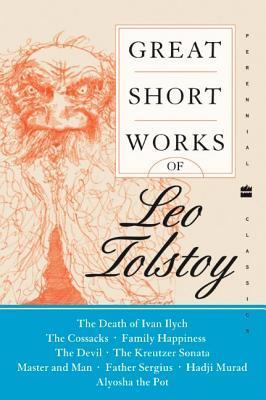
Great Short Works of Leo Tolstoy PDF - ليو تولستوي
ليو تولستوي • أدب • ٧٢٠ الصفحات
(0)
اقتباس
مراجعة
حفظ
مشاركة
وصف الكتاب
Great Short Works of Leo Tolstoy by Leo Tolstoy
Great Short Works of Leo Tolstoy brings together some of the finest shorter fiction by Leo Tolstoy, one of the central figures of Russian literature and world classics. Best known for the monumental novels War and Peace and Anna Karenina, Tolstoy also wrote shorter works of remarkable depth, intensity, and moral power. This collection offers readers a concentrated way to experience his genius without beginning with his longest novels, presenting stories and novellas that explore love, marriage, death, faith, desire, pride, social status, spiritual crisis, and the difficult search for truth.
This edition includes major Tolstoy works such as Family Happiness, The Cossacks, The Death of Ivan Ilych, The Devil, The Kreutzer Sonata, Master and Man, Father Sergius, Hadji Murad, and Alyosha the Pot, making it a valuable collection for readers who want a broad introduction to Tolstoy’s shorter masterpieces. (Barnes & Noble) Each piece reveals a different side of Tolstoy’s imagination, from intimate domestic drama to philosophical fiction, from psychological realism to stories shaped by questions of morality, sacrifice, and human weakness.
A Powerful Introduction to Tolstoy’s Short Fiction
For readers discovering Leo Tolstoy books for the first time, Great Short Works of Leo Tolstoy is an excellent entry point into his literary world. The collection shows Tolstoy’s extraordinary ability to capture the inner life of ordinary and extraordinary people alike. His characters often stand at moments of decision, temptation, regret, or awakening, and through them Tolstoy examines the pressures of society, the illusions of success, the fragility of happiness, and the mystery of human conscience.
Unlike a simple anthology of short stories, this book presents works that often feel as rich and complete as novels. Tolstoy’s shorter fiction has the scope of great literature compressed into more focused narratives, allowing readers to experience his moral seriousness, psychological insight, and narrative clarity in a direct and memorable form. The result is a collection that appeals both to students of classic Russian literature and to general readers looking for meaningful, emotionally powerful fiction.
Themes of Life, Death, Love, and Moral Awakening
One of the central strengths of Great Short Works of Leo Tolstoy is the variety of human experience it contains. In stories concerned with love and marriage, Tolstoy looks beyond romance to examine expectation, disappointment, loyalty, jealousy, and the changing nature of affection over time. In works centered on death and spiritual reckoning, he asks what gives life meaning when social success, wealth, and reputation are stripped away. In tales of pride, temptation, and ambition, he reveals how easily human beings can deceive themselves while believing they are acting reasonably.
Tolstoy’s fiction is especially powerful because it does not offer easy answers. His stories often place readers close to the thoughts of characters who are confused, self-justifying, frightened, passionate, or suddenly awakened to truth. This makes the reading experience deeply personal. A reader may enter the book expecting historical fiction or literary realism, but leave with questions about how to live, how to love, how to judge oneself honestly, and how to understand suffering.
The Reading Experience
The prose in Great Short Works of Leo Tolstoy is clear, observant, and emotionally precise. Tolstoy’s great gift lies in making moral and philosophical questions feel inseparable from daily life. A conversation between husband and wife, a journey through snow, a moment of illness, a memory of youthful desire, or a meeting between people from different social worlds can become the center of a profound meditation on human existence. His realism is not merely descriptive; it is a way of revealing what people hide from others and from themselves.
Readers who enjoy literary fiction, classic fiction, philosophical novels, and Russian short stories will find this collection especially rewarding. Tolstoy’s settings may belong to nineteenth-century Russia, but his concerns remain immediate and recognizable. The fear of death, the hunger for love, the burden of guilt, the longing for freedom, the conflict between body and spirit, and the desire for a more truthful life are themes that continue to speak across cultures and generations.
Why This Collection Matters
Great Short Works of Leo Tolstoy is valuable because it shows the range of Tolstoy’s shorter writing in one substantial volume. It includes works from different stages and moods of his career, giving readers a fuller sense of his development as a storyteller and moral thinker. Some pieces are intimate and domestic, while others are dramatic, historical, or spiritual in scope. Together, they reveal a writer who was never content simply to entertain; Tolstoy wanted fiction to confront the deepest questions of existence.
For students, this collection is useful for understanding Tolstoy beyond his famous long novels. For devoted readers of classics, it offers some of the most discussed and admired examples of nineteenth-century fiction. For anyone interested in Russian literature in English translation, it provides a strong foundation for exploring Tolstoy’s artistry, themes, and influence. The stories can be read individually, but together they form a powerful portrait of Tolstoy’s lifelong concern with truth, compassion, mortality, and the moral responsibilities of human life.
For Readers of Classic Russian Literature
Fans of authors such as Fyodor Dostoevsky, Anton Chekhov, Ivan Turgenev, and other masters of classic Russian literature will recognize in Tolstoy a distinctive balance of narrative realism and spiritual inquiry. Where some writers turn toward irony or psychological darkness, Tolstoy often presses toward moral exposure: What is false in a life? What is real? What does a person discover when comfort, vanity, or social approval can no longer protect them? These questions give his shorter works their lasting force.
At the same time, Tolstoy’s stories are not abstract essays disguised as fiction. They are filled with vivid scenes, memorable characters, emotional tension, and moments of startling simplicity. His art lies in making large questions emerge naturally from human situations. A marriage, a confession, a journey, a rivalry, a social custom, or a private temptation becomes the ground on which the reader encounters larger truths about the human condition.
A Lasting Collection of Tolstoy’s Short Masterpieces
Great Short Works of Leo Tolstoy is a compelling collection for readers who want to experience the power of Tolstoy in a form that is concentrated, varied, and deeply affecting. It captures the qualities that have made Leo Tolstoy one of the enduring names in world literature: psychological insight, moral courage, emotional honesty, and an unforgettable ability to turn ordinary human experience into great art.
This book is ideal for readers seeking Tolstoy short stories, Tolstoy novellas, Russian classics, or a meaningful introduction to one of literature’s greatest writers. Rich in thought and feeling, it invites reflection long after each story ends, offering not only a reading experience but a sustained encounter with questions that remain essential: how to live truthfully, how to face suffering, how to understand love, and how to recognize what truly matters.
ليو تولستوي
ليو تولستوي هو أحد أعظم الروائيين والمفكرين في تاريخ الأدب العالمي، وكاتب روسي ارتبط اسمه بالرواية الواقعية الكبرى وبالأسئلة الأخلاقية والروحية التي تتجاوز حدود الزمن واللغة. وُلِد في أسرة أرستقراطية روسية، ونشأ في بيئة ريفية كان لها أثر عميق في خياله الأدبي ونظرته إلى الإنسان والطبيعة والعمل والحياة البسيطة. لم يكن تولستوي مجرد مؤلف روايات طويلة، بل كان صاحب مشروع إنساني واسع حاول من خلاله فهم معنى الوجود، ومصدر الخير، وحدود السلطة، وعلاقة الفرد بالمجتمع، وقيمة الضمير في مواجهة العنف والحرب والزيف الاجتماعي. اشتهر عالميا بروايتيه الكبيرتين «الحرب والسلام» و«آنا كارنينا»، وهما عملان يعدان من قمم الأدب العالمي، لأنهما يجمعان بين السرد الواسع، والتحليل النفسي العميق، وتصوير الحياة العائلية والاجتماعية، والتأمل في التاريخ والمصير الإنساني. في «الحرب والسلام» قدّم تولستوي صورة بانورامية للمجتمع الروسي في زمن الحروب النابليونية، ولم يكتف بوصف المعارك والسياسة، بل ركز على الإنسان العادي داخل الأحداث الكبرى، وعلى الطريقة التي تتشكل بها القرارات التاريخية من تداخل آلاف الإرادات والمصادفات. أما في «آنا كارنينا» فقد بلغ ذروة نادرة في تصوير العاطفة، والزواج، والخيانة، والغيرة، والضغط الاجتماعي، وصراع المرأة والرجل مع القيم السائدة والرغبة في حياة صادقة. يتميز أسلوب تولستوي بالوضوح والقوة والاتساع، فهو يكتب عن التفاصيل اليومية كما لو كانت مفاتيح لفهم الروح البشرية، ويمنح شخصياته حياة داخلية معقدة تجعل القارئ يشعر بأنها كائنات حقيقية لا مجرد أدوات في حبكة روائية. تظهر في أعماله موضوعات متكررة مثل البحث عن الحقيقة، ونقد الامتياز الطبقي، والتعاطف مع الفلاحين، والقلق من العنف، والإيمان بالبساطة، ورفض النفاق، والسعي إلى إصلاح الذات قبل إصلاح العالم. وفي مراحل لاحقة من حياته اتجه تولستوي بقوة إلى التفكير الديني والأخلاقي، فكتب نصوصا مؤثرة عن اللاعنف، والمقاومة السلمية، والزهد، ومعنى المسيحية العملية، وأثر ذلك في مفكرين وحركات اجتماعية حول العالم. إن مكانة تولستوي لا تقوم فقط على ضخامة أعماله أو شهرتها، بل على قدرته النادرة على الجمع بين الرواية والفلسفة، وبين العاطفة والتحليل، وبين جمال السرد وقسوة السؤال الأخلاقي. لذلك بقي اسمه حاضرا في قوائم أعظم الكتّاب، وتُقرأ أعماله في الجامعات والمكتبات ودور النشر بوصفها نصوصا مؤسسة في فهم الرواية الحديثة. ومن يقرأ تولستوي يجد أمامه كاتبا يرى أن الأدب ليس تسلية عابرة، بل وسيلة لكشف الإنسان أمام نفسه، وإعادة طرح الأسئلة الكبرى عن الحب، والموت، والأسرة، والإيمان، والحرب، والحرية، والعدالة. لقد ترك ليو تولستوي إرثا أدبيا وفكريا لا يزال مؤثرا في القراء والروائيين والباحثين، لأن كتابته تمنح العالم صورة واسعة ومؤلمة وجميلة عن الإنسان في ضعفه وقوته، وفي تناقضه ورغبته الدائمة في الخلاص والمعنى.
اكسب مكافآت أثناء القراءة!
كل 10 صفحات تقرؤها وتقضى فيها 30 ثانية تمنحك 5 نقاط مكافأة! واصل القراءة لفتح الإنجازات والمزايا الحصرية.
اقرأ
قيم الآن
5 نجوم
4 نجوم
3 نجوم
2 نجوم
1 نجوم
اقتباسات Great Short Works of Leo Tolstoy
الأعلى تقييماً
الأحدث
اقتباس
كن أول من يترك اقتباسًا واكسب 10 نقاط
بدلاً من 3
'%20/%3e%3c/svg%3e "War and Peace")
التعليقات
كن أول من يترك تعليقًا واكسب 5 نقاط
بدلاً من 3