

مصدر الكتاب
تم نشر هذا الكتاب بهدف النفع العام، وذلك بموجب رخصة المشاع الإبداعي، أو بناءً على موافقة من المؤلف أو دار النشر. في حال وجود أي اعتراض على النشر، يُرجى التواصل معنا لنتخذ الإجراء المناسب.
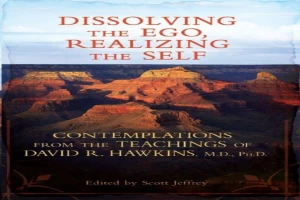
Dissolving the Ego, Realizing the Self PDF - ديفيد هوكينز
ديفيد هوكينز • التنمية البشرية • ١٠٣ الصفحات
(0)
المؤلف
ديفيد هوكينزالفئة
علوم اجتماعيةالقسم
عدد التنزيلات
١٠٦
عدد القراءات
٢٤٧
حجم الملف
0.71 MB
المشاهدات
٢٬٦٧١
اقتباس
مراجعة
حفظ
مشاركة
وصف الكتاب
Dissolving the Ego, Realizing the Self by David R. Hawkins is a contemplative spiritual book for readers seeking a deeper understanding of consciousness, inner peace, ego transcendence, and the path toward authentic self-realization. Presented as a collection of passages from Hawkins’s wider teachings, the book invites readers to look beyond the ordinary sense of personal identity and examine the ways the ego shapes perception, emotion, desire, fear, resistance, and suffering. It is designed as a compact companion for reflection, meditation, and spiritual study, making it suitable for both longtime readers of Hawkins and those beginning to explore his work.
A clear path beyond ego and mental identification
At the heart of Dissolving the Ego, Realizing the Self is the question of what remains when the false self, built from thoughts, roles, opinions, attachments, and emotional reactions, begins to lose its hold. Hawkins approaches the ego not simply as pride or selfishness, but as the entire structure of identification with the mind. Through this lens, spiritual growth becomes less about acquiring new beliefs and more about surrendering the inner obstacles that keep awareness confined to fear, control, judgment, and separation. The book encourages a shift from personal struggle toward a more spacious recognition of truth, presence, and inner stillness.
This makes the book especially valuable for readers interested in ego dissolution, spiritual awakening, self-realization, consciousness studies, and nondual spirituality. Rather than offering a conventional step-by-step program, Hawkins’s reflections work as contemplative prompts that can be revisited slowly. Each idea points the reader back to direct inner observation: What is the ego defending? What belief is being held as identity? What emotional charge is asking to be surrendered? In this way, the book supports a gentle but profound movement from mental identification toward a deeper awareness of the Self.
The reading experience: reflective, devotional, and inward-focused
Readers looking for a fast-paced self-help book may find that Dissolving the Ego, Realizing the Self asks for a different kind of attention. Its strength lies in reflection rather than speed. The book is suited to quiet reading, meditation, journaling, or returning to short passages during moments of emotional tension or spiritual inquiry. Because it gathers teachings from David R. Hawkins’s broader body of work, it functions as an accessible doorway into his language of consciousness, surrender, truth, and enlightenment.
The tone is contemplative and often devotional, speaking to readers who are willing to explore the relationship between psychology and spirituality. Hawkins’s work frequently addresses the movement from lower states such as fear, anger, guilt, and desire toward higher states associated with acceptance, love, peace, and spiritual awareness. In this book, that movement is framed through the dissolution of egoic limitations and the realization of a deeper identity beyond the personal self. The result is a reading experience that can feel both challenging and calming: challenging because it questions cherished assumptions, calming because it repeatedly points toward freedom from inner conflict.
Key themes in Dissolving the Ego, Realizing the Self
One of the central themes of the book is the illusory nature of the ego-mind. Hawkins invites readers to see that the personal self is maintained through stories, judgments, memories, projections, and attachments. When these are taken as absolute reality, life becomes a field of resistance and defense. When they are observed and surrendered, a new possibility opens: the recognition that awareness itself is not limited to the stream of thought. This theme gives the book its enduring appeal for seekers of inner freedom, mindfulness, and spiritual liberation.
Another important theme is surrender. Although this book is distinct from Hawkins’s well-known work on letting go, it shares a related orientation: the release of resistance is essential to spiritual progress. The reader is encouraged to stop fighting every inner condition and instead become aware of the mechanisms by which the ego maintains separation. Surrender here is not passivity or resignation; it is a conscious willingness to relinquish false identification, emotional reactivity, and the need to control reality from the standpoint of the ego.
The book also explores the relationship between truth and perception. Hawkins’s teachings often suggest that what people call reality is filtered through levels of consciousness, and that the ego’s interpretations are rarely neutral. For readers interested in the deeper questions of human behavior, spiritual psychology, and the nature of consciousness, this book provides a focused entry point into Hawkins’s perspective. It does not merely ask readers to think differently; it asks them to notice the source from which thought itself arises.
Who should read this book?
Dissolving the Ego, Realizing the Self is well suited for readers who are drawn to spiritual development, contemplative practice, meditation, self-inquiry, and the inner work of releasing fear, attachment, resentment, and false identity. It will appeal to those who have already read books such as Power vs. Force, Letting Go, or other works by David R. Hawkins, as well as readers who are discovering his teachings for the first time and want a concentrated collection of insights on ego and Self.
The book is also a meaningful choice for readers interested in the meeting point between spirituality and psychology. Hawkins was known as a psychiatrist, clinician, and spiritual teacher, and this background shapes the way his writings move between emotional life, consciousness, and spiritual realization. For people navigating anxiety, overthinking, attachment to outcomes, spiritual confusion, or the desire for a more peaceful inner life, the book offers language and perspective that can support deeper reflection without becoming overly technical.
Why this book remains meaningful for spiritual seekers
The lasting value of Dissolving the Ego, Realizing the Self lies in its insistence that the deepest transformation begins within. Instead of presenting spirituality as an external achievement, Hawkins directs attention to the beliefs, emotions, and identifications that obscure the truth of being. The book’s contemplative structure allows readers to pause, absorb, and apply its insights gradually. It can be read from beginning to end, but it can also be opened at any point as a source of meditation and inner realignment.
For anyone searching for a book about transcending the ego, realizing the Self, awakening consciousness, or understanding the inner mechanics of suffering and surrender, this work offers a concentrated and accessible path into David R. Hawkins’s spiritual teachings. It is a book for slow reading, honest self-observation, and repeated contemplation—a guide for those who sense that peace is not created by the ego, but discovered when the ego’s limitations begin to dissolve.
ديفيد هوكينز
الدكتور ديفيد ر. هوكينز هو ديفيد رامون هوكينز، طبيب نفسي وطبيب وباحث ومحاضر ومؤلف أمريكي في مجالات الوعي والروحانية والتنمية الداخلية، اشتهر عالميًا بكتابيه «القوة في مواجهة الإكراه: المحددات الخفية للسلوك الإنساني» و**«التخلي: طريق التسليم». وُلِد في ميلووكي بولاية ويسكونسن في 3 يونيو 1927، وتوفي في سيدونا بولاية أريزونا في 19 سبتمبر 2012، وقد جمع في مسيرته بين الطب النفسي السريري والكتابة الروحية ومحاولة بناء لغة تربط بين التجربة الداخلية والسلوك الإنساني. تشير سيرته الرسمية إلى أنه عمل مديرًا طبيًا لمركز North Nassau Mental Health Center بين عامي 1956 و1980، ومديرًا للأبحاث في Brunswick Hospital بين عامي 1968 و1979، وهي مرحلة منحت كتاباته خلفية إكلينيكية واضحة في التعامل مع الألم النفسي، الإدمان، القلق، الصراع الداخلي، وأسئلة الشفاء العاطفي. كما شارك عام 1973 مع العالم الحائز على نوبل لينوس بولنغ في تأليف كتاب Orthomolecular Psychiatry، وهو عمل ارتبط بمرحلة من الاهتمام بالعلاج النفسي والبيولوجيا والتغذية ضمن سياقات طبية وفكرية واسعة. يقدّم هوكينز في كتبه أسلوبًا يجمع بين اللغة التأملية والتحليل النفسي والفلسفة الدينية، لذلك يجد قراؤه في أعماله مادة تناسب الباحثين عن كتب الوعي، كتب الشفاء الداخلي، كتب الروحانية العملية، كتب التأمل، وكتب تطوير الذات العميقة. في «القوة في مواجهة الإكراه» يطرح فكرته عن خريطة الوعي باعتبارها إطارًا رمزيًا لفهم انتقال الإنسان من الخوف والذنب والغضب إلى الشجاعة والحب والسلام، مع التأكيد على أن هذا الإطار ينتمي إلى منظومته الفكرية والروحية الخاصة، ولا ينبغي التعامل معه كبديل عن الطب أو العلاج النفسي المتخصص. أما في «التخلي: طريق التسليم» فيركّز على آلية ترك المقاومة الداخلية والسماح للمشاعر بأن تُرى وتتحرر دون قمع أو تبرير، ولهذا أصبح الكتاب من أكثر أعماله حضورًا بين قراء التنمية الروحية والشفاء العاطفي. تمتاز كتابة ديفيد ر. هوكينز بنبرة تعليمية هادئة، وبمحاولة مستمرة لتبسيط قضايا معقدة مثل الأنا، الوعي، الحقيقة، المعاناة، الصفح، الصلاة، المحبة، والطمأنينة. ومن أعماله المعروفة أيضًا The Eye of the I، وI: Reality and Subjectivity**، وTruth vs. Falsehood، وTranscending the Levels of Consciousness، وHealing and Recovery، وهي كتب تواصل مشروعه في شرح مسار التحول الداخلي والبحث عن معنى روحي للحياة اليومية. أسّس هوكينز Institute for Spiritual Research عام 1983، كما أسّس Path of Devotional Nonduality عام 2003، وتذكر سيرته أنه حاضر في مؤسسات ومراكز متعددة، وأن أعماله تُرجمت إلى لغات عديدة وجذبت جمهورًا واسعًا من القراء والباحثين عن المعنى. وبالنسبة إلى موقع كتب، يمكن تقديم ديفيد ر. هوكينز بوصفه مؤلفًا مؤثرًا في تقاطع الطب النفسي والروحانية الحديثة، وكاتبًا يهم القراء الذين يبحثون عن فهم النفس، تحرير المشاعر، الوعي، السلام الداخلي، والمعنى الأعمق للسلوك الإنساني.
اكسب مكافآت أثناء القراءة!
كل 10 صفحات تقرؤها وتقضى فيها 30 ثانية تمنحك 5 نقاط مكافأة! واصل القراءة لفتح الإنجازات والمزايا الحصرية.
اقرأ
قيم الآن
5 نجوم
4 نجوم
3 نجوم
2 نجوم
1 نجوم
اقتباسات Dissolving the Ego, Realizing the Self
الأعلى تقييماً
الأحدث
اقتباس
كن أول من يترك اقتباسًا واكسب 10 نقاط
بدلاً من 3
كتب أخرى لـ ديفيد هوكينز
'%20/%3e%3c/svg%3e "The Eye of the I: From Which Nothing is Hidden")
ديفيد هوكينز.
التنمية البشرية
(0)
6548
الإنجليزية
التعليقات
كن أول من يترك تعليقًا واكسب 5 نقاط
بدلاً من 3