

مصدر الكتاب
تم نشر هذا الكتاب بهدف النفع العام، وذلك بموجب رخصة المشاع الإبداعي، أو بناءً على موافقة من المؤلف أو دار النشر. في حال وجود أي اعتراض على النشر، يُرجى التواصل معنا لنتخذ الإجراء المناسب.
اقتباس
مراجعة
حفظ
مشاركة
وصف الكتاب
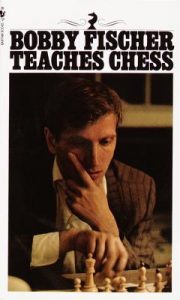
Bobby Fischer Teaches Chess by Bobby Fischer: A Classic Guide to Learning Chess Through Practice
Bobby Fischer Teaches Chess is one of the most recognizable instructional chess books for readers who want to move beyond simply knowing the rules and begin understanding how winning chess ideas actually work on the board. Written by Bobby Fischer with Stuart Margulies and Don Mosenfelder, this practical chess guide focuses on active learning, clear problem-solving, and the essential art of checkmate. The current Bantam edition is listed by Penguin Random House as a 352-page mass market paperback, with Fischer identified as an American chess grandmaster and the eleventh World Chess Champion. (PenguinRandomhouse.com)
A Practical Chess Book Built Around Questions, Answers, and Pattern Recognition
Unlike many chess books that rely heavily on long theoretical explanations, Bobby Fischer Teaches Chess is designed as an interactive learning experience. The book uses a programmed learning method, asking the reader questions and guiding them forward only after they understand the correct answer. When a reader makes a mistake, the explanation helps them see why the move does not work before sending them back to try again. This structure turns the book into a step-by-step chess lesson rather than a passive reading exercise. (PenguinRandomhouse.com)
At the heart of the book is the idea that chess improvement comes from recognizing patterns. Instead of overwhelming beginners with endless opening lines or advanced tournament theory, the lessons train the eye to notice threats, weak squares, exposed kings, defensive resources, and forcing moves. This makes Bobby Fischer Teaches Chess especially useful for readers searching for a chess book for beginners, a chess tactics workbook, or a simple but serious introduction to checkmate patterns.
Learn Chess the Bobby Fischer Way
The appeal of Bobby Fischer Teaches Chess lies in its directness. Fischer’s name carries enormous weight in chess history, but the book does not require the reader to play like a grandmaster from the first page. Instead, it builds confidence through repetition, observation, and tactical discipline. The lessons are arranged so that readers learn by doing, making choices, checking their answers, and gradually developing a sharper sense of what is happening in each position.
This approach is particularly helpful for new players who often feel lost after the opening moves. Many beginners understand how the pieces move but struggle to find plans, spot danger, or finish a won position. By focusing strongly on checkmate, basic chess tactics, and the logic of attacking the king, the book teaches one of the most satisfying and important skills in chess: seeing how a position can be converted into a decisive result.
Focus on Checkmate, Back-Rank Tactics, and Forcing Moves
A major strength of Bobby Fischer Teaches Chess is its emphasis on forcing ideas. Readers are encouraged to look for checks, captures, threats, and patterns that limit the opponent’s choices. This is a crucial part of chess improvement because many games at beginner and intermediate levels are decided not by deep opening preparation, but by missed tactics, unprotected kings, and overlooked mating threats.
The book’s exercises help readers become more familiar with common tactical themes, especially back-rank mates, king safety, attacking vulnerable defenders, and recognizing when an opponent’s pieces are overloaded or poorly placed. These ideas appear again and again in real chess games, which makes the training highly practical. A reader who works carefully through the positions will not only memorize answers; they will begin to understand why certain attacking setups work and how defensive mistakes can be punished.
A Chess Guide for Beginners, Returning Players, and Self-Learners
Bobby Fischer Teaches Chess is a strong choice for readers who want to learn chess independently. Its question-and-answer format gives the book a built-in teaching rhythm, making it suitable for students who prefer structured practice over abstract explanation. It can be read at home, used alongside a chessboard, or studied in short sessions whenever the reader wants to sharpen tactical awareness.
For absolute beginners, the book offers a friendly way to enter the world of chess strategy without feeling buried under notation, theory, or complicated commentary. For returning players, it provides a useful refresher on the tactical foundations that often decide casual and club games. For parents, teachers, and coaches, it can also serve as a simple resource for introducing young learners to the pleasure of solving chess problems and thinking one move deeper.
Why This Book Remains Popular Among Chess Readers
The continuing popularity of Bobby Fischer Teaches Chess comes from its clarity and its practical value. Many chess books promise improvement, but this one gives readers a direct task on nearly every page: look at the position, think carefully, choose the move, and learn from the answer. That active process helps build concentration, patience, and analytical thinking, all of which are essential qualities for anyone who wants to become a better chess player.
The book also has strong appeal for fans of Bobby Fischer, one of the most famous figures in chess history. Readers who know Fischer through his games, his world championship legacy, or his reputation for precision may be drawn to this title as an accessible entry point into chess study. While it is not a memoir or a full collection of Fischer’s greatest games, it carries the spirit of disciplined calculation and tactical alertness associated with serious chess training.
The Reading Experience: Simple, Focused, and Highly Interactive
Reading Bobby Fischer Teaches Chess feels different from reading a conventional textbook. The format encourages the reader to slow down and participate. Each problem becomes a small test of vision and logic. The answer is not simply handed over immediately; the reader is expected to engage with the board, compare possibilities, and notice the details that separate a winning move from an ordinary one.
This interactive style makes the book especially effective for readers who learn best through practice. Chess is a game of repeated patterns, and the more often a player sees tactical ideas in clear positions, the more naturally those ideas appear during real games. By working through the exercises, readers develop the habit of asking useful chess questions: Is the king vulnerable? Is there a forcing check? Can a defender be removed? Is there a back-rank weakness? What is the opponent threatening?
A Valuable Addition to Any Chess Library
For anyone building a personal chess library, Bobby Fischer Teaches Chess remains a useful foundational title. It belongs beside other beginner and tactics-focused chess books because it concentrates on one of the most important early goals in chess education: learning how to recognize and deliver checkmate. Its lessons are not about memorizing fashionable openings or studying rare endgame positions; they are about developing the tactical eyesight that every improving player needs.
Readers searching for best chess books for beginners, Bobby Fischer chess book, learn chess strategy, chess puzzles for beginners, or checkmate tactics book will find that this title matches those needs naturally. It offers a clear path into the logic of chess without requiring advanced background knowledge, making it approachable while still rewarding careful study.
A Clear and Memorable Way to Improve at Chess
Bobby Fischer Teaches Chess is a focused, practical, and accessible book for readers who want to understand chess through action rather than theory alone. Its strength is not in dramatic storytelling or complex analysis, but in the steady development of tactical awareness. Page by page, the reader learns to look more carefully, calculate more accurately, and recognize the patterns that lead to victory.
For beginners, casual players, and anyone who wants a structured introduction to chess tactics, this book offers a memorable learning experience connected to one of the most legendary names in the game. Bobby Fischer Teaches Chess continues to stand as a clear and approachable guide for learning how to think tactically, attack with purpose, and see the board with greater confidence.
بوبي فيشر
روبرت جيمس «بوبي» فيشر هو كاتب أمريكي في أدبيات الشطرنج وأحد أكثر الأسماء تأثيرًا في تاريخ اللعبة، وقد ارتبط اسمه بالتحليل العميق، والدقة التنافسية، والقدرة النادرة على تحويل المباراة الشطرنجية إلى نص معرفي حي يجمع بين الحساب، والحدس، والشرح النفسي لحركة اللاعب وخصمه. وُلد فيشر في شيكاغو عام 1943، واشتهر عالميًا بوصفه أستاذًا كبيرًا وبطل العالم الحادي عشر في الشطرنج، لكنه يهم قرّاء كتب الشطرنج أيضًا بوصفه مؤلفًا صاحب أسلوب خاص ترك أثرًا عميقًا في طريقة قراءة المباريات وتحليلها. حقق شهرته الكبرى عندما فاز على بوريس سباسكي في ريكيافيك عام 1972، في مباراة أصبحت رمزًا ثقافيًا ورياضيًا واسع الانتشار لأنها أنهت مرحلة طويلة من الهيمنة السوفيتية على قمة الشطرنج، وجعلت الشطرنج موضوعًا حاضرًا في الصحافة والبيوت والنقاش العام. غير أن القيمة الأدبية والتعليمية لفيشر لا تقل أهمية عن إنجازه الرياضي؛ فكتابه الشهير My 60 Memorable Games، المنشور عام 1969، يُعد من أكثر كتب الشطرنج تأثيرًا وانتشارًا بين اللاعبين والهواة والباحثين في تاريخ اللعبة. في هذا الكتاب لا يكتفي فيشر بعرض ستين مباراة من مبارياته، بل يقدّم نموذجًا نادرًا للكتابة التحليلية التي تكشف كيف يفكر لاعب النخبة أثناء المباراة، وكيف تتشكل الخطة، وكيف يمكن لحركة واحدة أن تغيّر ميزان الصراع فوق الرقعة. يتميز وصفه للمباريات بالوضوح الشديد، وبالنزاهة في تقييم الأخطاء، وبالقدرة على الجمع بين لغة مفهومة للقارئ الجاد وتحليل فني يصلح للاعبين المتقدمين. لذلك أصبح الكتاب مرجعًا ثابتًا في مكتبات الشطرنج، ولا يزال يُقرأ بوصفه درسًا في التفكير الاستراتيجي بقدر ما هو سجل لمسيرة لاعب عبقري. تتكرر في كتابات فيشر موضوعات السيطرة على المركز، واحترام المبادئ الكلاسيكية، والبحث عن الأفضلية الصغيرة، والاستعداد الافتتاحي الدقيق، والقدرة على تحويل الضغط النفسي إلى قرارات ملموسة. كان أسلوبه في اللعب والشرح مباشرًا، صارمًا، ومفتوحًا على التفاصيل، حتى إن القارئ يشعر أنه يدخل مختبرًا عقليًا لا مجرد مجموعة مباريات. وقد ساعدت شهرته العالمية على جعل كتبه وتعليقاته مدخلًا أساسيًا لأجيال من القراء الذين أرادوا فهم الشطرنج لا كمجرد تسلية، بل كلغة عقلية ومنهج في الانضباط والتركيز. ومع أن سنواته اللاحقة ارتبطت بالانعزال والجدل، فإن أثره في أدب الشطرنج بقي راسخًا؛ فالنظر إلى فيشر ككاتب يعني النظر إلى شخص جعل التعليق على المباراة نوعًا من السيرة الفكرية، حيث تكشف كل نقلة عن شخصية اللاعب، وطريقته في الصراع، وموقفه من المخاطرة، وفهمه العميق لجماليات اللعبة. ولهذا يظل اسم بوبي فيشر مهمًا على مواقع الكتب، لا لأنه بطل عالمي فقط، بل لأنه مؤلف غيّر طريقة قراءة الشطرنج، وترك نصًا كلاسيكيًا يجمع بين التجربة الذاتية والتحليل الموضوعي، ويخاطب القارئ الذي يبحث عن المعرفة، والمتعة، والتدريب، والاقتراب من عقل واحد من أعظم لاعبي القرن العشرين.
اكسب مكافآت أثناء القراءة!
كل 10 صفحات تقرؤها وتقضى فيها 30 ثانية تمنحك 5 نقاط مكافأة! واصل القراءة لفتح الإنجازات والمزايا الحصرية.
اقرأ
قيم الآن
5 نجوم
4 نجوم
3 نجوم
2 نجوم
1 نجوم
اقتباسات Bobby Fischer Teaches Chess
الأعلى تقييماً
الأحدث
اقتباس
كن أول من يترك اقتباسًا واكسب 10 نقاط
بدلاً من 3
'%20/%3e%3c/svg%3e "Exiles")
التعليقات
كن أول من يترك تعليقًا واكسب 5 نقاط
بدلاً من 3