

مصدر الكتاب
تم نشر هذا الكتاب بهدف النفع العام، وذلك بموجب رخصة المشاع الإبداعي، أو بناءً على موافقة من المؤلف أو دار النشر. في حال وجود أي اعتراض على النشر، يُرجى التواصل معنا لنتخذ الإجراء المناسب.
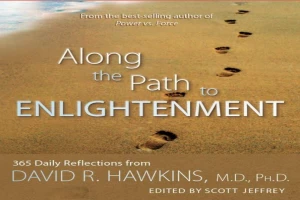
Along the Path to Enlightenment PDF - ديفيد هوكينز
ديفيد هوكينز • التنمية البشرية • ٨١ الصفحات
(0)
المؤلف
ديفيد هوكينزالفئة
علوم اجتماعيةالقسم
عدد التنزيلات
٨٠
عدد القراءات
٢٤٧
حجم الملف
0.71 MB
المشاهدات
٢٬٣٥٢
اقتباس
مراجعة
حفظ
مشاركة
وصف الكتاب
Along the Path to Enlightenment by David R. Hawkins is a contemplative spiritual guide designed for readers who want to bring deeper awareness, inner stillness, and higher understanding into daily life. Presented as a collection of 365 daily reflections, the book offers short but meaningful passages drawn from Hawkins’s teachings on consciousness, ego, surrender, truth, and spiritual awakening. Rather than asking the reader to absorb a complex system all at once, it invites steady reflection—one insight at a time—making it especially suitable for those who want a daily companion on the journey of self-realization.
This book speaks to readers searching for spiritual growth, daily meditation, consciousness studies, and a more peaceful relationship with the mind. Hawkins’s work is known for combining spiritual language with psychological observation, exploring how human suffering is often rooted in identification with the ego, resistance, fear, pride, and attachment. In Along the Path to Enlightenment, these ideas are distilled into accessible contemplations that can be read in a few minutes yet returned to many times for deeper meaning.
A Daily Guide to Consciousness, Ego, and Spiritual Truth
At the heart of Along the Path to Enlightenment is the idea that spiritual progress is not only a matter of belief, but of inner transformation. Hawkins encourages the reader to observe the movements of the ego, release emotional resistance, and become more receptive to the presence of truth. The reflections are not arranged as a conventional step-by-step manual; instead, they work like daily openings into awareness, each one offering a point of contemplation that can reshape how the reader sees the self, the world, and the nature of spiritual reality.
For readers familiar with David R. Hawkins’s books, this volume serves as a focused and practical way to revisit his central teachings. Themes connected to Power vs. Force, Letting Go, The Map of Consciousness, and his broader writings on enlightenment appear in a concise form, making the book useful both for longtime students and for those approaching Hawkins for the first time. The format allows readers to engage with profound concepts without feeling overwhelmed, while still preserving the depth and seriousness of the spiritual path he describes.
The Reading Experience: Reflective, Calm, and Spiritually Focused
The experience of reading Along the Path to Enlightenment is slow, inward, and meditative. This is not a book that needs to be rushed from beginning to end. It is best read as a daily practice, a morning reflection, an evening meditation, or a quiet source of guidance during moments of uncertainty. Each passage can act as a reminder to pause, observe, surrender, and return to a deeper level of awareness beyond ordinary thought and emotional reaction.
Hawkins’s language often points beyond intellectual understanding toward direct inner recognition. Readers looking for a book on enlightenment, spiritual awakening, nondual awareness, or transcending the ego will find that the reflections repeatedly return to the same essential invitation: to let go of false identification and become more aligned with truth, love, humility, and inner peace. The value of the book lies not only in the ideas themselves, but in the way those ideas can gradually influence the reader’s daily perception.
Why Readers Turn to David R. Hawkins
David R. Hawkins has attracted a wide readership among people interested in spirituality, psychology, healing, consciousness, and the relationship between inner states and outer experience. His writing often addresses the question of what blocks spiritual progress and how those blocks can be transcended. In Along the Path to Enlightenment, that concern becomes practical and personal, because each reflection gives the reader a small but meaningful opportunity to examine the inner life with honesty and compassion.
Readers who appreciate Hawkins are often drawn to his emphasis on surrender, humility, devotion, and the movement from lower states of consciousness toward higher qualities such as courage, acceptance, love, joy, and peace. This book is particularly helpful for anyone who wants to keep those teachings close at hand in a form that supports repetition and contemplation. It can be read as a devotional text, a spiritual self-development book, or a companion for meditation and journaling.
Who This Book Is For
Along the Path to Enlightenment is ideal for readers who want a thoughtful book of daily spiritual reflections rather than a fast-paced self-help guide. It is well suited to those exploring spiritual consciousness, ego transcendence, inner peace, surrender, and the deeper meaning of enlightenment. It may also appeal to readers who enjoy books that bring together elements of Western spiritual tradition, Eastern philosophy, contemplative practice, and personal transformation.
The book can be especially valuable for people who already know Hawkins’s work and want a compact daily format, but it can also serve as an approachable entry point for new readers. Because the reflections are brief, the reader does not need to master Hawkins’s entire framework before benefiting from the text. A single passage can become the focus of a day’s meditation, a journal entry, or a quiet moment of self-inquiry.
A Meaningful Companion for the Spiritual Path
What makes Along the Path to Enlightenment enduring is its ability to meet the reader in ordinary daily life while pointing toward something beyond ordinary perception. The book does not depend on dramatic promises or emotional persuasion. Its strength is in its calm insistence that transformation begins with awareness, surrender, and the willingness to see through the ego’s limitations.
For readers seeking a book that supports spiritual practice, daily contemplation, and the gradual unfolding of inner clarity, Along the Path to Enlightenment by David R. Hawkins offers a steady and meaningful companion. It is a book to keep nearby, return to often, and read with patience—one reflection at a time, one insight at a time, along the path toward a more conscious and peaceful way of being.
ديفيد هوكينز
الدكتور ديفيد ر. هوكينز هو ديفيد رامون هوكينز، طبيب نفسي وطبيب وباحث ومحاضر ومؤلف أمريكي في مجالات الوعي والروحانية والتنمية الداخلية، اشتهر عالميًا بكتابيه «القوة في مواجهة الإكراه: المحددات الخفية للسلوك الإنساني» و**«التخلي: طريق التسليم». وُلِد في ميلووكي بولاية ويسكونسن في 3 يونيو 1927، وتوفي في سيدونا بولاية أريزونا في 19 سبتمبر 2012، وقد جمع في مسيرته بين الطب النفسي السريري والكتابة الروحية ومحاولة بناء لغة تربط بين التجربة الداخلية والسلوك الإنساني. تشير سيرته الرسمية إلى أنه عمل مديرًا طبيًا لمركز North Nassau Mental Health Center بين عامي 1956 و1980، ومديرًا للأبحاث في Brunswick Hospital بين عامي 1968 و1979، وهي مرحلة منحت كتاباته خلفية إكلينيكية واضحة في التعامل مع الألم النفسي، الإدمان، القلق، الصراع الداخلي، وأسئلة الشفاء العاطفي. كما شارك عام 1973 مع العالم الحائز على نوبل لينوس بولنغ في تأليف كتاب Orthomolecular Psychiatry، وهو عمل ارتبط بمرحلة من الاهتمام بالعلاج النفسي والبيولوجيا والتغذية ضمن سياقات طبية وفكرية واسعة. يقدّم هوكينز في كتبه أسلوبًا يجمع بين اللغة التأملية والتحليل النفسي والفلسفة الدينية، لذلك يجد قراؤه في أعماله مادة تناسب الباحثين عن كتب الوعي، كتب الشفاء الداخلي، كتب الروحانية العملية، كتب التأمل، وكتب تطوير الذات العميقة. في «القوة في مواجهة الإكراه» يطرح فكرته عن خريطة الوعي باعتبارها إطارًا رمزيًا لفهم انتقال الإنسان من الخوف والذنب والغضب إلى الشجاعة والحب والسلام، مع التأكيد على أن هذا الإطار ينتمي إلى منظومته الفكرية والروحية الخاصة، ولا ينبغي التعامل معه كبديل عن الطب أو العلاج النفسي المتخصص. أما في «التخلي: طريق التسليم» فيركّز على آلية ترك المقاومة الداخلية والسماح للمشاعر بأن تُرى وتتحرر دون قمع أو تبرير، ولهذا أصبح الكتاب من أكثر أعماله حضورًا بين قراء التنمية الروحية والشفاء العاطفي. تمتاز كتابة ديفيد ر. هوكينز بنبرة تعليمية هادئة، وبمحاولة مستمرة لتبسيط قضايا معقدة مثل الأنا، الوعي، الحقيقة، المعاناة، الصفح، الصلاة، المحبة، والطمأنينة. ومن أعماله المعروفة أيضًا The Eye of the I، وI: Reality and Subjectivity**، وTruth vs. Falsehood، وTranscending the Levels of Consciousness، وHealing and Recovery، وهي كتب تواصل مشروعه في شرح مسار التحول الداخلي والبحث عن معنى روحي للحياة اليومية. أسّس هوكينز Institute for Spiritual Research عام 1983، كما أسّس Path of Devotional Nonduality عام 2003، وتذكر سيرته أنه حاضر في مؤسسات ومراكز متعددة، وأن أعماله تُرجمت إلى لغات عديدة وجذبت جمهورًا واسعًا من القراء والباحثين عن المعنى. وبالنسبة إلى موقع كتب، يمكن تقديم ديفيد ر. هوكينز بوصفه مؤلفًا مؤثرًا في تقاطع الطب النفسي والروحانية الحديثة، وكاتبًا يهم القراء الذين يبحثون عن فهم النفس، تحرير المشاعر، الوعي، السلام الداخلي، والمعنى الأعمق للسلوك الإنساني.
اكسب مكافآت أثناء القراءة!
كل 10 صفحات تقرؤها وتقضى فيها 30 ثانية تمنحك 5 نقاط مكافأة! واصل القراءة لفتح الإنجازات والمزايا الحصرية.
اقرأ
قيم الآن
5 نجوم
4 نجوم
3 نجوم
2 نجوم
1 نجوم
اقتباسات Along the Path to Enlightenment
الأعلى تقييماً
الأحدث
اقتباس
كن أول من يترك اقتباسًا واكسب 10 نقاط
بدلاً من 3
كتب أخرى لـ ديفيد هوكينز
'%20/%3e%3c/svg%3e "The Eye of the I: From Which Nothing is Hidden")
ديفيد هوكينز.
التنمية البشرية
(0)
6546
الإنجليزية
التعليقات
كن أول من يترك تعليقًا واكسب 5 نقاط
بدلاً من 3