

مصدر الكتاب
تم نشر هذا الكتاب بهدف النفع العام، وذلك بموجب رخصة المشاع الإبداعي، أو بناءً على موافقة من المؤلف أو دار النشر. في حال وجود أي اعتراض على النشر، يُرجى التواصل معنا لنتخذ الإجراء المناسب.
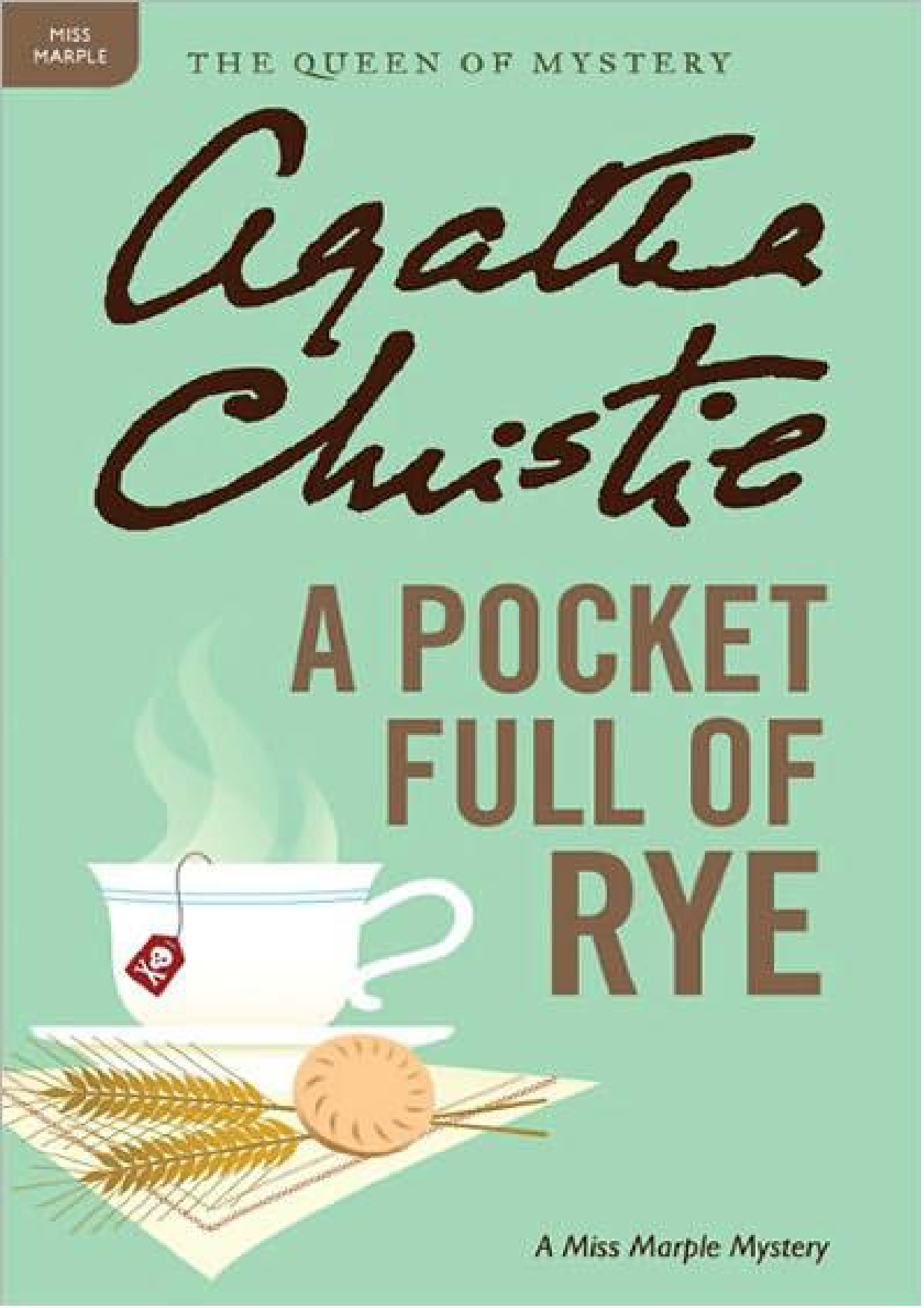
A Pocket Full of Rye PDF - أغاثا كريستي
أغاثا كريستي • روايات جريمة وألغاز • ٢٣٠ الصفحات
(0)
اقتباس
مراجعة
حفظ
مشاركة
وصف الكتاب
A Pocket Full of Rye byA Pocket Full of Rye by Agatha Christie: A Classic Miss Marple Mystery of Murder, Nursery Rhymes, and Hidden Motives
A Pocket Full of Rye by Agatha Christie is a clever and atmospheric classic detective novel featuring Miss Jane Marple, one of Christie’s most beloved and perceptive investigators. Built around a strange murder, a wealthy family, and a disturbing connection to a familiar nursery rhyme, the novel offers a memorable blend of classic crime fiction, domestic suspicion, family secrets, and Christie’s signature misdirection. For readers who enjoy Miss Marple mysteries, British detective novels, and traditional murder puzzles where small details carry great meaning, A Pocket Full of Rye is a sharp and satisfying entry in Agatha Christie’s world of crime and deduction.
The story begins with the sudden and suspicious death of Rex Fortescue, a wealthy businessman whose life has been shaped by money, power, and questionable dealings. When a strange clue is discovered connected to the old rhyme “Sing a Song of Sixpence,” the case takes on an unsettling and almost theatrical quality. At first, the clue seems bizarre, even absurd, but in an Agatha Christie mystery, odd details are rarely accidental. As the investigation expands into the Fortescue household, it becomes clear that the family is full of tension, greed, resentment, fear, and long-hidden secrets.
A Darkly Inventive Miss Marple Mystery
One of the strongest qualities of A Pocket Full of Rye is its unusual use of a nursery rhyme as part of the murder mystery. Agatha Christie often enjoyed building plots around patterns, symbols, and apparently childish references, and here she turns a familiar rhyme into something sinister. The contrast between the innocence of the rhyme and the violence of the crime gives the novel a distinctive tone. What seems playful on the surface becomes disturbing when connected to murder, motive, and carefully staged clues.
This nursery-rhyme structure gives the book a strong sense of design. The reader is encouraged to ask whether the rhyme is a genuine key to the crime, a theatrical clue left by the murderer, or a misleading pattern meant to confuse the investigation. Christie uses this uncertainty to create suspense and keep the reader alert. Every object, phrase, and coincidence may matter, and the mystery becomes a puzzle of both logic and imagination.
Miss Marple and Her Knowledge of Human Nature
Although Miss Marple does not dominate every page from the beginning, her role is essential to the heart of the novel. Her connection to Gladys Martin, a former maid from St. Mary Mead who becomes involved in the case, gives her a personal reason to care about the truth. Miss Marple is not a detective who relies on official power, physical force, or dramatic interrogation. Her strength lies in her deep understanding of people: their weaknesses, vanities, fears, jealousies, and habits of deception.
In A Pocket Full of Rye, Miss Marple’s quiet intelligence contrasts beautifully with the darker atmosphere of the Fortescue family. She sees patterns in behavior because she has spent her life observing ordinary people in village settings. To her, greed in a grand house is not so different from greed in a small village, and cruelty among the wealthy is not fundamentally different from cruelty anywhere else. This practical moral insight is one of the reasons readers continue to love Miss Marple novels. She understands that murder often grows from familiar human flaws, not from exotic villainy.
The Fortescue Family and a House Full of Suspicion
At the center of the novel is the Fortescue household, a family environment shaped by money, rivalry, and distrust. Rex Fortescue is not presented as a beloved patriarch surrounded by affection. His death exposes an already troubled world where family members, servants, business interests, and personal ambitions overlap in dangerous ways. Each person connected to the household may have something to hide, and Christie gradually reveals how financial pressure and emotional resentment can turn domestic life into a field of suspicion.
The family setting makes A Pocket Full of Rye especially appealing to readers who enjoy country-house mysteries and family secrets in crime fiction. Christie uses the enclosed social world of the Fortescue home to great effect. Conversations become clues, relationships become motives, and ordinary domestic routines take on new significance. A meal, a pocket, a cup of tea, a servant’s memory, or a family quarrel may all point toward the truth. The house becomes more than a setting; it becomes a system of relationships where everyone’s position matters.
Inspector Neele and the Official Investigation
Alongside Miss Marple, the novel also features Inspector Neele, whose official investigation gives the story structure and momentum. Neele is careful, observant, and practical, and his work helps uncover the visible evidence surrounding Rex Fortescue’s death. His method is different from Miss Marple’s, but the contrast between police procedure and intuitive human insight adds depth to the mystery. Christie often uses this kind of pairing effectively, allowing professional investigation and personal understanding to work together.
Inspector Neele must deal with a case that becomes stranger the more he studies it. The clues seem theatrical, the suspects are complicated, and the motives are tangled with money and family history. His presence keeps the novel grounded in detective procedure, while Miss Marple’s later involvement brings emotional and psychological clarity. Together, these approaches create a satisfying balance between evidence, character, and moral understanding.
Themes of Greed, Class, Loyalty, and Deception
Beneath its entertaining mystery plot, A Pocket Full of Rye explores several recurring Christie themes. Greed is one of the most important. The Fortescue family’s world is shaped by inheritance, business interests, financial expectation, and the desire for control. Money affects relationships, creates suspicion, and reveals character. Christie shows how wealth can protect people socially while also corrupting trust within a household.
The novel also examines class and loyalty through the presence of servants and domestic workers, especially Gladys Martin. Miss Marple’s concern for Gladys adds emotional weight to the story and reminds the reader that crime affects not only the powerful and wealthy, but also those who are vulnerable within their world. Christie pays attention to the way people in service are often overlooked, underestimated, or treated as background figures, even though they may see and understand far more than others realize.
Deception is another central theme. Characters in the novel hide behind respectability, grief, charm, fear, and social roles. Some may lie openly, while others simply allow false impressions to stand. Christie’s skill lies in showing that deception is not always dramatic. It may appear in a hesitation, a convenient assumption, a repeated story, or a detail that seems too strange to be taken seriously.
Christie’s Skillful Plotting and Misdirection
A Pocket Full of Rye is a strong example of Agatha Christie’s talent for arranging clues in ways that feel both surprising and fair. The mystery is carefully built around details that may look eccentric at first but later become meaningful. Christie does not rely only on shock; she relies on structure. The reader is given pieces of the truth, but the significance of those pieces remains hidden until the right moment.
The novel’s misdirection works especially well because the nursery rhyme element encourages the reader to focus on pattern and symbolism. Yet Christie also asks the reader to pay attention to character, opportunity, motive, and emotional behavior. The result is a detective story that satisfies on several levels: as a puzzle, as a family drama, and as a study of how murder can be disguised beneath everyday life.
Why Readers Enjoy A Pocket Full of Rye
A Pocket Full of Rye remains a rewarding read for fans of Agatha Christie books because it contains many of the qualities that define her best mysteries: a memorable premise, a suspicious household, a clever pattern of clues, an emotionally meaningful role for Miss Marple, and a solution that reshapes the reader’s understanding of earlier events. It is accessible as a standalone Miss Marple mystery, so readers do not need to have read the previous books in the series to enjoy it.
The novel is especially suitable for readers who like mysteries with a slightly darker domestic atmosphere. It has the elegance of classic detective fiction, but also a sharp awareness of cruelty, greed, and vulnerability. The contrast between the nursery rhyme motif and the serious emotional consequences of the crimes gives the story a memorable edge. Readers who enjoy traditional British mysteries, golden age detective fiction, and crime novels with hidden family motives will find this book both entertaining and intelligently constructed.
A Clever and Memorable Agatha Christie Classic
A Pocket Full of Rye by Agatha Christie is a finely crafted mystery that turns a familiar rhyme into the foundation of a dark and intricate murder investigation. With its suspicious family, unusual clues, and Miss Marple’s calm but penetrating understanding of human nature, the novel offers a classic reading experience full of suspense, intelligence, and atmosphere. It shows Christie’s ability to make ordinary domestic details feel dangerous and to transform a simple clue into the center of a complex puzzle.
For anyone searching for a classic Miss Marple mystery, an Agatha Christie crime novel, or a clever detective story involving family secrets and symbolic clues, A Pocket Full of Rye is an excellent choice. It is a novel about murder, greed, memory, and the truths people try to hide behind respectable appearances. Carefully plotted and quietly unsettling, it remains one of the memorable works in the Miss Marple series and a strong example of Christie’s enduring mastery of classic crime fiction.
: A Classic Miss Marple Mystery of Murder, Nursery Rhymes, and Hidden Motives
A Pocket Full of Rye by Agatha Christie is a clever and atmospheric classic detective novel featuring Miss Jane Marple, one of Christie’s most beloved and perceptive investigators. Built around a strange murder, a wealthy family, and a disturbing connection to a familiar nursery rhyme, the novel offers a memorable blend of classic crime fiction, domestic suspicion, family secrets, and Christie’s signature misdirection. For readers who enjoy Miss Marple mysteries, British detective novels, and traditional murder puzzles where small details carry great meaning, A Pocket Full of Rye is a sharp and satisfying entry in Agatha Christie’s world of crime and deduction.
The story begins with the sudden and suspicious death of Rex Fortescue, a wealthy businessman whose life has been shaped by money, power, and questionable dealings. When a strange clue is discovered connected to the old rhyme “Sing a Song of Sixpence,” the case takes on an unsettling and almost theatrical quality. At first, the clue seems bizarre, even absurd, but in an Agatha Christie mystery, odd details are rarely accidental. As the investigation expands into the Fortescue household, it becomes clear that the family is full of tension, greed, resentment, fear, and long-hidden secrets.
A Darkly Inventive Miss Marple Mystery
One of the strongest qualities of A Pocket Full of Rye is its unusual use of a nursery rhyme as part of the murder mystery. Agatha Christie often enjoyed building plots around patterns, symbols, and apparently childish references, and here she turns a familiar rhyme into something sinister. The contrast between the innocence of the rhyme and the violence of the crime gives the novel a distinctive tone. What seems playful on the surface becomes disturbing when connected to murder, motive, and carefully staged clues.
This nursery-rhyme structure gives the book a strong sense of design. The reader is encouraged to ask whether the rhyme is a genuine key to the crime, a theatrical clue left by the murderer, or a misleading pattern meant to confuse the investigation. Christie uses this uncertainty to create suspense and keep the reader alert. Every object, phrase, and coincidence may matter, and the mystery becomes a puzzle of both logic and imagination.
Miss Marple and Her Knowledge of Human Nature
Although Miss Marple does not dominate every page from the beginning, her role is essential to the heart of the novel. Her connection to Gladys Martin, a former maid from St. Mary Mead who becomes involved in the case, gives her a personal reason to care about the truth. Miss Marple is not a detective who relies on official power, physical force, or dramatic interrogation. Her strength lies in her deep understanding of people: their weaknesses, vanities, fears, jealousies, and habits of deception.
In A Pocket Full of Rye, Miss Marple’s quiet intelligence contrasts beautifully with the darker atmosphere of the Fortescue family. She sees patterns in behavior because she has spent her life observing ordinary people in village settings. To her, greed in a grand house is not so different from greed in a small village, and cruelty among the wealthy is not fundamentally different from cruelty anywhere else. This practical moral insight is one of the reasons readers continue to love Miss Marple novels. She understands that murder often grows from familiar human flaws, not from exotic villainy.
The Fortescue Family and a House Full of Suspicion
At the center of the novel is the Fortescue household, a family environment shaped by money, rivalry, and distrust. Rex Fortescue is not presented as a beloved patriarch surrounded by affection. His death exposes an already troubled world where family members, servants, business interests, and personal ambitions overlap in dangerous ways. Each person connected to the household may have something to hide, and Christie gradually reveals how financial pressure and emotional resentment can turn domestic life into a field of suspicion.
The family setting makes A Pocket Full of Rye especially appealing to readers who enjoy country-house mysteries and family secrets in crime fiction. Christie uses the enclosed social world of the Fortescue home to great effect. Conversations become clues, relationships become motives, and ordinary domestic routines take on new significance. A meal, a pocket, a cup of tea, a servant’s memory, or a family quarrel may all point toward the truth. The house becomes more than a setting; it becomes a system of relationships where everyone’s position matters.
Inspector Neele and the Official Investigation
Alongside Miss Marple, the novel also features Inspector Neele, whose official investigation gives the story structure and momentum. Neele is careful, observant, and practical, and his work helps uncover the visible evidence surrounding Rex Fortescue’s death. His method is different from Miss Marple’s, but the contrast between police procedure and intuitive human insight adds depth to the mystery. Christie often uses this kind of pairing effectively, allowing professional investigation and personal understanding to work together.
Inspector Neele must deal with a case that becomes stranger the more he studies it. The clues seem theatrical, the suspects are complicated, and the motives are tangled with money and family history. His presence keeps the novel grounded in detective procedure, while Miss Marple’s later involvement brings emotional and psychological clarity. Together, these approaches create a satisfying balance between evidence, character, and moral understanding.
Themes of Greed, Class, Loyalty, and Deception
Beneath its entertaining mystery plot, A Pocket Full of Rye explores several recurring Christie themes. Greed is one of the most important. The Fortescue family’s world is shaped by inheritance, business interests, financial expectation, and the desire for control. Money affects relationships, creates suspicion, and reveals character. Christie shows how wealth can protect people socially while also corrupting trust within a household.
The novel also examines class and loyalty through the presence of servants and domestic workers, especially Gladys Martin. Miss Marple’s concern for Gladys adds emotional weight to the story and reminds the reader that crime affects not only the powerful and wealthy, but also those who are vulnerable within their world. Christie pays attention to the way people in service are often overlooked, underestimated, or treated as background figures, even though they may see and understand far more than others realize.
Deception is another central theme. Characters in the novel hide behind respectability, grief, charm, fear, and social roles. Some may lie openly, while others simply allow false impressions to stand. Christie’s skill lies in showing that deception is not always dramatic. It may appear in a hesitation, a convenient assumption, a repeated story, or a detail that seems too strange to be taken seriously.
Christie’s Skillful Plotting and Misdirection
A Pocket Full of Rye is a strong example of Agatha Christie’s talent for arranging clues in ways that feel both surprising and fair. The mystery is carefully built around details that may look eccentric at first but later become meaningful. Christie does not rely only on shock; she relies on structure. The reader is given pieces of the truth, but the significance of those pieces remains hidden until the right moment.
The novel’s misdirection works especially well because the nursery rhyme element encourages the reader to focus on pattern and symbolism. Yet Christie also asks the reader to pay attention to character, opportunity, motive, and emotional behavior. The result is a detective story that satisfies on several levels: as a puzzle, as a family drama, and as a study of how murder can be disguised beneath everyday life.
Why Readers Enjoy A Pocket Full of Rye
A Pocket Full of Rye remains a rewarding read for fans of Agatha Christie books because it contains many of the qualities that define her best mysteries: a memorable premise, a suspicious household, a clever pattern of clues, an emotionally meaningful role for Miss Marple, and a solution that reshapes the reader’s understanding of earlier events. It is accessible as a standalone Miss Marple mystery, so readers do not need to have read the previous books in the series to enjoy it.
The novel is especially suitable for readers who like mysteries with a slightly darker domestic atmosphere. It has the elegance of classic detective fiction, but also a sharp awareness of cruelty, greed, and vulnerability. The contrast between the nursery rhyme motif and the serious emotional consequences of the crimes gives the story a memorable edge. Readers who enjoy traditional British mysteries, golden age detective fiction, and crime novels with hidden family motives will find this book both entertaining and intelligently constructed.
A Clever and Memorable Agatha Christie Classic
A Pocket Full of Rye by Agatha Christie is a finely crafted mystery that turns a familiar rhyme into the foundation of a dark and intricate murder investigation. With its suspicious family, unusual clues, and Miss Marple’s calm but penetrating understanding of human nature, the novel offers a classic reading experience full of suspense, intelligence, and atmosphere. It shows Christie’s ability to make ordinary domestic details feel dangerous and to transform a simple clue into the center of a complex puzzle.
For anyone searching for a classic Miss Marple mystery, an Agatha Christie crime novel, or a clever detective story involving family secrets and symbolic clues, A Pocket Full of Rye is an excellent choice. It is a novel about murder, greed, memory, and the truths people try to hide behind respectable appearances. Carefully plotted and quietly unsettling, it remains one of the memorable works in the Miss Marple series and a strong example of Christie’s enduring mastery of classic crime fiction.
أغاثا كريستي
أجاثا كريستي هي واحدة من أشهر كاتبات الرواية البوليسية في العالم، واسمها يرتبط ارتباطاً وثيقاً بتاريخ أدب الجريمة والغموض والتحقيقات الذكية التي تجمع بين التشويق النفسي والحبكة المحكمة والشخصيات التي تبقى في الذاكرة. ولدت أجاثا كريستي في بريطانيا، واستطاعت عبر مسيرة أدبية طويلة أن تتحول إلى رمز عالمي للرواية البوليسية، حتى أصبحت تُعرف بلقب ملكة الجريمة، بفضل قدرتها الفريدة على بناء ألغاز معقدة تبدو في البداية مستحيلة الحل، ثم تقود القارئ خطوة بعد خطوة إلى كشف الحقيقة بطريقة مدهشة ومنطقية في آن واحد. تميزت كتاباتها بأسلوب واضح ورشيق، وباهتمام بالغ بالتفاصيل الصغيرة التي قد تبدو عابرة، لكنها تتحول لاحقاً إلى مفاتيح أساسية لفهم الجريمة ودوافعها وشخصياتها. وقد منحت هذا النوع الأدبي مكانة رفيعة، وجعلت منه فناً قائماً على الذكاء والبناء الدرامي الدقيق لا على الإثارة السطحية وحدها.
اشتهرت أجاثا كريستي بابتكار شخصيات خالدة في أدب التحقيق، وعلى رأسها المحقق البلجيكي هيركيول بوارو، الذي يتميز بعقله التحليلي الدقيق وثقته بقدرة النظام والمنطق على كشف الحقيقة، والآنسة ماربل، المرأة الهادئة القادمة من قرية إنجليزية صغيرة، والتي تعتمد على معرفتها العميقة بالطبيعة البشرية لملاحظة ما يعجز الآخرون عن رؤيته. ومن خلال هاتين الشخصيتين، قدمت الكاتبة نماذج مختلفة للتحقيق: نموذجاً يعتمد على الاستنتاج المنظم، ونموذجاً يعتمد على الخبرة الاجتماعية والملاحظة النفسية. هذا التنوع جعل أعمالها قريبة من شرائح واسعة من القراء، لأن الجريمة في رواياتها لا تُفهم فقط من خلال الأدلة المادية، بل من خلال الغيرة والطمع والخوف والرغبة في الانتقام والحاجة إلى إخفاء الماضي.
من أشهر أعمال أجاثا كريستي رواية «جريمة في قطار الشرق السريع»، التي تُعد مثالاً بارزاً على براعتها في استخدام المكان المغلق بوصفه مسرحاً للجريمة، حيث يتحول القطار إلى عالم صغير يضم مجموعة من الشخصيات، لكل منها أسرارها ودوافعها المحتملة. كما تُعد رواية «ثم لم يبق أحد» من أكثر أعمالها شهرة وتأثيراً، إذ تقدم نموذجاً متقناً للرعب النفسي والغموض المتصاعد، حيث يجد مجموعة من الأشخاص أنفسهم في عزلة تامة ويواجهون سلسلة من الجرائم المرتبطة بماضٍ مظلم. وتبرز كذلك رواية «موت على النيل» بما تحمله من أجواء سفر ونهر وحسد وعلاقات معقدة، إضافة إلى روايات عديدة أخرى رسخت حضورها في المكتبات والمسرح والسينما والتلفزيون. إن قيمة هذه الأعمال لا تكمن فقط في لغز الجريمة، بل في قدرتها على كشف التوترات الاجتماعية والطبقية والعائلية التي تختبئ خلف الواجهة الهادئة للمجتمع.
تتميز أجاثا كريستي بمهارة استثنائية في تضليل القارئ دون خداعه بصورة غير عادلة؛ فهي غالباً ما تضع الأدلة أمامه، لكنها ترتبها بطريقة تجعل الانتباه ينصرف إلى احتمالات أخرى. هذا الأسلوب جعل قراءة رواياتها تجربة فكرية ممتعة، تشبه لعبة ذهنية بين الكاتبة والقارئ. كما أن لغتها البسيطة نسبياً ساعدت على انتشار أعمالها عالمياً، لأن التركيز فيها ليس على الزخرفة اللغوية بقدر ما هو على الإيقاع السردي والحوار الذكي وإدارة الشك. وقد ساهمت خلفيتها وخبراتها في صياغة عوالمها، بما في ذلك معرفتها بالأدوية والسموم، واهتمامها بالسفر والآثار والمجتمعات المختلفة، الأمر الذي أضاف إلى رواياتها عمقاً واقعياً وجاذبية بصرية واضحة.
تُعد أجاثا كريستي اليوم مرجعاً أساسياً لكل من يدرس أدب الجريمة أو يكتب فيه، فقد أثرت في أجيال من الكتاب والقراء وصناع الدراما، وأثبتت أن الرواية البوليسية قادرة على أن تكون أدباً جماهيرياً راقياً في الوقت نفسه. إن حضورها المستمر في الترجمات والعروض المسرحية والاقتباسات السينمائية والتلفزيونية يؤكد أن أعمالها لم تفقد قدرتها على إثارة الفضول، رغم مرور عقود على صدورها. ومن منظور مواقع الكتب ومحركات البحث، يظل اسم أجاثا كريستي مرتبطاً بعبارات مثل روايات الغموض، أدب الجريمة، التحقيق البوليسي، هيركيول بوارو، الآنسة ماربل، وأفضل روايات أجاثا كريستي، وهي عبارات تعكس مكانتها بوصفها كاتبة صنعت مدرسة أدبية كاملة. وبفضل هذا الإرث، تبقى أجاثا كريستي اسماً لا غنى عنه في أي مكتبة تهتم بالروايات الذكية، والحبكات المحكمة، والألغاز التي تمنح القارئ متعة الاكتشاف حتى الصفحة الأخيرة.
اكسب مكافآت أثناء القراءة!
كل 10 صفحات تقرؤها وتقضى فيها 30 ثانية تمنحك 5 نقاط مكافأة! واصل القراءة لفتح الإنجازات والمزايا الحصرية.
اقرأ
قيم الآن
5 نجوم
4 نجوم
3 نجوم
2 نجوم
1 نجوم
اقتباسات A Pocket Full of Rye
الأعلى تقييماً
الأحدث
اقتباس
كن أول من يترك اقتباسًا واكسب 10 نقاط
بدلاً من 3
كتب أخرى لـ أغاثا كريستي
'%20/%3e%3c/svg%3e "Murder on the Orient Express: A Hercule Poirot Mystery")
4570
الإنجليزية
كتب أخرى مشابهة A Pocket Full of Rye
جوناثان كان.
روايات جريمة وألغاز
(0)
3022
الإنجليزية
جوناثان كان.
روايات جريمة وألغاز
(0)
2682
الإنجليزية
التعليقات
كن أول من يترك تعليقًا واكسب 5 نقاط
بدلاً من 3